Plan and listen to House Of The Estates with Audiala.
Audio guide in your pocket, itinerary in your browser. Built for the way you actually visit.
Introduction
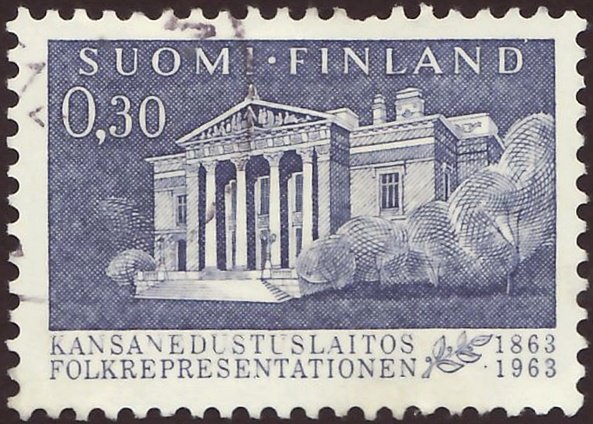
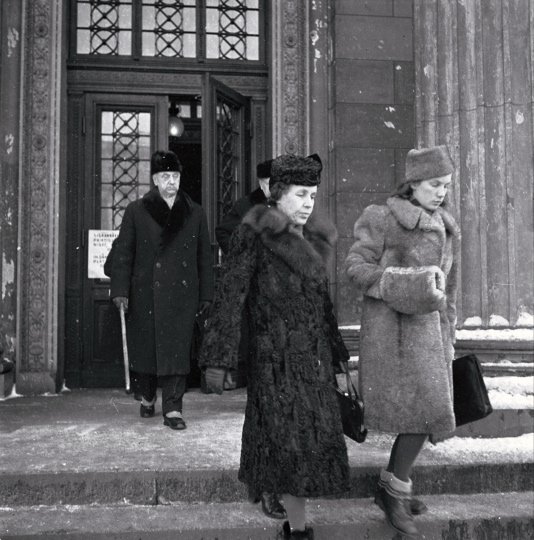
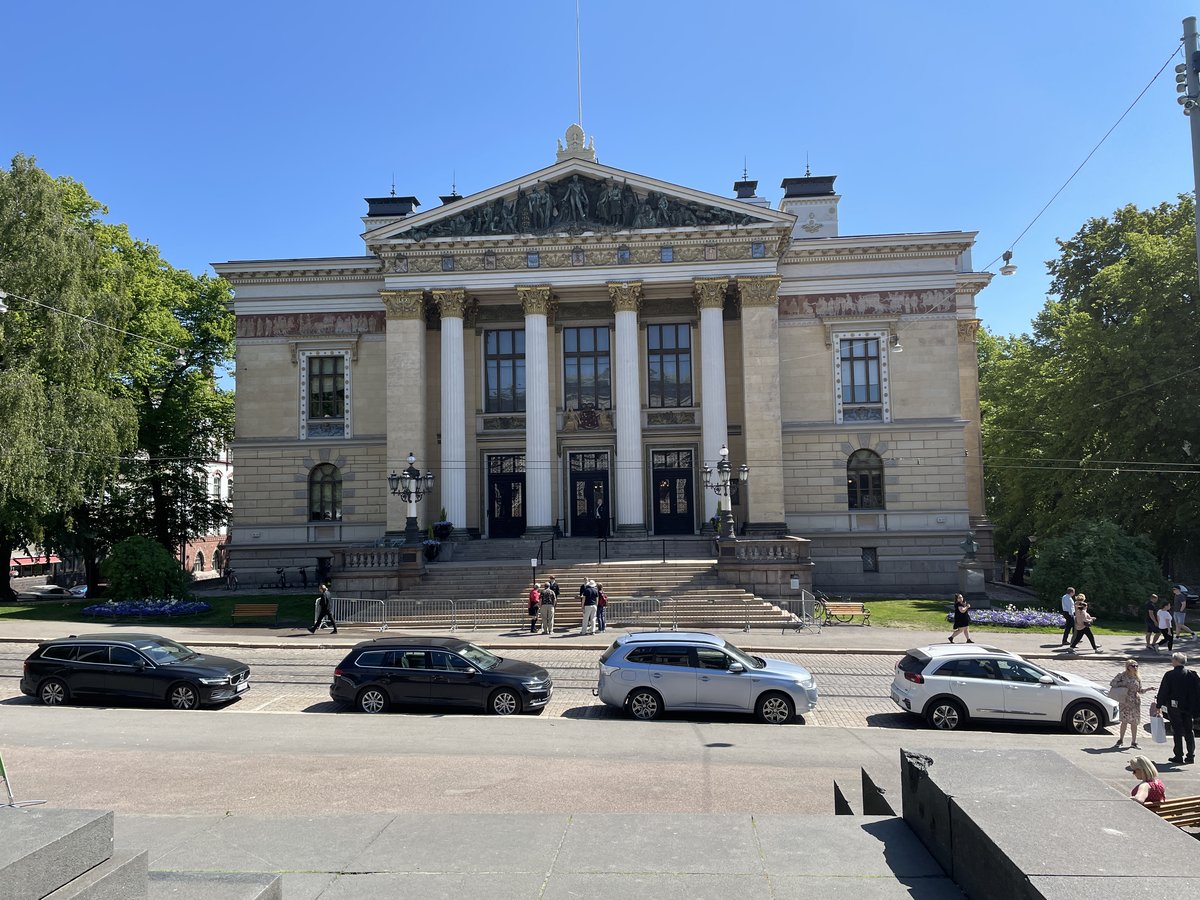
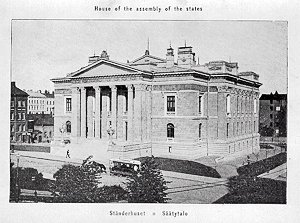
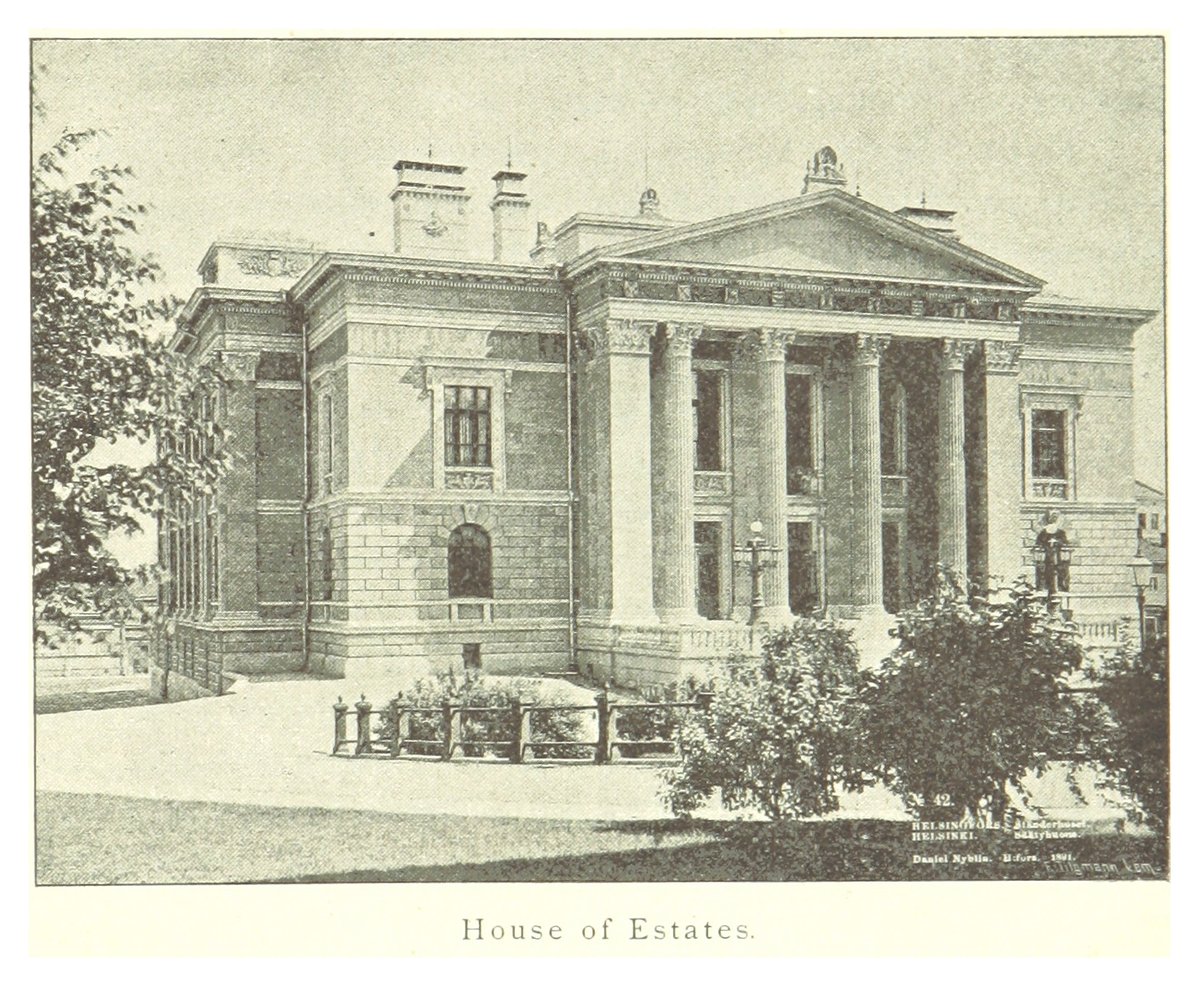
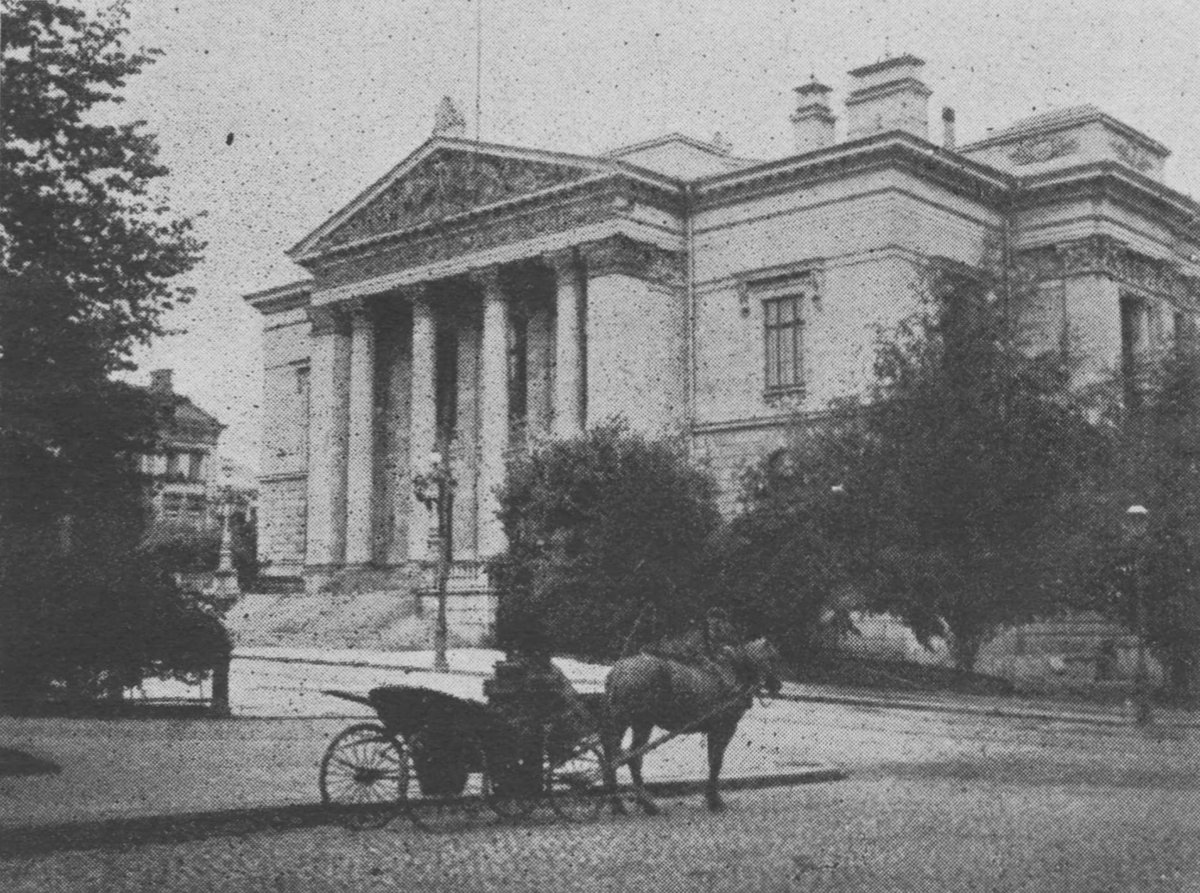
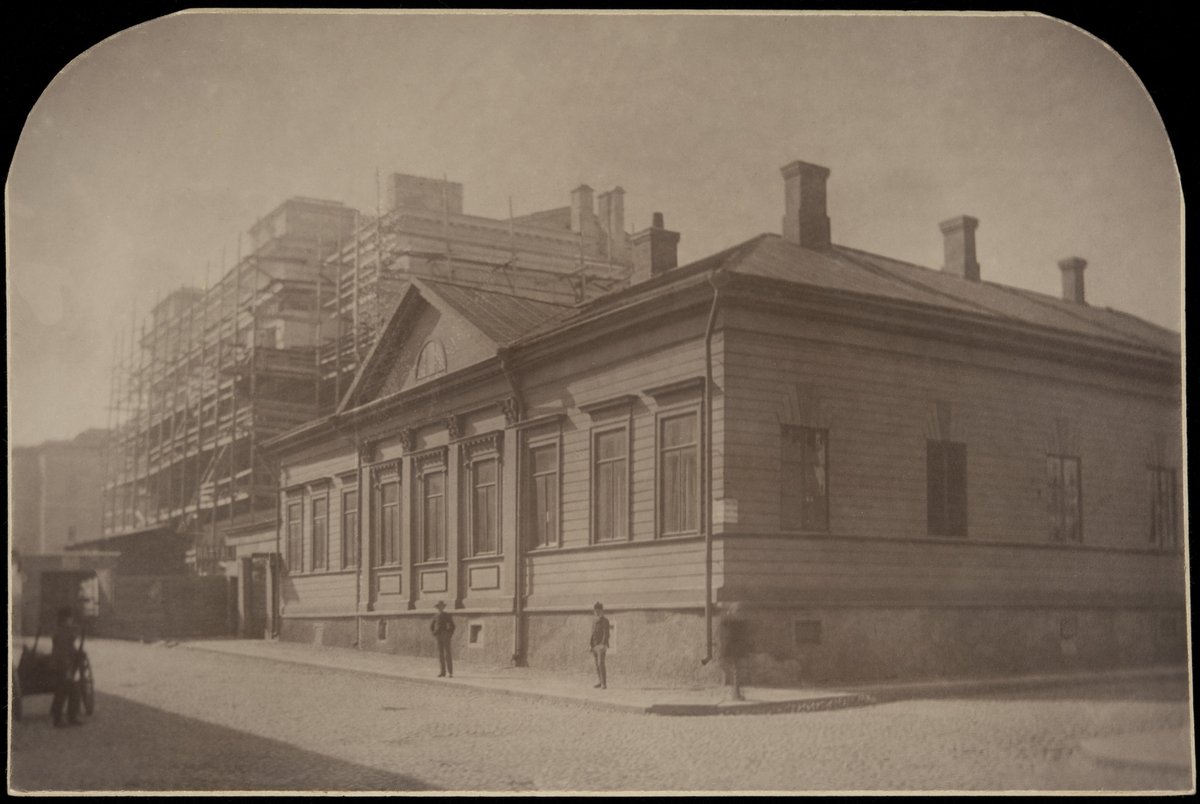
The House of the Estates (Säätytalo) is a neoclassical gem situated in the heart of Helsinki, offering a window into Finland’s rich political history and evolving national identity. Built between 1888 and 1891, it was the hub for the Finnish Diet’s meetings of the clergy, burghers, and peasants, and stands as a testament to Finland’s journey from an estate-based society to a modern democracy. Its architectural grandeur—marked by Corinthian columns, allegorical sculptures, and ornate interiors—reflects both the aspirations and achievements of a nation shaping its future under Russian rule. Although the House is not currently open to the general public due to major renovations until late 2025, its striking façade and central location continue to make it a highlight for visitors interested in Helsinki’s history and architecture. For the latest information on visiting hours, ticketing, and accessibility, consult official sources such as the House of the Estates website, the City of Helsinki, and Senaatti Properties.




Historical Background
Origins and Political Context
The House of the Estates was conceived as the gathering place for Finland's non-noble estates, a political system inherited from Swedish rule and maintained during the Grand Duchy period under Russia. The building exemplifies the traditional four-estate system—nobility, clergy, burghers, and peasants—which structured Finnish society and governance for centuries. The Diet of Finland, meeting in this building, gained legislative regularity after the Diet Act of 1869, becoming a key institution for national debate and reform (Hel.fi).
Construction and Architectural Significance
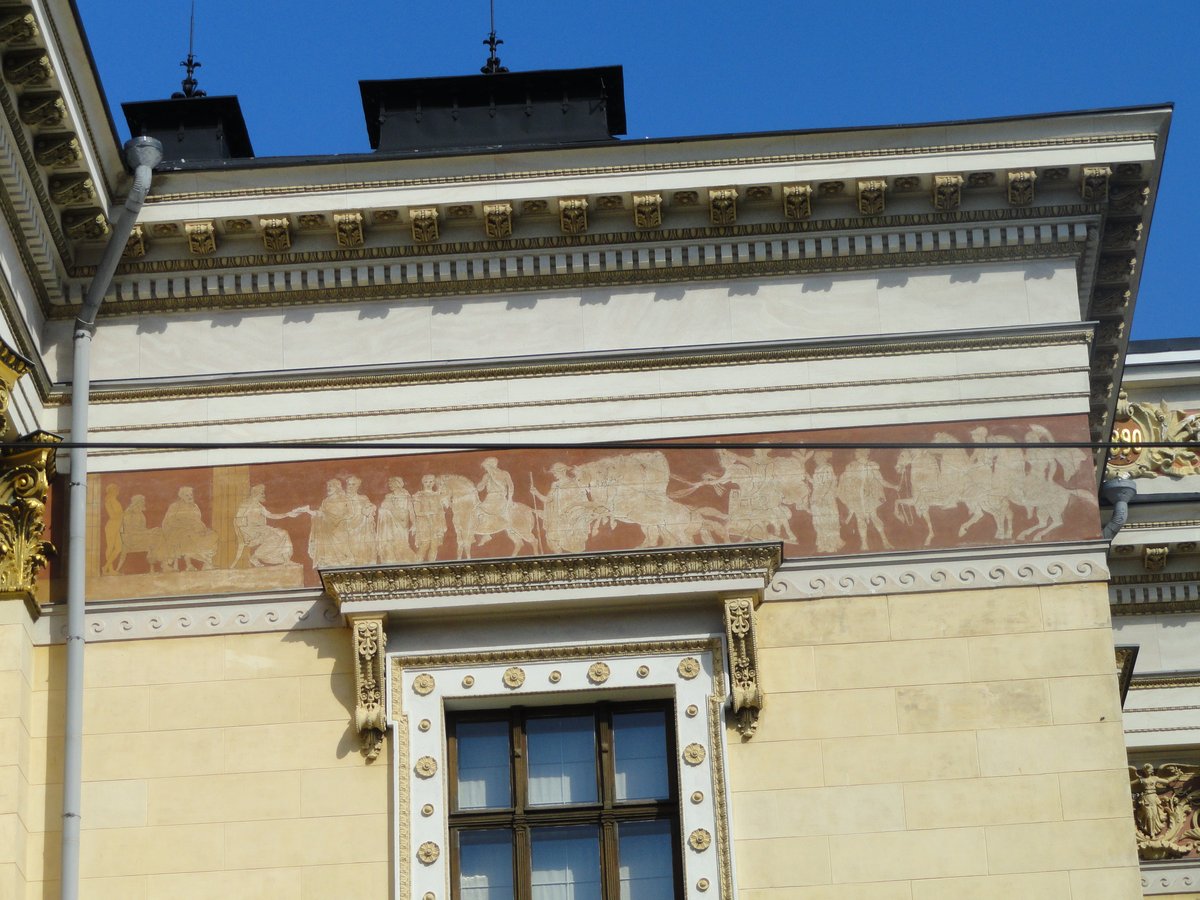
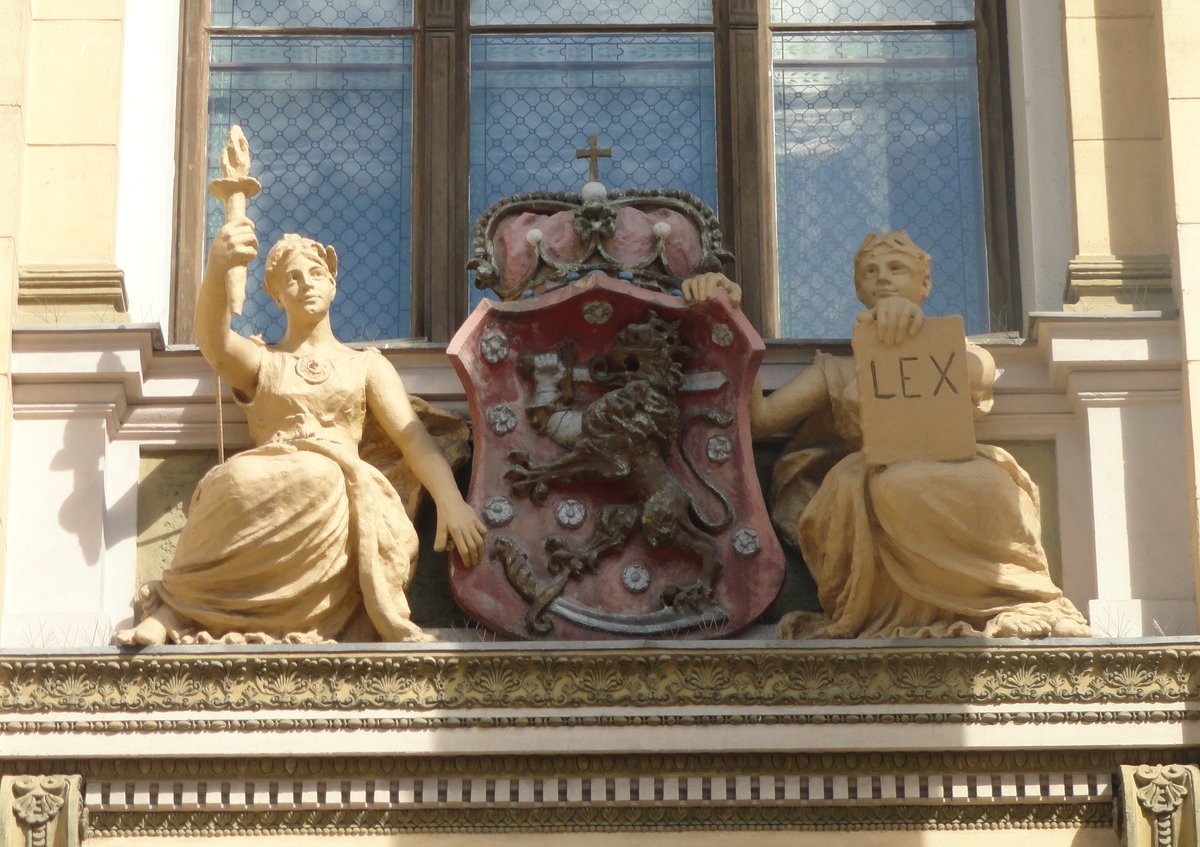
Designed by Gustaf Nyström and completed in 1891, the House of the Estates is a striking example of Finnish neoclassicism. The façade, adorned with Corinthian columns, detailed pediments, and symbolic statuary, projects dignity and civic virtue. Inside, the assembly halls are richly decorated with high ceilings, chandeliers, gilded moldings, and custom furnishings, providing a fitting setting for parliamentary debate (HAM Helsinki).
Role in Finnish Political History
The House played a central role in key political developments, including the 1906 parliamentary reform that introduced universal suffrage and a unicameral parliament. The first session of the new parliament in 1907 welcomed Finland’s first female MPs, underscoring the building’s symbolic association with progressive reforms (Aänioikeus). Following the reform, the building continued to serve as a venue for official functions, negotiations, and state events.
Architectural Features and Symbolism
The building’s neoclassical style communicates order and legitimacy. The main entrance is crowned by Emil Wikström’s frieze "Alexander I and the Porvoo Diet 1809," referencing Finland’s historical autonomy. The landscaped courtyard features a whimsical fountain, adding a touch of artistic charm to the solemn exterior (HAM Helsinki). The interior’s spatial hierarchy and symbolic motifs reflect the ideals of democratic governance and national pride.
The Estates System: European Roots and Finnish Adaptation
The estates system, which divided society into orders each with specific rights and duties, was common across medieval Europe. In Finland, the Diet’s regular meetings and unique adaptation of this system played a significant role in national development. The House of the Estates provided a forum for dialogue and negotiation among the estates, shaping the legislative landscape (Wikipedia).
Transition to Modern Governance
The 1906 reform abolished the estate-based Diet and established Finland’s unicameral parliament, elected by universal suffrage. The House of the Estates thus transitioned from a legislative chamber to a site for official receptions, coalition negotiations, and state ceremonies, continuing its role in Finnish civic life (valtioneuvosto.fi).
Preservation and Contemporary Use
The House of the Estates is a protected cultural heritage landmark managed by Senate Properties. Its original interiors—banqueting rooms, assembly halls, and period furnishings—have been carefully preserved. The building frequently serves as a venue for government meetings, scholarly conferences, and state celebrations. Its continued use underscores its relevance to both historical memory and contemporary governance (senaatti.fi).
Visiting the House of the Estates
Visiting Hours and Admission
Current Status: As of June 2025, the House of the Estates is closed to the public for a major renovation, scheduled to finish in late 2025. There are no regular visiting hours or ticket sales for individual tourists. Access is limited to official events, meetings, or by special invitation (myhelsinki.fi; senaatti.fi).
Renovation Details
The current renovation, costing approximately €38 million, includes:
- Upgrading kitchen and banqueting facilities
- Adding accessible ramps and toilets
- Enhancing the surrounding park and play area
- Improving digital and physical accessibility in line with Helsinki’s accessibility initiative
No events or public tours will be held until construction is complete.
Accessibility
When reopened, the House will feature step-free access, modern lifts, and accessible toilets. The improvements are designed to meet WCAG 2.1 Level A and AA, ensuring compliance with national and EU standards (hel.fi).
Guided Tours and Special Events
In past years, the House has offered guided tours during cultural festivals and special open days. These tours provide detailed insight into the building’s history, architecture, and role in Finnish democracy. Information about future tours will be available upon reopening (evendo.com).
Nearby Attractions and Travel Tips
Though interior access is unavailable, the House of the Estates is a highlight of Helsinki’s historic center. Its neoclassical façade can be admired from Snellmaninkatu, just steps from Senate Square, Helsinki Cathedral, and the Bank of Finland. Guided walking tours of the area often include the House and other key landmarks (freetour.com). Visit in spring or summer for the best experience of the surrounding parks and city life.
Civic and Educational Significance
The House is closely linked to the Helsinki City Archives and serves as a symbol of national memory, hosting commemorative events that highlight milestones like the introduction of universal suffrage. Its preservation enables ongoing public engagement with Finland’s democratic achievements (Hel.fi).
Frequently Asked Questions (FAQ)
Q: Can I visit the House of the Estates or buy tickets?
A: No, the building is currently closed to visitors and does not offer tickets or public tours during renovations.
Q: When will the House of the Estates reopen?
A: Renovations are expected to finish in late 2025. Check the House of the Estates website for updates.
Q: Is the area around the building accessible?
A: Yes, the surrounding streets and parks are accessible, and improvements are underway to enhance public access.
Q: Are guided tours available?
A: Guided tours are not available during renovations. Information about future tours will be posted after reopening.
Q: What nearby attractions should I visit?
A: Senate Square, Helsinki Cathedral, the House of Nobility, and the Bank of Finland are all within a short walk.
Summary and Recommendations
The House of the Estates remains a cornerstone of Finnish history, representing the country’s evolution from estate-based governance to modern democracy. While the building is currently closed for extensive renovations, its neoclassical façade is a must-see on any Helsinki walking tour. Take advantage of digital resources and guided tours of the surrounding area to learn about its enduring legacy. For the latest updates on reopening, accessibility, and event schedules, consult official resources and consider using digital tools like the Audiala app for curated historical insights and travel tips.
Listen to the full story in the app
The whole House Of The Estates,
told well.
Audio guides for 1,100+ cities across 96 countries. History, stories, and local insight — offline ready.
Verified, and shown.
Researched and written by the Audiala editorial team from historical records, architectural archives, and local expertise.
Researched from Wikidata, Wikipedia & official sources · fact-checked · How we make our guides →