Plan and listen to Hietaniemi Cemetery with Audiala.
Audio guide in your pocket, itinerary in your browser. Built for the way you actually visit.
Introduction
Hietaniemi Cemetery (Finnish: Hietaniemen hautausmaa; Swedish: Sandudds begravningsplats) is one of Helsinki’s most historically significant and culturally rich destinations. Established in 1829, the cemetery is more than a burial ground—it is a tranquil urban oasis and a living monument to Finland’s national identity, artistry, and collective memory. Here rest Finnish presidents, military heroes, internationally renowned artists, and countless individuals who shaped the nation’s story. Set against a picturesque seaside landscape, Hietaniemi Cemetery beckons history enthusiasts, architecture admirers, and those seeking a place for reflection.
This comprehensive guide covers everything you need to plan a meaningful visit: historical background, opening hours, ticket and accessibility information, notable graves, visitor etiquette, and travel tips for making the most of your time in this essential Helsinki landmark (Helsingin seurakunnat, Live the World, My Helsinki).

Founding and Early Development
When Helsinki became the capital of Finland in 1812, the growing city needed a new burial ground. Hietaniemi Cemetery was officially established in 1829, designed to serve the Lutheran community. The original section, now known as the Old Cemetery, quickly filled, prompting further expansions throughout the 19th and 20th centuries (helsinginseurakunnat.fi).
Expansion and Architectural Landmarks
Subsequent additions include the New Cemetery (1854), the Hietaniemi Area (1930s), and the Urn Grove (1949). The cemetery is home to significant architectural works such as Theodor Höijer’s Old Chapel (1873) and Albert Nyberg’s New Chapel (1933), which features a columbarium. These buildings, along with the modernist crematorium and auxiliary structures, reflect evolving Finnish architectural and funerary traditions (livetheworld.com).
Structure and Distinct Sections
Hietaniemi Cemetery is divided into five main sectors:
- Old Cemetery: The historic core, dating from 1829.
- New Cemetery: Expanded area with a blend of traditional and modern gravestones.
- Hietaniemi Area: Added in the 1930s, featuring the New Chapel.
- Urn Grove: Dedicated to cremation burials, inaugurated in 1949.
- Cemetery of the Guard of Finland: Honoring military tradition and the White Guard Regiment (myhelsinki.fi).
Military Significance and War Memorials
A poignant section of the grounds is dedicated to military heroes, including the Tomb of the Unknown Soldier and the grave of Marshal Carl Gustaf Emil Mannerheim. The cemetery contains the country’s largest war heroes’ section, with over 3,000 Finnish soldiers and 121 German soldiers interred here. Key monuments like the Cross of Sacrifice serve as focal points during major commemorations, especially on Finnish Independence Day (helsinginseurakunnat.fi).
Notable Figures and Artists’ Hill
Beyond political leaders, Hietaniemi is the final resting place for some of Finland’s most celebrated cultural icons:
- Tove Jansson: Beloved creator of the Moomins.
- Akseli Gallen-Kallela: Pioneer of Finnish art and national romanticism.
- Alvar Aalto: Renowned architect and designer.
- Urho Kekkonen: Longest-serving Finnish president.
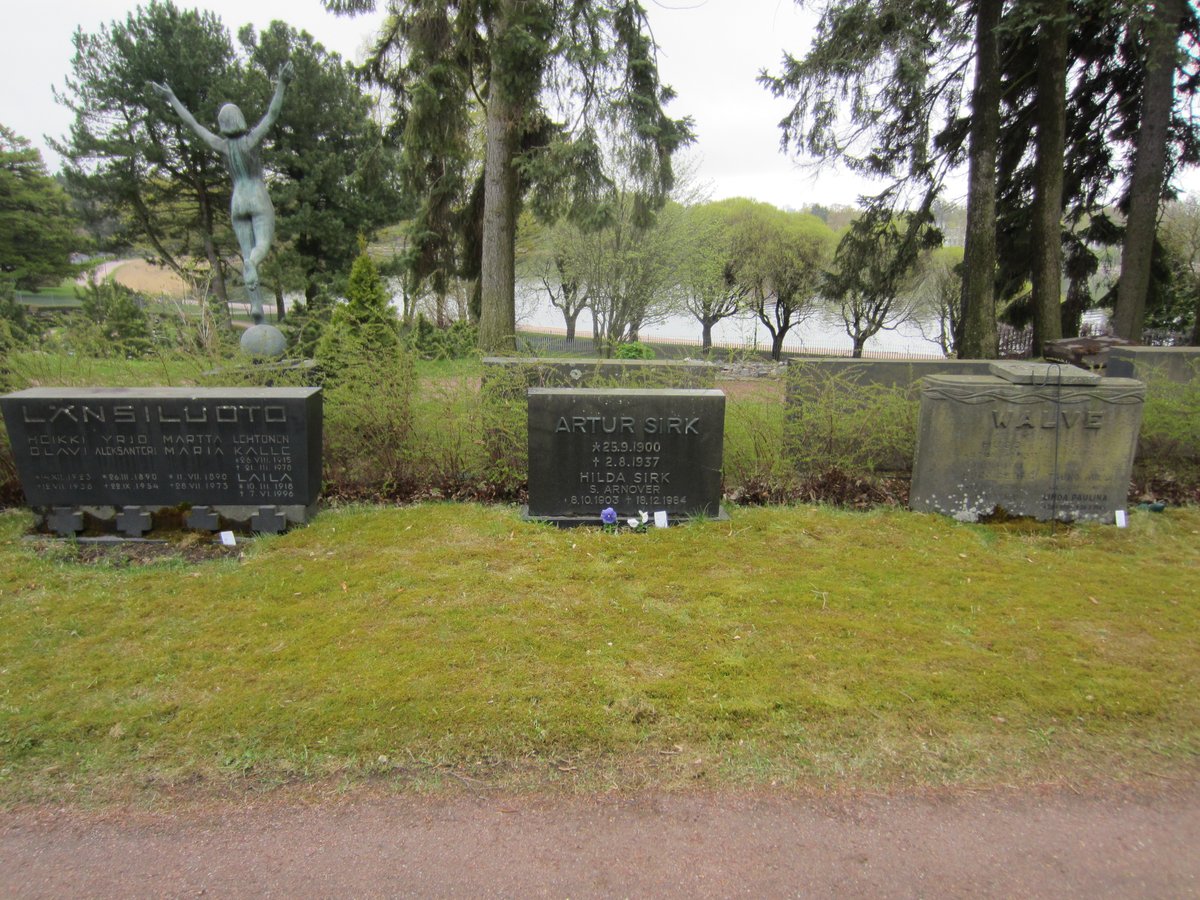
Artists’ Hill, a dedicated section, honors over 50 of Finland’s renowned artists, with graves that often reflect their creative legacies (findagrave.com).
Visiting Hietaniemi Cemetery
Opening Hours and Admission
- Hours: Open daily, generally from 7:00 AM to 10:00 PM. Hours may vary by season and on public holidays; always confirm with the official website before visiting.
- Admission: Entry is free; no tickets or passes are required.
Accessibility
- Paths: Most main walkways are paved and wheelchair accessible, though some historic areas may be uneven.
- Facilities: Accessible restrooms are available near the main entrance and at chapels.
- Assistance: Contact administrative offices for specific accessibility needs.
Getting There
- Public Transport: Reachable by tram lines 1, 2, 4, 6, 8, and several bus routes. The closest tram stop is “Hietaniemi.”
- Parking: Limited parking near the cemetery; public transport is recommended, especially during events or busy times.
Highlights and Notable Sections
The Old Cemetery
The oldest part of the site, with 19th-century gravestones and memorials reflecting Helsinki’s early history and bilingual heritage (Wikipedia).
The New Cemetery
An expanded area with diverse memorial styles and family plots, still in use for contemporary burials.
Presidents’ Section & Military Graves
Resting place of Finland’s former presidents (including Mannerheim and Kekkonen), as well as military heroes. The area is a focal point for national remembrance ceremonies (Lonely Planet).
Artists’ Hill (Taiteilijakukkula)
A tree-shaded, gently elevated area celebrating the lives and works of Finland’s artistic elite. Downloadable maps help visitors locate individual graves (helsinki100.wordpress.com).
Urn Grove & Crematorium
Reflecting evolving funeral practices, this area offers a peaceful setting for urn burials and features a modernist chapel.
Cemetery of the Guard of Finland
A unique section reflecting military history and the traditions of the White Guard Regiment.
Visitor Experience and Etiquette
Atmosphere
Hietaniemi Cemetery’s landscape is defined by tall birches, pines, and maples, offering tranquil walking paths and secluded benches. Wildlife like squirrels contribute to the peaceful ambiance. The proximity to Hietaniemi Beach and the sea enhances its unique environment (My Global Viewpoint).
Photography
Personal photography is permitted and encouraged for capturing the scenic beauty and historical monuments. Please avoid photographing mourners or funeral ceremonies out of respect.
Cultural Etiquette
- Maintain silence and respect throughout the grounds.
- Do not disturb grave decorations or memorials.
- Only service animals are allowed inside.
- Give precedence to ongoing funerals and avoid gathering near chapels during services.
Special Events and Tours
- National Ceremonies: Major events take place on Finnish Independence Day (December 6) and All Saints’ Day, drawing visitors for remembrance.
- Guided Tours: Available primarily in summer or during special occasions. These tours offer deeper insights into Finnish history and the significance of those interred at Hietaniemi.
Seasonal Highlights
- Spring: Wildflowers and budding trees offer vibrant scenery.
- Summer: Lush greenery and long daylight hours—combine your visit with nearby Hietaniemi Beach.
- Autumn: The cemetery glows with colorful foliage.
- Winter: Snow and candle-lit memorials create a magical and contemplative atmosphere.
Nearby Attractions
- Hietaniemi Beach: A popular urban beach, ideal for summer visits.
- Sibelius Monument and Park: Tribute to Finland’s iconic composer.
- Lapinlahti Hospital and Park: Historic site with art exhibitions and a café.
- Temppeliaukio Church: Notable for its rock-hewn architecture.
Frequently Asked Questions (FAQ)
Q: What are Hietaniemi Cemetery’s visiting hours?
A: Generally 7:00 AM to 10:00 PM daily. Confirm seasonal hours on the official website.
Q: Is there an entrance fee?
A: No, admission is free.
Q: Are guided tours available?
A: Yes, especially in summer and on memorial days. Check the website for schedules.
Q: Is the cemetery wheelchair accessible?
A: Most main paths are accessible; contact the office for special assistance.
Q: Can I bring pets?
A: Only service animals are permitted.
Q: Can I take photos?
A: Yes, for personal use. Please avoid photographing funerals or mourners.
Practical Tips for a Meaningful Visit
- Review cemetery maps and notable graves online before your visit.
- Dress for the weather and wear comfortable shoes.
- Allocate 1–2 hours to explore key sections.
- Respect ongoing ceremonies and the peace of the grounds.
- Use public transport when possible due to limited parking.
Summary of Key Points
- Historical Significance: Founded in 1829, Hietaniemi Cemetery is central to Finnish national memory.
- Notable Sections: Includes Artists’ Hill, Presidents’ Section, military graves, and more.
- Accessibility: Open daily, free admission, wheelchair accessible.
- Visitor Experience: Peaceful landscape with seasonal highlights, guided tours available.
- Nearby Attractions: Combine your visit with other Helsinki landmarks for a full cultural itinerary.
Listen to the full story in the app
The whole Hietaniemi Cemetery,
told well.
Audio guides for 1,100+ cities across 96 countries. History, stories, and local insight — offline ready.
Verified, and shown.
Researched and written by the Audiala editorial team from historical records, architectural archives, and local expertise.
Researched from Wikidata, Wikipedia & official sources · fact-checked · How we make our guides →