Plan and listen to Harmaja Lighthouse with Audiala.
Audio guide in your pocket, itinerary in your browser. Built for the way you actually visit.
Introduction to Harmaja Lighthouse
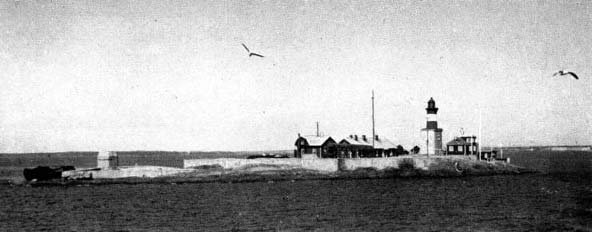
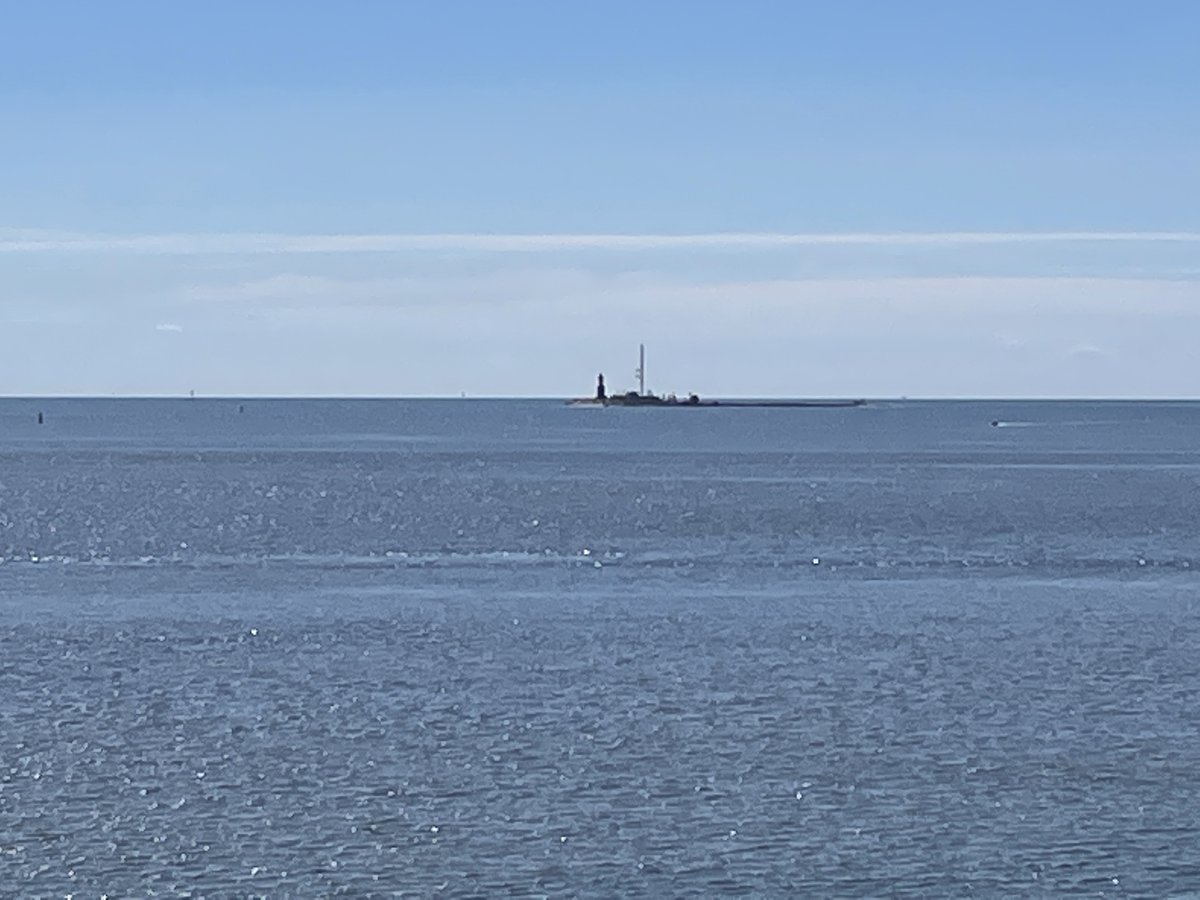
Harmaja Lighthouse, an enduring symbol of Finland’s maritime tradition, stands sentinel just off the coast of Helsinki. Strategically positioned at the gateway to the city’s harbor and near the historic Suomenlinna Sea Fortress, this iconic beacon has played a pivotal role in navigation since the 16th century (Wikipedia: Harmajan majakka). More than a navigational aid, Harmaja embodies resilience, hope, and the deep-rooted connection between Helsinki and the sea (Discovering Finland; Symbolism Guide).
Today, Harmaja remains an active, automated lighthouse managed by the Finnish Transport Infrastructure Agency and is not generally open for public interior visits. However, its silhouette is a familiar and cherished sight from ferries and the Helsinki shoreline. This guide details Harmaja’s historical evolution, its technological and cultural significance, practical information for visitors, accessibility tips, and recommendations for exploring Helsinki’s maritime landscape (GoWithGuide).

Historical Evolution and Maritime Significance
Harmaja, or Gråhara in Swedish, has been a crucial navigational reference point since the 16th century, guiding vessels through the often hazardous Gulf of Finland (Wikipedia: Harmajan majakka). As Helsinki’s prominence as a trading and military port increased in the 18th century, a daymark was erected on Harmaja to bolster daytime navigation. These early efforts laid the foundation for centuries of maritime safety and infrastructure.
By the 19th century, the growing volume and size of ships necessitated a more effective lighthouse. In 1883, the first proper lighthouse was constructed, marking the beginning of Harmaja’s modern era as a beacon for mariners.
Lighthouse Construction and Technological Advancements
The original 1883 lighthouse was a 7.3-meter tower equipped with a petroleum-powered French Fresnel lens, which revolutionized lighthouse visibility (Wikipedia: Harmajan majakka). However, adverse weather conditions soon revealed the need for greater height and visibility. In 1900, the tower was elevated atop a granite and brick base, effectively doubling its stature.
Harmaja was a pioneer of maritime technology, featuring not only an advanced lighting system but also a robust foghorn that provided vital guidance in the region’s frequent fog. In 1936, it became the world’s first site for both directed and undirected radio beacons, cementing its status as a leader in navigational innovation (Wikipedia). The lighthouse was fully automated in the 20th century and remains unmanned, with maintenance handled by Finnish authorities (Finnish Maritime Administration).
Role in Finnish Maritime Heritage
Harmaja is among numerous lighthouses protecting the Finnish coastline (Wikipedia: List of lighthouses and lightvessels in Finland), but its proximity to Helsinki and continuous operation make it especially significant. The island also hosts a vital weather station (Finnish Meteorological Institute Marine Data), contributing to forecasts and maritime safety across the Gulf of Finland.
As a key pilotage point, Harmaja’s legacy is linked to Finland’s system of guiding ships safely to port—a tradition formalized by a 1696 decree from Charles XI of Sweden (Port of Helsinki).
Wartime and Modern Strategic Importance
Throughout both World Wars and the Cold War, Harmaja’s strategic location made it vital for defense and surveillance. The surrounding waters have seen submarine searches and other military actions, emphasizing the lighthouse’s ongoing relevance for maritime and national security (Finland Today: Submarine Bombing at the Helsinki Shore). In peacetime, Harmaja has witnessed high-profile search operations and continues to play a role in Helsinki’s security infrastructure.
Cultural and Symbolic Value
Harmaja is more than a physical landmark; it is a cultural icon for Finland. The lighthouse has hosted international events, such as the International Lighthouse and Lightship Weekend, with amateur radio enthusiasts broadcasting from the island (Wikipedia: Harmajan majakka). Its image is prevalent in art, literature, and Helsinki’s promotional materials.
Symbolically, Harmaja represents guidance, hope, and “sisu”—a Finnish concept of perseverance (Symbolism Guide). During times of adversity, such as war or long winters, the lighthouse has served as a beacon of resilience. It is also referenced in poetry and public ceremonies, reinforcing its role in Finnish identity.
Visiting Harmaja Lighthouse: Hours, Tickets, and Accessibility
Visiting Hours and Ticket Information
- Interior Access: Harmaja Lighthouse is not open for regular public tours. Entry to the interior is only possible during rare, pre-announced events.
- Island Access: The islet is accessible via special chartered boat tours, most frequently in summer. These must be booked in advance through Helsinki-based tour operators. There is no official ticketing system run by lighthouse authorities (MyHelsinki).
- Ferry Viewing: The lighthouse is best viewed from ferries heading to Suomenlinna or on private boat tours. No ticket is required to view from the shoreline.
Accessibility
- Mobility: The islet’s rocky, uneven terrain means it is not wheelchair accessible. There are no visitor facilities or restrooms on the island.
- Safety: Tours may be canceled or rescheduled in poor weather. Always consult operators and prepare for basic conditions (bring water, weather-appropriate clothing, and sturdy shoes).
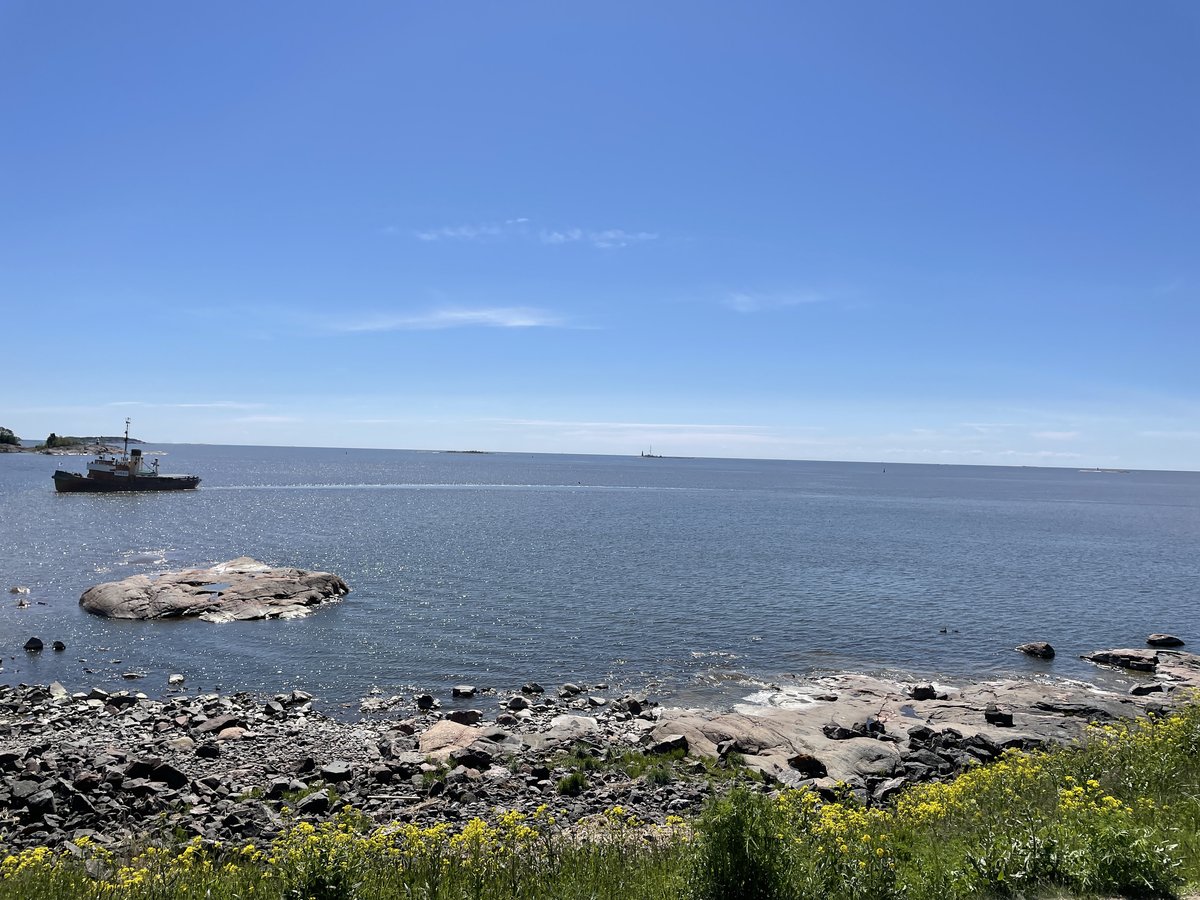
- Alternative Viewing: For those unable to land, Harmaja can be seen clearly from Kaivopuisto Park and coastal promenades in Helsinki. Ferries to Suomenlinna also offer excellent views (GlobetrotterGirls Helsinki Guide).
Preservation and Heritage Status
Harmaja Lighthouse is protected as a historical structure under Finnish law and is maintained by the Finnish Transport Infrastructure Agency (Finnish Maritime Administration). While not a UNESCO World Heritage Site like Suomenlinna, it is recognized as a site of national maritime heritage. The islet also houses a weather station, furthering its operational importance (Finnish Meteorological Institute Marine Data).
Nearby Maritime Attractions and Travel Tips
- Suomenlinna Sea Fortress: A UNESCO World Heritage Site offering museums, guided tours, and panoramic views.
- Helsinki Maritime Museum: Delving into the region’s rich seafaring history.
- Helsinki Archipelago: Ferries and boat tours access a range of islands, each with unique attractions (Visit Finland).
Travelers are advised to use Helsinki’s efficient public transport to reach ferry terminals and city attractions (MyHelsinki Accessibility Guide).
Practical Visitor Advice
- Booking: Reserve chartered tours in advance, especially for summer visits.
- What to Bring: Dress in layers, bring a windproof jacket, camera, binoculars, and personal provisions as there are no services on Harmaja.
- Responsible Tourism: Respect the natural environment and historic structures. Take all litter with you and avoid disturbing wildlife.
Frequently Asked Questions (FAQ)
Can I visit Harmaja Lighthouse’s interior?
No, the lighthouse’s interior is only open on rare special events with prior registration.
How do I see Harmaja Lighthouse?
Book a chartered boat tour or view it from ferries to Suomenlinna or the Helsinki shoreline.
Is the islet accessible for those with reduced mobility?
No, the terrain is rugged and lacks infrastructure for wheelchairs or those with limited mobility.
When are the best times to visit?
Summer months offer the most reliable weather and tour availability. Early morning or evening trips provide excellent lighting for photographs.
Are there nearby historical sites?
Yes—Suomenlinna Fortress, Helsinki Maritime Museum, and several accessible lighthouses in the archipelago.
Harmaja’s Place in Helsinki’s Maritime Landscape
Harmaja Lighthouse remains a treasured icon in Helsinki’s seafaring heritage. Its light continues to guide vessels into port, while its profile graces art, literature, and the city’s collective consciousness. Though access is limited, the lighthouse’s presence is felt citywide and serves as a testament to Finland’s enduring relationship with the Baltic Sea (GoWithGuide: Tourism in Finland).
Listen to the full story in the app
The whole Harmaja Lighthouse,
told well.
Audio guides for 1,100+ cities across 96 countries. History, stories, and local insight — offline ready.
Verified, and shown.
Researched and written by the Audiala editorial team from historical records, architectural archives, and local expertise.
Researched from Wikidata, Wikipedia & official sources · fact-checked · How we make our guides →