Plan and listen to Gone Heroes with Audiala.
Audio guide in your pocket, itinerary in your browser. Built for the way you actually visit.
Introduction: The Gone Heroes Monument in Helsinki
The Gone Heroes monument (Menneet ritarit) in Helsinki stands as a powerful symbol of Finland’s enduring struggle for independence and democracy. Located near the Finnish Parliament House in Pikkuparlamentin puisto, this sculpture by Eila Hiltunen, unveiled in 1982, commemorates those who fought for Finnish sovereignty throughout the 20th century. Its minimalist, modern design pays homage to national resilience and unity, offering visitors a space for contemplation amidst the city’s vibrant historical and political landscape.
Finland’s path to independence was shaped by centuries of foreign rule—first under Sweden and later Russia—culminating in a national awakening and the declaration of independence in 1917. Helsinki, as the capital, was at the center of pivotal moments ranging from the Finnish Civil War through the Winter and Continuation Wars, making it a living museum of the nation’s heritage.
The Gone Heroes monument is accessible year-round with free admission, serving as an essential destination for anyone seeking to understand Finland’s history and commemorate its heroes. This comprehensive guide covers the monument’s historical context, visiting hours, ticketing, accessibility, and practical travel tips, as well as recommendations for related Helsinki landmarks and commemorative traditions (Her Finland, MyHelsinki, Total Military Insight).
- Introduction
- Historical Context: Helsinki and the Finnish Struggle for Independence
- The Symbolism of Gone Heroes
- Visiting Information: Hours, Tickets, and Accessibility
- The Role of Gone Heroes in Finnish Society
- Architectural and Artistic Features
- Integration with Helsinki’s Urban Landscape
- Annual Commemorative Traditions
- Practical Travel Advice
- Nearby Historical Attractions
- Accessibility and Visitor Facilities
- Guided Tours, Educational Resources, and Amenities
- Cultural Insights and Visitor Experience
- Rituals, Reflection, and Etiquette
- Sustainability and Community Engagement
- Frequently Asked Questions (FAQ)
- Summary and Call to Action
- References
1. Historical Context: Helsinki and the Finnish Struggle for Independence
From Swedish Rule to Russian Dominion
From the Middle Ages until 1809, Finland was under Swedish rule, with Helsinki established in 1550 as a trading town by King Gustav I of Sweden. After the Finnish War (1808–1809), Sweden ceded Finland to Russia under the Treaty of Fredrikshamn, making Helsinki the capital of the Grand Duchy of Finland in 1812. This transition set the stage for Helsinki’s emergence as a cultural and political hub (Her Finland, Figuring Out Finland).
Rise of Finnish National Identity
Throughout the 19th century, Helsinki became the heart of a burgeoning Finnish national consciousness. The city’s architecture, including Senate Square and Helsinki Cathedral, reflected both Russian imperial ambitions and a growing Finnish identity. Artists, writers, and composers like Jean Sibelius contributed to a cultural awakening, while resistance to Russification grew among Helsinki’s educated elite (Backstage Ravinia).
The Tumultuous Year of 1917
The Russian Revolution in 1917 destabilized imperial authority, allowing the Finnish Senate to declare independence on December 4, ratified by Parliament on December 6 (now celebrated as Independence Day). Helsinki, as the seat of government, was central to these events (Her Finland, The Nordic Nomad).
The Finnish Civil War and Its Aftermath
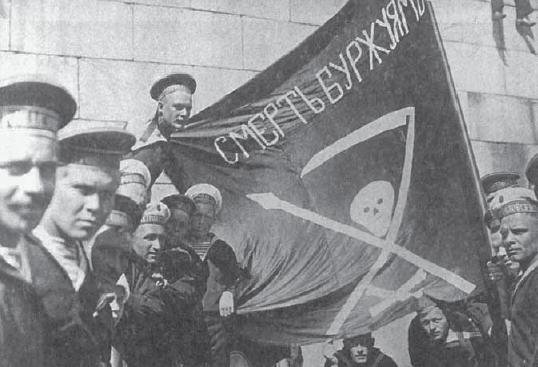
Soon after independence, the Finnish Civil War erupted in January 1918 between the socialist Reds and conservative Whites. The Whites, with German support, recaptured Helsinki in April 1918. Over 30,000 people perished, and the conflict left lasting scars but also solidified Helsinki’s role as the capital of a new republic (Britannica).
Helsinki During World War II
During World War II, Helsinki was bombed in the Winter War (1939–1940) and the Continuation War (1941–1944), yet the city endured. The spirit of its citizens and the resilience shown during these times are commemorated annually through candle-lighting and remembrance ceremonies (Her Finland).
2. The Symbolism of Gone Heroes
Located near Parliament, the Gone Heroes sculpture is a profound tribute to the sacrifices made for Finnish democracy and freedom. Designed by Eila Hiltunen, it was erected in 1982 to mark 100 years of the Finnish Parliament and the advent of universal suffrage. The rust-proof steel structure, with its modern and minimalist design, echoes Finland’s ethos of dignity and resilience. Its prominent placement ties the nation’s legislative heart to collective memory (HAM Helsinki).
3. Visiting Information: Hours, Tickets, and Accessibility
- Hours: The Gone Heroes monument is an outdoor public artwork accessible 24/7, year-round.
- Tickets: Admission is free.
- Location: Pikkuparlamentin puisto, near the Finnish Parliament House.
- Accessibility: Wheelchair and stroller-friendly, with paved paths and benches.
- Getting There: Easily reached by public transport (trams 2 and 4), on foot from central Helsinki, or by bicycle.
- Nearby Attractions: Finnish Parliament House, Senate Square, Helsinki Cathedral, National Museum of Finland, Market Square, Esplanadi Park.
For the most current location and details, check MyHelsinki.
4. The Role of Gone Heroes in Finnish Society
Collective Remembrance
Gone Heroes is a focal point for collective remembrance—uniting Finns across generations and backgrounds. Memorials like this are central to the nation’s identity, providing a space for reflection, mourning, and gratitude (Total Military Insight).
Educational and Emotional Impact
The site serves as a powerful educational tool with plaques, guided tours, and digital resources sharing stories of sacrifice and resilience. It is a place for both public ceremonies and private mourning, reinforcing the dual purpose of remembrance and thanksgiving (LoveToKnow).
5. Architectural and Artistic Features
The monument’s clean lines and rust-proof steel construction embody Finnish design sensibilities—minimalist, durable, and deeply symbolic. Lighting and landscape integration create a contemplative atmosphere, especially during long Finnish nights (Rough Guides).
6. Integration with Helsinki’s Urban Landscape
Gone Heroes is seamlessly woven into Helsinki’s cityscape—close to other major landmarks, allowing visitors to explore the broader historical context on foot. The monument also serves as a venue for public events, especially on Independence Day and Veterans' Day, when wreaths are laid and speeches are made (MyHelsinki).
7. Annual Commemorative Traditions
Key national observances include:
- Flag Day on December 6
- Independence Day church services and Presidential Palace reception
- Candle-lighting at war graves and windows
- Torchlight processions by students
These traditions highlight Helsinki’s role in national memory (The Nordic Nomad, Her Finland).
8. Practical Travel Advice
- Seasonal Tips: Summer offers long daylight hours and outdoor festivals; winter brings a solemn, introspective atmosphere with candle-lit ceremonies.
- Best Times to Visit: Weekday mornings and late afternoons are quieter.
- Photography: Permitted and especially striking at dusk.
- Duration: 1–2 hours is recommended for a thorough visit.
9. Nearby Historical Attractions
Combine your visit to Gone Heroes with:
- Senate Square and Helsinki Cathedral
- National Museum of Finland
- Market Square and Esplanadi Park
- Suomenlinna Sea Fortress (short ferry ride)
10. Accessibility and Visitor Facilities
- Facilities: Benches, paved paths, and clear signage (Finnish, Swedish, English).
- Amenities: For extended exhibitions, expect accessible restrooms, cloakrooms, cafés, gift shops, and free Wi-Fi.
- Inclusivity: Step-free access, tactile guides, audio descriptions, and induction loops are available in most modern museum settings (Helsinki Guides).
12. Cultural Insights and Visitor Experience
Finnish Attitudes Toward Remembrance
Remembrance in Finland is marked by quiet dignity and inclusivity, honoring not only soldiers but also civilians, women, children, and minorities affected by conflict. The concept of “sisu”—grit and resilience—permeates commemorative practices (Total Military Insight).
Rituals and Etiquette
Visitors should maintain a respectful demeanor, avoid disruptive behavior during ceremonies, and observe moments of silence. Laying flowers or candles is customary.
13. Sustainability and Community Engagement
Gone Heroes and other Helsinki memorials are designed with sustainability in mind, using eco-friendly materials and integrating with green spaces. Community events and educational outreach foster intergenerational understanding (Total Military Insight).
14. Frequently Asked Questions (FAQ)
Q: What are the visiting hours for Gone Heroes?
A: Open 24/7, year-round.
Q: Is there an admission fee?
A: No, it’s free to visit.
Q: Are guided tours available?
A: Yes, check with local tour operators or the Helsinki tourism office.
Q: Is the site accessible for those with disabilities?
A: Yes, with paved, step-free paths.
Q: Can I take photographs?
A: Yes, but be respectful during ceremonies.
Q: What are the best nearby attractions?
A: Parliament House, Senate Square, Helsinki Cathedral, National Museum, and Suomenlinna.
Discover More
Gone Heroes is a cornerstone of Finnish remembrance culture—honoring sacrifice, fostering unity, and promoting reflection. Its accessible location near central Helsinki landmarks makes it a must-visit for anyone interested in Finnish history and culture. Combine your visit with nearby sites for a comprehensive experience, and use the Audiala app for interactive guides, commemorative event updates, and insider tips (Total Military Insight, MyHelsinki, Her Finland).
Download the Audiala app for maps, audio guides, and the latest Helsinki cultural updates. Follow us on social media for more inspiration and expert travel advice!
Listen to the full story in the app
The whole Gone Heroes,
told well.
Audio guides for 1,100+ cities across 96 countries. History, stories, and local insight — offline ready.

Verified, and shown.
Researched and written by the Audiala editorial team from historical records, architectural archives, and local expertise.
Researched from Wikidata, Wikipedia & official sources · fact-checked · How we make our guides →