Plan and listen to Finnish Soldiers' Grave with Audiala.
Audio guide in your pocket, itinerary in your browser. Built for the way you actually visit.
Introduction
The Finnish Soldiers’ Grave in Helsinki stands as a profound symbol of national resilience, sacrifice, and collective memory. This site, along with related memorials at Hietaniemi Cemetery and Vanha Kirkkopuisto, honors the individuals who fought and died in pivotal conflicts such as the Winter War (1939–1940), Continuation War, and Lapland War. The memorials not only commemorate those who defended Finland’s independence but also serve as powerful reminders of the country’s enduring identity and unity.
This guide offers an in-depth look at the historical context, artistic design, visiting hours, accessibility, and practical tips for experiencing the Finnish Soldiers’ Grave and related sites in Helsinki. Whether you are a history enthusiast, cultural traveler, or simply seeking insight into Finland’s national story, these memorials provide a meaningful and enriching experience. For an enhanced visit, consider using guided tours or digital resources such as the Audiala app. Nearby attractions and walking routes make these stops essential for any Helsinki itinerary.
Discover how these sacred places foster reflection on freedom and unity, connecting the past with present-day Finnish society. Plan your visit today to experience the solemn beauty and enduring significance of Helsinki’s military memorials. (Finnish National Archives, MyHelsinki, HAM Helsinki, Atlas Obscura)

Historical Background
The Winter War and Its Legacy
The Finnish Soldiers’ Grave and related memorials are deeply connected to the Winter War, which erupted on November 30, 1939, when the Soviet Union invaded Finland. Despite being heavily outnumbered, Finnish forces demonstrated extraordinary resilience, defending their homeland for 105 days until the Moscow Peace Treaty was signed on March 13, 1940. Though Finland retained its independence, the country endured significant territorial losses and the deaths of over 25,000 soldiers (Finnish National Archives).
This conflict, followed by the Continuation War and Lapland War, became defining chapters in Finland’s national identity. The memorials in Helsinki serve as focal points for remembering both the sacrifices made and the enduring spirit of the Finnish people (Finnish War Veterans Association).
Memorial Design and Symbolism
Kasarmitori Memorial
Located at Kasarmitori (Barracks Square) in the Kaartinkaupunki district, the modern Finnish Soldiers’ Grave memorial was designed by Pekka Kauhanen and unveiled on November 30, 2017. Its centerpiece is a polished granite sphere featuring 105 photographic windows—each representing a day of the Winter War. The photographs capture moments of hardship and resilience, and the sphere’s reflective surface invites visitors to contemplate their place in history. The design’s abstraction symbolizes the fading of memory and the collective nature of sacrifice (HAM Helsinki).
The memorial’s inscriptions honor both veterans and civilians, acknowledging their shared contributions during times of hardship. Its setting—surrounded by military and governmental buildings—emphasizes its national significance.
Integration with National Events
Kasarmitori is a site of annual commemorations, including Independence Day (December 6) and the Winter War anniversary, when ceremonies and moments of silence are observed.
Visitor Information: Hours, Tickets, and Accessibility
Kasarmitori Finnish Soldiers’ Grave
- Visiting Hours: Open 24/7, year-round (public square)
- Tickets: Free admission
- Accessibility: Wheelchair-accessible paths and open surroundings
- Getting There: Easily accessible by tram and bus; included on many Helsinki walking tours
- Nearby Attractions: Finnish Army Headquarters, Esplanadi Park, Helsinki Cathedral
Photography
Photography is encouraged—especially to capture the unique reflections and embedded photographs—provided it is done respectfully.
The Finnish Soldiers’ Grave at Hietaniemi Cemetery
Historical and Symbolic Context
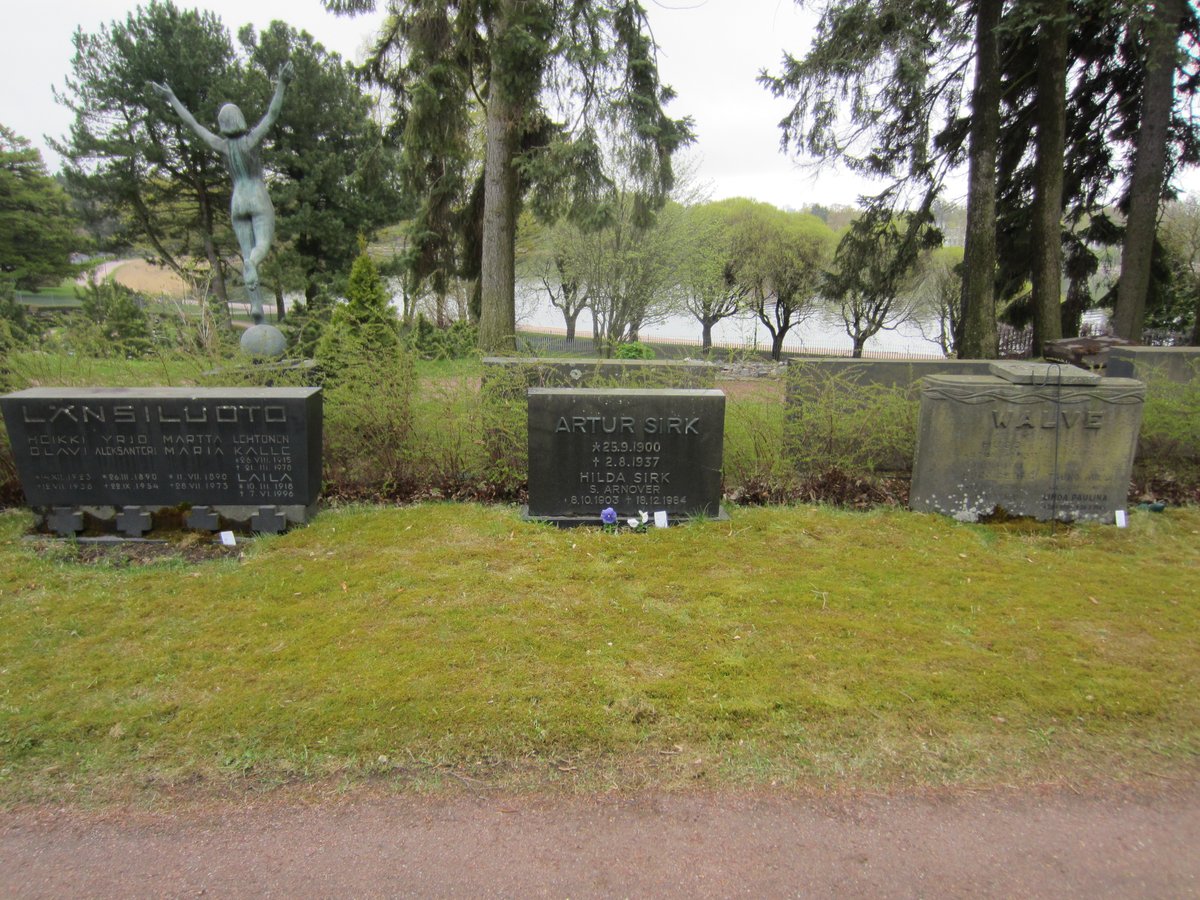
Within Hietaniemi Cemetery, the military section (Heroes’ Place) is a central site of national remembrance. It honors soldiers from the Winter War, Continuation War, and Lapland War, and is home to the Tomb of the Unknown Soldier and Marshal C. G. E. Mannerheim’s grave (Find a Grave, MyHelsinki).
Key Features
- Heroes’ Cross: A granite monument symbolizing sacrifice and unity
- Tomb of the Unknown Soldier: Commemorates unidentified fallen soldiers
- Marshal Mannerheim’s Grave: A focal point for national rituals and commemorations
- Annual Ceremonies: Independence Day and the Day of the Fallen draw large crowds and feature wreath-laying, flag ceremonies, and moments of silence (Finland100)
Artistic and Natural Setting
The cemetery combines minimalist Finnish memorial art with natural landscaping. Uniform headstones, shaded paths, and seasonal changes encourage contemplation and reflection (Tourist Secrets).
Practical Visitor Information
- Address: Hietaniemenkatu 20, Helsinki
- Opening Hours: Dawn to dusk, daily
- Tickets: Free entry
- Accessibility: Paved paths, restrooms, staff assistance available
- Getting There: Tram lines 4 and 10, bus routes, limited nearby parking
- Etiquette: Maintain quiet, dress respectfully, and follow posted guidelines
Visiting the Finnish Soldiers’ Grave in Vanha Kirkkopuisto
Historical and Urban Context
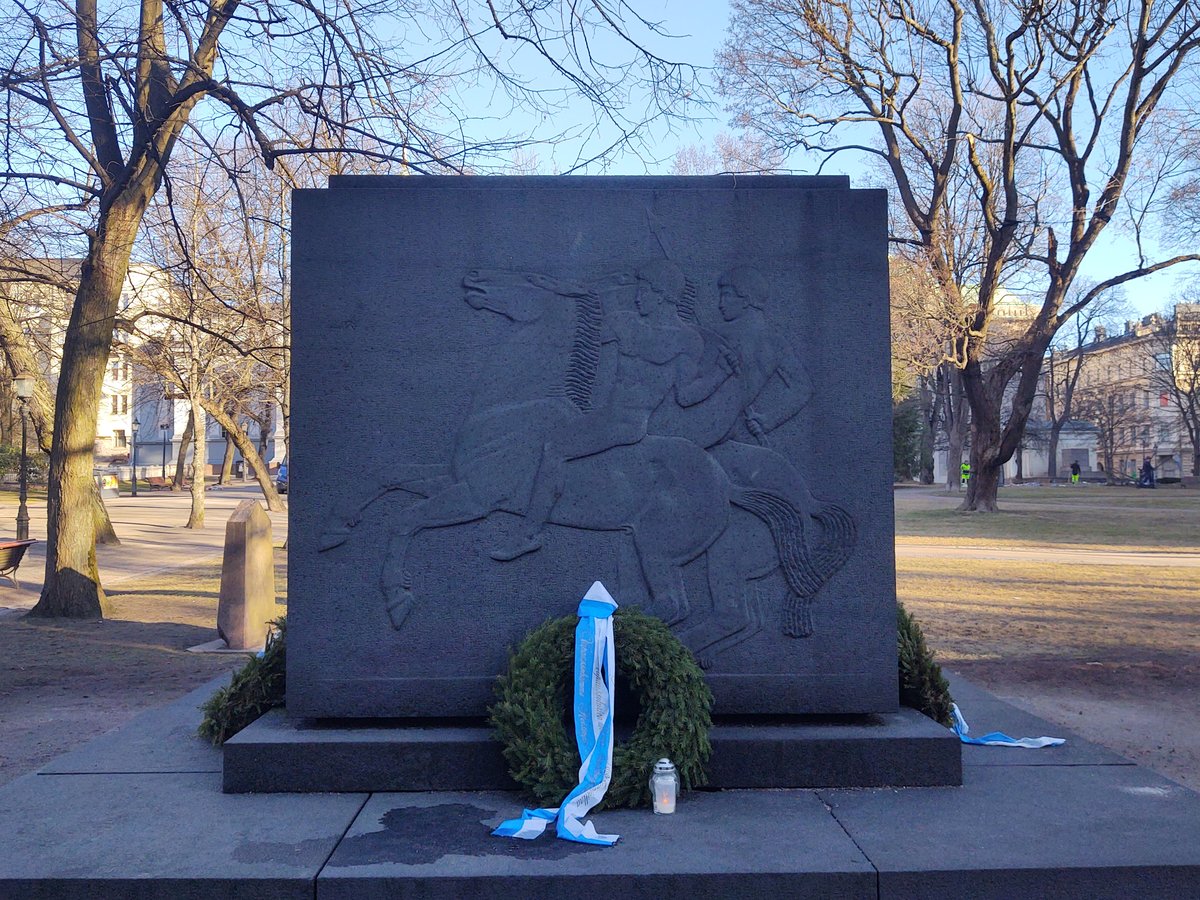
The Finnish Soldiers’ Grave in Vanha Kirkkopuisto (Old Church Park) commemorates those who fought for Finland’s independence. The black granite monument, inscribed with the names of the fallen, stands in a tranquil green space in the Kamppi district (HAM Helsinki).
Location and Accessibility
- Address: Vanha Kirkkopuisto, bordered by Annankatu, Lönnrotinkatu, and Bulevardi
- Getting There: Accessible by foot, tram lines 6, 7, and 9; nearby stops "Bulevardi" or "Fredrikinkatu"
- Accessibility: Flat, paved paths suitable for wheelchairs and strollers (Burials & Beyond)
Visiting Hours and Tickets
- Open: 24/7, year-round (public park)
- Admission: Free
- Recommended Hours: Daytime for safety and optimal experience
Amenities
No facilities in the park itself, but cafes, restrooms, and storage are available in the surrounding Kamppi area (MyHelsinki).
Etiquette and Cultural Considerations
- Speak softly, avoid disturbing others
- Do not climb or touch the memorial unnecessarily
- Photography is allowed but should be discreet
- Laying flowers or candles is welcomed, especially on national remembrance days (Nordic Times)
- Remove hats as a sign of respect
Special Events
The grave is a focal point for Independence Day (December 6) commemorations and torch-lit student parades. During these events, expect crowds and possible access restrictions.
Practical Tips and Nearby Attractions
- Combine Visits: Explore other nearby sites such as the Old Church, Hietaniemi Cemetery, Kamppi Chapel of Silence, and Helsinki’s shopping and dining districts (Wikipedia).
- Dress for the Weather: Helsinki can be chilly or wet outside of summer.
- Respectful Behavior: Quiet reflection is appreciated; Finnish culture values solemnity at memorials.
- Plan for Accessibility: Helsinki’s public transport is generally accessible.
- Bring Flowers or Candles: A traditional way to honor the fallen.
- Download Digital Guides: The Audiala app offers interactive audio tours and maps for a deeper understanding of Helsinki’s historical sites.
Frequently Asked Questions (FAQ)
Q: What are the visiting hours for the Finnish Soldiers’ Grave memorials?
A: All are open year-round, 24/7 (Kasarmitori and Vanha Kirkkopuisto are public spaces; Hietaniemi Cemetery is open dawn to dusk).
Q: Is there an entrance fee?
A: No, all sites are free to enter.
Q: Are guided tours available?
A: Yes, local tour operators offer guided visits, and the Audiala app provides audio tours.
Q: Are the sites accessible for wheelchairs and strollers?
A: Yes, all locations have paved paths and are accessible.
Q: Can I take photos?
A: Photography is allowed; please be respectful, especially during ceremonies or if others are paying their respects.
Q: What should I expect during special events?
A: Larger crowds and some access restrictions; arrive early and follow event instructions.
Listen to the full story in the app
The whole Finnish Soldiers' Grave,
told well.
Audio guides for 1,100+ cities across 96 countries. History, stories, and local insight — offline ready.
Verified, and shown.
Researched and written by the Audiala editorial team from historical records, architectural archives, and local expertise.
Hietaniemen hautausmaa (Hietaniemi Cemetery)
Finnish Soldiers’ Grave
National Memorial to the Winter War, Helsinki
Hietaniemi Cemetery
Helsinki Hietaniemi Cemetery
Finland Celebrates Independence Day
Hietaniemi Cemetery
Finnish Independence Day
The Ultimate Guide to the Top Sights in Helsinki, Finland
Is Helsinki Worth Visiting?
Let’s Visit a Finnish Plague Park
Finnish Etiquette for Tourists
The Official Symbols of Finland: Flag, Coat of Arms and National Anthem
Researched from Wikidata, Wikipedia & official sources · fact-checked · How we make our guides →