Plan and listen to Finnish Parliament Annex with Audiala.
Audio guide in your pocket, itinerary in your browser. Built for the way you actually visit.
Introduction
Nestled in the heart of Helsinki, the Finnish Parliament Annex—locally known as Pikkuparlamentti—serves as a contemporary emblem of Finnish democracy, transparency, and sustainable design. Since its completion in 2004, the Annex has complemented the historic Parliament House (Eduskuntatalo), providing modern spaces for parliamentary work while inviting the public to engage with Finland’s legislative process. This guide offers comprehensive information on visiting hours, ticketing, accessibility, and nearby historical sites, ensuring you make the most of your visit to one of Helsinki’s most significant civic landmarks (Discovering Finland; Helin & Co Architects; MyHelsinki; Eduskunta).

Historical Context: From Swedish Rule to Modern Parliament
Finland’s parliamentary tradition traces back to centuries of foreign influence. Under Swedish rule for over 500 years, Finland lacked an independent legislature, being represented in the Swedish Riksdag (Discovering Finland). In 1809, Finland became an autonomous Grand Duchy within the Russian Empire, which allowed the development of uniquely Finnish governmental structures in Helsinki.
The turbulence of 1917’s Russian Revolution enabled Finland to declare independence on December 6, 1917. Soon after, the unicameral Parliament (Eduskunta) was established, becoming the supreme legislative authority in a newly sovereign nation (Discovering Finland).
Finnish Parliament Structure and Function
The Finnish Parliament is a unicameral body with 200 members elected for four-year terms. It holds legislative power, approves budgets, ratifies treaties, and monitors government actions, all within a framework of representative democracy (Open Library; Finland.fi). The Parliament is internationally noted for its early adoption of universal suffrage (1906), including women’s right to vote and stand for election.
Architectural Evolution: Parliament House & the Annex
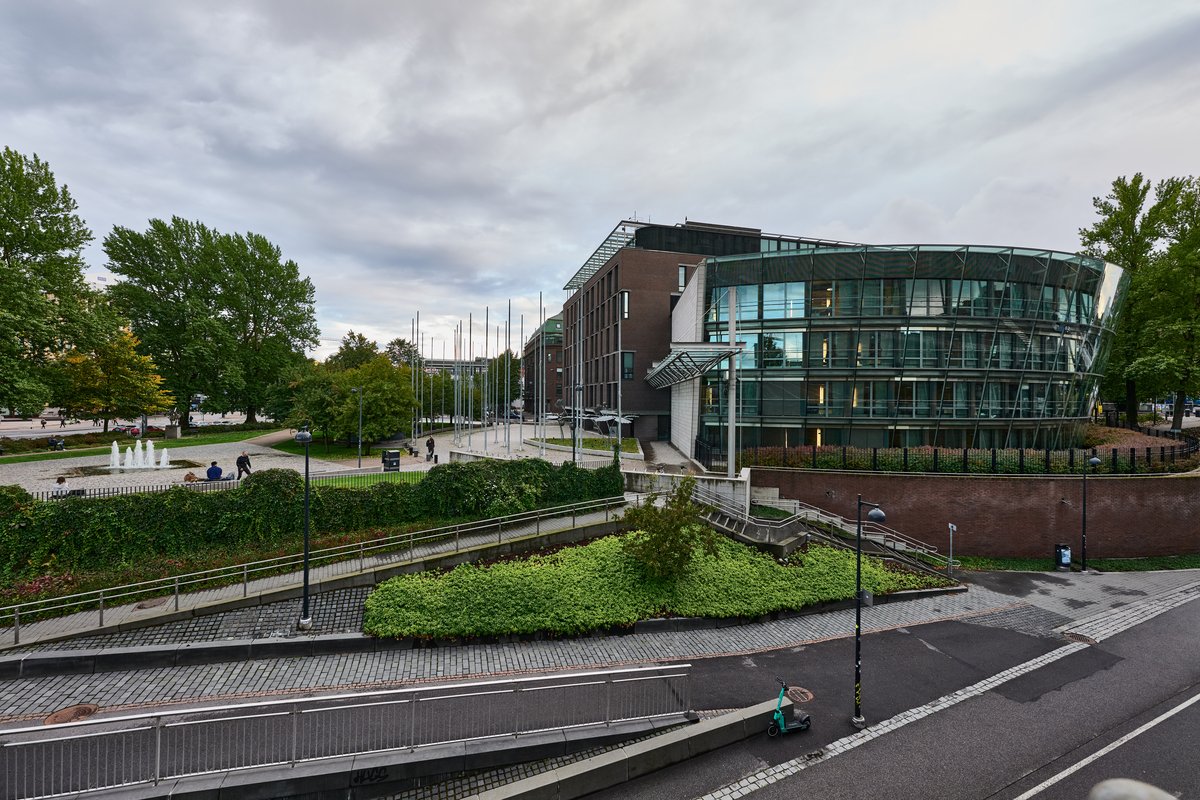
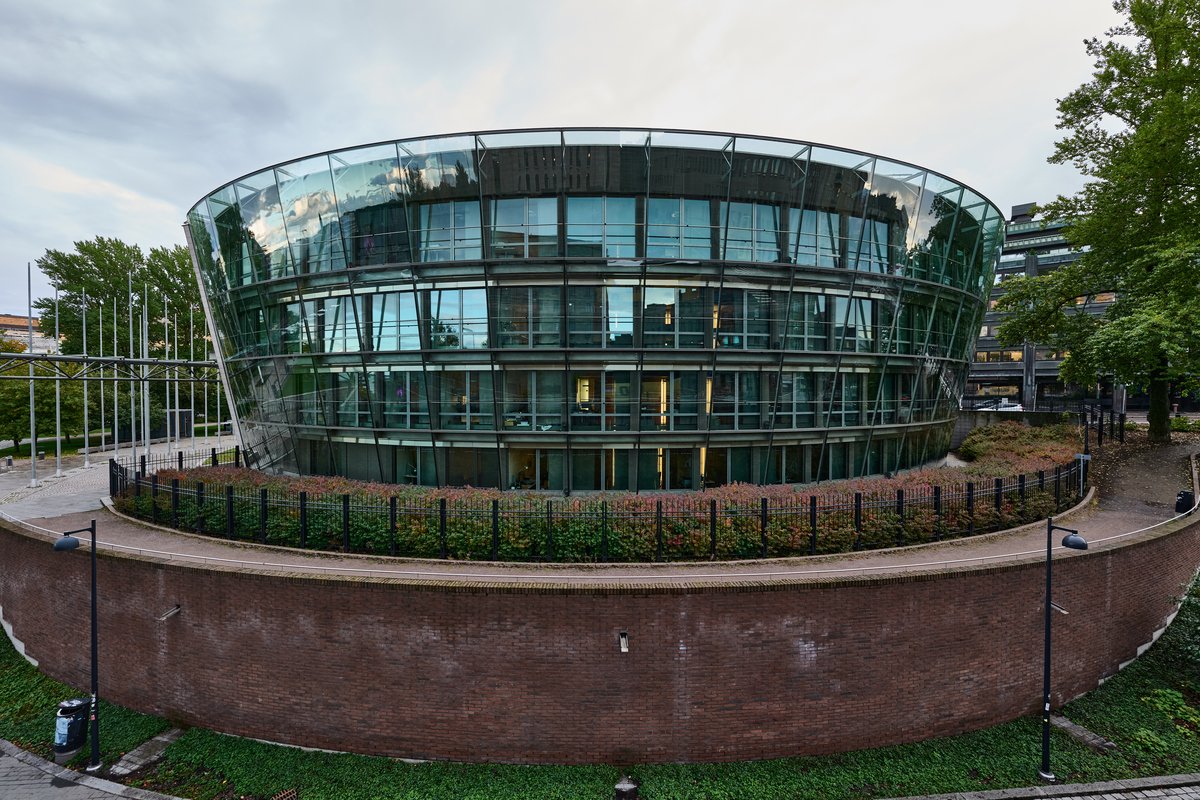
The original Parliament House, completed in 1931 and designed by Johan Sigfrid Sirén, stands as a neoclassical icon with a grand granite façade and 14 Corinthian columns (Mayamaceka). To accommodate growing parliamentary needs, the modern Parliament Annex (Pikkuparlamentti) was constructed adjacent to it and inaugurated in 2004. Designed by Pekka Helin & Co Architects, the Annex offers offices, committee rooms, a café, and exhibition spaces within a structure that blends Finnish materials, sustainability, and urban sensitivity (Helin & Co Architects).
Visiting the Finnish Parliament Annex
Opening Hours
- Kansalaisinfo (Public Information Center) and public spaces:
Open Monday–Friday, 9:00 AM–4:00 PM (hours may vary during holidays and parliamentary sessions; always confirm via the official website). - Visitors’ Center:
Open on business days, typically from 10:00 AM to 4:00 PM.
Tickets and Tours
- Entry:
Free of charge for all visitors to public areas. - Guided Tours:
Free tours are available in Finnish, Swedish, and English. Advance reservation is required via the Parliament’s official website. Tours last approximately 45–60 minutes and include architectural, historical, and cultural highlights. - Public Galleries:
Visitors can observe parliamentary sessions from public galleries when Parliament is in session. Admission is on a first-come, first-served basis, with schedules published online.
Accessibility
- The Annex is fully accessible, offering elevators, ramps, and accessible restrooms.
- Staff at the Visitors’ Center provide assistance to visitors with special needs.
Security and Facilities
- Security:
All visitors must pass through airport-style security screening and present valid photo identification. - Facilities:
Restrooms, a free cloakroom, a café, and a public information center are available. Photography is permitted in public areas but restricted in plenary chambers and during parliamentary sessions.
Architectural Highlights and Design Philosophy
The Parliament Annex is a model of modern Finnish architecture, integrating native materials such as birch, pine, and granite. Its hand-struck brick façade and double-skin glass walls symbolize openness and transparency, while a striking glass-roofed atrium draws natural light deep inside. The building’s sustainable features include a rooftop solar power plant and energy-efficient systems. An underground passage links the Annex to the main Parliament House, ensuring secure and efficient movement between the legislative buildings (Helin & Co Architects).
Nearby Helsinki Historical Sites
The Annex’s central location makes it an excellent starting point for exploring Helsinki’s rich cultural landscape:
- National Museum of Finland:
Learn about Finnish history and culture. - Kiasma Museum of Contemporary Art:
Explore modern art in an award-winning building. - Ateneum Art Museum:
See Finland’s most prominent art collection. - Temppeliaukio Church (Rock Church):
An architectural marvel carved into natural rock. - Helsinki Cathedral and Senate Square:
Iconic neoclassical landmarks within walking distance.
All are easily accessible by public transport or on foot (NomadicMatt; FarawayWorlds).
Visitor Tips
- Reserve guided tours early, especially during peak seasons.
- Arrive 15–20 minutes before your tour to allow for security procedures.
- Check the Parliament’s calendar for special sessions or public holidays that may affect visiting hours.
- Respect decorum: Maintain silence during parliamentary sessions and follow staff guidance on photography.
- Use public transportation for easy access, as parking is limited.
Frequently Asked Questions
Q: Do I need to buy tickets for Pikkuparlamentti tours?
A: No, tours are free, but you must book in advance via the official website.
Q: What are the Parliament Annex’s visiting hours?
A: Generally Monday–Friday, 9:00 AM–4:00 PM. Confirm current hours on the official site.
Q: Is the Annex accessible?
A: Yes, the building is fully accessible for visitors with disabilities.
Q: Can I take photos inside?
A: Photography is allowed in public areas but restricted in plenary chambers and during sessions.
Q: Are there security checks?
A: Yes, all visitors must go through security screening and present photo ID.
Listen to the full story in the app
The whole Finnish Parliament Annex,
told well.
Audio guides for 1,100+ cities across 96 countries. History, stories, and local insight — offline ready.
Verified, and shown.
Researched and written by the Audiala editorial team from historical records, architectural archives, and local expertise.
Researched from Wikidata, Wikipedia & official sources · fact-checked · How we make our guides →