Plan and listen to Cable Factory with Audiala.
Audio guide in your pocket, itinerary in your browser. Built for the way you actually visit.
Introduction
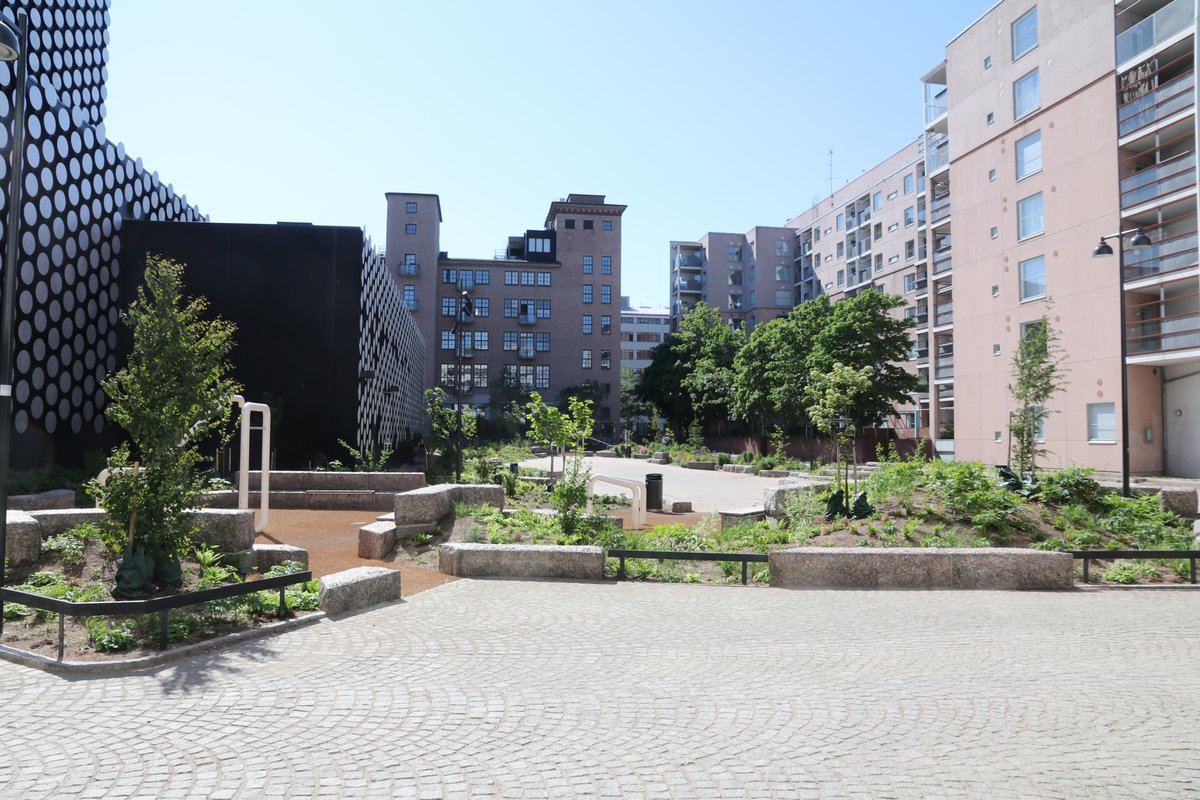
Nestled in Helsinki’s Salmisaari and Ruoholahti districts, the Cable Factory (Kaapelitehdas) is a striking example of Finland’s industrial past brought vibrantly into the present. Originally built between 1939 and 1954, it was Finland’s largest building and a key site for marine and industrial cable production, closely linked with the rise of iconic companies such as Nokia. When cable manufacturing declined in the late 20th century, the site was at risk of demolition—until a grassroots movement of artists and cultural practitioners intervened (Kaapelitehdas History; ERIH).
Today, Kaapelitehdas is one of Helsinki’s busiest cultural hubs, home to over 130 studios, three museums, galleries, restaurants, and event spaces. It welcomes more than half a million visitors annually, offering a blend of historical architecture, contemporary art, and diverse events. This guide provides a detailed overview of the Cable Factory’s history, practical visitor information, travel tips, and highlights, helping you make the most of your visit. For up-to-date details, check the official Kaapelitehdas website.

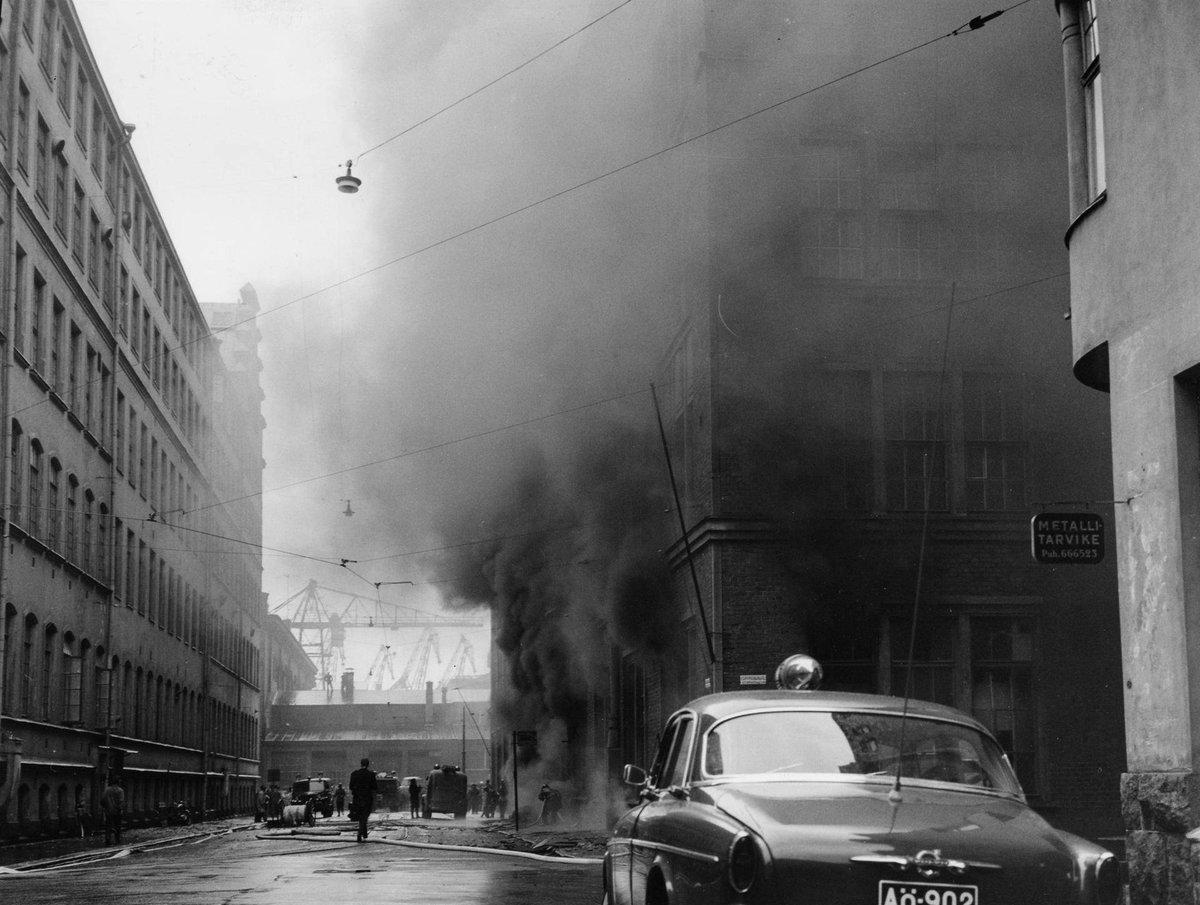
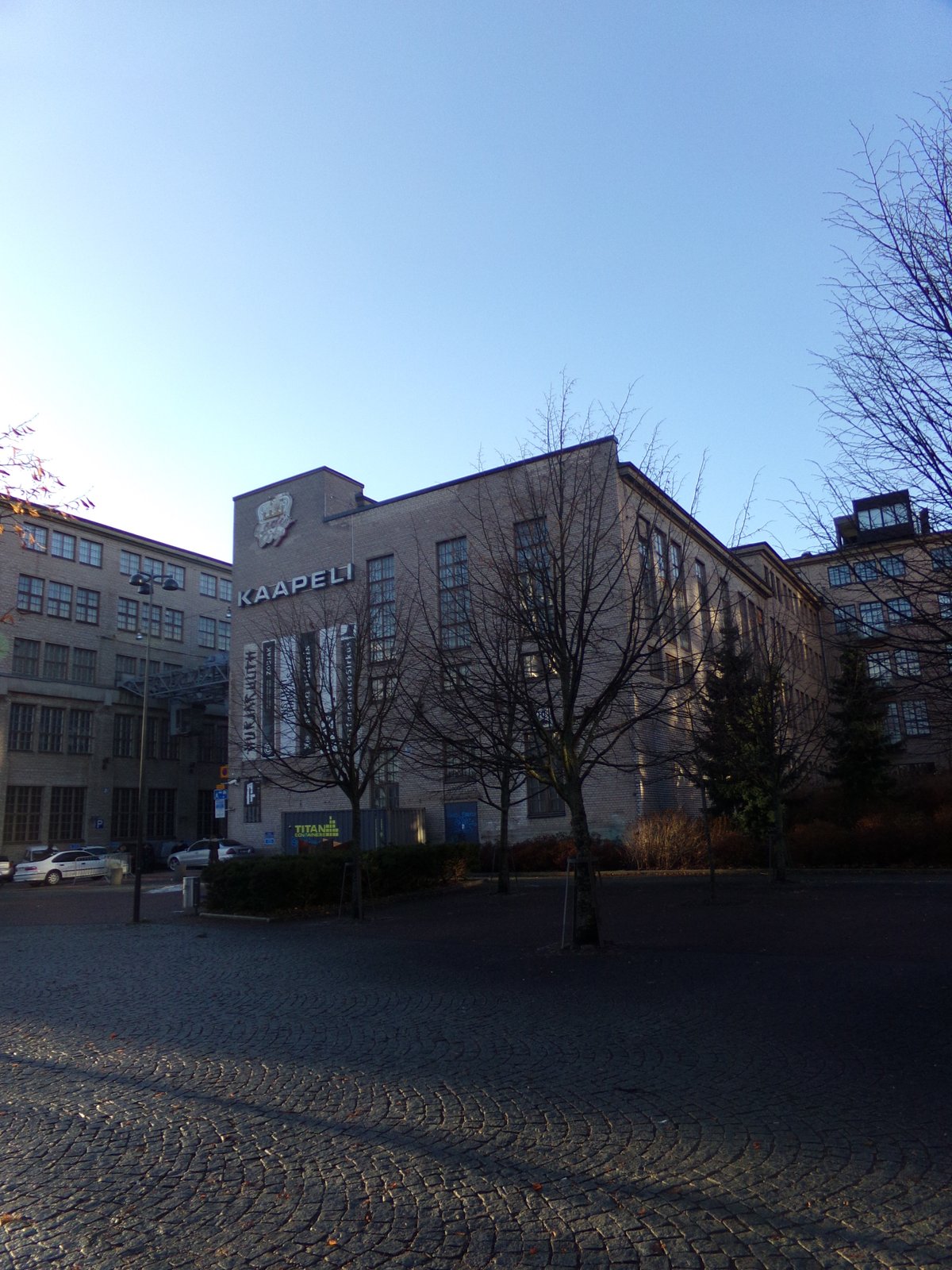
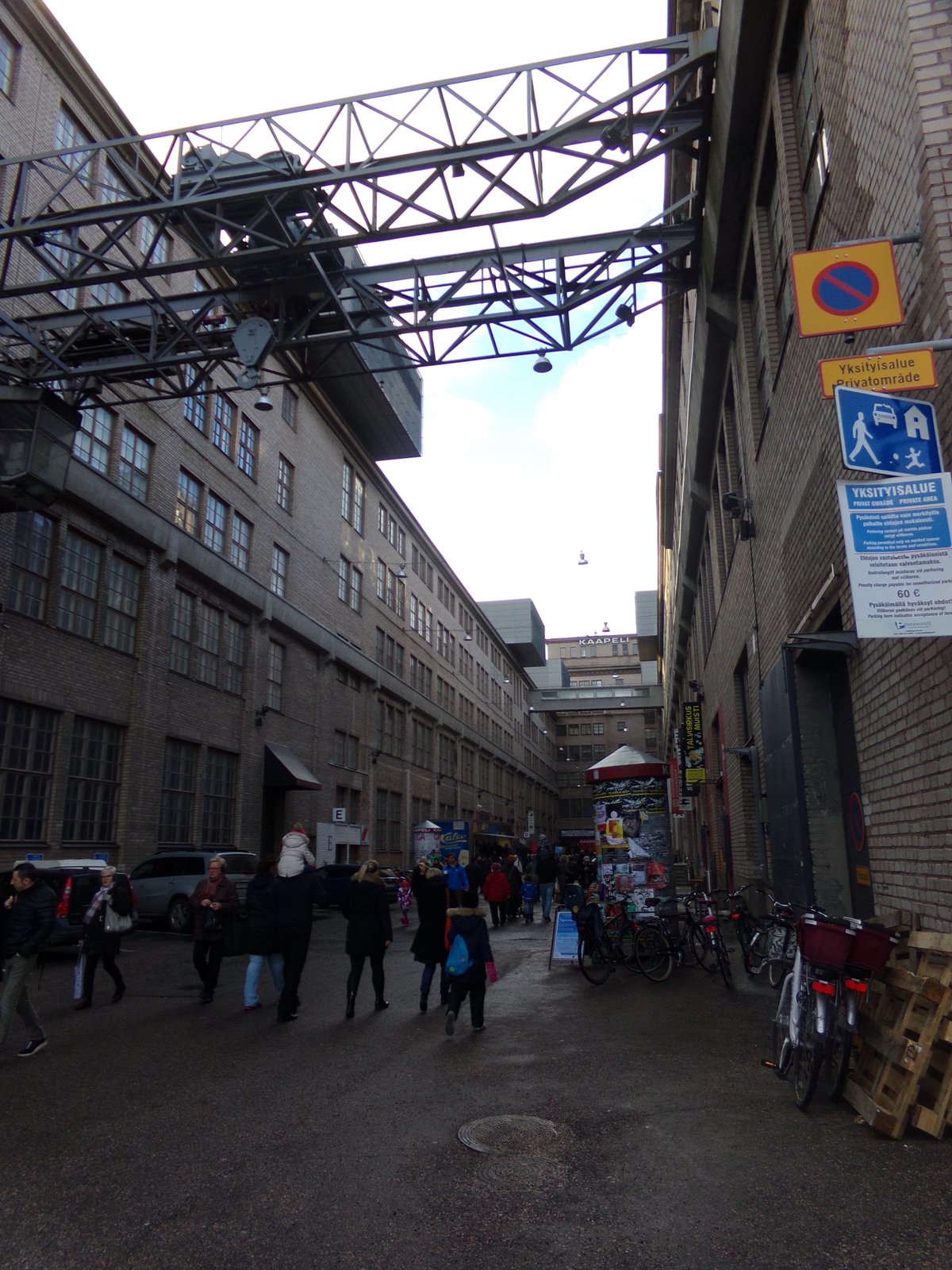
Origins and Construction
- Timeline: Construction began in 1939, completed in 1954.
- Original Purpose: Built for Suomen Kaapelitehdas Oy to meet Finland’s post-war demand for marine and industrial cables.
- Architectural Significance: The functionalist white brick façade became a Salmisaari landmark. The vast interiors offered flexible, open spaces (Kaapelitehdas History; Berloga Workshop).
Corporate Evolution and Technological Innovation
- Ownership: Suomen Kaapelitehdas Oy was acquired by Suomen Gummitehdas Oy (Finnish Rubber Works) in 1922, which later became part of the global Nokia Corporation in the 1960s (Kaapeli Story).
- Innovation: The factory was a hub for electronics and computer science, housing Finland’s first mainframe computers and playing a role in early mobile phone technology (Kaapelitehdas History).
Decline and Transformation
- Industrial Decline: By the 1980s, cable production waned. Nokia ended operations in 1990.
- Adaptive Reuse Movement: Artists and cultural groups repurposed the empty halls as studios, sparking the Pro Kaapeli movement and the City of Helsinki’s acquisition of the complex (ERIH).
- Cultural Heritage Status: Listed as a protected site in 1989, the Cable Factory became a city-owned cultural centre in 1991, managed by the financially independent KAAPELI company (Cultural Heritage in Action).
Expansion and Current Role
- Today: Kaapelitehdas spans 63,000 m², housing three museums, multiple galleries, over 130 studios, and the new Dance House Helsinki (Kaapelitehdas History).
- Financial Model: Operates mainly on tenant rents, a rare self-sustaining model in the Nordic region (TEH Cable Factory).
Visitor Information
Visiting Hours
- Main Complex: Open Tuesday–Sunday, typically 11:00–18:00. Closed Mondays and public holidays.
- Museums: Each museum maintains its own hours—most open 11:00–18:00, Tuesday–Sunday. Always confirm on the official website.
Tickets and Admission
- Cable Factory Grounds: Free entry.
- Museums: Tickets €8–€12 per adult, with discounts for students, seniors, and groups. Combined tickets may be available for multiple museums.
- Events: Fees vary by event; check event pages for details.
How to Get There
- Address: Kaapeliaukio 3, 00180 Helsinki, Finland.
- Public Transport: Easily accessible by Helsinki metro (Ruoholahti station, 5–10 min walk), tram lines 7 and 9, and various bus routes (Disobey.fi). Use HSL Journey Planner for optimal routes.
- Parking: Limited nearby; public transport is recommended.
Accessibility
- Wheelchair Access: Entrances, ramps, and elevators throughout. Some original industrial areas may have uneven floors—contact the info point for assistance.
- Service Animals: Permitted.
- Accessible Toilets: Available at several locations.
Onsite Facilities
- Info Point: Glass Courtyard (Lasipiha) for maps, guidance, and tickets.
- Food & Drink: Konttori Café, Restaurant Traba, and additional options in nearby Ruoholahti.
- Shops: Factory Shop for Finnish design products and souvenirs.
- Restrooms and Lockers: Conveniently located throughout the complex.
What to See and Do at the Cable Factory
Museums
- Finnish Museum of Photography: Finnish and international photography, rotating exhibitions.
- Theatre Museum: Finnish theatre history and interactive displays.
- Hotel and Restaurant Museum: Showcasing Finnish hospitality industry heritage.
Galleries and Studios
- Over 10 galleries, including MUU Helsinki Contemporary Art Centre.
- Open studios and art exhibitions—many are accessible to visitors during regular hours or special events.
Dance House Helsinki
A striking new venue adjacent to the main building, dedicated to contemporary dance performances, workshops, and festivals.
Events and Festivals
- Vegemessut: Nordic plant-based food fair.
- Helzinki Hardstyle Festival: Electronic music event.
- Art Fairs, Concerts, and Seminars: Year-round schedule—check the Kaapelitehdas Events Calendar for up-to-date listings.
Travel Tips and Nearby Attractions
- Other Helsinki Sites: Combine your visit with trips to Suomenlinna Sea Fortress, Temppeliaukio Church, and the Ateneum Art Museum.
- Ruoholahti Waterfront: Enjoy scenic walks and local dining.
- Accommodation: Holiday Inn Helsinki West Ruoholahti is the closest hotel; additional options are accessible by metro or tram.
Frequently Asked Questions (FAQ)
Q: What are the Cable Factory’s visiting hours?
A: Generally Tuesday to Sunday, 11:00–18:00; check individual museum and event times.
Q: How much do tickets cost?
A: Entry is free; museum tickets are €8–€12, with discounts available.
Q: How do I get there by public transport?
A: Metro to Ruoholahti station or tram lines 7 and 9 to Salmisaari or Ruoholahti.
Q: Is the Cable Factory wheelchair accessible?
A: Yes—most areas are accessible, with ramps and elevators provided.
Q: Are guided tours available?
A: Yes, by advance booking with museums or event organizers.
Q: Is there parking?
A: Limited; public transport is recommended.
Summary and Recommendations
The Cable Factory (Kaapelitehdas) is a model of adaptive reuse, blending Finland’s industrial heritage with a lively cultural present. Visitors can explore top-tier museums, discover contemporary galleries, attend festivals, and experience the unique atmosphere of a creative community. Its accessible location, robust visitor services, and dynamic programming make it a must-visit for anyone interested in Helsinki’s history and culture. Stay updated on exhibitions and events via the official website, and enhance your visit with the Audiala app.
Listen to the full story in the app
The whole Cable Factory,
told well.
Audio guides for 1,100+ cities across 96 countries. History, stories, and local insight — offline ready.
Verified, and shown.
Researched and written by the Audiala editorial team from historical records, architectural archives, and local expertise.
Researched from Wikidata, Wikipedia & official sources · fact-checked · How we make our guides →