Plan and listen to Battle Of Pellinki Memorial with Audiala.
Audio guide in your pocket, itinerary in your browser. Built for the way you actually visit.
Introduction to the Battle of Pellinki Memorial
Set amid the picturesque Pellinki (Pellinge) archipelago near Helsinki and also represented by a distinguished sculpture in the Kruununhaka district, the Battle of Pellinki Memorial stands as a poignant tribute to pivotal moments in Finnish history. This multifaceted landmark commemorates Finland’s enduring struggles for sovereignty, from the naval battles of the Finnish War (1808–1809), through World War II engagements, to the profound impact of the Finnish Civil War of 1918.
The memorials, spread across both the archipelago and Helsinki’s city center, honor the courage and sacrifices of soldiers and civilians alike. They invite visitors to reflect on Finland’s complex path to independence and unity, engaging with a narrative that bridges military valor, national resilience, and artistic expression.
This guide provides thorough historical context, practical visitor information—including visiting hours, accessibility, travel tips—and recommendations for exploring nearby attractions. Whether you’re a history enthusiast, a cultural traveler, or a local resident, this resource will help you plan a meaningful visit to one of Finland’s most significant historical commemorations. For authoritative details, consult resources such as HAM Helsinki, the Pellinki Village Website, and the Suomi.fi Service Portal.

Historical Background
The Finnish War and the Battle of Pellinki
The Battle of Pellinki Memorial primarily commemorates the fierce naval encounters in the Pellinki archipelago during the Finnish War (1808–1809). This conflict, fought between Sweden and Russia, dramatically altered Finland’s trajectory. After Sweden’s defeat and the Treaty of Fredrikshamn in 1809, Finland became an autonomous Grand Duchy under Russian rule, a status that preserved its legal and religious traditions and ultimately paved the way for its independence in 1917.
The archipelago’s strategic location near vital shipping lanes made it a focal point for naval maneuvering. Local Finnish militia, alongside Swedish and Russian forces, engaged in several critical skirmishes in these challenging waters. The Battle of Pellinki itself symbolizes the resilience and resourcefulness of defenders familiar with the area’s intricate geography (Swedish Finn Historical Society).
World War II Engagements
While the Battle of Pellinki is rooted in the Finnish War, the archipelago also played a significant role during World War II. The region was a key point in the Continuation War (1941–1944), where Finnish coastal defense units faced Soviet naval incursions. The successful defense of these islands contributed to safeguarding Helsinki and was emblematic of Finland’s broader struggle for survival during a period of existential threat.
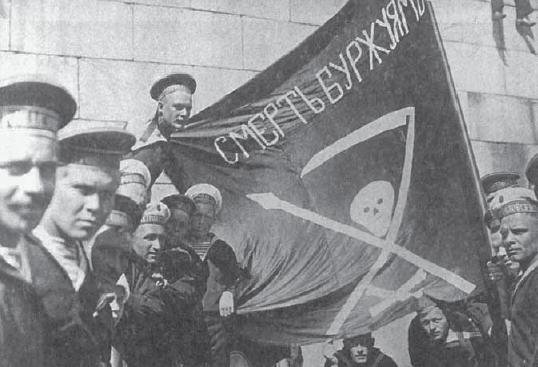
The Finnish Civil War and the 1918 Events
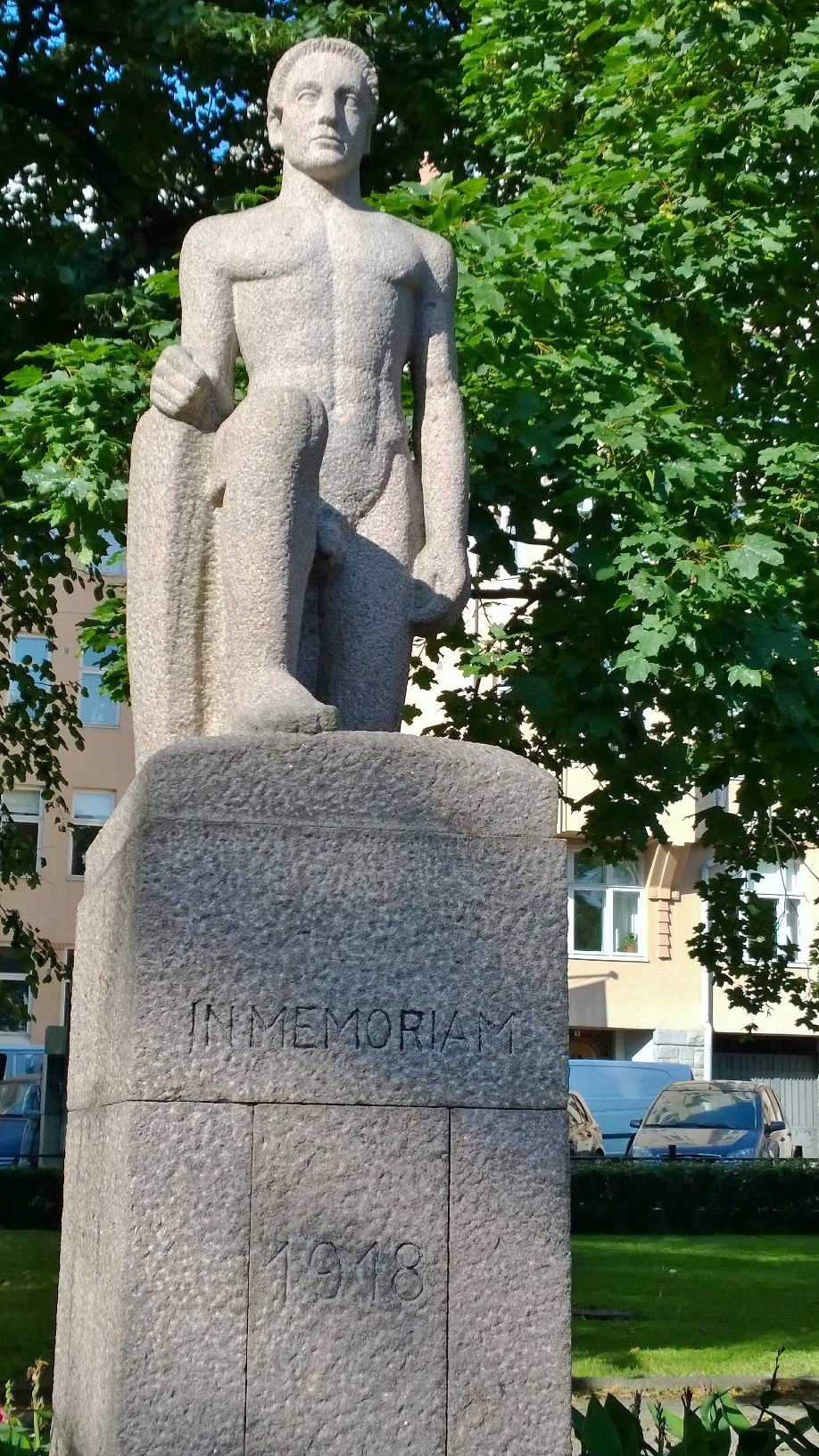
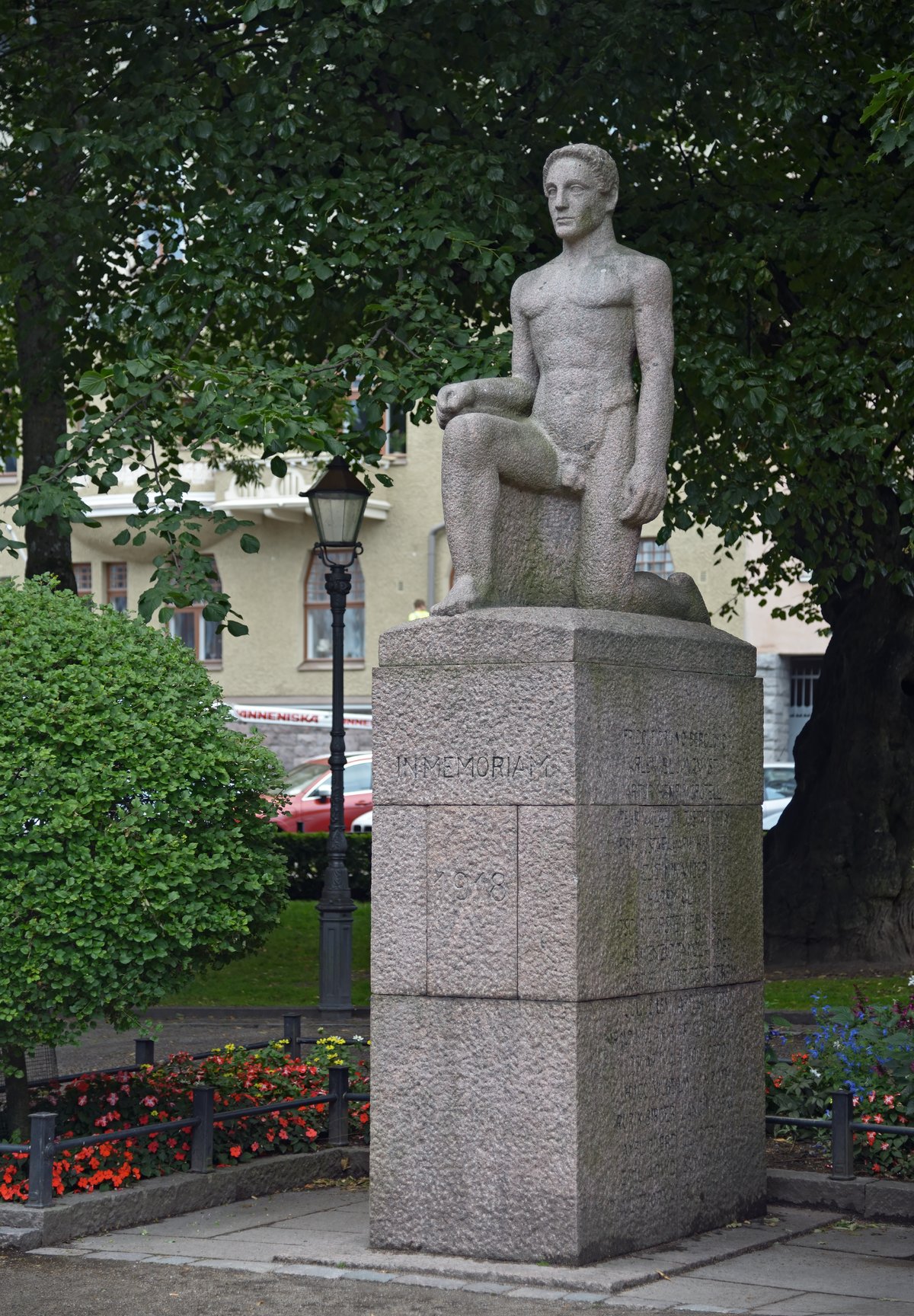
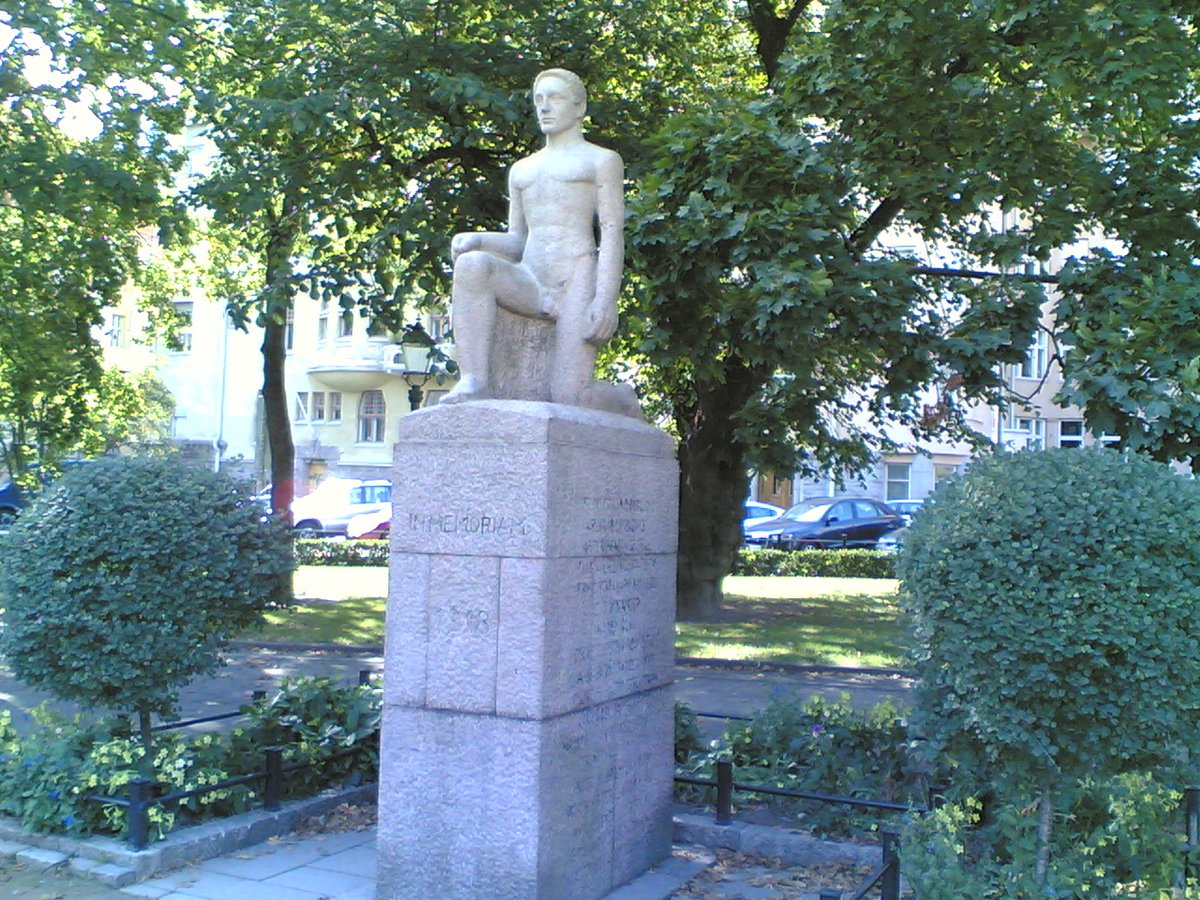
The Battle of Pellinki Memorial is also closely associated with the Finnish Civil War of 1918. The memorial in the Kruununhaka district of Helsinki commemorates the Whites who perished on the sea ice near Pellinki while fleeing the city. This conflict left deep scars on Finnish society, and the memorial serves as a site for collective remembrance and reflection on the costs of internal strife (HAM Helsinki).
The Memorial’s Symbolism and Design
Artistic and Architectural Features
The Battle of Pellinki Memorial comprises several sites. The best-known urban monument in Kruununhaka features a red granite sculpture, designed by sculptor Gunnar Finne and architect Armas Lindgren. The kneeling male figure, stylized in a form reminiscent of ancient Greek art, embodies both tribute and mourning. Granite, the chosen material, signifies endurance—mirroring the fortitude of those commemorated (HAM Helsinki).
In the Pellinki archipelago, the memorial is more understated, blending into the natural landscape and reinforcing the connection between the area’s rugged beauty and its historical significance. Trilingual information boards provide context, and the minimalist design invites contemplation.
Cultural and National Importance
The memorials serve as focal points for annual remembrance ceremonies and educational visits, fostering a sense of identity and continuity within both local and national contexts. They stand as reminders of resilience, unity, and the enduring quest for peace.
Visiting the Battle of Pellinki Memorial
Location and Access
Pellinki Archipelago Site:
Located approximately 50–52 km east of Helsinki. Access is via car (E18 highway toward Porvoo, then south to Pellinki), followed by a free ferry to the island. Public transport (bus plus ferry) is available but requires advance planning, especially in the off-season (Rome2Rio).
Kruununhaka Memorial (Helsinki):
Situated in Liisanpuistikko park, Kruununhaka, Helsinki (postal code 00170). Easily accessible by foot, tram, or bus from Helsinki’s city center.
Visiting Hours and Tickets
Both memorial sites are outdoors and open year-round, 24 hours a day. There are no entrance fees or ticket requirements. Visitors are welcome at any time, though daylight hours are recommended for safety and optimal viewing.
Accessibility
- Pellinki Site: Pathways are mostly flat but can be uneven; wheelchair access is possible with assistance, especially after rain. Benches are available for rest.
- Kruununhaka Memorial: The park is generally accessible, though some surfaces may be uneven.
- Public Facilities: Restrooms are available in Pellinki village and near Helsinki’s city center; none on-site at the memorials.
Facilities and Amenities
- Information Boards: Trilingual (Finnish, Swedish, English) historical context.
- Seating: Benches at both sites.
- Shops & Cafés: Pellinki village and nearby areas in Helsinki offer refreshments and services.
Travel Tips
- Best Time to Visit: Late spring to early autumn (May–September) for favorable weather and regular ferry service.
- What to Bring: Weather-appropriate clothing, sturdy footwear, water, snacks, and a camera.
- Etiquette: Maintain respectful conduct; keep noise minimal, do not climb on monuments, and remove all litter.
- Photography: Permitted and encouraged, especially during sunrise or sunset for optimal lighting.
- Safety: Supervise children near water and ferry areas. Follow local environmental guidelines to protect the sensitive archipelago ecosystem.
Nearby Historical Sites and Attractions
- Porvoo Old Town: Medieval architecture and riverside warehouses.
- Porvoo Cathedral: Historic landmark, site of the 1809 Treaty of Porvoo signing.
- Iso Linnamäki Fortress Hill: Ancient defensive site.
- Helsinki Cathedral & National Museum: Accessible from Kruununhaka, offering broader insights into Finnish history.
For further travel, see the Porvoo tourism website.
Preservation, Education, and Community Engagement
The memorials are maintained by local authorities and historical societies. Educational programs, commemorative ceremonies (especially in May and on Independence Day), and community engagement initiatives ensure these sites remain relevant and accessible to all generations (HAM Helsinki).
Frequently Asked Questions (FAQ)
Q: What are the Battle of Pellinki Memorial visiting hours?
A: Both sites are open year-round, 24 hours a day.
Q: Is there an entrance fee or ticket required?
A: No, admission is free.
Q: How do I get to the memorial from Helsinki?
A: For the archipelago site, drive or take a bus to Porvoo, then continue by ferry to Pellinki. For the Kruununhaka memorial, walk or take public transport from the city center.
Q: Is parking available?
A: Yes, free parking is available near the Pellinki ferry terminal and on the island.
Q: Is the site accessible for visitors with mobility challenges?
A: Yes, with some assistance recommended for the archipelago site after rain.
Q: Are there guided tours?
A: Guided tours are occasionally organized by local historical societies; check Pellinki Village Website for updates.
Listen to the full story in the app
The whole Battle Of Pellinki Memorial,
told well.
Audio guides for 1,100+ cities across 96 countries. History, stories, and local insight — offline ready.
Verified, and shown.
Researched and written by the Audiala editorial team from historical records, architectural archives, and local expertise.
Researched from Wikidata, Wikipedia & official sources · fact-checked · How we make our guides →