Plan and listen to Baana with Audiala.
Audio guide in your pocket, itinerary in your browser. Built for the way you actually visit.
Introduction to Baana in Helsinki
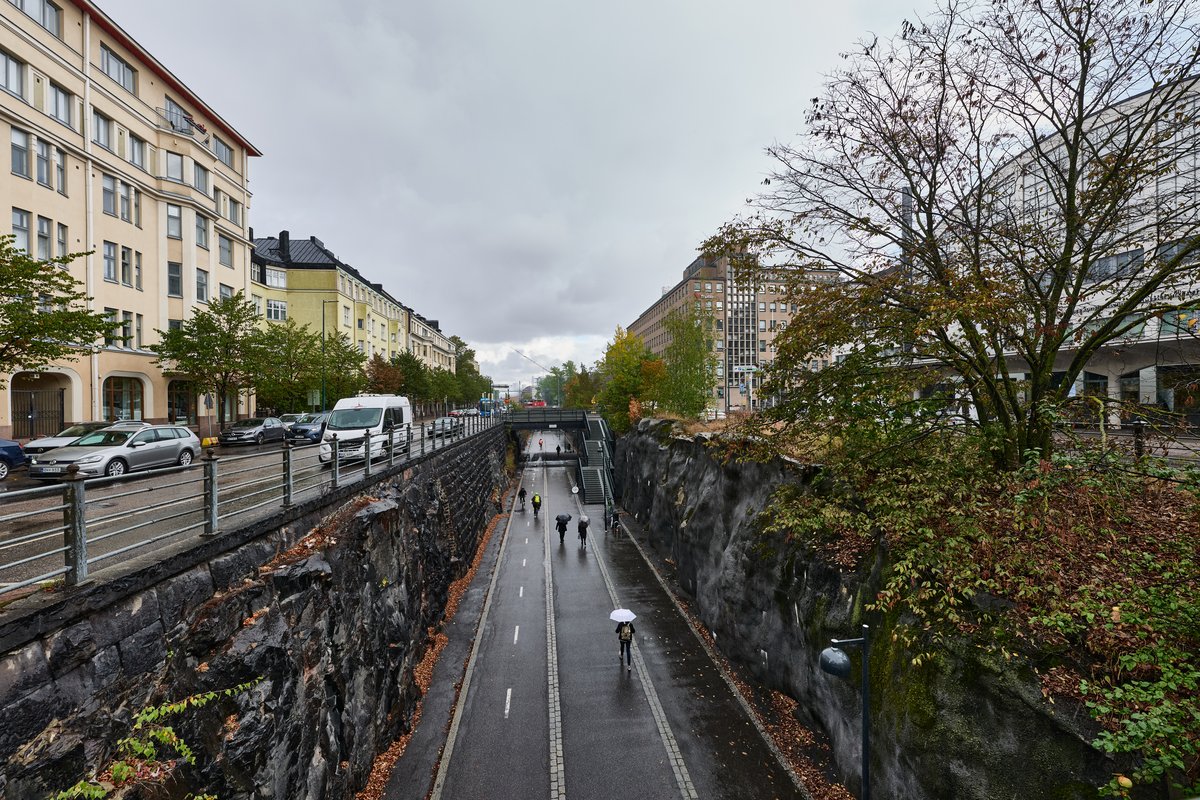
Baana is a visionary example of Helsinki’s commitment to sustainable urban development, repurposing a historic railway corridor into a thriving pedestrian and cycling artery. Officially opened on June 12, 2012, Baana stretches approximately 1.3–1.5 kilometers through the heart of the city, connecting the Helsinki Central Railway Station area to Ruoholahti. Its innovative design, blending industrial heritage with vibrant green spaces and modern amenities, has made it a model for urban regeneration and active mobility worldwide (Nordregio; More Than Green; Stadissa.fi; MyHelsinki; hel.fi).
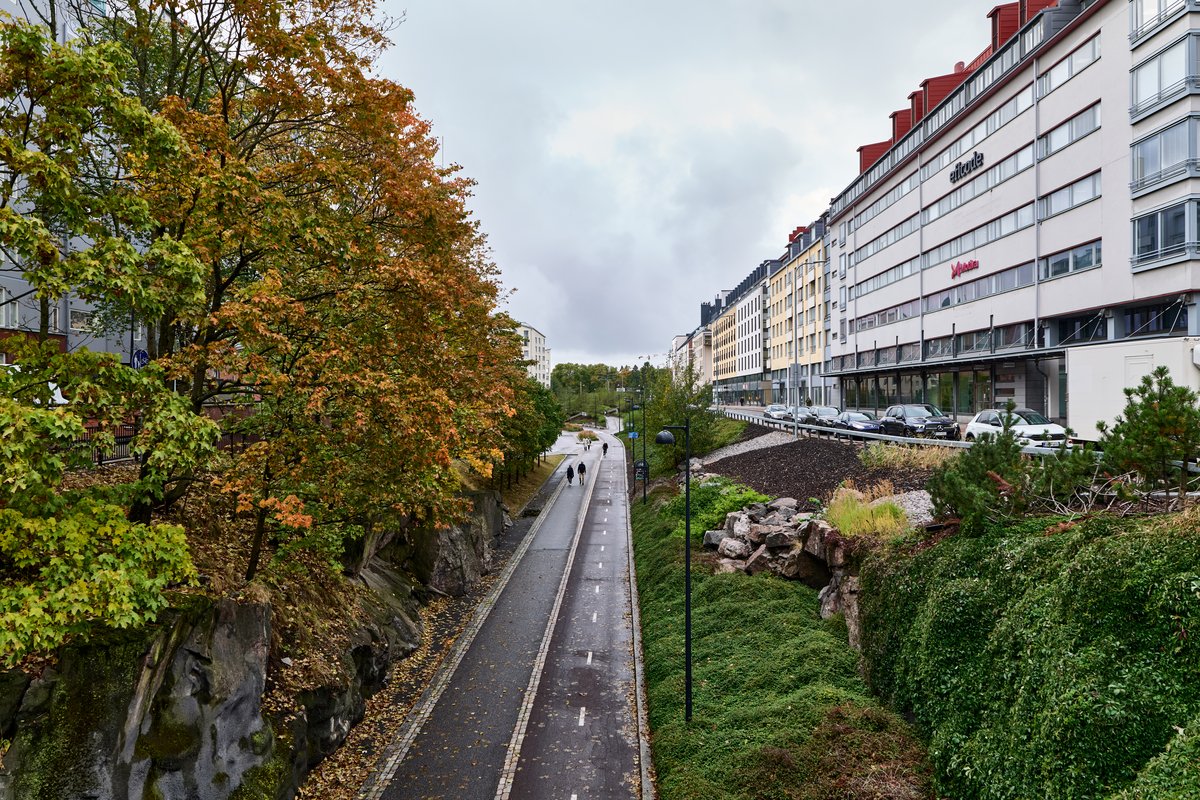
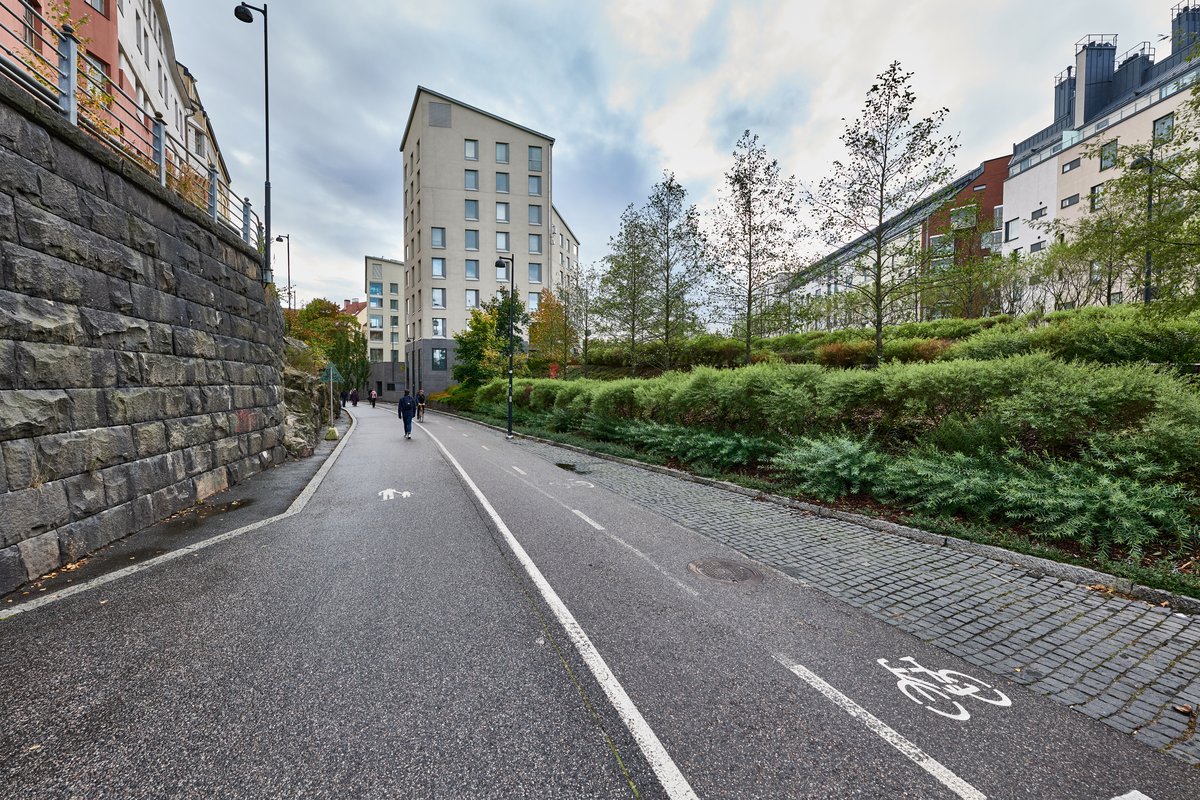
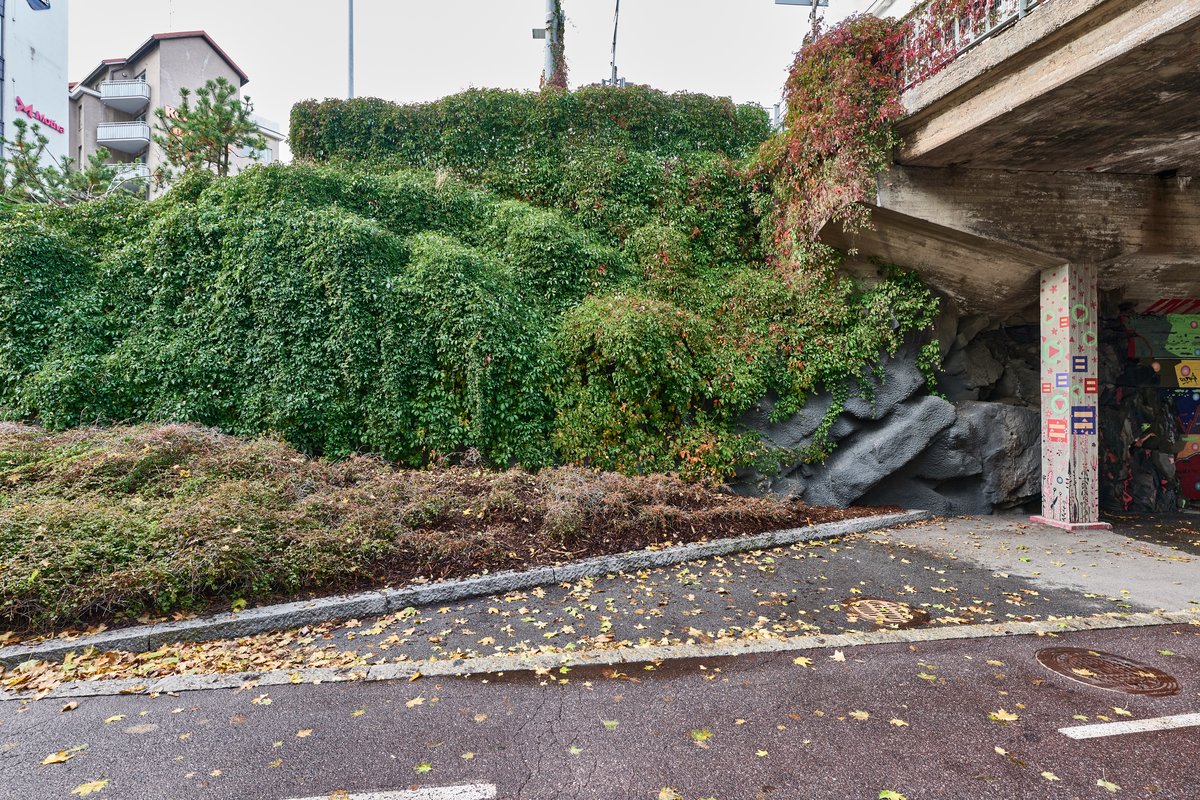
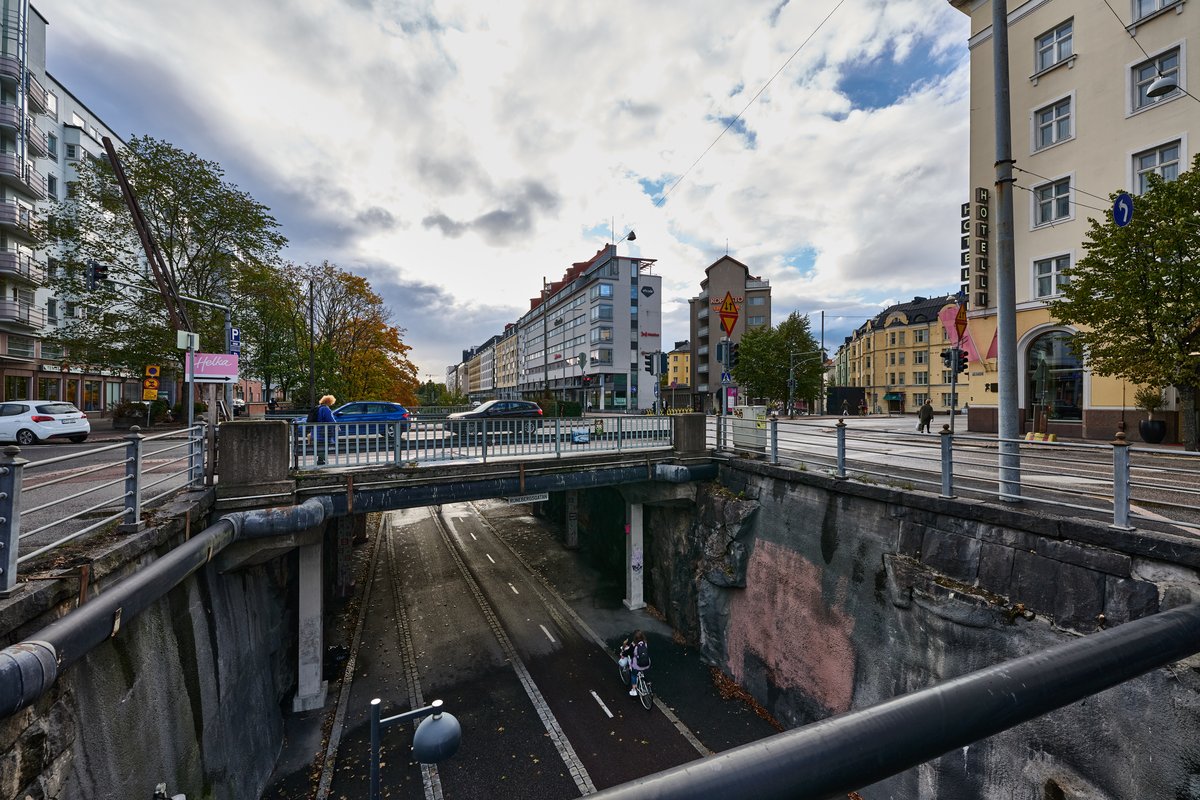
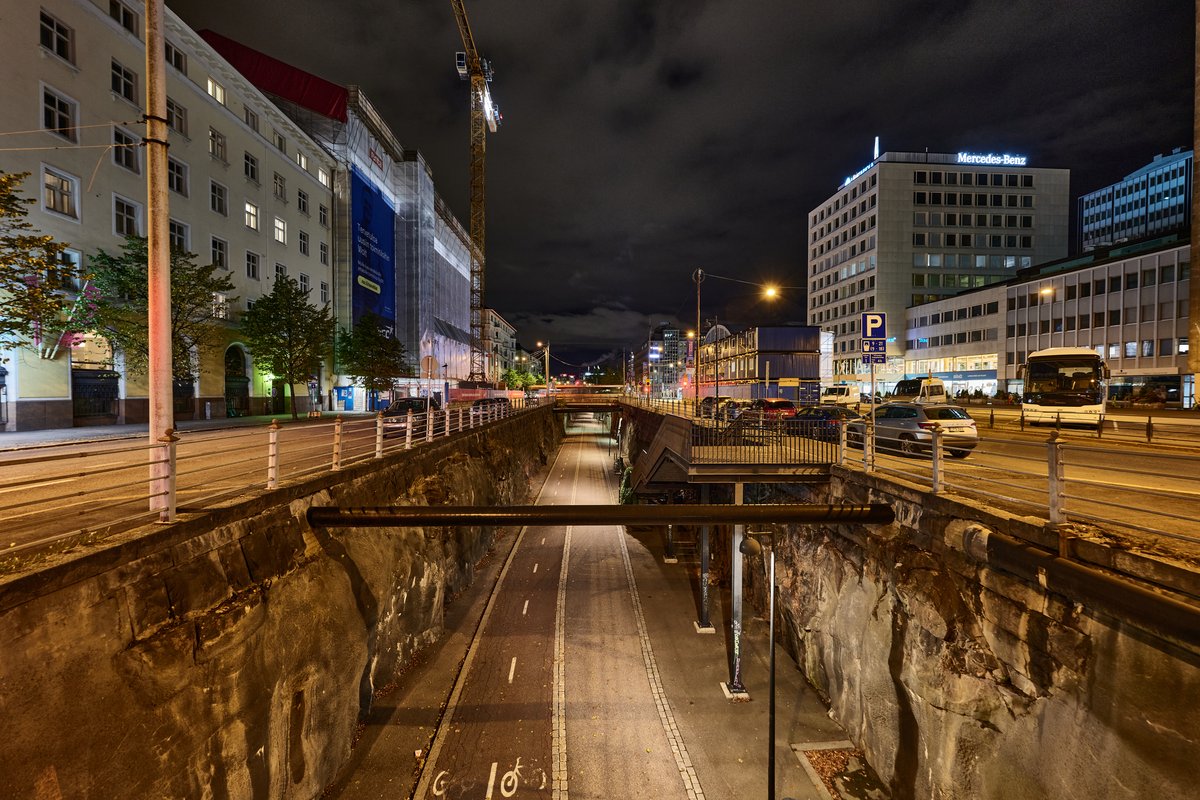
Baana’s sunken route, sheltered by original stone walls, offers a car-free, accessible, and culturally rich experience year-round. Its transformation has reconnected neighborhoods, enhanced sustainable transport, and fostered a lively public realm, making it an essential destination for both locals and visitors interested in Helsinki’s history, urban culture, and green city living.

Historical Background and Transformation
Origins as a Railway Corridor
Baana’s roots trace back to 1894, when a deep railway cutting was constructed to connect Helsinki’s cargo port with the central railway station. For over a century, this trench served as a vital freight artery but also created a physical divide within the city. Its sunken nature and limited accessibility reinforced a barrier between adjacent neighborhoods (Nordregio; More Than Green).
Decline and Adaptive Reuse
With the relocation of Helsinki’s cargo port in 2008, the railway corridor became obsolete. Rather than covering the trench—a costly and technically challenging solution—the city recognized an opportunity for creative, community-centered reuse. The transformation process, begun in 2003, involved participatory planning with residents, students, and municipal experts, emphasizing both historical preservation and modern urban needs (More Than Green).
Community-Driven Development
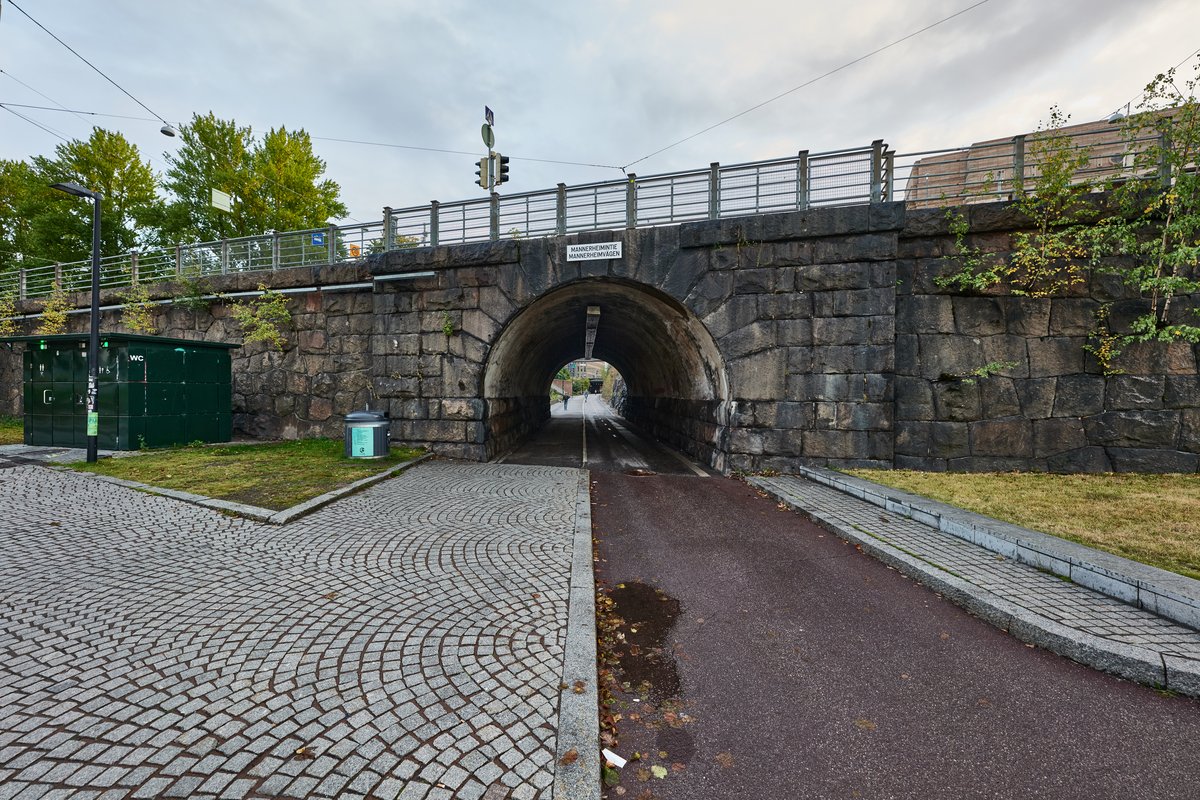
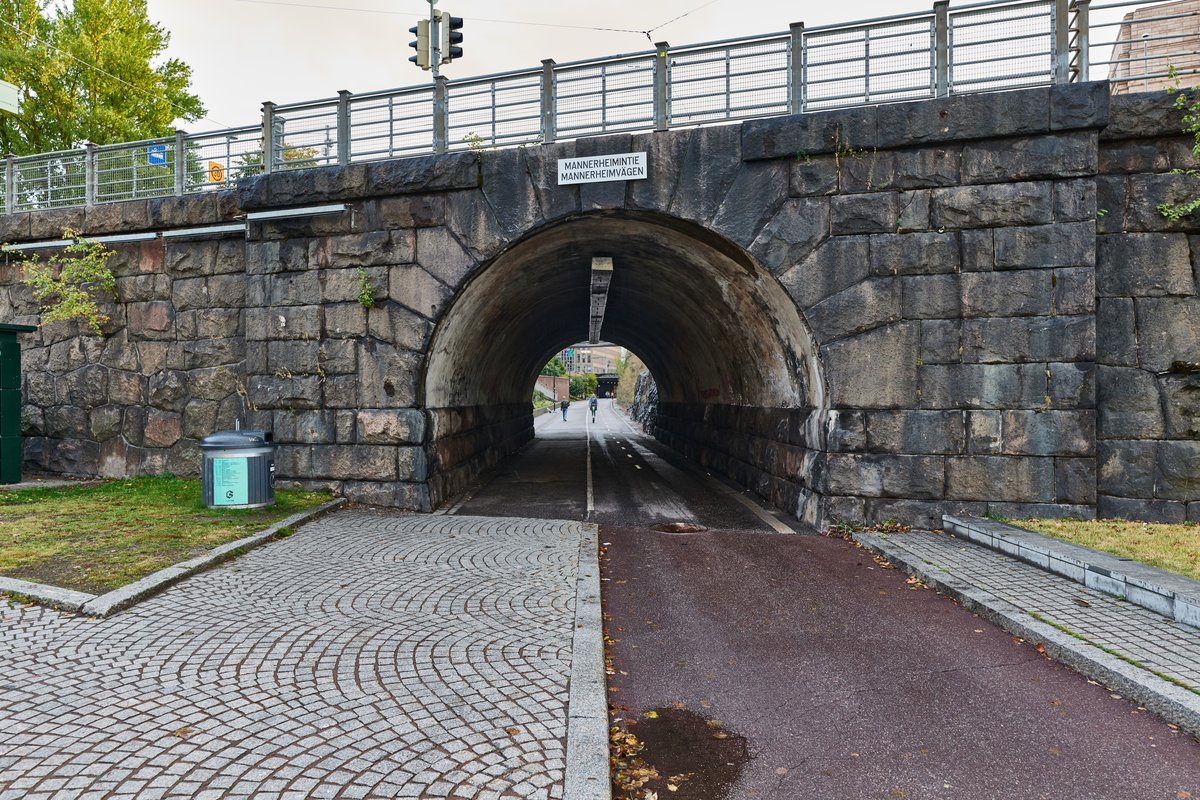
The final design retained much of the original corridor’s industrial character, incorporating stone walls, bridges, and unique spatial qualities. Modest but thoughtful interventions introduced wide cycling and pedestrian lanes, landscaping, public art, and recreational facilities. This approach ensured Baana became both a tribute to Helsinki’s past and a dynamic component of its future (Nordregio).
Baana Today: Route, Features, and Facilities
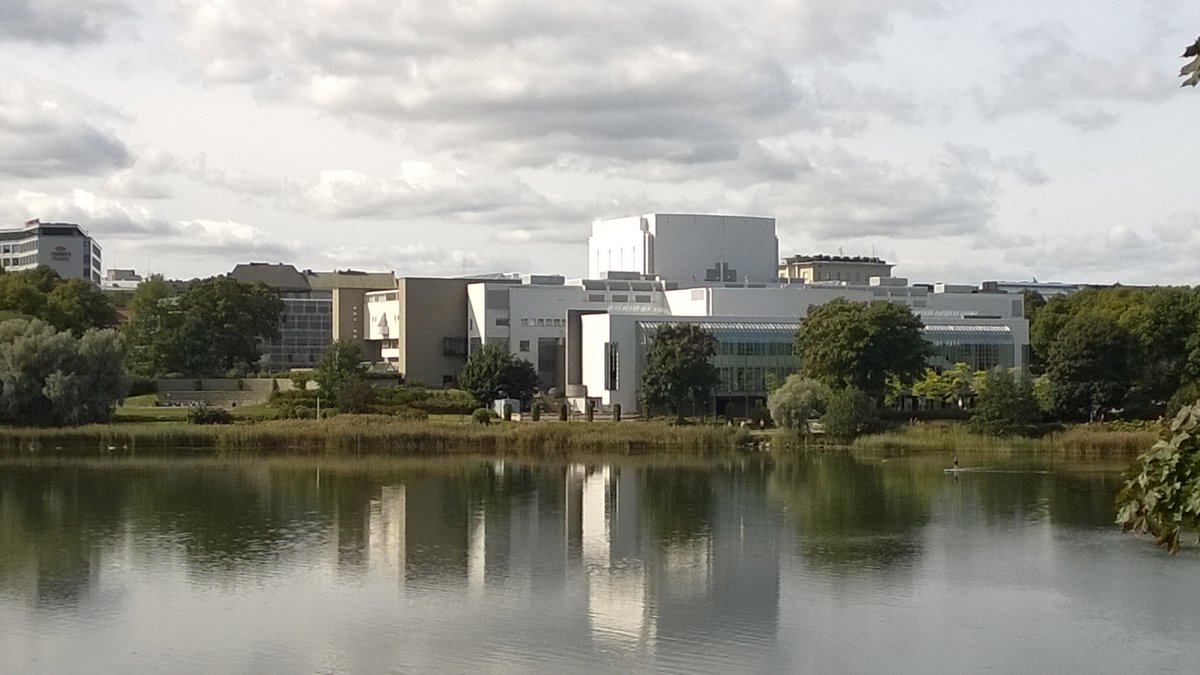
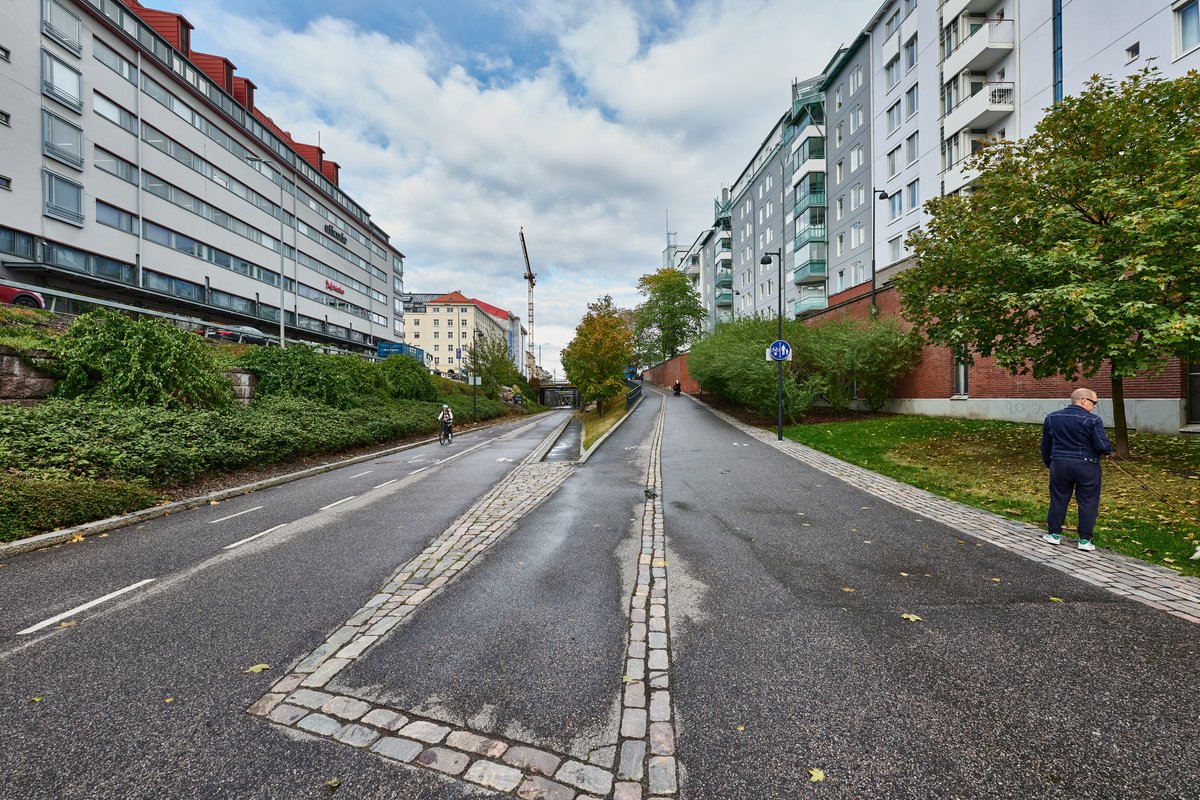
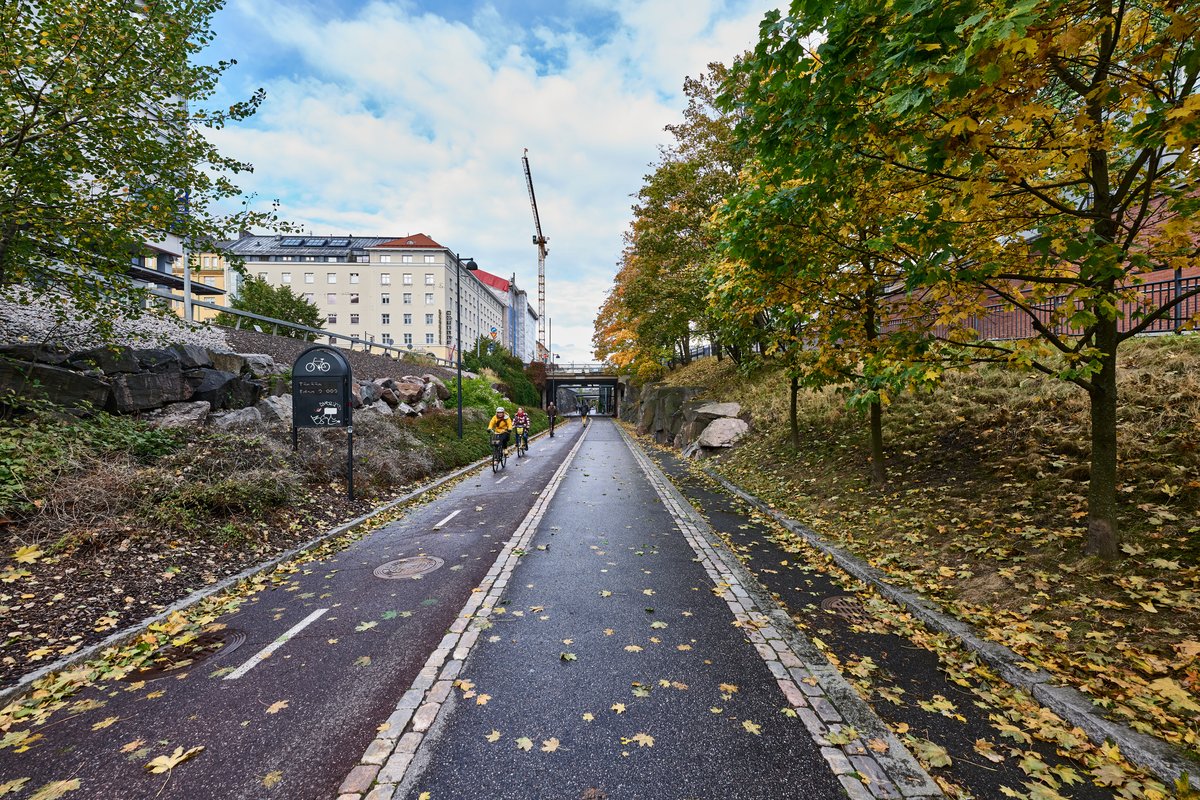
Baana runs from Kansalaistori (Citizen’s Square) beside the Helsinki Music Centre and Kiasma Museum of Contemporary Art, westward to Länsilinkki near Ruoholahti. Its average depth is about 7 meters, providing a unique, sheltered environment separate from city traffic. Since 2024, Baana links directly to the new Kaisantunneli, connecting the corridor seamlessly with cycling routes toward Kaisaniemi Park and Helsinki’s eastern districts (fi.wikipedia; hel.fi; MyHelsinki).
Baana is the backbone of Helsinki’s larger Baanaverkko cycling network, which continues to expand with new branches such as Northern Baana and Viikin Baana, aiming for comprehensive citywide connectivity (hel.fi).
Key Features and Art
Baana is more than a transport route. Visitors enjoy:
- Separated Cycling and Pedestrian Lanes: Wide, clearly marked paths ensure safety and comfort for all users (Wikipedia).
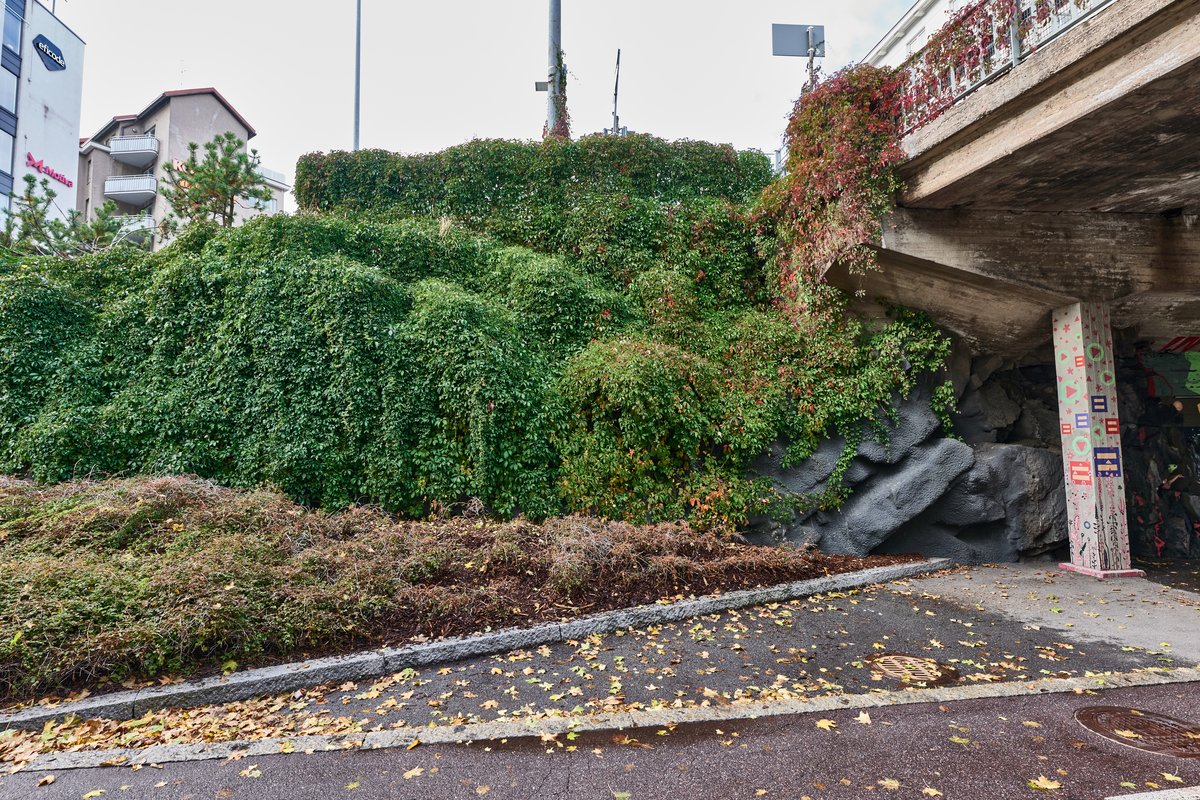
- Art and Urban Design: Frequent murals, street art, and installations create a vibrant, ever-changing visual experience (MyHelsinki).
- Recreational Facilities: Basketball courts, table tennis tables, pétanque pitches, and a skateboarding area encourage lingering and socializing (Stadissa.fi).
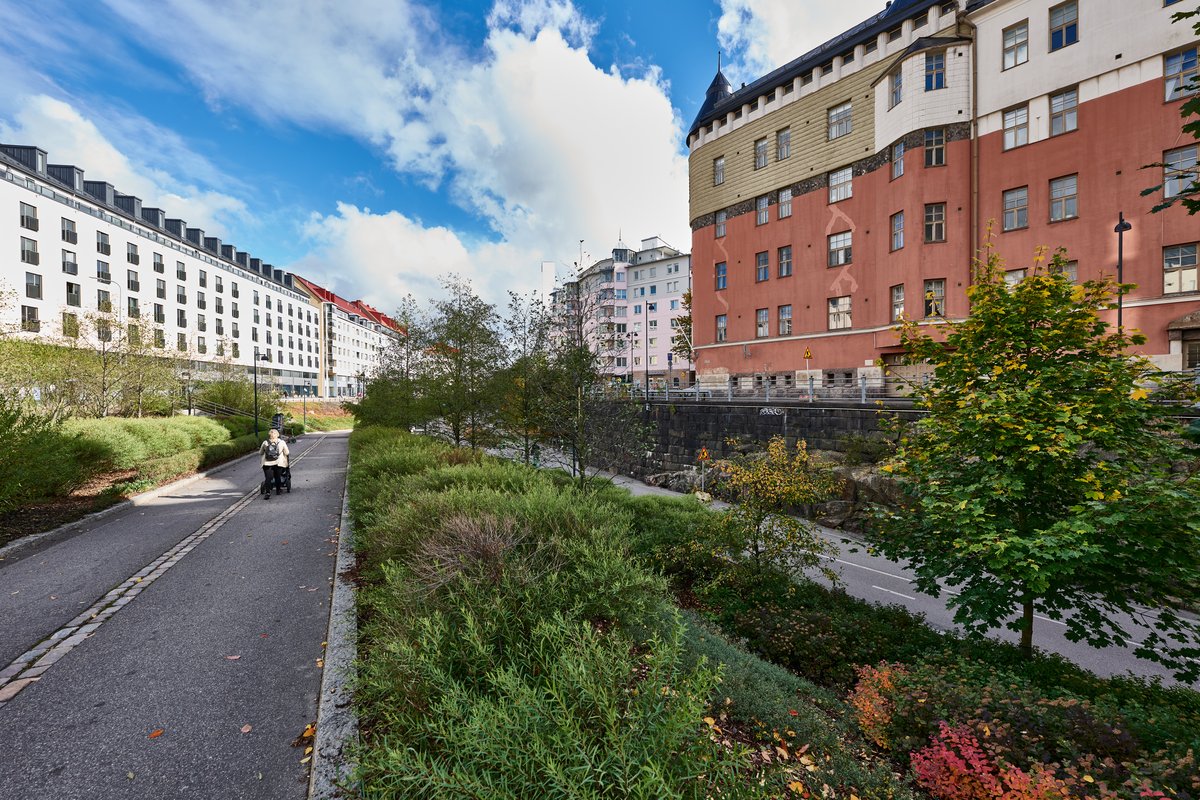
- Greenery: Nearly 180 trees, thousands of shrubs, and perennials line the route, enhancing biodiversity and providing urban cooling.
- Real-Time Usage Data: A digital bike counter showcases daily and annual cyclist volumes, highlighting Baana’s popularity and supporting city mobility planning (Wikipedia).
Accessibility and Safety
- Universal Accessibility: Sloped exits and smooth surfaces make the corridor suitable for wheelchairs, strollers, and adaptive cycles.
- Lighting and Surveillance: Comprehensive lighting and routine patrols ensure safety at all hours.
- Signage: Multilingual and tactile signs assist navigation for all visitors.
Visiting Baana: Hours, Access, and Visitor Tips
Opening Hours and Cost
Baana is open 24 hours a day, 365 days a year. There are no entry fees or tickets required—access is free for everyone (hel.fi).
Getting There and Public Transport
Baana is centrally located and easily accessible:
- Tram Stops: Kansalaistori and Kamppi serve the eastern and central sections.
- Metro Stations: Kamppi and Ruoholahti offer quick connections to both corridor ends.
- Bus Routes: Multiple lines stop near Baana’s access points.
- Bike Access: The entire corridor is designed for easy entry and exit by bike (MyHelsinki).
Bike Rentals and Amenities
- City Bikes: Helsinki City Bikes operate April–October with docking stations near all major Baana access points (Helsinki City Bike).
- Private Rentals: Shops such as Bicyclean and Breakaway provide various bike options (MyHelsinki).
- Rest Areas and Toilets: Benches, picnic tables, and modern public toilets are available along the route (hel.fi).
- Bike Repair Stations: Self-service repair tools and pumps are situated at intervals for convenience.
Visitor Tips
- Cycling Etiquette: Use bells at blind corners, signal when overtaking, and thank others for yielding.
- Safety: Wear a helmet (recommended), and use lights after dark as required by Finnish law.
- Weather: Dress in layers; Helsinki’s weather can shift quickly.
- Events: Check Events Helsinki for pop-up activities, art installations, and community gatherings.
Baana Network 2025: Future Expansion
Network Integration and Expansion Goals
The Baana Network 2025 is a citywide plan to extend high-quality cycling and pedestrian routes to over 20 kilometers, linking key neighborhoods such as Pasila, Kalasatama, Lauttasaari, and Jätkäsaari. The network will integrate seamlessly with Helsinki’s public transport, connecting metro, tram, and commuter rail stations (hel.fi).
Smart and Green Infrastructure
- Smart Technology: Digital wayfinding, real-time information, and integrated lighting enhance user experience.
- Environmental Design: Extensive landscaping, stormwater management, and biodiversity initiatives support Helsinki’s climate goals.
Baana’s Urban, Social, and Environmental Impact
Baana exemplifies participatory urban planning and adaptive reuse. Its transformation has:
- Reconnected Communities: Eliminated a physical barrier, improving access between central and western Helsinki.
- Supported Active Mobility: Significantly increased cycling and pedestrian traffic, with up to 1 million cycling trips annually (fi.wikipedia).
- Boosted Urban Quality of Life: Created a lively, safe, and attractive “urban living room” for recreation, events, and socializing.
- Advanced Sustainability: Reduced emissions, enhanced urban cooling, and promoted biodiversity.
- Inspired Global Innovation: Baana’s model has attracted international attention as a template for sustainable urban regeneration (Nordregio).
Frequently Asked Questions (FAQ)
What are Baana’s opening hours?
Baana is open 24/7, year-round, and free to access.
Is Baana wheelchair and stroller accessible?
Yes, the corridor features sloped exits and smooth surfaces for universal accessibility.
Are bikes allowed, and can I rent one nearby?
Yes, separate cycling lanes are provided. City bikes and private rentals are available at all major access points.
Are pets permitted?
Yes, but pets should be on a leash, and owners must clean up after them.
Are there public toilets and rest areas?
Yes, modern, accessible facilities are available along the route (hel.fi).
Listen to the full story in the app
The whole Baana,
told well.
Audio guides for 1,100+ cities across 96 countries. History, stories, and local insight — offline ready.
Verified, and shown.
Researched and written by the Audiala editorial team from historical records, architectural archives, and local expertise.
Researched from Wikidata, Wikipedia & official sources · fact-checked · How we make our guides →