
Imperial Era and Construction
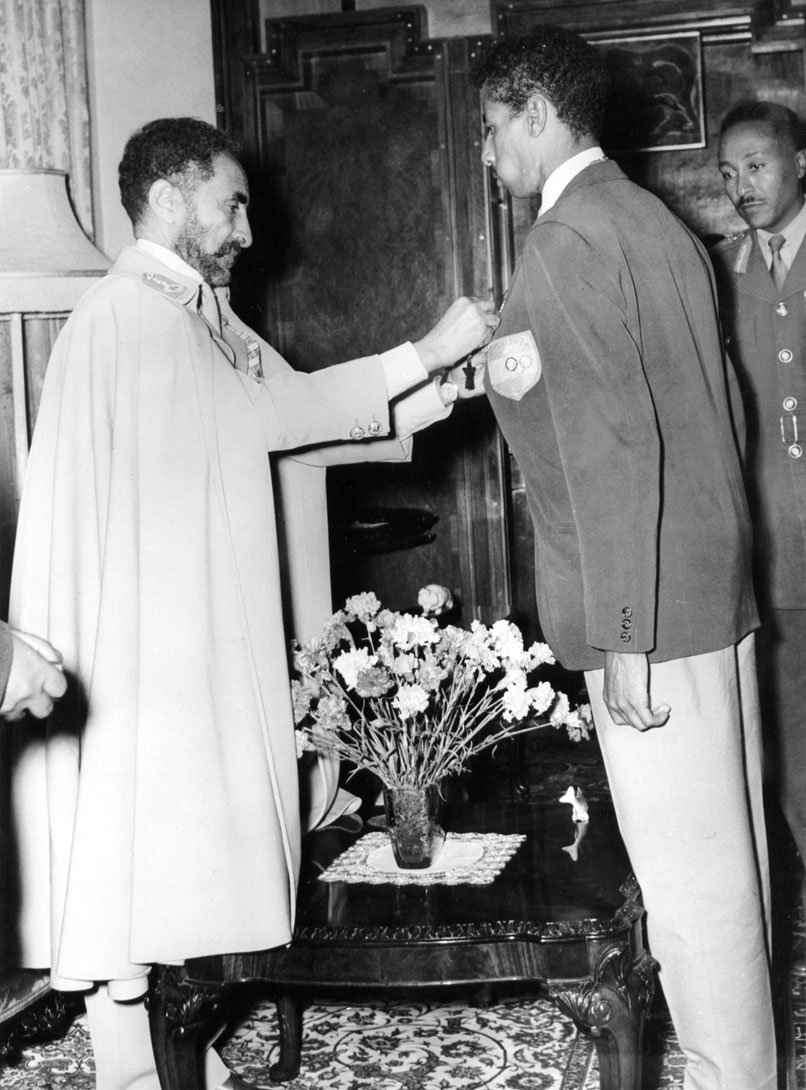
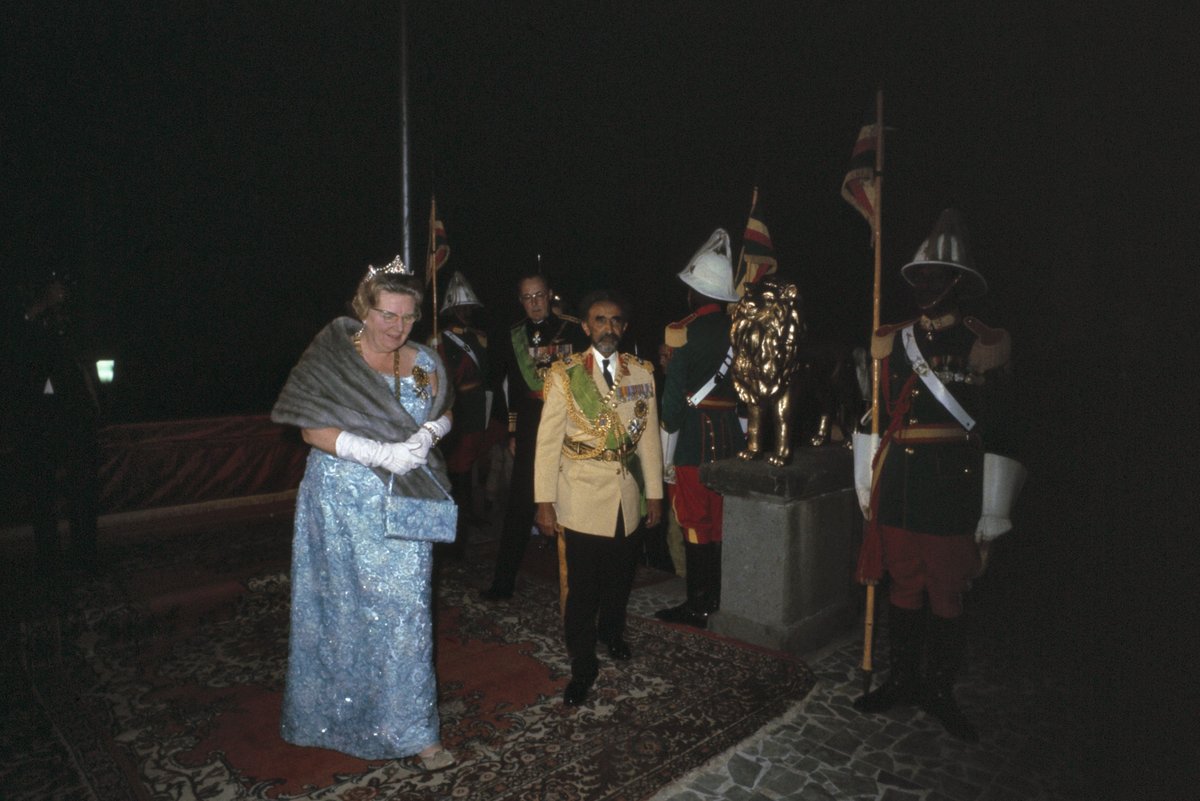
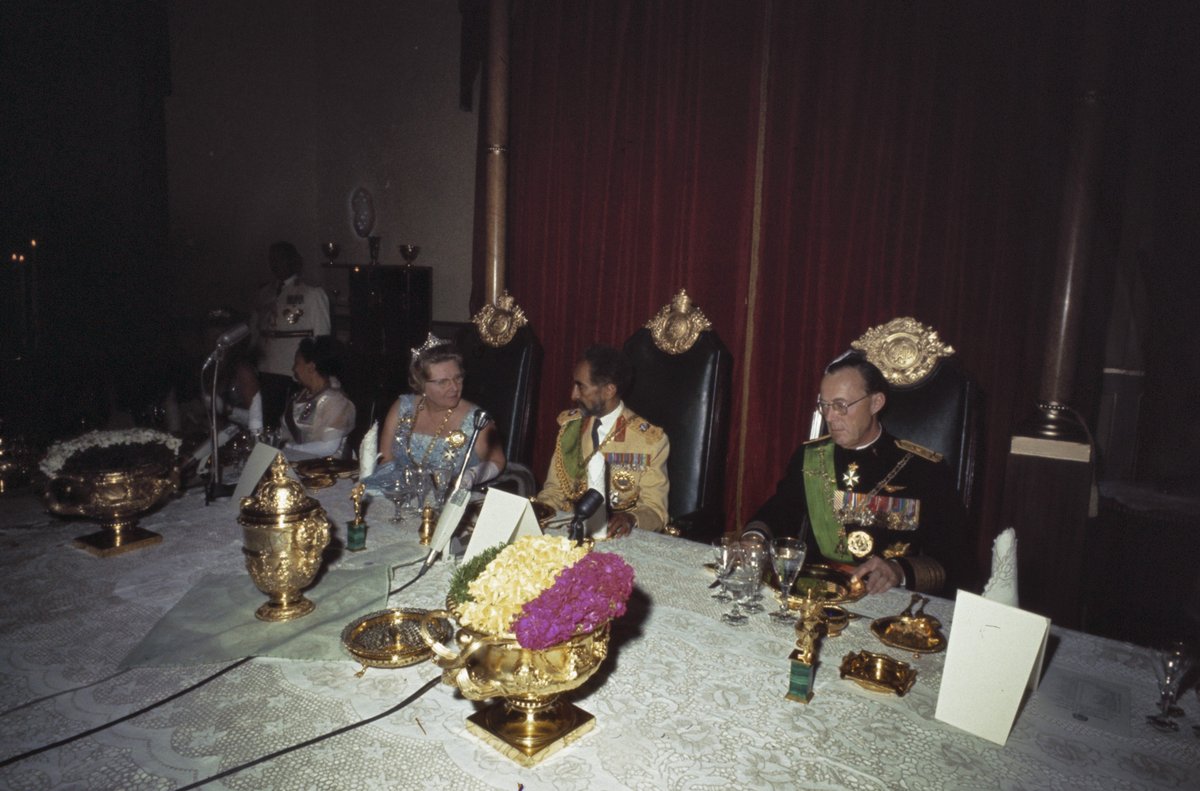
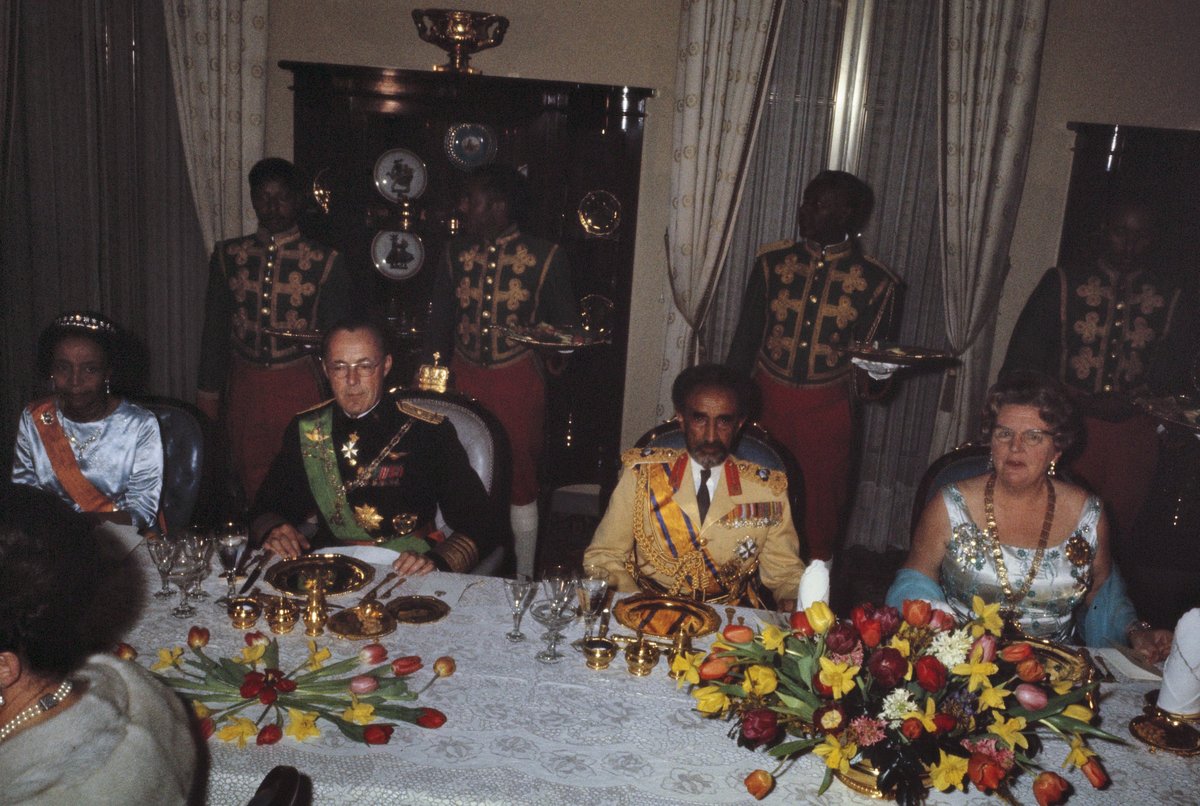
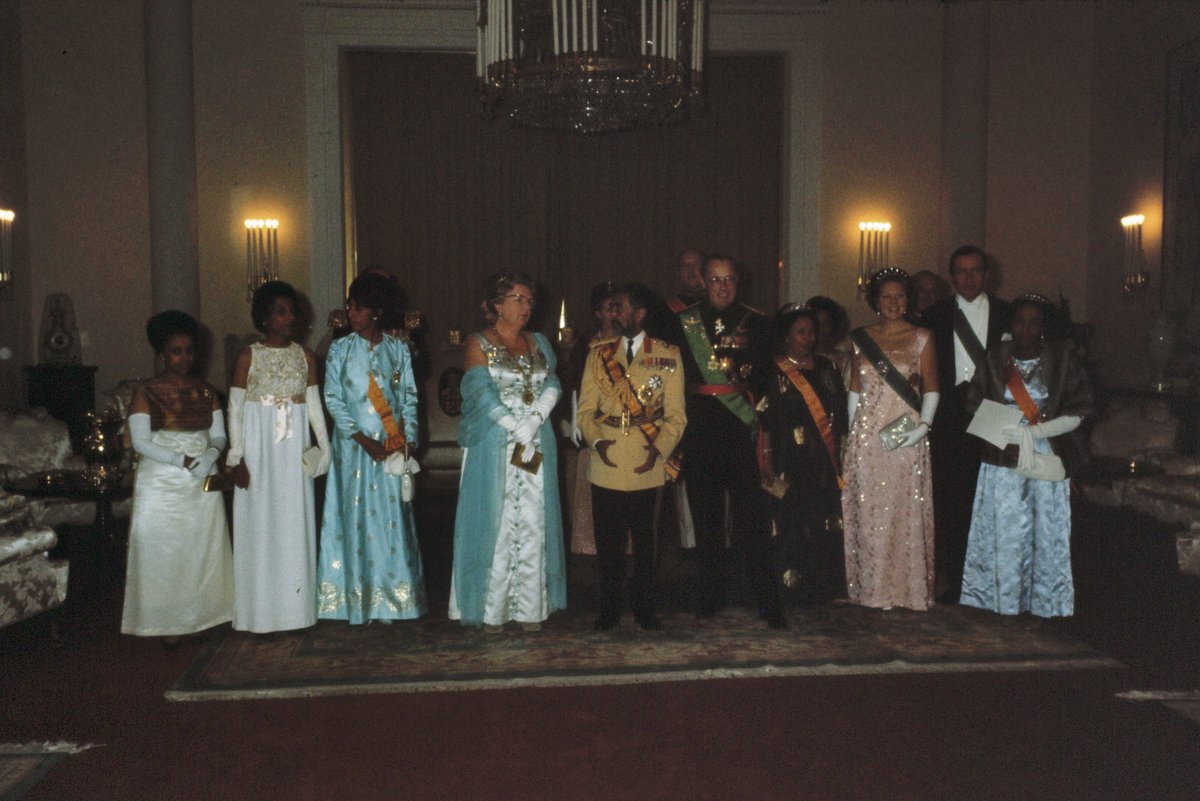
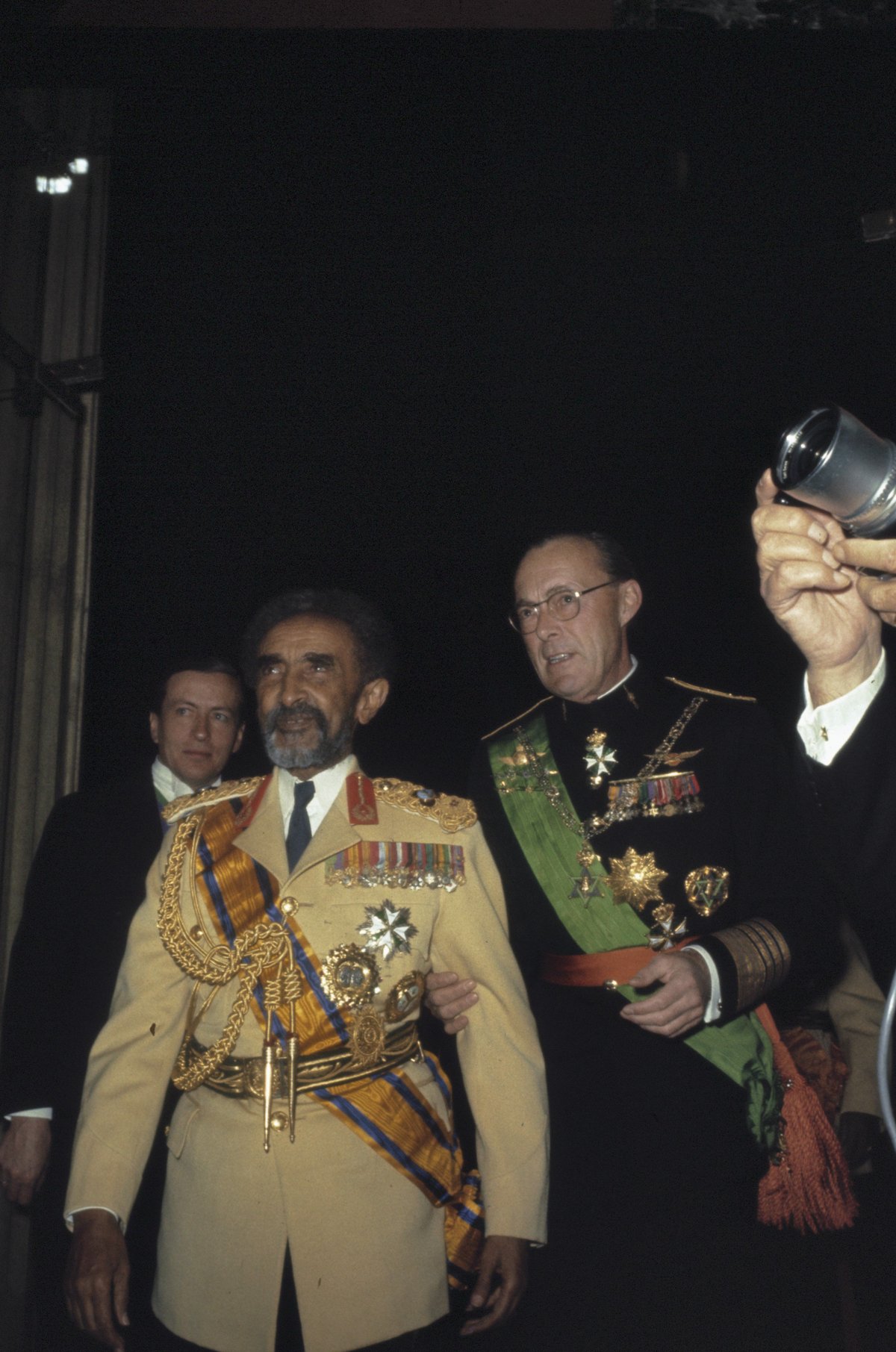
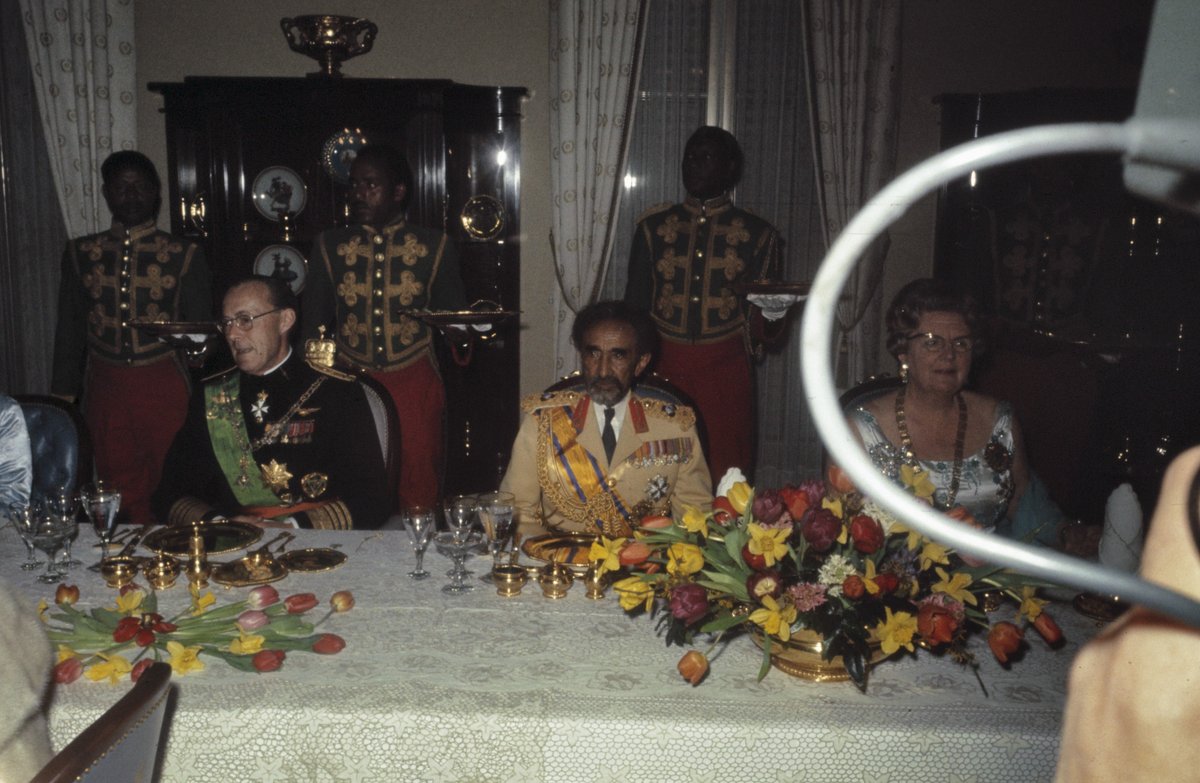
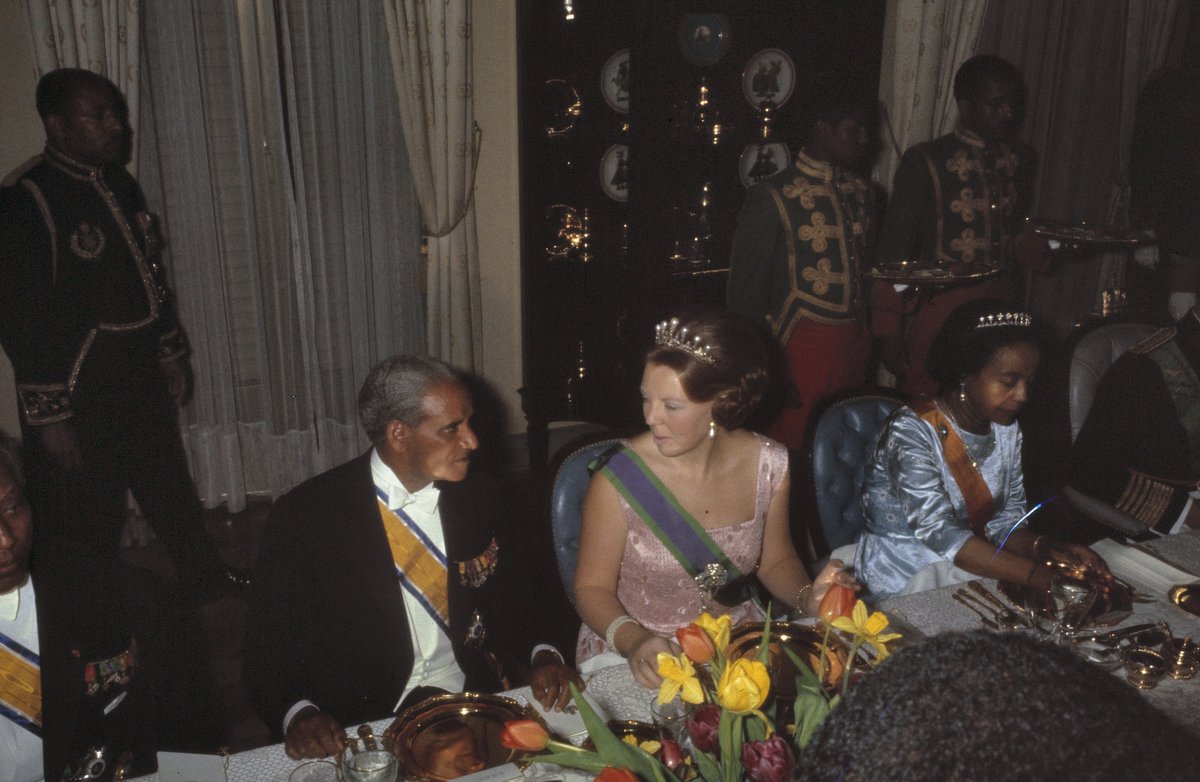
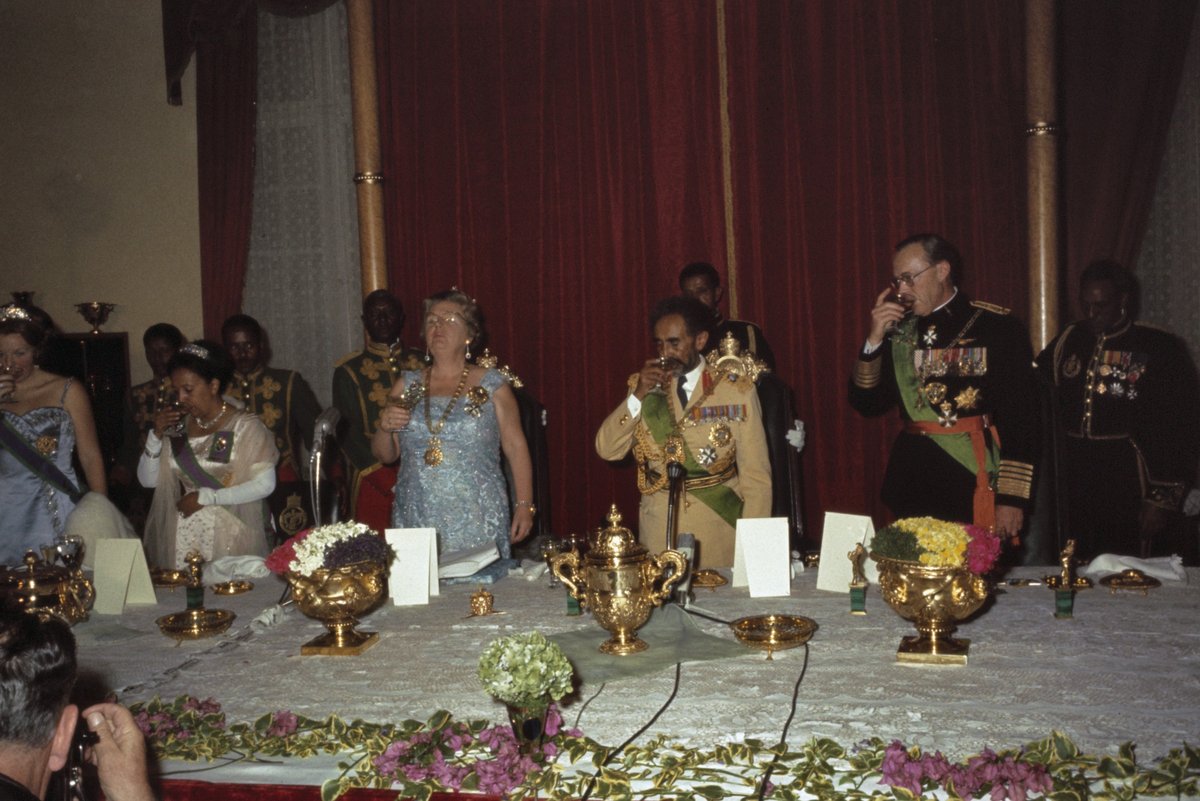
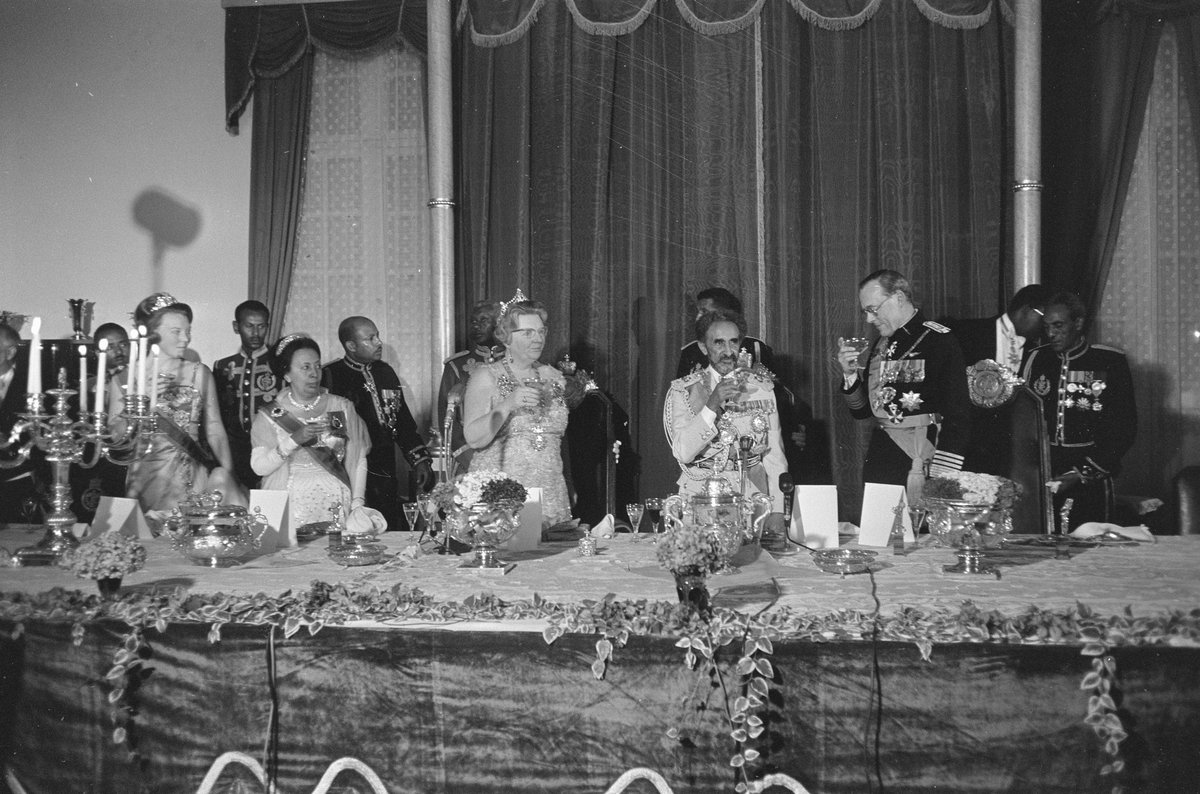
Commissioned in 1955, the palace—originally known as the Jubilee Palace—was built to honor Emperor Haile Selassie’s 25th year on the throne. Its construction signified Ethiopia’s modernization efforts and Addis Ababa’s status as a burgeoning political capital. The palace quickly became the primary residence of the Emperor after the 1960 coup attempt at Guenete Leul Palace, serving as both a fortified home and a seat of administration (Wikipedia).
The Derg Regime
The 1974 overthrow of Emperor Haile Selassie marked a dramatic shift. The Derg military regime took control, renaming the building the National Palace and adapting it for government functions and ceremonies. Modern additions, such as a swimming pool and updated security features, reflected the changing times (Wikipedia).
Republican and Contemporary Use
Today, the National Palace is the official residence of the President of Ethiopia and a venue for state occasions. Recent renovations have modernized the palace and its grounds while preserving historical architecture. The establishment of the National Palace Museum and Unity Park has made portions of the complex accessible to the public, transforming it into a key site for education and cultural engagement (Capital Ethiopia, SeeAfrika).
Architectural and Artistic Highlights
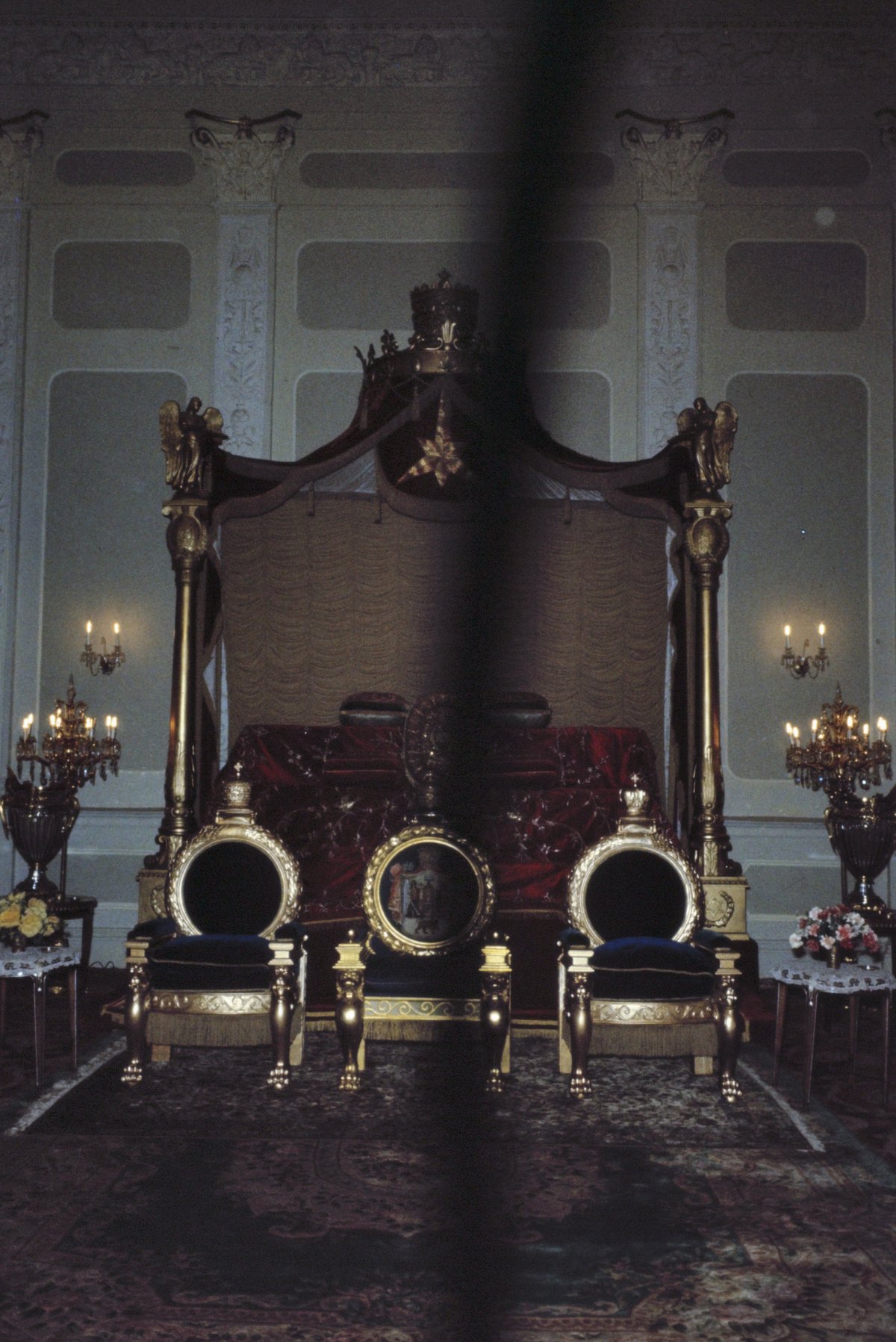
The National Palace is celebrated for its unique blend of Ethiopian imperial motifs and mid-20th-century modernist elements. The grand neoclassical façade, intricate woodwork, marble floors, and ornate ceilings have been meticulously restored. Key features include the throne room, royal chambers, and a library with historical significance. The palace gardens are equally impressive, featuring ancient trees, fountains, and monuments that pay tribute to Ethiopia’s storied past (Press.et Herald, Trek Zone).
Unity Park, developed within the palace grounds, showcases curated exhibits, a botanical garden with indigenous plants, and a zoo with the rare Ethiopian black lion—an important national symbol (My Ethiopia Tours).
Cultural and Political Significance
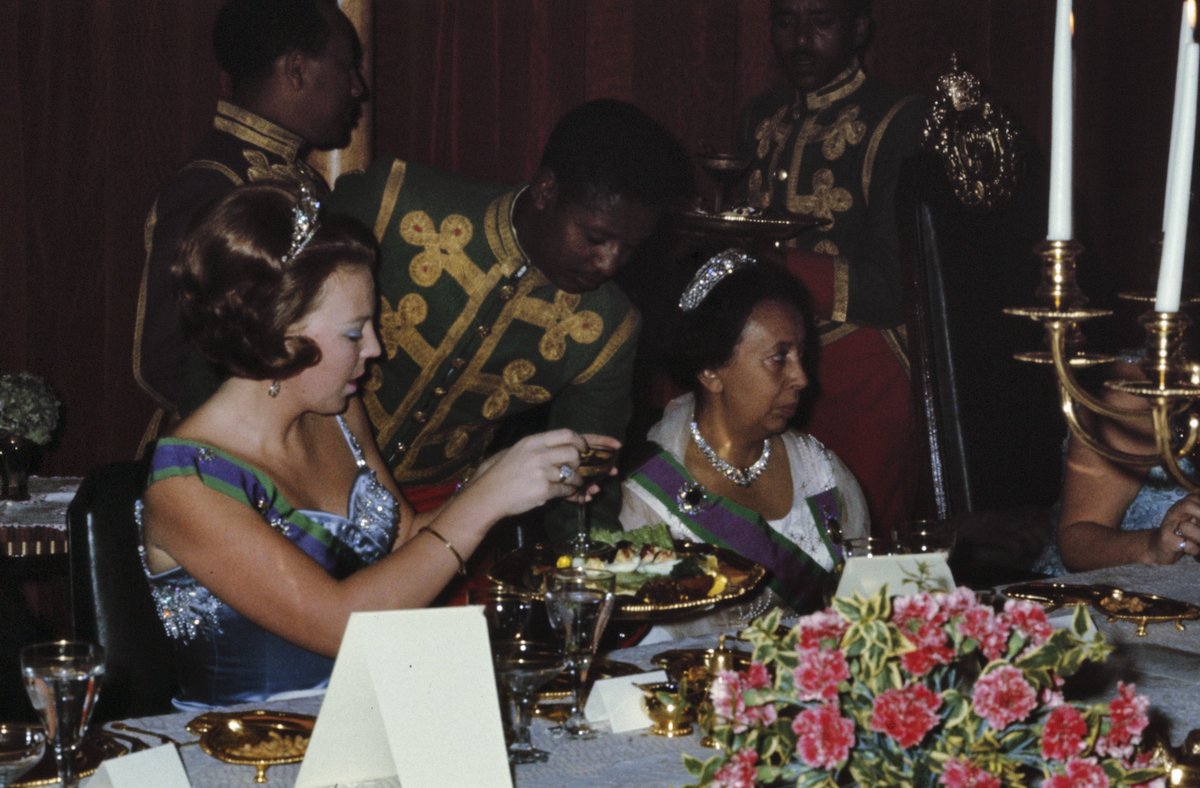
The National Palace is not only an architectural landmark but also a symbol of Ethiopian sovereignty and resilience. It has housed seven national leaders—emperors, presidents, and prime ministers—and played a central role in historic transitions, ceremonies, and state functions. The opening of Unity Park has fostered public engagement, transforming the palace from a secluded seat of power into an inclusive space for education, reflection, and national celebration (Wild Junket).
Visitor Information
Visiting Hours
- National Palace Museum & Unity Park Open Tuesday to Sunday, 9:00 AM – 5:00 PM. Closed on Mondays and Ethiopian public holidays.
- Note The palace interior remains closed to the general public due to ongoing governmental functions; access is limited to Unity Park and the museum exhibits (GPSmyCity).
Tickets and Guided Tours
- Tickets Entry to Unity Park and the museum requires a ticket. Pricing is approximately 200 Ethiopian Birr for adults, with discounts for students, children, and seniors. Tickets can be purchased at the entrance or online via official tourism platforms.
- Guided Tours Multi-lingual guided tours (English, Amharic, French, German) are available and recommended for a comprehensive experience. Tours cover major exhibits, ceremonial halls, and gardens, typically lasting 1–2 hours.
- Group Bookings For large groups or educational visits, advance booking is strongly encouraged (SeeAfrika).
Accessibility
The National Palace complex is wheelchair-accessible, featuring paved pathways, ramps, and accessible restrooms. Staff are available to assist visitors with disabilities.
Best Time to Visit
- Recommended Season October to May (dry season) offers mild, sunny weather ideal for exploring the grounds and outdoor features.
- Special Events National holidays (such as Independence Day and Timkat) may feature special programs but could also impact regular visiting hours (Travellers Worldwide).
Nearby Attractions
Enhance your visit by exploring other prominent Addis Ababa historical sites within walking distance or a short taxi ride:
- Menelik II Palace The original imperial residence.
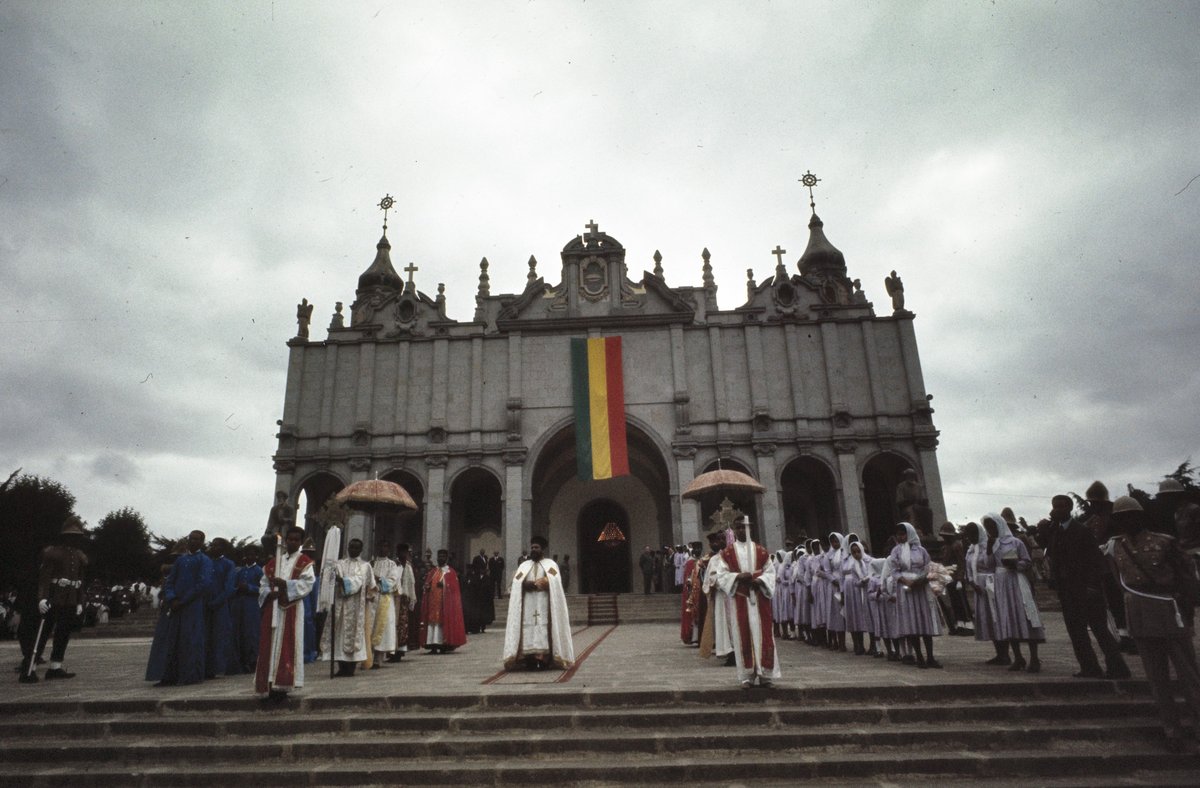
- Holy Trinity Cathedral Principal Orthodox cathedral and burial place of Emperor Haile Selassie.
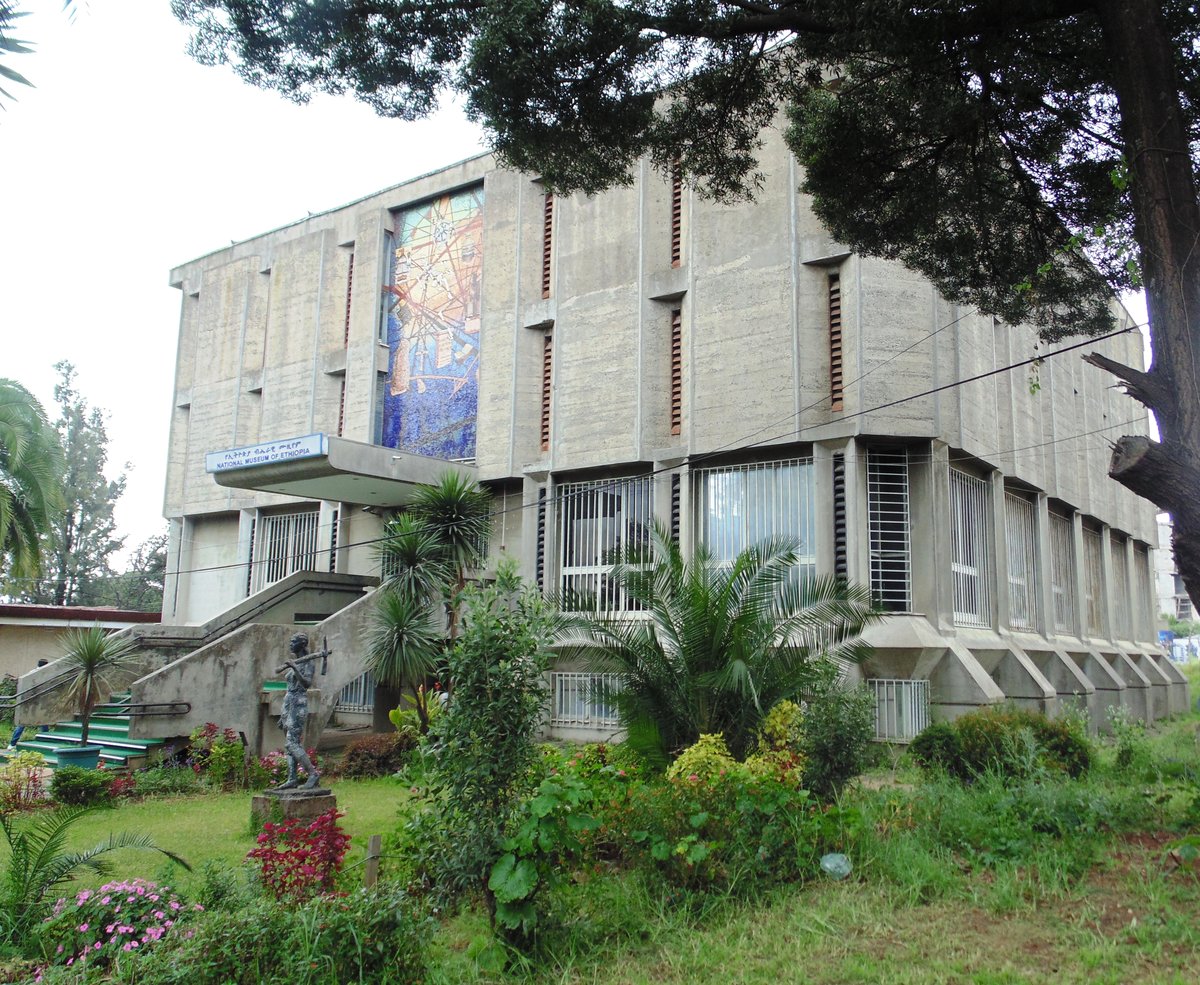
- National Museum of Ethiopia Home to the famed fossil "Lucy" and extensive cultural artifacts.
- Meskel Square Central venue for festivals and national celebrations.
- Mount Entoto Offers panoramic city views and historical context on Addis Ababa’s founding (Absolute Ethiopia Tours).
Practical Tips for Visitors
- Dress Code Modest attire is recommended, especially when visiting government or religious sites.
- Photography Restricted within the museum and palace interiors; permitted in outdoor areas of Unity Park.
- Health and Safety Addis Ababa’s high altitude may require acclimatization; stay hydrated and avoid tap water.
- Currency Ethiopian Birr (ETB) is the standard; cash is preferred, though ATMs are available.
- Language Amharic is official, but English is widely spoken in tourist areas.
- Security Avoid photographing security personnel or restricted areas and be mindful of local advisories (Aman Ethiopia Tours).
Frequently Asked Questions (FAQ)
Q: Can I visit the inside of the National Palace?
A: The palace itself is not open to the general public, but Unity Park and the National Palace Museum within the grounds are accessible.
Q: What are the visiting hours?
A: Tuesday through Sunday, 9:00 AM – 5:00 PM; closed Mondays and public holidays.
Q: Do I need tickets?
A: Yes, tickets are required for Unity Park and the museum. Purchase online or at the entrance.
Q: Are guided tours available?
A: Yes, in several languages. Advance booking is recommended.
Q: Is the site accessible for visitors with disabilities?
A: Yes, the park and museum have accessible facilities.
Q: Can I visit during holidays?
A: Special events may affect opening hours; check ahead for updates.