
Historical and Cultural Significance
Evolution of the National Museum
The museum’s roots trace back to 1936 with an exhibition of royal regalia donated by the Solomonic dynasty. Its transformation into a premier institution accelerated in 1958 with the establishment of the Institute of Archaeology, which fostered archaeological research and international collaborations, particularly with French archaeologists. The formal National Museum was inaugurated in the 1970s, with legislative backing to preserve and exhibit Ethiopia’s antiquities and cultural treasures (Wikipedia).
Over the decades, the museum has expanded its collections through archaeological missions, repatriation efforts, and cultural acquisitions. It now serves as the main repository for Ethiopia’s most significant archaeological, historical, and ethnographic artifacts, playing a vital role in education, research, and cultural diplomacy (Academia.edu).
Global Impact and Human Origins
The museum’s most iconic exhibit is the partial skeleton of “Lucy” (Australopithecus afarensis), discovered in 1974 and dating back 3.2 million years—a landmark in paleoanthropology that underscores Ethiopia’s reputation as the cradle of humanity. Other notable finds include the “Selam” fossil and an array of prehistoric animal fossils, highlighting the nation’s unparalleled contributions to our understanding of human evolution (Ethiopian Photography Tours; Tourist Places Guide).
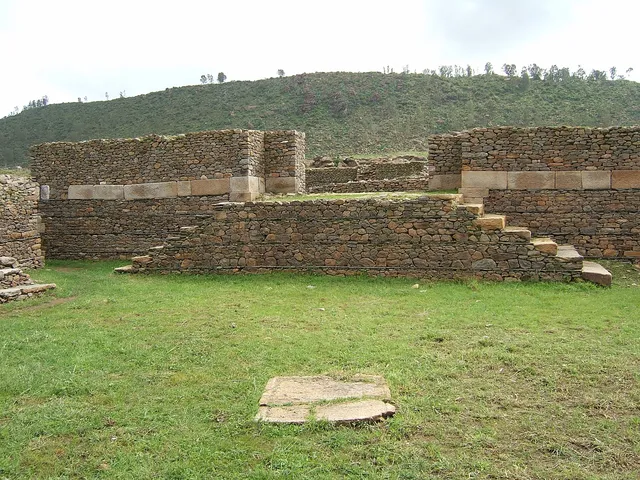
Beyond fossils, the museum preserves artifacts from the ancient Aksumite kingdom, medieval religious relics, imperial regalia, and modern artworks—offering a sweeping overview of Ethiopian civilization’s evolution (Independent Travellers).
Museum Layout and Exhibition Highlights
Navigating the Museum
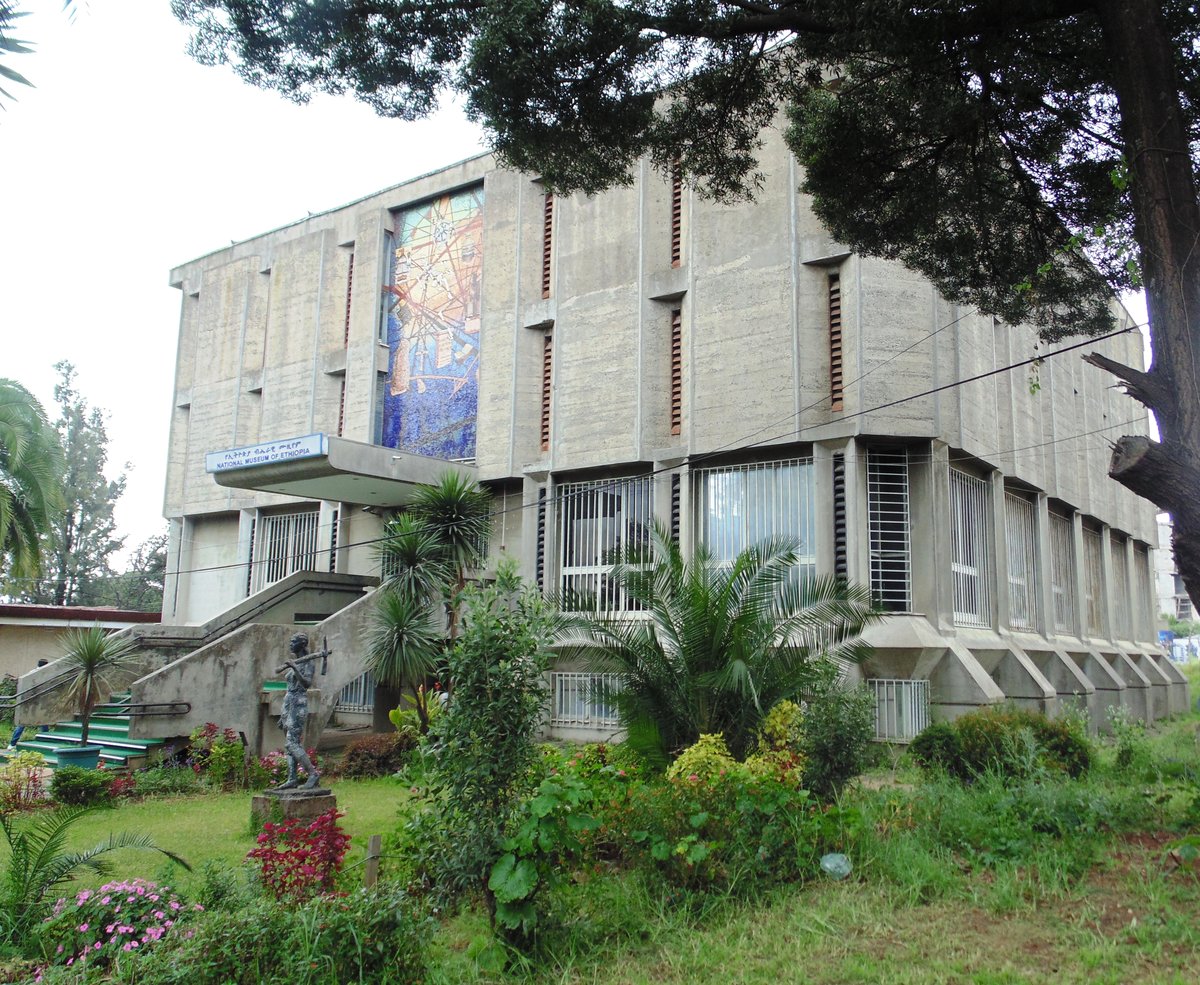
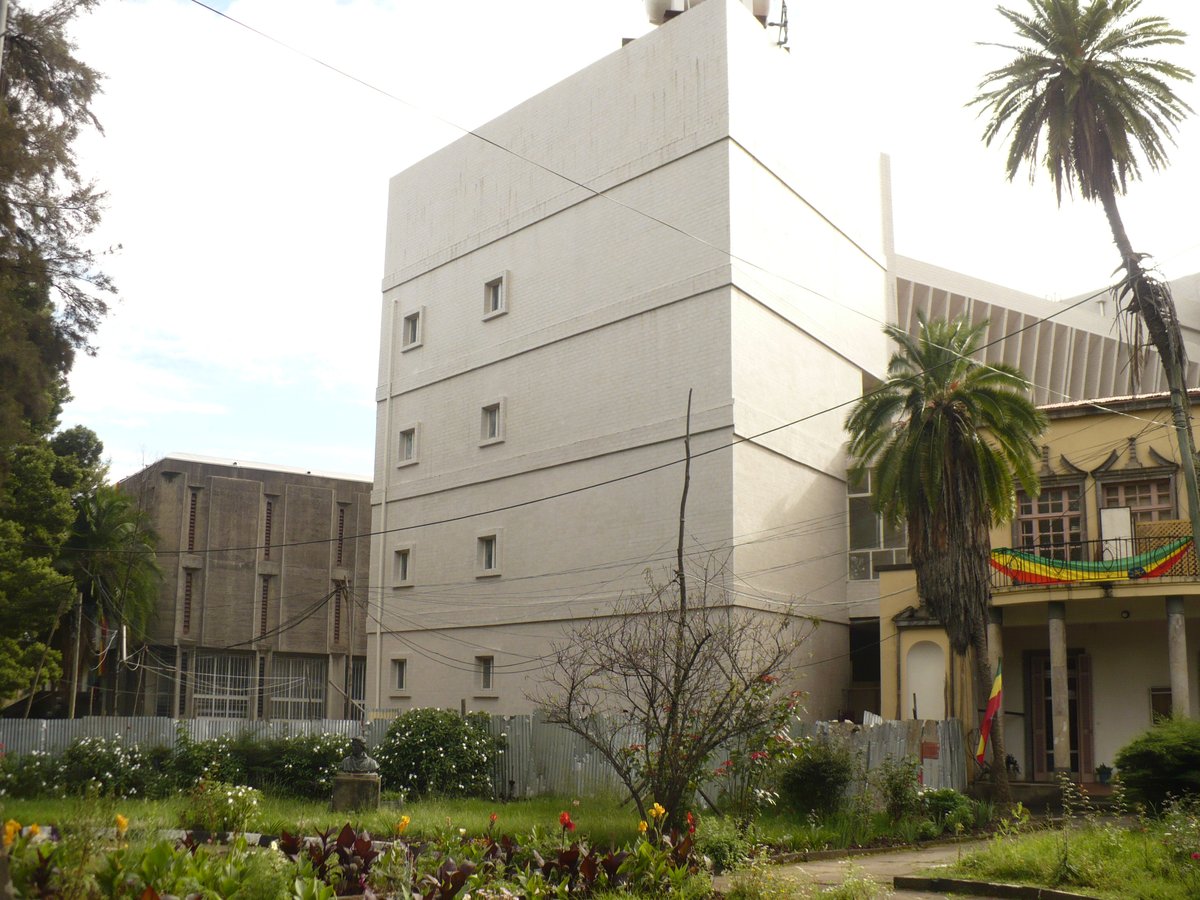
Housed in a multi-story building on King George VI Street near Addis Ababa University, the museum is organized into four primary sections, each on a separate floor (MoMAA):
- Basement Paleoanthropology and Prehistory—featuring fossil casts of Lucy and Selam, and prehistoric fauna such as Homotherium and Notochoerus.
- Ground Floor Ancient and Medieval Artifacts—including royal regalia, ancient Sabaean inscriptions, and ecclesiastical items.
- First Floor Ethiopian Fine Arts—displaying historical and modern paintings, religious icons, and works by renowned artists like Afewerk Tekle.
- Second Floor Ethnography and Secular Arts—showcasing traditional costumes, jewelry, musical instruments, and everyday tools from various Ethiopian ethnic groups (Unistica).
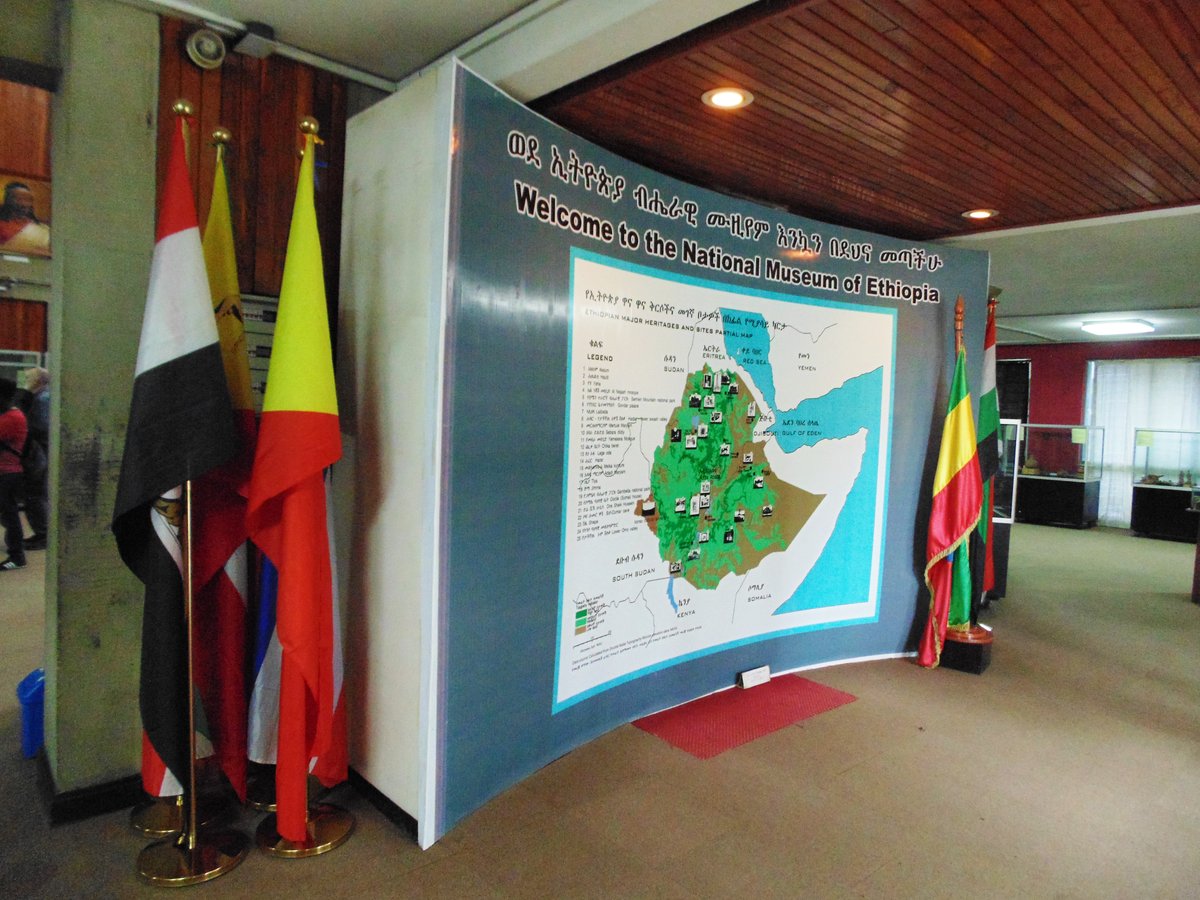
Clear English signage and a logical chronological flow enhance the visitor experience (Lonely Planet).
Must-See Exhibits
- Lucy (“Dinkenesh”) The 3.2-million-year-old Australopithecus afarensis skeleton, a pillar of the museum’s paleoanthropology gallery (Trek Zone).
- Selam Fossil remains of a child Australopithecus afarensis, emphasizing Ethiopia’s significance in early human history (MoMAA).
- Ancient Royal Regalia Including Emperor Haile Selassie’s throne and pre-Aksumite artifacts (Independent Travellers).
- Religious and Imperial Treasures Illuminated manuscripts, ornate crosses, and repatriated Maqdala artifacts (Artnet News).
- Modern and Traditional Artworks Featuring works from the 14th century to the present, with a focus on Ethiopia’s diverse artistic heritage.
Visitor Information
Visiting Hours
- Tuesday to Sunday 9:00 AM – 5:00 PM
- Closed Mondays and public holidays (hours may vary during Ethiopian holidays; check ahead for updates) (Chop Life and Travel).
Tickets and Admission
- Foreign Visitors 10–100 Ethiopian Birr (ETB), usually payable in cash.
- Discounts Available for students and children.
- Purchase Tickets are sold onsite; online purchases are not currently available (Chop Life and Travel).
Guided Tours and Language
- Guided Tours Free English-speaking guides are often available; tipping is customary. Audio guides and brochures may be offered.
- Exhibit Labels Primarily in Amharic and English.
Accessibility
- Wheelchair Access Ramps and accessible restrooms are available, but some areas may be challenging due to stairs.
- Assistance Visitors with special needs should contact the museum in advance to arrange help.
Facilities
- Restrooms and Gift Shop Available onsite.
- Café Some reports mention a small garden café; availability may vary (Unistica).
- No Online Ticketing Bring sufficient cash, as credit card facilities are rare and nearby ATMs may be limited.
Travel and Safety Tips
- Getting There Use taxis or ride-hailing apps like Ride for safe transportation within Addis Ababa (Chop Life and Travel).
- Safety Exercise standard urban precautions; keep valuables secure, and be cautious in crowded areas.
- Best Time to Visit Early mornings on weekdays and during the dry season (October–March) offer a quieter experience.
Photography
- Permitted In most areas, but flash photography may be restricted to protect sensitive exhibits.
Nearby Addis Ababa Historical Sites
Enhance your itinerary by visiting these nearby attractions:
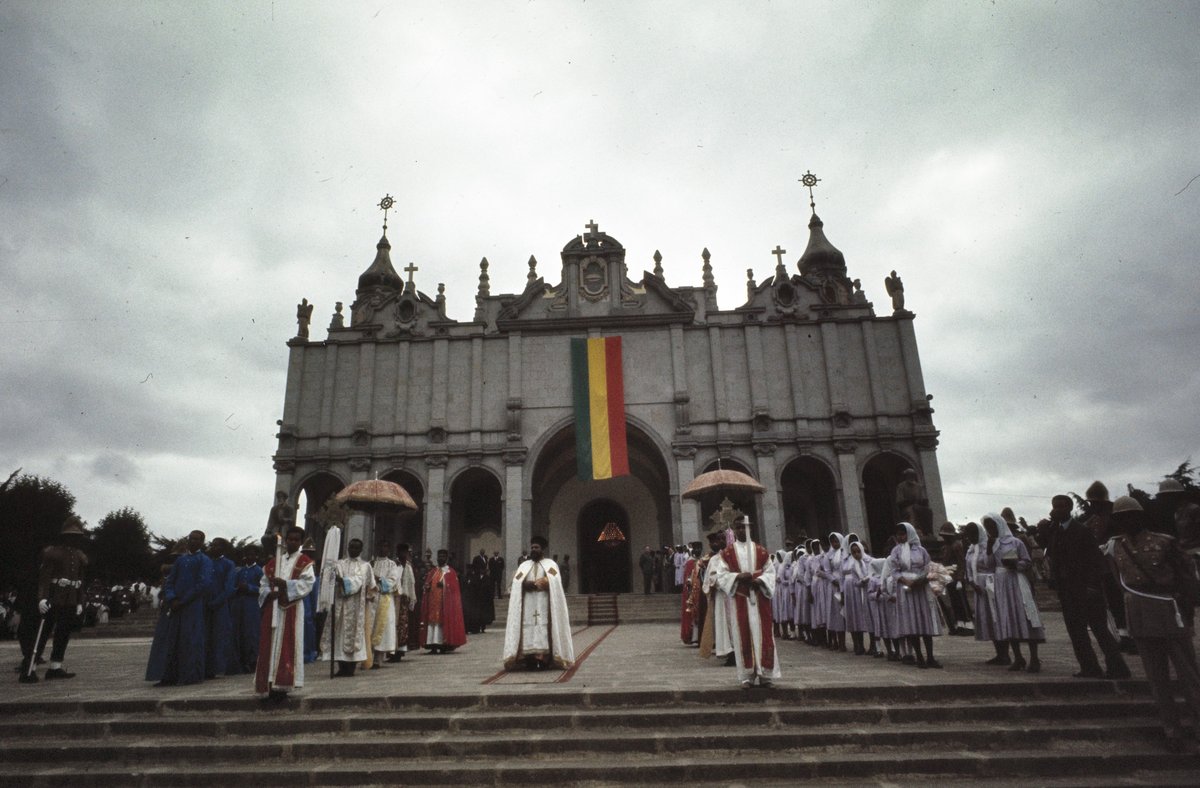
- Holy Trinity Cathedral Architectural and religious landmark.
- Ethnological Museum In-depth look at Ethiopian cultures, housed at Addis Ababa University.
- Addis Mercato One of Africa’s largest open-air markets.
- Red Terror Martyrs’ Memorial Museum Memorializing victims of the Derg regime (Rehlat).
Special Initiatives and Cultural Significance
The museum actively participates in national and international heritage preservation, including the repatriation of artifacts looted during the 19th century. Its role in documenting UNESCO World Heritage Sites, advancing research, and hosting special exhibitions fosters international engagement and cultural pride (Artnet News).
Frequently Asked Questions (FAQ)
Q: What are the National Museum of Ethiopia’s visiting hours?
A: The museum is open Tuesday to Sunday, 9:00 AM to 5:00 PM, and closed on Mondays and public holidays.
Q: How much are tickets?
A: Admission is 10–100 ETB for foreign visitors, with discounts for students and children. Tickets are sold onsite and must be paid in cash.
Q: Are guided tours available?
A: Yes, free English-speaking guides are available; tipping is encouraged.
Q: Is the museum accessible for visitors with disabilities?
A: Some accessibility features exist, but certain areas may be difficult to access due to stairs.
Q: Can I take photographs inside the museum?
A: Yes, photography is generally allowed except for flash in certain sensitive areas.
Q: Are there cafes or restaurants at the museum?
A: A small garden café may be available, but options are limited—plan accordingly.
Practical Tips for an Enjoyable Visit
- Check hours and holiday closures before your visit.
- Bring enough Ethiopian Birr for tickets and small purchases.
- Wear comfortable shoes for walking through the museum and to nearby sites.
- Stay hydrated; bring water as refreshments may be limited.
- Download the Audiala app for offline guides and audio tours.
- Plan ahead for accessibility needs and guided tours.