
Origins and Construction
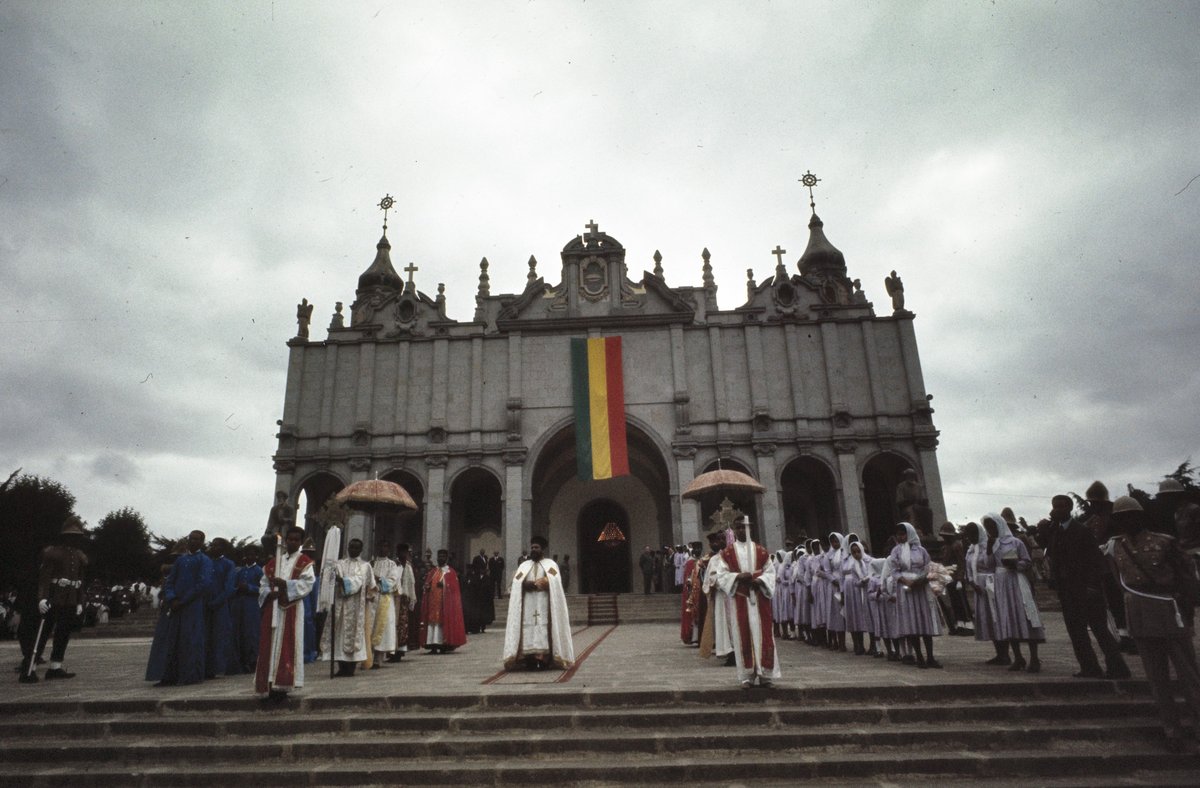
Holy Trinity Cathedral was conceived as a commemorative monument to Ethiopia’s liberation from Italian occupation. Construction began in the early 1930s, was interrupted by the Italian invasion, and resumed upon Emperor Haile Selassie’s return, culminating in 1942 (Trek Zone, The Ethiopian Herald).
Ethiopia’s successful resistance against colonization is woven into the cathedral’s purpose. The structure not only honors the sacrifices of patriots but also reinforces national pride and religious devotion (Panafrocore).
Architectural Features and Artistic Heritage
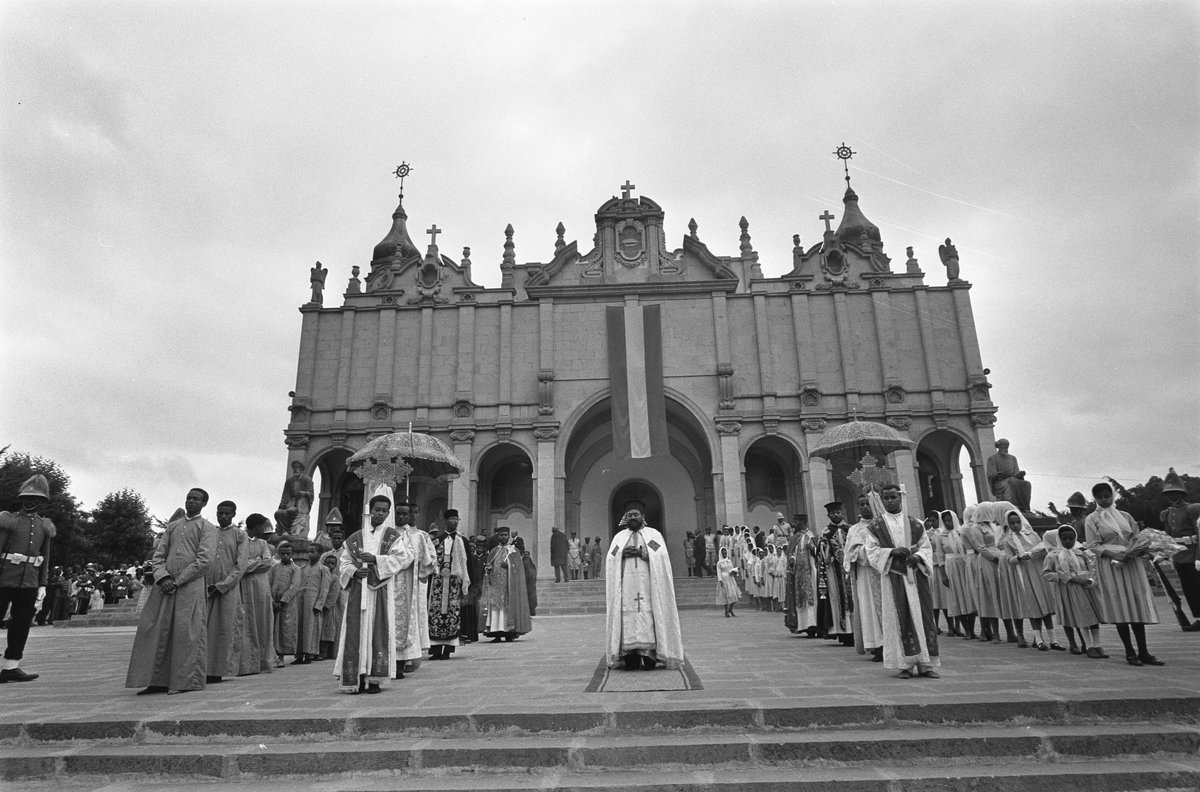
The cathedral is celebrated for its blend of local and international styles. Neo-Baroque domes, soaring arches, and tall, arched stained glass windows characterize its grandeur. Afewerk Tekle’s stained glass and murals, depicting biblical and Ethiopian historical scenes, are highlights of the interior (Ethiopian Photography Tours).
Hand-carved iconostases, gilded altars, and ecclesiastical artifacts reflect the depth of Ethiopian Orthodox tradition. The exterior is adorned with statues of angels and evangelists, enhancing its spiritual ambiance.
Mausoleum and Memorials
Holy Trinity Cathedral is the burial site of Emperor Haile Selassie I and Empress Menen Asfaw, whose tombs are situated within the sanctuary. Other notable burials include Ethiopian Orthodox patriarchs, royal family members, patriots, and modern leaders such as former Prime Minister Meles Zenawi (humbo.com, tanianethiopiatours.com, myethiopiatours.com, hamerlandtoursethiopia.com).
Monuments on the grounds honor Ethiopian patriots of the anti-Italian resistance and victims of the Derg regime, providing spaces for commemoration and reflection (hamerlandtoursethiopia.com, tanianethiopiatours.com).
Spiritual and Cultural Importance
As the seat of the Ethiopian Orthodox archbishop, Holy Trinity Cathedral is second in spiritual status only to the Church of St. Mary of Zion in Axum. It hosts major religious celebrations such as Timkat (Epiphany) and Meskel (Finding of the True Cross), drawing pilgrims nationwide. The cathedral is a focal point for national commemorations, reinforcing its role in Ethiopia’s collective memory (Panafrocore).
Museum and Collections
The on-site museum preserves a wide array of artifacts: ancient illuminated manuscripts in Ge’ez, processional crosses, icons, crowns, ceremonial robes, and personal effects of Emperor Haile Selassie (magnoliaaddis.com, visitethiopia.travel). Artistic treasures include stained glass windows and murals by Afewerk Tekle, as well as imperial thrones used in coronations (tanianethiopiatours.com).
Ongoing restoration and conservation efforts ensure the longevity and accessibility of these invaluable collections (press.et).
Visiting Information: Hours, Tickets, and Tips
- Visiting Hours Generally open daily from 8:00 or 9:00 AM to 5:00 or 6:00 PM. Hours may vary during religious festivals or renovations; check in advance.
- Tickets Entry to the cathedral is free; the museum charges a modest fee (approximately 100–200 Ethiopian Birr for foreign visitors). Tickets are sold on-site.
- Guided Tours Available for a small additional fee, offering in-depth historical and cultural context. Advance booking is advisable during peak seasons (Wanderlog).
- Dress Code Modest attire required. Shoulders and knees should be covered; women may be asked to cover their heads. Shoes must be removed in some areas.
- Photography Permitted in most areas, but flash may be restricted. Always ask before photographing people or artifacts.
Accessibility and Visitor Facilities
- Accessibility The main entrance and sanctuary are wheelchair accessible, but the crypt and museum may have steps or uneven flooring.
- Facilities Restrooms and a gift shop are available. Limited on-site parking; public transport and taxis are recommended for access.
- Language English and Amharic are spoken by guides and staff.
Events and Festivals
The cathedral is central to major events:
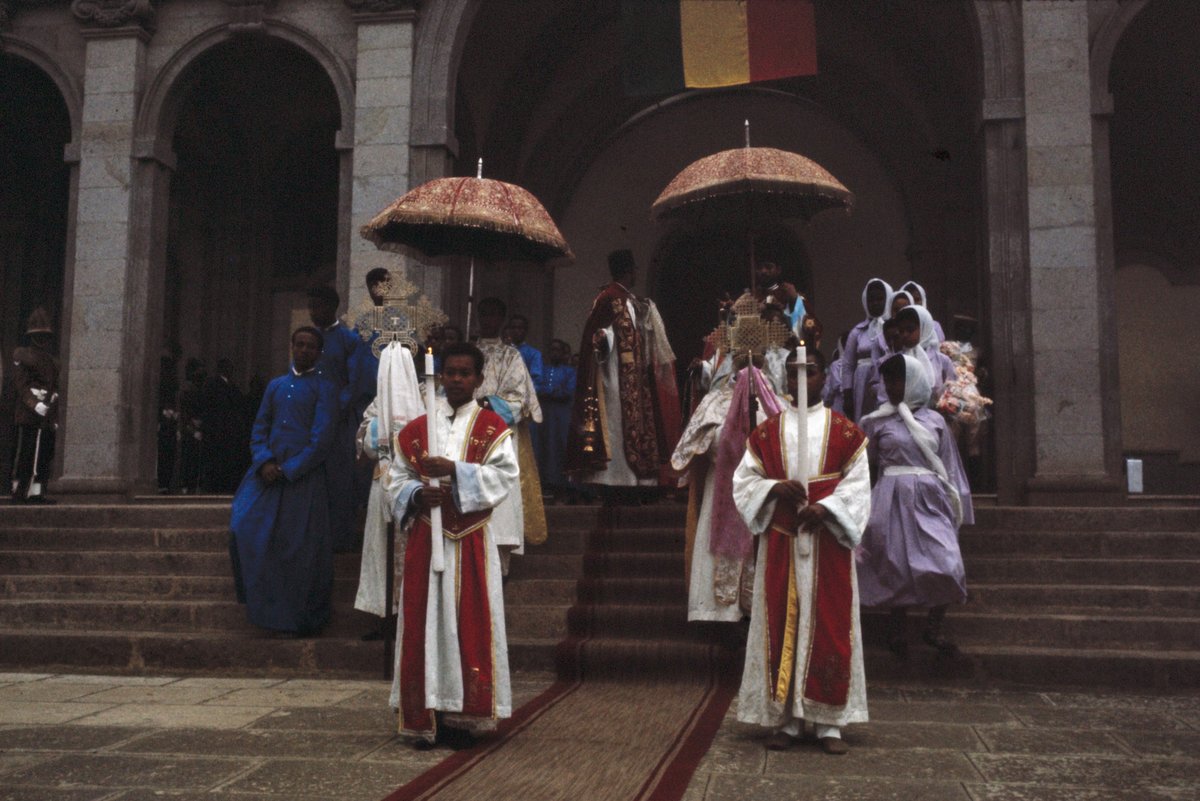
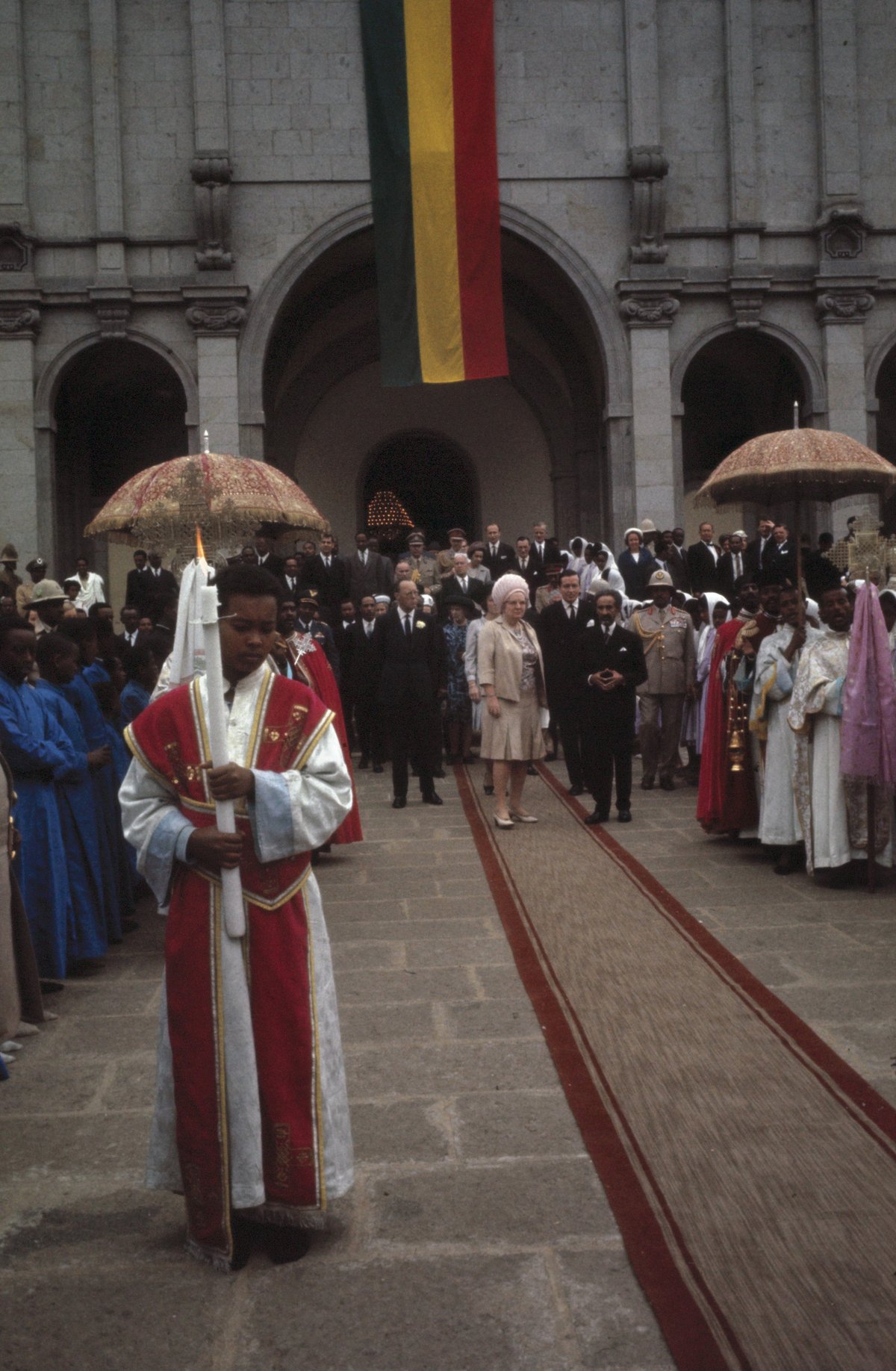
- Timkat (Epiphany) January. Vibrant processions and rituals.
- Meskel (Finding of the True Cross) September. Marked by a large bonfire in the courtyard.
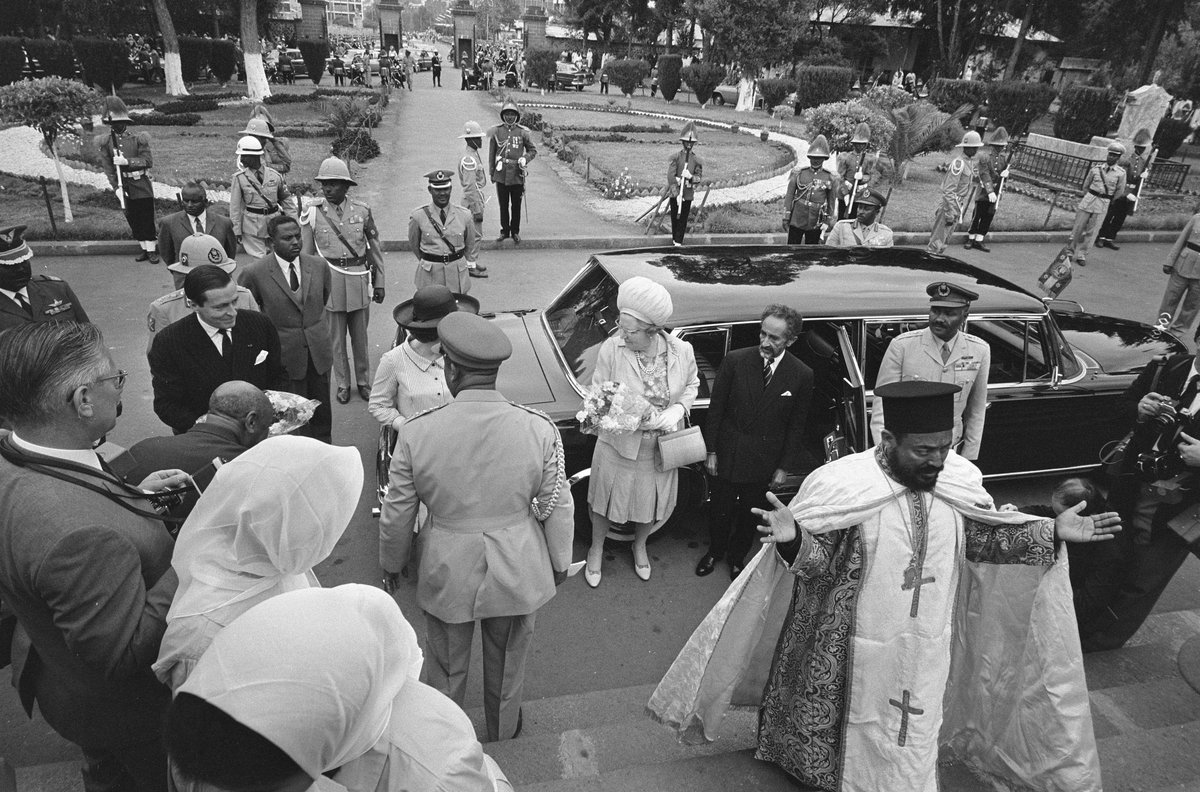
- Commemorations of Emperor Haile Selassie Special prayers and gatherings on anniversaries.
During festivals, the cathedral can be crowded and access may be restricted. Early arrival is recommended.
Travel Tips and Nearby Attractions
- Best Times Early morning or late afternoon on weekdays for a quieter experience.
- Weather Mild climate year-round; rain is common from June to September.
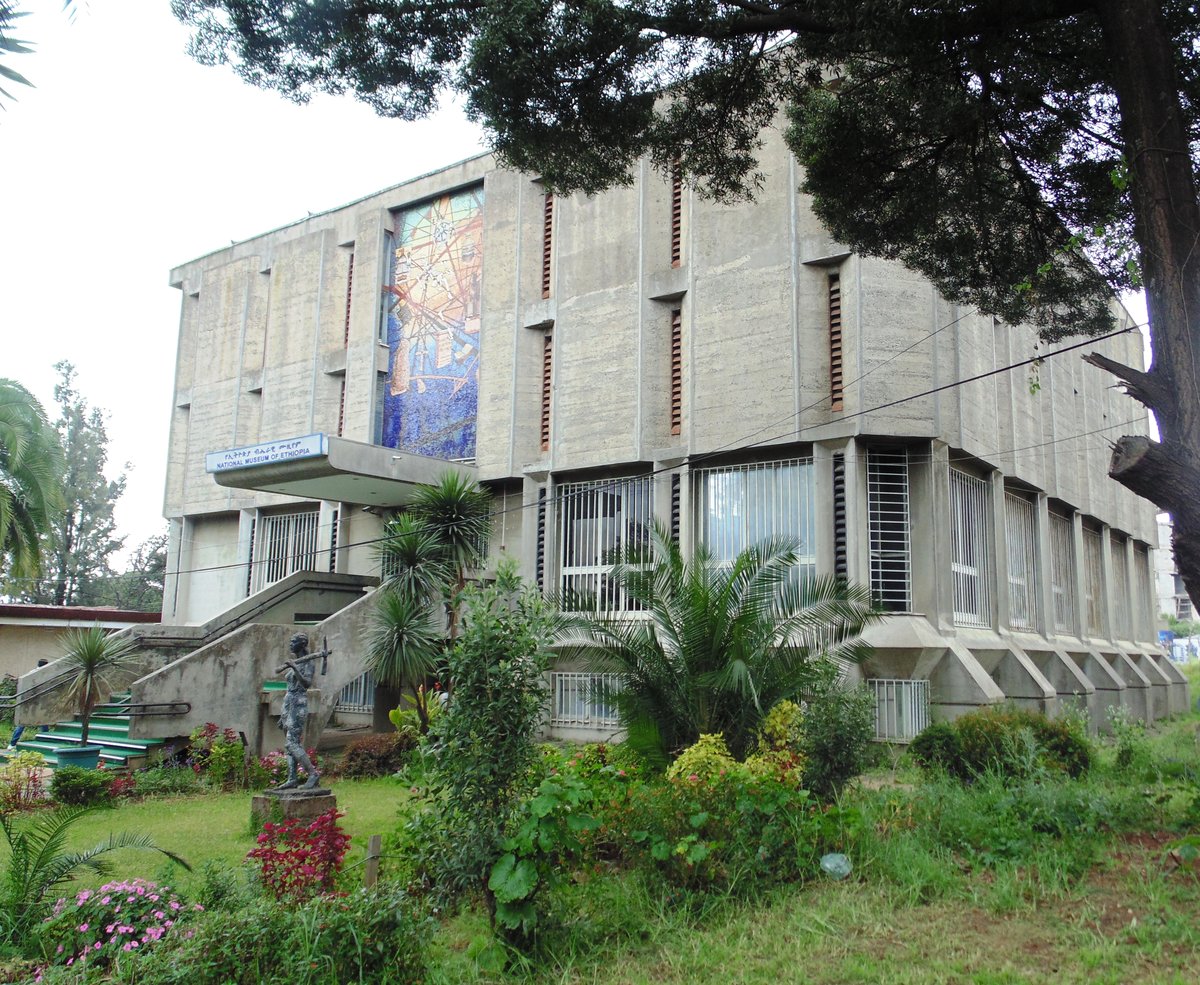
- Nearby Sites National Museum of Ethiopia, Menelik Palace, Ethnological Museum, and Red Terror Martyrs Memorial Museum.
- Currency Local cash is preferred for tickets and tips.
- Safety The site is safe, but be attentive to belongings during busy events.
Frequently Asked Questions (FAQ)
Q: What are the Holy Trinity Cathedral visiting hours?
A: Generally from 8:00 or 9:00 AM to 5:00 or 6:00 PM daily; check in advance for changes.
Q: Is there an entrance fee?
A: The cathedral is free; the museum charges a small fee (about 100–200 Ethiopian Birr).
Q: Are guided tours available?
A: Yes, for an additional fee. Advance booking is recommended during peak seasons.
Q: Is photography allowed?
A: Yes, in most areas, but flash and photographing people or sacred items may be restricted. Always ask permission.
Q: Is the cathedral accessible for people with disabilities?
A: The main entrance and sanctuary are accessible, but some areas, like the crypt and museum, may be difficult to access.
Q: What are other nearby attractions?
A: National Museum of Ethiopia, Menelik Palace, Ethnological Museum, Red Terror Martyrs Memorial Museum.