Place
Ethiopia Verified Apr 2026
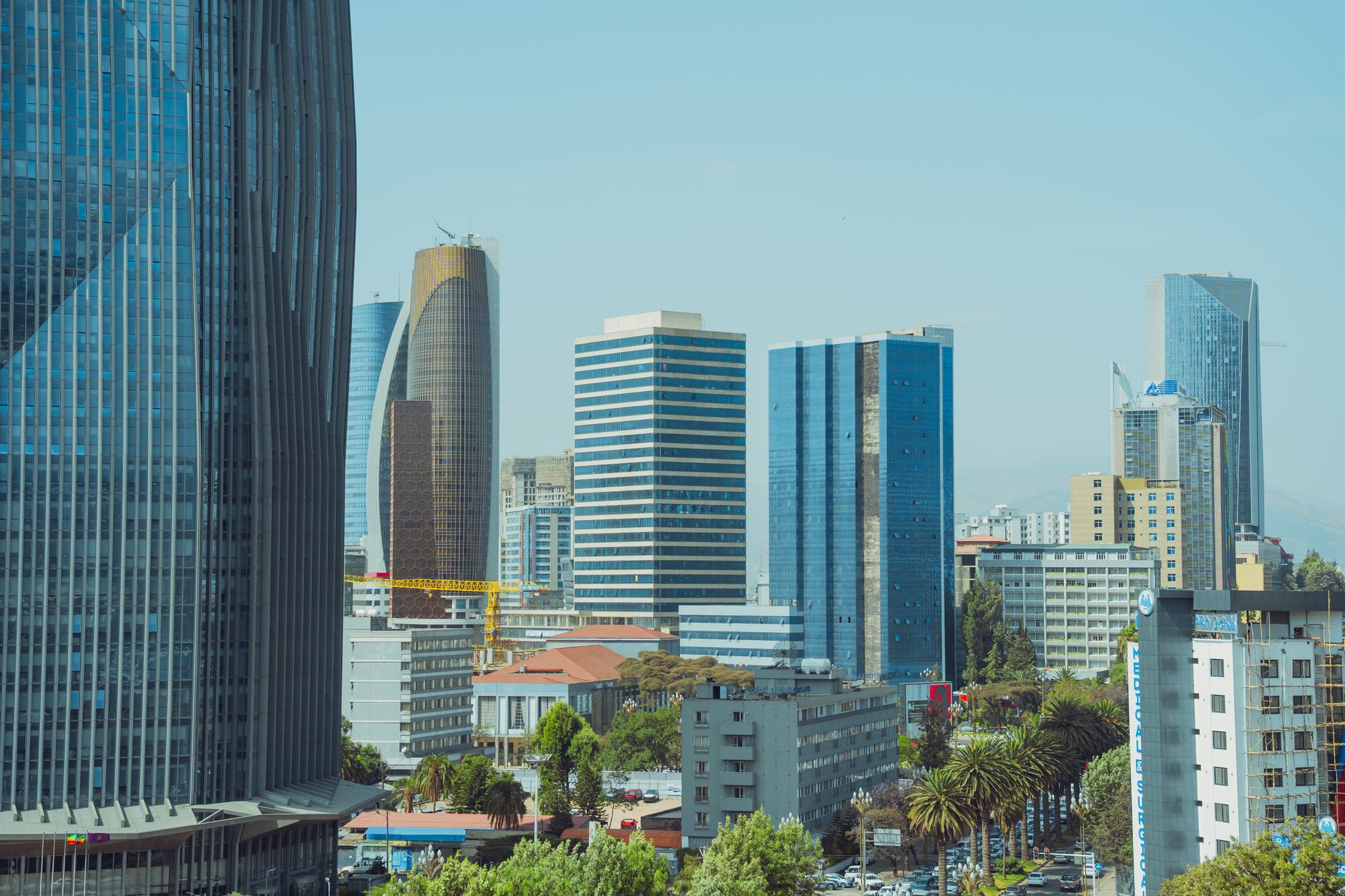
The first thing that hits you in Addis Ababa is the thin, high-altitude air laced with the smell of roasting coffee and eucalyptus smoke. At 2,355 metres this is one of the world's highest capitals, yet it feels less like a mountain city than a place suspended between centuries. Ethiopia was never colonised. That single fact changes how every museum, every cathedral, every street corner reads.
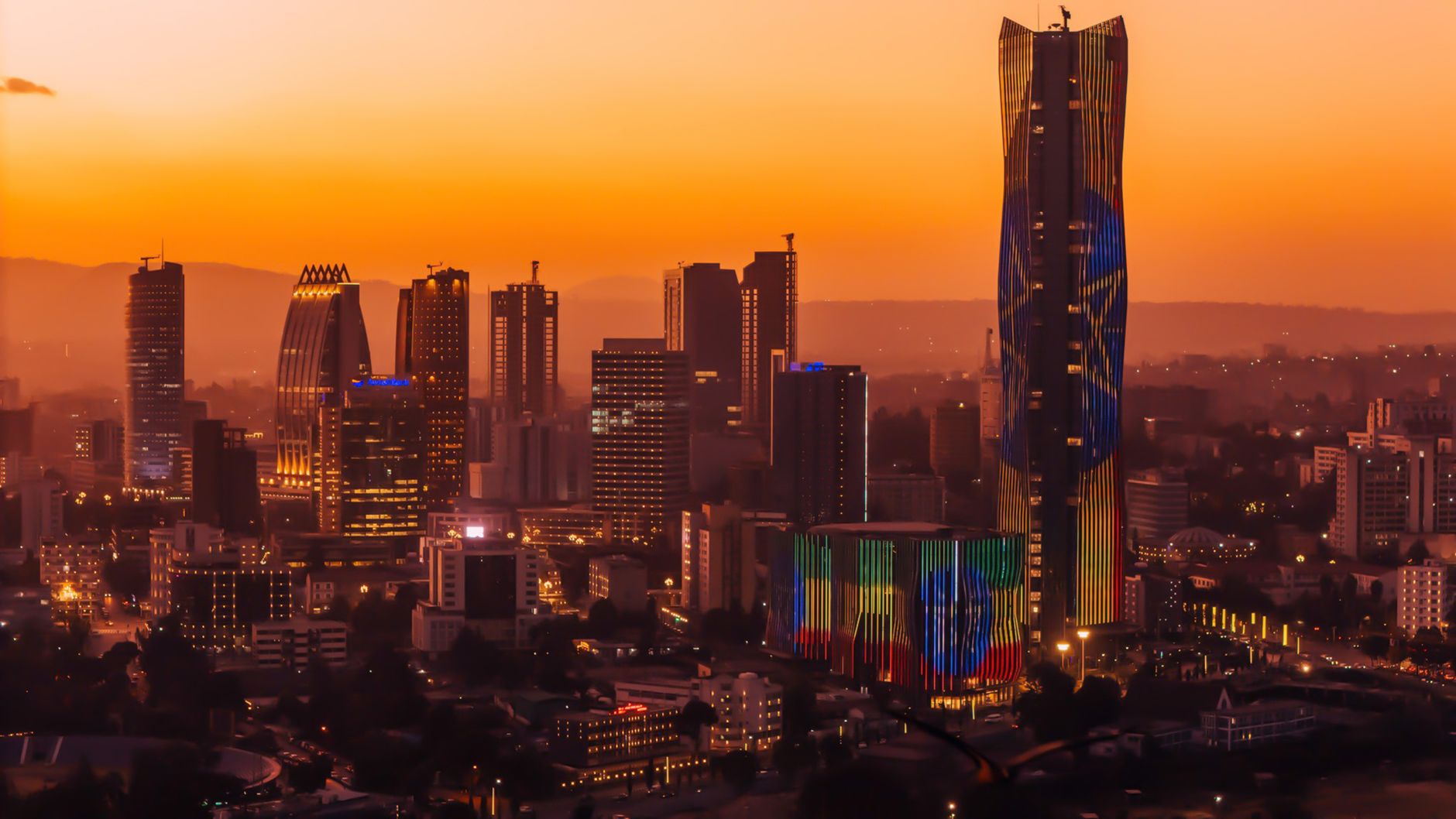 Photo: Christian Alemu / Pexels
Built from cited sources · see the method · How we make our guides →
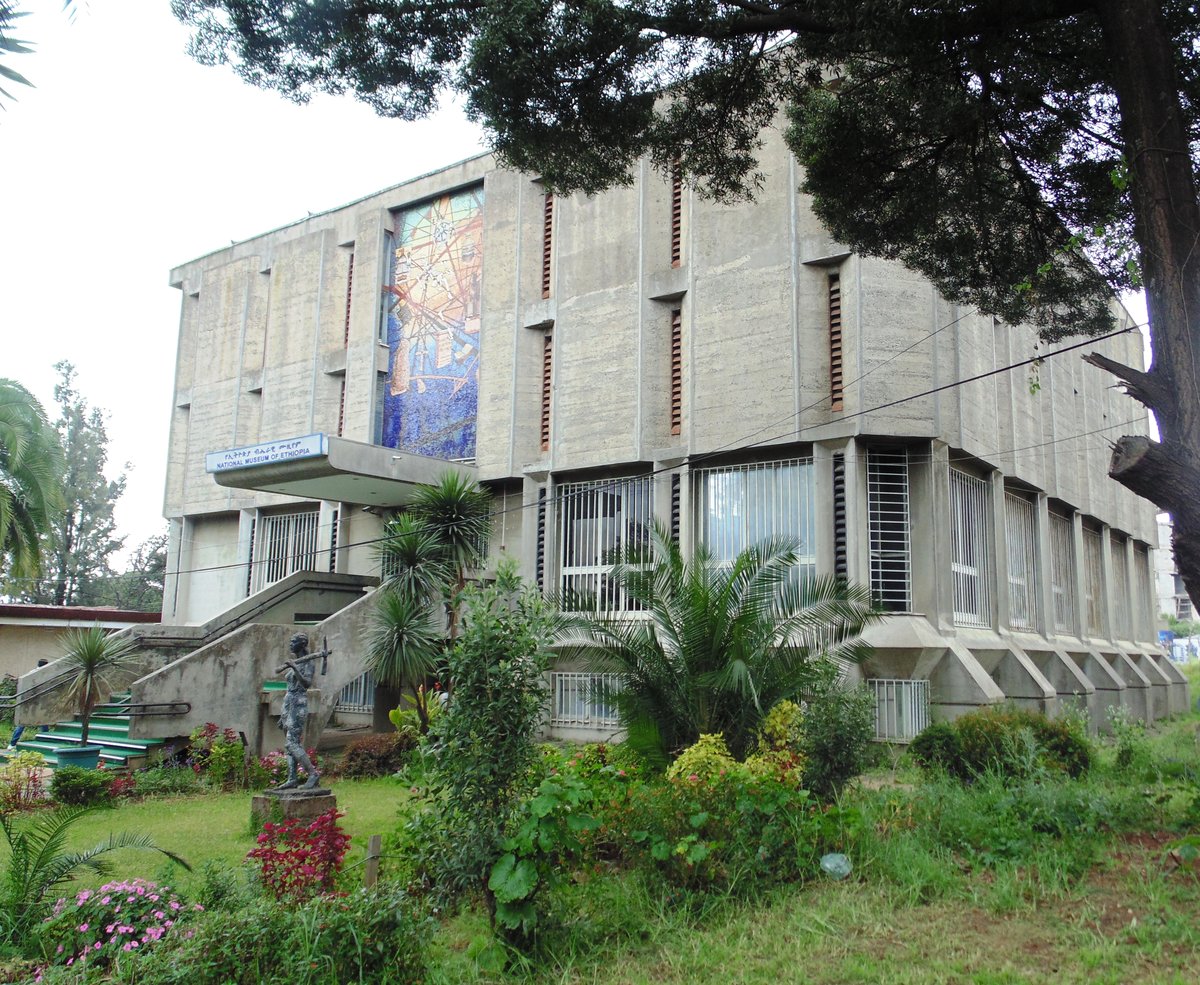
You walk past the African Union headquarters, a glass-and-steel statement that Addis has been the diplomatic capital of Africa since 1963, then turn down a side street and hear the slap of injera being made by hand. The contrast is constant and never settles. One minute you're staring at 3.2-million-year-old Lucy in the National Museum, the next you're watching white lions pace behind the restored walls of Unity Park.
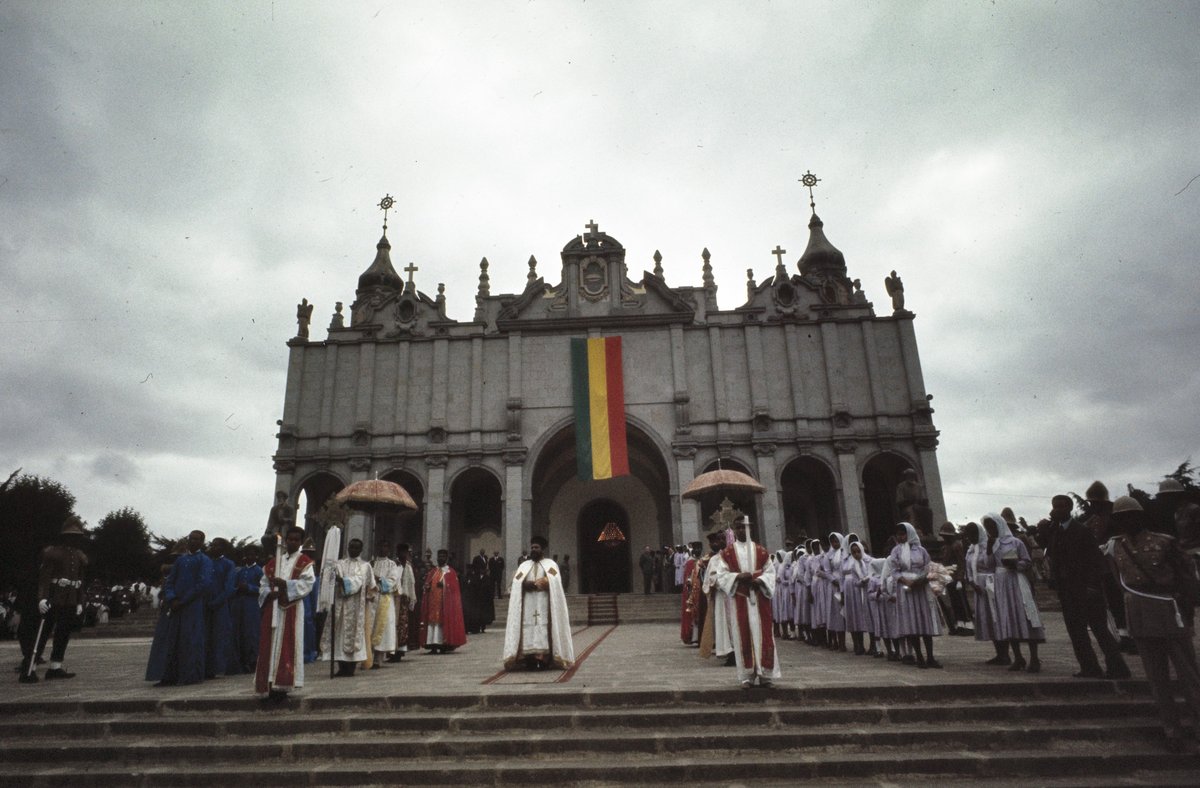
Ethiopian Orthodox faith shapes the rhythm of days here. Churches like Holy Trinity Cathedral hold the bones of Emperor Haile Selassie beneath stained glass that catches the late-afternoon light in deep reds and golds. Yet the city also carries the quieter weight of the Red Terror Martyrs Memorial Museum, where entrance is free and silence is the only appropriate response.
Coffee is not a drink but a ritual that can last an hour. The buna ceremony moves through three rounds: abol, tona, baraka. Sit through all of them. Refusing the final blessing cup is still considered bad manners in most homes. That small social contract tells you more about Ethiopia than any guidebook headline ever could.
Not every monument, just the ones we'd walk you past ourselves.
Where to wander, by quarter — each with its own rhythm.
Before you go
Curated from places in this city. Same price as official sites.


Prices shown are indicative — final pricing and availability are confirmed at checkout. Audiala may receive a commission from bookings made via these links.
From prophetic tree to diplomatic capital of Africa
DNA from a thousand local descendants still carries the signature. This high plateau near the Great Rift served as the last African waypoint for those first modern humans walking north. The thin air at 2355 meters would have sharpened their lungs before the desert crossing. Lucy's bones, found further north but displayed here, keep the question alive.
Ahmad ibn Ibrahim al-Ghazi swept down from the east with his Adal warriors. The medieval city that stood here vanished in weeks. Only charred stones and uneasy silence remained on the slopes between Zikwala and Menegasha. Four centuries later Menelik would still walk the same ground remembering.
The future emperor moved his Shewan capital to the cold heights north of the future city. His soldiers shivered. Wood ran out fast. Empress Taytu already eyed the hot springs below. The stage was set for one of history's more sensible royal relocations.
At the end of the rains Taytu Betul led the descent to Finfinne's steaming springs. She planted her tent above the water and declared the place Addis Ababa. Menelik pointed to an old tree his grandfather had fenced; the prophecy had arrived. Within months the safars of his generals ringed the new capital.
Crowned Emperor, Menelik expanded Taytu's simple house into the first Imperial Palace. Fifteen thousand souls now called the slopes home. The city grew outward in military camps separated by four named streams. Addis Ababa had officially replaced Entoto.
Menelik's army crushed 17,000 Italian troops on 1 March. The only African nation to defeat a European colonial power in open battle. Back in Addis Ababa church bells rang for weeks. St. George's Cathedral rose soon after to mark the miracle.
The emperor who founded this city never stopped building it. He imported eucalyptus by the trainload, ordered the first modern school, and dreamed of railways while his soldiers still carried spears. Every major landmark in central Addis Ababa still carries his shadow.
Desperate for firewood, the court imported Australian blue gums. They grew faster than anyone imagined. Within a decade the bare Entoto hills turned silvery-green. The smell of eucalyptus still rides the afternoon wind across the city like a signature.
The Djibouti-Addis Ababa line finally hissed into the city after years of French engineering. Merchants who once waited months for caravans could now ship coffee in days. The city doubled in size within a decade. Steam whistles replaced war drums as the sound of progress.
On 2 November the new Emperor received his crown inside St. George's Cathedral. Eighty thousand people lined the streets. He immediately began installing telephones, paving roads, and opening schools. The world watched a medieval kingdom try to sprint into the twentieth century.
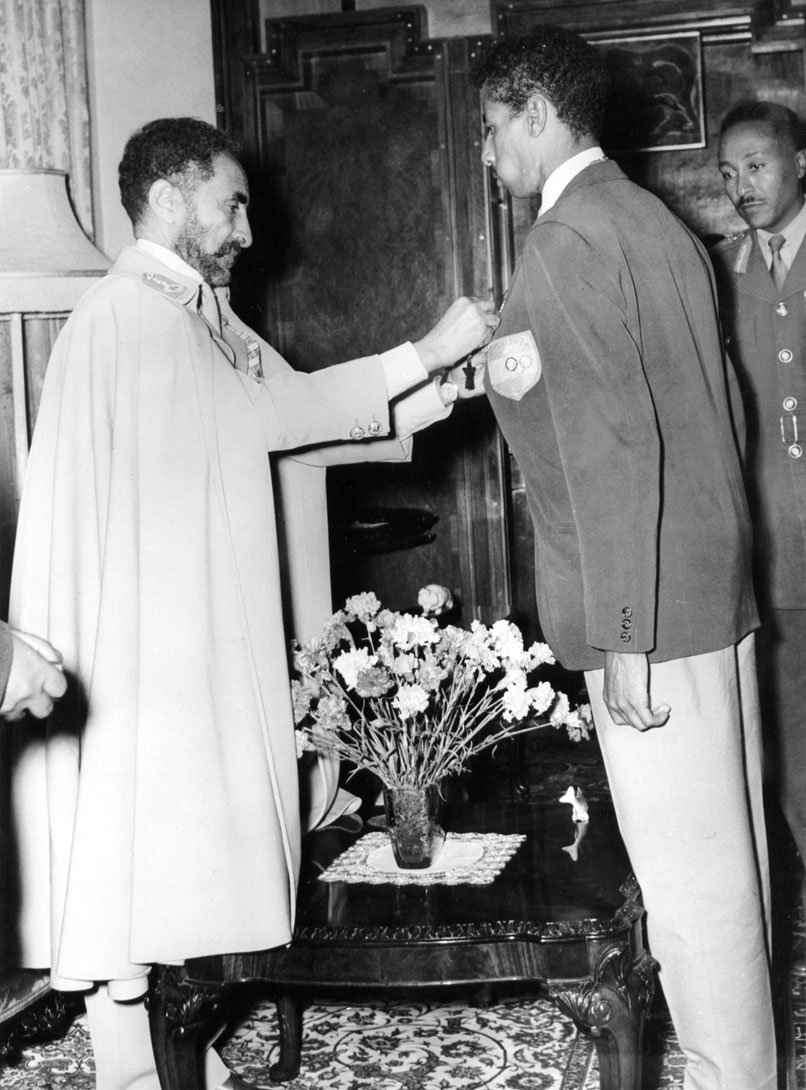
Born Tafari Makonnen, he ruled from a palace that still stands inside Unity Park. He modernized the city relentlessly yet kept its soul. Exiled by Mussolini, he returned in triumph in 1941. His burial in Holy Trinity Cathedral draws pilgrims to this day.
Mussolini's forces entered on 5 May after bombing the city into submission. Haile Selassie sailed into exile from Djibouti. The Italians tore down neighborhoods and drew wide avenues in Fascist style. Five years of concrete and cruelty followed.
After an assassination attempt on Viceroy Graziani, Italian troops killed thousands of civilians over two days. Bodies lay in the streets until hyenas took them. The atrocity is still marked every February 19. The Red Terror Martyrs Museum keeps the memory raw.
Haile Selassie walked back into Addis Ababa on 5 May exactly five years after fleeing. British and Ethiopian forces had pushed the Italians out. The first edition of Addis Zemen newspaper rolled off the presses the same afternoon. The city smelled of eucalyptus and hope.
Built to honor the victory over Italy, the cathedral became the empire's spiritual heart. Haile Selassie and his wife now rest beneath its dome. Incense still curls around their tombs on major feast days. The building somehow survived every regime that followed.
Thirty-two heads of state gathered here to found the Organisation of African Unity. Addis Ababa officially became the diplomatic capital of the continent. The African Union headquarters still stands on the same site. Diplomats still argue in the same echoing halls.
Fresh from Berklee, the musician fused Ethiopian pentatonic scales with jazz and Latin rhythms right here in Addis Ababa nightclubs. The sound he created still pours from taxis and bars across the city. Locals call it Ethio-jazz. The rest of the world caught up decades later.
Soldiers deposed Haile Selassie in a bloodless coup that quickly turned bloody. The emperor died in prison the following year. Private houses were nationalized. The Red Terror that followed would claim tens of thousands in and around the capital.
The Derg hunted suspected opponents through the streets of Addis Ababa. Families still remember the knocks at midnight. The memorial museum on Churchill Avenue now displays the ID cards and skulls of the disappeared. Entry is free. No one leaves smiling.
Rebel forces entered Addis Ababa as the Derg collapsed. An ammunition dump exploded, killing over a hundred civilians in the chaos. The city changed rulers again. This time the maps were redrawn along ethnic lines and Finfinne became both federal capital and Oromia symbol.
Africa's first light-rail system began running through the capital. Chinese-built, Chinese-funded. Commuters who once spent hours in gridlock could now glide above the eucalyptus trees. The blue and green trains still carry two hundred thousand passengers daily.
The old Menelik Palace grounds became a public park complete with caged lions, restored halls, and a Haile Selassie museum. For the first time ordinary Ethiopians could walk where emperors once ruled. The $30 guided tour is worth every birr.
Despite regional wars and global shocks, the city pushes forward. Electric vehicles multiply on the streets while old Fiat taxis still cough blue smoke. The altitude that once froze Menelik's soldiers now powers Africa's diplomatic engine. Nothing here is ever finished.
Empress and Co-founder · 1851–1918
Co-founder of Addis Ababa
Taytu Betul looked at the hot springs below Entoto in 1886, decided the cold mountain was no place for a capital, and named the new settlement Addis Ababa—New Flower. She chose the exact site, built the first permanent house, and convinced her husband Menelik II to move the court there. Walk the palace grounds today and you’re standing on land she claimed when it was still tents and eucalyptus saplings.
Emperor · 1844–1913
Founded Addis Ababa
Menelik II defeated 20,000 Italian soldiers at Adwa in 1896, the only African victory over a European colonial army in the Scramble for Africa. He then turned the collection of tents his wife named into a real city, planted eucalyptus forests that still cover the hills, and built the first stone palace that now forms the heart of Unity Park. The victory museum bearing his name opened a century after his death.
Emperor · 1892–1975
Lived and ruled here
Crowned at St. George’s Cathedral in 1930, Haile Selassie spent decades modernising Addis Ababa before Mussolini’s troops forced him into exile. He returned in 1941, rebuilt the city, and is now buried in the nave of Holy Trinity Cathedral beneath stained glass that still catches the afternoon light exactly as it did on the day of his funeral. The palace where he once kept pet lions is open to visitors.
Musician · born 1943
Created Ethio-jazz in Addis Ababa
Mulatu Astatke fused Ethiopian scales with jazz and Latin rhythms while the rest of the world barely knew Addis existed. He studied at Berklee, then brought the sound home to smoky clubs in the 1960s and 70s. Stand in any Bole venue when the krar and saxophone start trading lines and you’re hearing the genre he invented still evolving on the streets where he first played it.
Olympic Marathon Champion · 1932–1973
Trained and died in Addis Ababa
Abebe Bikila won the 1960 Rome Olympic marathon barefoot, then repeated the feat in Tokyo four years later wearing shoes. He trained on the eucalyptus-lined roads above Addis that still bear his name. When he died in the city in 1973 the entire country mourned; his statue now stands near the stadium where he once ran laps at altitude most foreigners can barely walk.
Where locals actually book dinner — not the tourist menus.
Sour fermented flatbread topped with spiced stews. Yod Abyssinia serves it with live dancers and musicians so you understand how central this meal remains to Ethiopian social life.
Thirty to sixty minutes of roasted coffee, popcorn and incense across three rounds. The final cup, baraka, is supposed to bring a blessing. Tomoca or any traditional home does it best.
Finely minced raw beef seasoned with mitmita and clarified butter. Often served slightly warm with collard greens and cottage cheese. Ethiopians debate whether it should be cooked at all.
Mulatu Astatke’s legacy lives in this cultural centre where traditional azmari singers trade verses with saxophone players. Order tibs and a local beer and stay until the music ends.
Small things that change how the city treats you.
The city, as it actually looks.



Yes, if you want to understand Ethiopia beyond tourist trails. Three days here shows you 3.2-million-year-old Lucy, the palace where Haile Selassie once lived, and the only African country that defeated a European colonial army at Adwa in 1896.
Three full days is enough for the National Museum, Ethnological Museum, Unity Park, Holy Trinity Cathedral, Mercato, and one evening of live music and kitfo. Add a fourth if you plan a day trip to Debre Libanos or Entoto.
Stick to daylight hours in central areas and use registered guides in Mercato. Petty theft happens. The Red Terror Martyrs Memorial Museum offers a sobering reminder that stability here has not always been guaranteed.
October to February brings dry skies and comfortable 20–25°C daytime temperatures. Avoid July and August when the rains turn roads to mud and Entoto trails slippery.
Far cheaper than Nairobi or Cape Town. A filling meal of injera and tibs costs 250–400 birr. Museum entry runs 50–160 birr. Budget $45–70 per person daily including transport and a guide.
Yes. The market sprawls over several square kilometres with no signage. A good guide keeps you safe, explains what you’re seeing, and helps you buy real berbere at local prices instead of tourist mark-ups.
4 places to discover
Saved and recently read places — kept on this device only.
Photos may have been resized or cropped.