Introduction
At 7,628 feet, Asmara's air is thin enough to make your lungs work harder and your espresso taste sharper. The capital of Eritrea feels like someone airlifted a 1938 Italian hill town onto the Horn of Africa, then forgot to collect it. Art-deco cinemas still screen films at 4pm sharp. Baristas pull ristrettos that would make Neapolitans nod approval.
The city operates on two clocks simultaneously. One follows Italian military precision—espresso at 8, passeggiata at 6. The other runs on Tigrinya time, where a coffee ceremony can stretch three hours and refusing the third cup borders on social warfare. Between these temporal realities, Asmara exists in a suspension that travel writers usually describe with words I can't use here.
Walk Harnet Avenue at dusk and you'll understand why locals call it Little Rome. The rationalist buildings glow amber in the high-altitude light. Teenagers in Manchester United jerseys argue football scores outside Bar Vittoria, where the pastry chef has been making sfogliatelle from the same recipe since 1936. The scent hits you first—roasted coffee beans and diesel from vintage Fiats—then the altitude makes everything feel slightly cinematic, like you're watching your own life through a yellow filter.
What Makes This City Special
Futurist Architecture in Africa
Asmara’s city center is a time-capsule of 1930s Italian modernism: the Fiat Tagliero service station (1938) launches two 15 m concrete wings with no supports, while Cinema Impero still screens films inside a rationalist shell on Harnet Avenue. The entire district became UNESCO World Heritage site #1550 in 2017.
World’s Highest Italian-Style Passeggiata
At 2 325 m above sea level, the evening stroll along palm-lined Harnet Avenue feels like Trieste with thinner air. Locals promenade from 18:00–20:00, pausing at Bar Vittoria for espresso and gelato under Art-Déco façades.
Tank Graveyard Open-Air Archive
A 10-minute taxi ride south, hundreds of burned-out Ethiopian tanks, trucks and MiG fragments rust in a field—an outdoor museum of the 30-year independence war. Entry permit costs 50 Nakfa and is issued on the spot.
Historical Timeline
A City Born of Women's Rebellion, Forged by Italian Dreams
From four highland villages to Africa's most intact modernist capital
First Highland Settlement
Shepherds discover the Kebessa Plateau's perfect equation: 2,300 meters of altitude, rich volcanic soil, and rainfall that turns dust green overnight. They build stone circles and name the springs. Their descendants will still be here three millennia later.
Four Villages Unite
Legend says the women of four feuding villages—Gheza Gurtom, Gheza Shelele, Gheza Asmae, Gheza Serenser—refused to serve lunch until their men made peace. The unified settlement becomes Arbate Asmara: 'the four women made them unite.' The name later shrinks to simply Asmara.
First Written Mention
A Latin pilgrim's itinerary records passing through 'Asmera' on the route to the Red Sea. The entry is brief—just three lines—but it proves the highland market town already matters enough to appear on European maps.
Jesuits Build First Church
Portuguese missionaries construct a stone church on the ridge above the market. Traveler Remedius Prutky finds it '130 years old' in 1751, its walls still standing against the highland winds. The exact location is lost, but elderly locals point to foundation stones beneath the Catholic cathedral.
Ras Alula Makes Asmara Capital
Emperor Yohannes IV's general Ras Alula plants his flag here, transforming a village of 150 into a garrison of 5,000 overnight. Soldiers' tents sprout between the old stone houses. Weekly markets draw traders from three provinces. For the first time, Asmara matters more than the ancient capital at Debarwa.
Italians March In
While Ras Alula fights Mahdists in the lowlands, 2,000 Italian soldiers occupy the nearly empty plateau. They find mud-brick houses and a population shrunk by famine to 800. Within weeks they've built Camp Baldissera—a wooden fort that still determines the city's street grid.
Capital of Italian Eritrea
Governor Ferdinando Martini abandons fever-ridden Massawa for Asmara's cool air at 2,325 meters. He brings the administration, the railway headquarters, and 200 Italian bureaucrats who immediately order sidewalks, streetlights, and a opera house. Asmara becomes Africa's highest capital.
Cathedral Bell Tower Rises
Lombard architects finish the neo-Romanesque Cathedral of Our Lady of the Rosary. Its 52-meter bell tower—built from local limestone—becomes the city's compass point. Workers install seven bronze bells cast in Milan; their combined weight equals three elephants.
Mussolini's Architects Arrive
Fascist Italy sends its brightest modernists to create 'Piccola Roma' in the African highlands. Giuseppe Pettazzi, Odoardo Cavagnari, and others receive an impossible brief: build a futurist city for 100,000 people in five years. Concrete flows like water. By 1939, Asmara has more Italians than any city outside Italy itself.
Fiat Tagliero's Wings Spread
Pettazzi unveils his service station: a futurist airplane of reinforced concrete with 30-meter cantilevered wings that required 200 barrels of sand to test. Local legend claims he held a gun to the contractor's head to prevent support columns being added. It still looks like it's about to take off.
British Tanks Roll In
Commonwealth forces end Italian rule after a brief artillery duel on the city's outskirts. The modernist dream freezes in time—no new construction, no demolition, just maintenance minimums. Asmara's cafés keep serving cappuccino, but now the currency features King George VI.
Ethiopia Annexes Eritrea
Emperor Haile Selassie dissolves the federal arrangement, making Asmara a provincial capital again. Eritrean flags disappear from government buildings. In the bars along Harnet Avenue, former Italian partisans whisper resistance strategies to university students who will become guerrilla fighters.
The Siege Years Begin
Ethiopian forces turn Asmara into a fortress city. Tanks patrol the art-deco boulevards. The Cinema Impero screens only war propaganda between power cuts. Residents queue for bread beneath futurist facades, learning to recognize the sound of incoming artillery by its whistle.
Liberation Day
EPLF fighters enter the city at dawn. Residents pour into the streets, tearing down Ethiopian street signs. The tank graveyard outside town—hundreds of burned-out vehicles—becomes an instant memorial. For the first time in 500 years, Asmara answers to its own people.
Independent Eritrea Born
The referendum returns 99.8% for independence. In Asmara's stadium, tens of thousands sing the new national anthem beneath a flag that hasn't flown since 1962. The modernist city—preserved by three decades of conflict and economic isolation—becomes capital of Africa's newest nation.
UNESCO Crown Restored
The entire city center becomes Africa's first modernist World Heritage site. UNESCO's citation praises 'an exceptional example of early modernist urbanism in an African context.' The designation protects 4,000 buildings but raises a question: how to develop without destroying what makes Asmara unique?
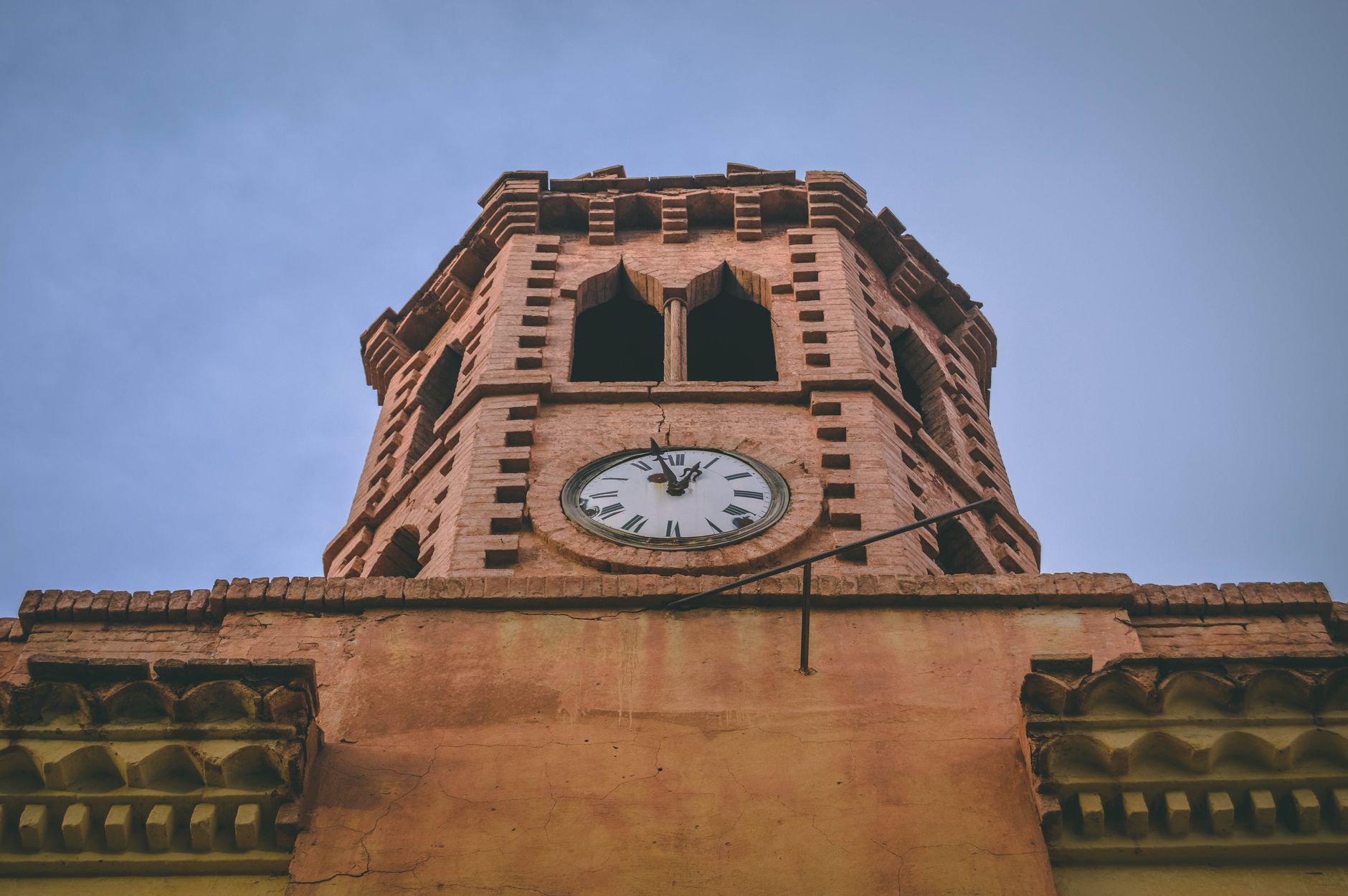
Photo Gallery
Explore Asmara in Pictures
Practical Information
Getting There
Fly into Asmara International Airport (ASM) — the only gateway to Eritrea. Scheduled carriers in 2026: Emirates, EgyptAir, Ethiopian, Turkish, plus Eritrean Airlines (tickets only via local agents). Land borders with Ethiopia, Djibouti and Sudan remain closed to tourists; no rail link from abroad exists.
Getting Around
City buses cover all districts but depart only when every passenger is seated—expect short waits. Yellow taxis are plentiful; no metered fare, so agree before boarding. No metro, tram or bike-share. Downtown Asmara is flat and compact—most sights sit within a 1 km radius of Harnet Avenue.
Climate & Best Time
Temperatures hover 23–27 °C days and 9–15 °C nights year-round thanks to altitude. Rains fall July–August; October–February brings clear skies and cool evenings—ideal for photography. Visit outside rainy season; nights drop to 8 °C in December, so pack a jacket.
Money & Connectivity
No ATMs accept foreign cards—bring all cash in USD or EUR and exchange at the airport booth (keep receipts). Credit cards accepted only at a few upscale hotels with 5 % surcharge. Internet is effectively unavailable; download offline maps before arrival.
Tips for Visitors
Cash Only
Bring crisp USD or EUR bills — no ATMs accept foreign cards. Exchange at the airport and keep every receipt; you’ll need them to change leftover nakfa back before departure.
No Govt Photos
Photographing soldiers, ministries, or the presidential quarter can get you arrested. When in doubt, keep the camera down.
Permits First
Your visa is valid only for Asmara. Ask your hotel to arrange separate travel permits for day trips like the Tank Graveyard or steam train — they’re issued same day but not at the last minute.
Eat Communal
Order zigni or tsebhi derho and eat from the shared injera with your right hand; asking for an individual plate is considered antisocial.
Sunset Stroll
Join the evening passeggiata along Harnet Avenue around 6 pm — the whole city walks, chats, and sips macchiato under the Italian-era façades.
Charter Train
The vintage steam train to Arberobo only runs if enough people charter it the night before; ask your hotel to add you to the list and confirm at 7 am.
Explore the city with a personal guide in your pocket
Your Personal Curator, in Your Pocket.
Audio guides for 1,100+ cities across 96 countries. History, stories, and local insight — offline ready.
Audiala App
Available on iOS & Android
Join 50k+ Curators
Frequently Asked
Is Asmara worth visiting? add
Yes — the entire downtown is a UNESCO site dripping with 1930s Italian modernism you won’t see anywhere else in Africa. Add living coffee ceremonies, safe night strolls, and a climate that feels like perpetual spring and you have one of the continent’s most singular cities.
How many days do I need in Asmara? add
Three full days covers the architecture core, a steam-train excursion, the Tank Graveyard, and at least one buna ceremony. Add an extra day if you want a permit-approved side trip to Massawa or Keren.
Is Asmara safe for solo travellers? add
Street crime is almost non-existent and solo female travellers report feeling comfortable walking after dark. The real risk is political: photographing government buildings or discussing politics can lead to questioning by security services.
Can I use credit cards in Asmara? add
No — plastic is useless outside a handful of upscale hotels that add a 5 % surcharge for manual swipe. Bring all the cash you’ll need in USD or EUR and exchange to nakfa on arrival.
When is the best time to visit Asmara? add
October through February give cool, dry days perfect for walking the modernist boulevards. July and August bring heavy afternoon downpours; many side roads turn to mud.
How do I get from Asmara airport to the city? add
Yellow taxis wait outside the small terminal; the 4 km ride to Harnet Avenue costs about 300–400 nakfa (≈20 USD) and takes 15 minutes. There is no public bus or shuttle.
Is the Fiat Tagliero building open to visitors? add
You need a 50-nakfa permit from the Ministry of Tourism office on Harnet Avenue; guards will unlock the door and let you walk onto the cantilevered wings for a 360-degree rooftop view.
Sources
- verified UNESCO World Heritage Centre — Official dossier and maps for Asmara's Modernist urban core, 1893-1941.
- verified That Travelista — Detailed photo walk-through of every major modernist building and how to access them.
- verified TuruHi travel guide — Up-to-date transport, permit rules, and cash-only economy specifics.
- verified Clumsy Girl Travels — Insider tips on the bowling alley, oldest pastry shop, brewery tours, and cemetery pair.
Last reviewed: