Neo-Gothic Anomaly
The Cathedral of Santa Isabel rises 40 meters above the old quarter, its white towers completed in 1916. Inside, the air smells of cool stone and old wood, a quiet contrast to the equatorial heat outside.
At sunset along Malabo's Paseo Marítimo, the sky fills with thousands of straw-colored fruit bats. Their flight is a silent, swirling exodus against the orange wash of the Gulf of Guinea. This is the capital of Equatorial Guinea, a city of stark contrasts where colonial whitewash meets the deep green of volcanic slopes.
Researched from Wikidata, Wikipedia & official sources · fact-checked · How we make our guides →
MAt sunset along Malabo's Paseo Marítimo, the sky fills with thousands of straw-colored fruit bats. Their flight is a silent, swirling exodus against the orange wash of the Gulf of Guinea. This is the capital of Equatorial Guinea, a city of stark contrasts where colonial whitewash meets the deep green of volcanic slopes.
Malabo is a city that reveals itself in layers. The twin 40-meter towers of the Cathedral of Santa Isabel, completed in 1916, anchor the old quarter. But step inside and the neo-Gothic grandeur gives way to a profound, cool silence. This quietude is deceptive. Just a few streets away, the Mercado Central erupts with the scent of smoked fish, fresh spices, and the rapid-fire Bubi and Fang languages.
The city’s history is written in stone and cacao. At Finca Sampaka, a 120-year-old plantation, third-generation guides show you stone ovens unchanged for a century. They'll snap a green cacao pod from the tree, let you taste the sweet pulp, and explain how this bitter bean built fortunes. You can feel the weight of that past in the wide, empty Plaza de la Independencia, a stage for official ceremonies that feels hushed the rest of the time.
What makes this place worth slowing down for.
The Cathedral of Santa Isabel rises 40 meters above the old quarter, its white towers completed in 1916. Inside, the air smells of cool stone and old wood, a quiet contrast to the equatorial heat outside.
Malabo National Park is 870,000 square meters of manicured escape. Locals gather at the bar by the lake most evenings, their laughter mingling with the sound of water over bridges.
Finca Sampaka has grown cacao for 120 years. The third-generation guides still roast beans in stone ovens unchanged for a century, the scent of chocolate and green pepper vines thick in the humid air.
Walk the Paseo Marítimo at sunset. Thousands of straw-colored fruit bats take flight overhead, their silhouettes black against the orange sky. The promenade’s bars fill as the light fades.
Where to wander, by quarter — each with its own rhythm.
The historic heart, a grid of narrow streets where Spanish colonial architecture shows its age with faded pastels and cracked balconies. You’ll find quiet courtyards, informal cafés, and murals that hint at stories. The harbor views from here are framed by rusting rooftops, a reminder this was the original port settlement.
The formal, governmental center of the city. It’s dominated by the white mass of the cathedral and surrounded by imposing administrative buildings. It feels expansive and often quiet, a place for contemplation and people-watching, but it comes alive during public events and ceremonies.
This is where the city meets the sea. The promenade is for evening strolls and ocean gazing, famous for its bat-filled sunsets. A few blocks away, the working fish market delivers a different energy—chaotic, salty, and visceral, with boats unloading their catch directly onto the docks for loud, fast auctions.
A green, manicured oasis in the urban fabric. The area around the park feels more residential and relaxed, with hotels like the Anda China and Bisila Palace nearby. It’s a district for walking, escaping the city bustle, and joining locals on the park’s bridges and paths in the cooler hours.
Where locals actually book dinner — not the tourist menus.
The central market’s stalls offer the city’s most direct flavors. Try grilled fish wrapped in leaves, spicy peanut stews, and fried plantains. The air smells of smoke, salt, and ripe fruit.
Near the working fish market, small grills serve the day’s catch minutes after auction. Expect whole grilled barracuda, prawns, and lobster, often eaten with your hands at plastic tables by the water.
Buy the farm’s own chocolate spreads from their gift shop. The dark variety carries the distinct, slightly fruity notes of their century-old cacao trees. It tastes of the island’s soil.
Small things that change how the city treats you.
Always ask before photographing official buildings like La Casa Verde or the Presidential Palace. Guards take security seriously.
Be on the Paseo Marítimo at sunset. Thousands of straw-colored fruit bats fly overhead. It’s worth planning your evening around.
Book your Finca Sampaka tour directly with guide Simplicio Jordan (+240 222581959). The 10,000 FCFA gets you a third-generation expert who knows every cacao tree.
Head to the working fish port for the freshest seafood. Go early for the auctions, but expect a chaotic, atmospheric scene.
Malabo National Park fills with locals, wedding parties, and joggers in the evening. The lakes and bridges look best in the late light.
The city, as it actually looks.

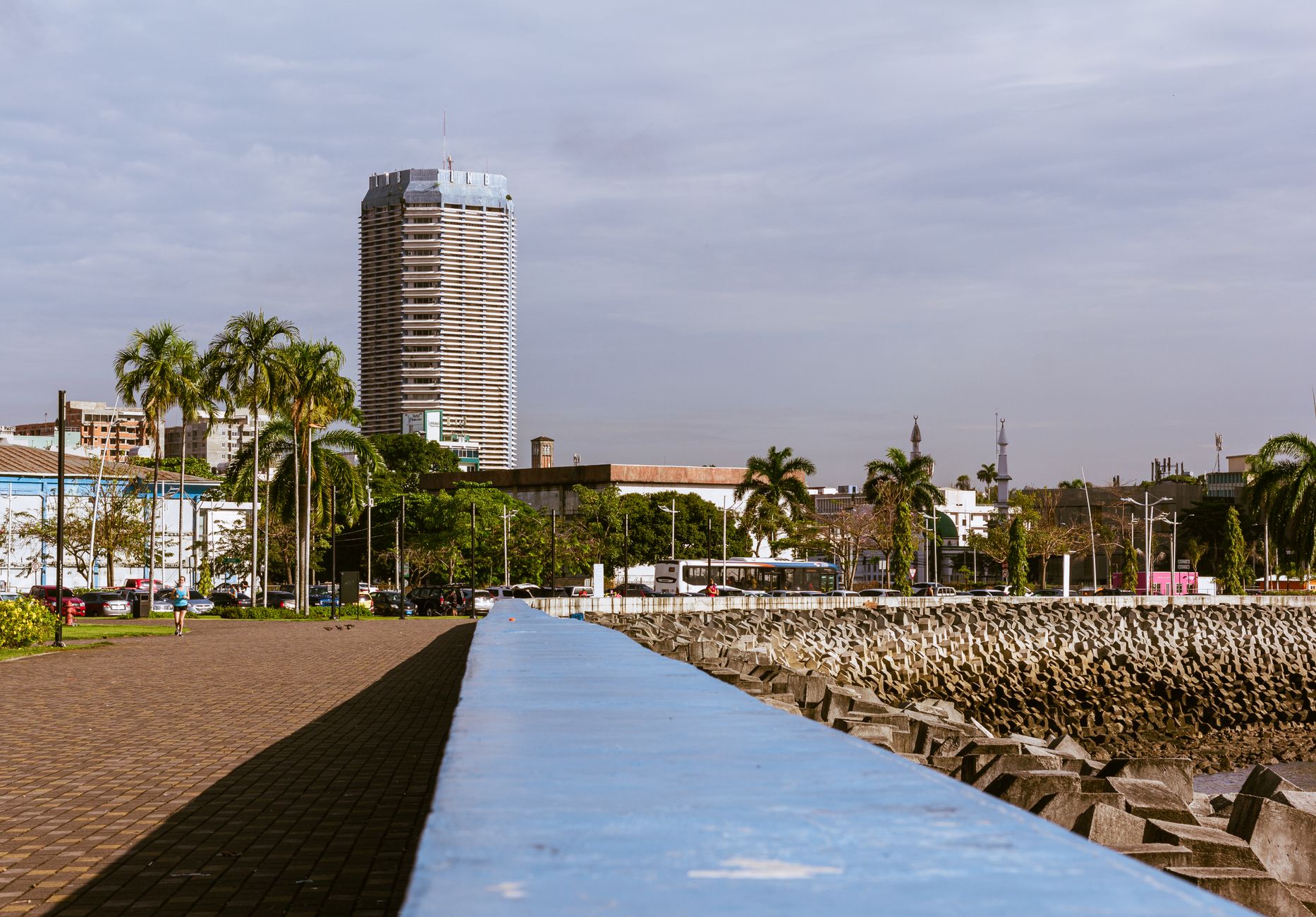
A tranquil, palm-lined path leads toward a white arched bridge in the beautiful city of Malabo, Equatorial Guinea.
Media Lens King on Pexels
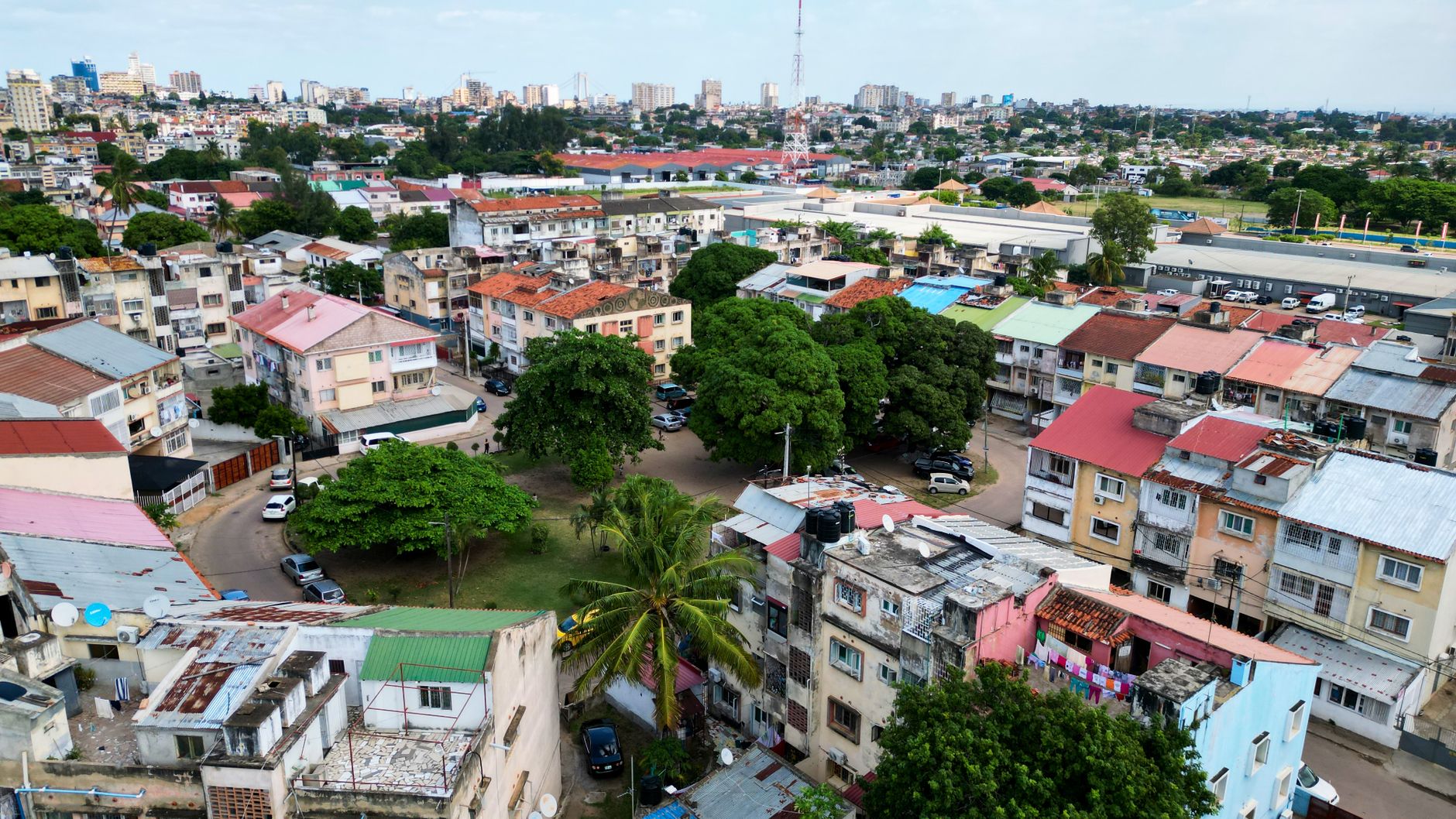
An elevated perspective of the vibrant residential architecture and lush urban greenery found in the city of Malabo, Equatorial Guinea.
SINAL Multimédia on Pexels
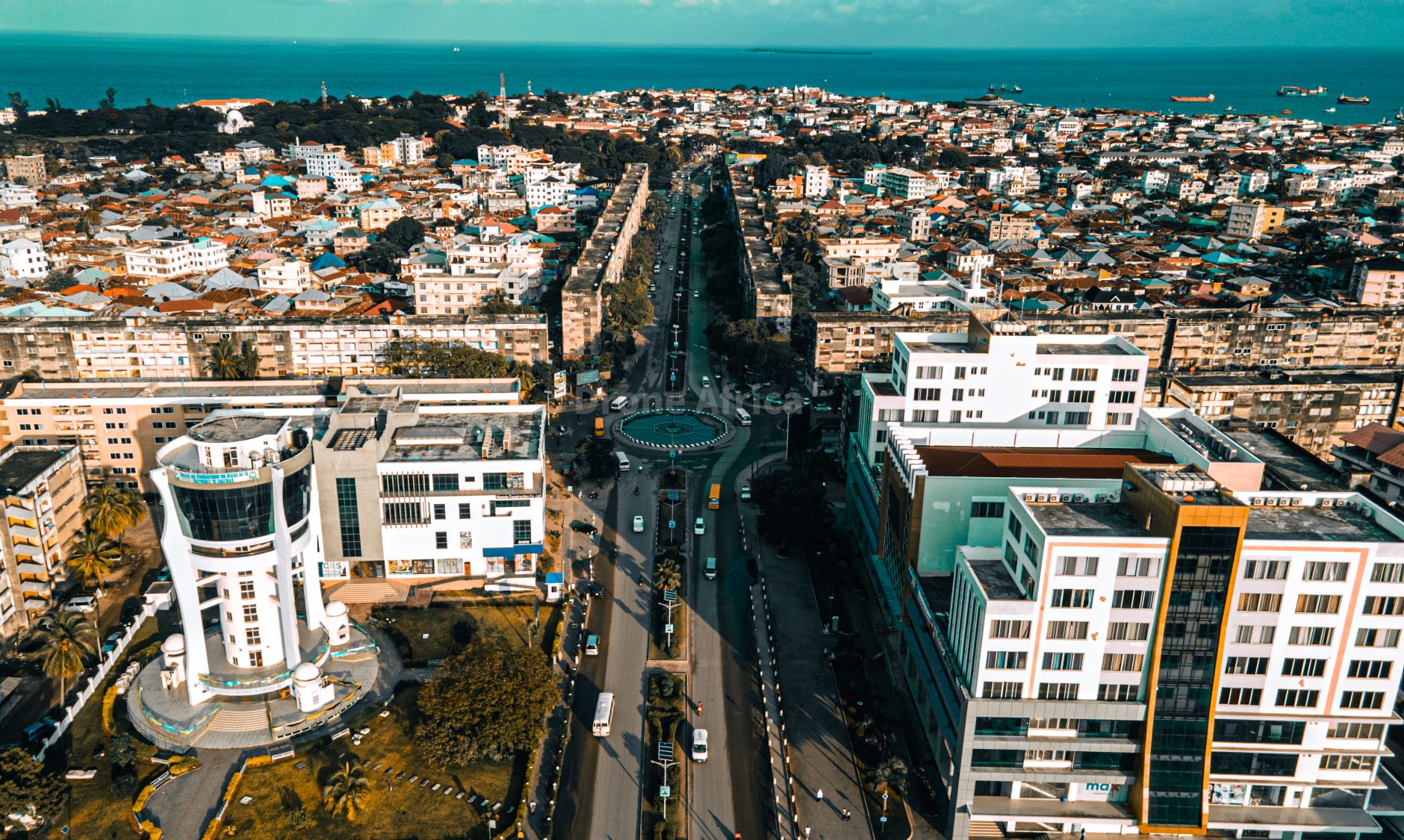
A stunning aerial perspective of Malabo, Equatorial Guinea, showcasing the city's unique blend of modern architecture and coastal urban layout.
Alex Levis on Pexels

A stunning aerial panorama captures the coastal beauty and unique architecture of Malabo, the capital city of Equatorial Guinea, under a dramatic sky.
Kelly on Pexels

An elevated perspective of Malabo, Equatorial Guinea, highlighting the city's diverse urban architecture and coastal setting.
SINAL Multimédia on Pexels
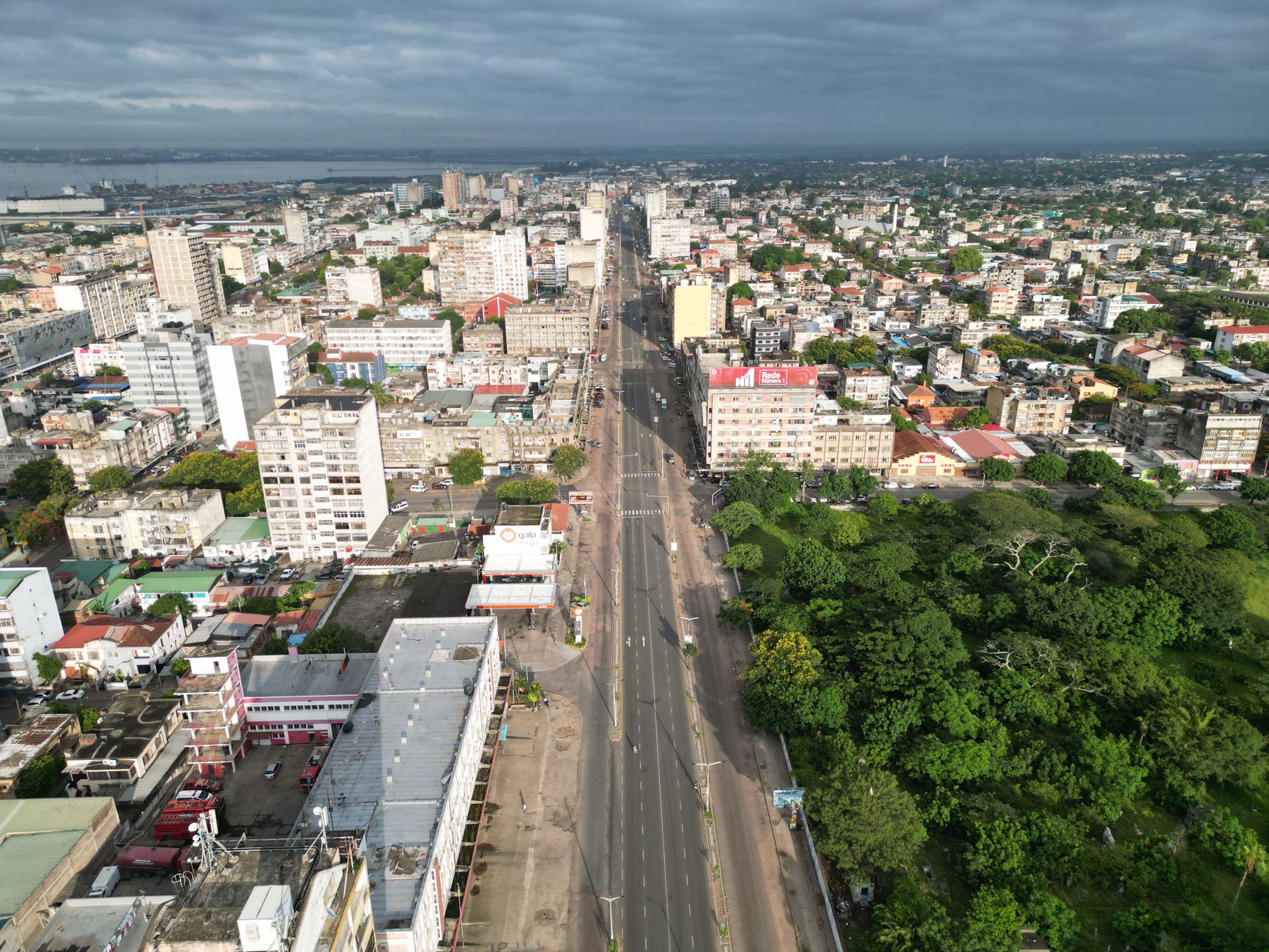
An elevated perspective of the city of Malabo, Equatorial Guinea, highlighting its urban layout, diverse architecture, and surrounding greenery.
SINAL Multimédia on Pexels

An elevated perspective of the vibrant residential architecture and urban layout of Malabo, the capital city of Equatorial Guinea.
SINAL Multimédia on Pexels
Yes, if you want a city that’s part sleepy colonial quarter, part working African port. Come for the cacao farm tours, the evening bat flights, and streets that feel lived-in, not staged. It’s not a typical tourist hub, which is precisely its appeal.
Three days is enough. One for the old town and cathedral, one for Finca Sampaka and the national park, and a final day for the market and sunset promenade. It’s a small, walkable capital.
Practice standard city caution. The old quarter is generally safe for walking. Be discreet with cameras near government buildings and don’t wander the port area at night. Petty theft happens, so guard your belongings.
Walk. The cathedral, national park, and Paseo Marítimo are all within walking distance of each other. For Finca Sampaka, you’ll need a taxi. Agree on the fare before getting in.
It can be. International hotels and imported goods carry a premium. Save money by eating at local spots near the Mercado Central and booking tours directly with guides instead of through agencies.
Visit during the dry season, from December to February. The skies are clearer, and the humidity is lower. Avoid the heavy rains between June and August.
Ready to book?
Malabo International Airport (SSG) connects to Madrid, Addis Ababa, and Accra. No major train stations exist on Bioko Island. The city is reachable by ferry from Bata on the mainland, a journey of several hours.
There is no metro or tram. Taxis are the primary transport; agree on a price before entering. Walking works for the compact old town and waterfront. No formal tourist transport passes existed as of 2026.
Temperatures hover between 22°C and 31°C year-round. The dry season runs December to February. July and August see heavier rain. Visit in the dry window for clearer skies and easier exploration.
Spanish is the official language, with French and Portuguese also used. The Central African CFA franc (XAF/FCFA) is the currency. Credit cards work in major hotels, but cash dominates markets and smaller venues.
Exercise standard urban caution. Avoid photographing government buildings like the Presidential Palace or La Casa Verde without permission. The market and port areas are vibrant but can be chaotic.
0 places, one continuous walking route. Free with your first city.