
Archaeological and Historical Significance
Origins and Early Development
Mendes’s origins trace back to the Naqada II period (ca. 4000 BCE), with excavations revealing early silos, ovens, and domestic structures that point to a flourishing agricultural community (Archaeolist). By the Old Kingdom (c. 2686–2181 BCE), Mendes emerged as a significant urban center, evidenced by a vast necropolis containing over 9,000 burials (BMCR).
Religious and Political Importance
As the capital of the 16th Lower Egyptian nome, Mendes reached its zenith during the 29th Dynasty (393–380 BCE), serving as Egypt’s national capital. The city was famed as the cult center of Banebdjedet, the ram-god of fertility and kingship, and home to a monumental temple complex modeled on the great processional temples of Thebes. Sacred rams were mummified and buried in the temple precincts, a religious practice unique to Mendes. During the New Kingdom, expansions under Thutmose III and Ramesses II further enhanced the city’s grandeur (BMCR).
Cultural Interactions and International Role
Strategically located in the Delta, Mendes became a cosmopolitan hub, especially during the Ptolemaic era when Greek and Egyptian influences mingled. The city’s decline in the 2nd century BCE was precipitated by environmental changes and the silting of the Mendesian Nile branch, shifting regional prominence to nearby Thmuis (BMCR).
Visitor Highlights: What to See at Mendes
1. The Temple of Banebdjedet
- Ruins and Processional Avenues Explore the main temple’s pylons, gateways, and processional routes.
- Sacred Lake Site of priestly purification ceremonies.
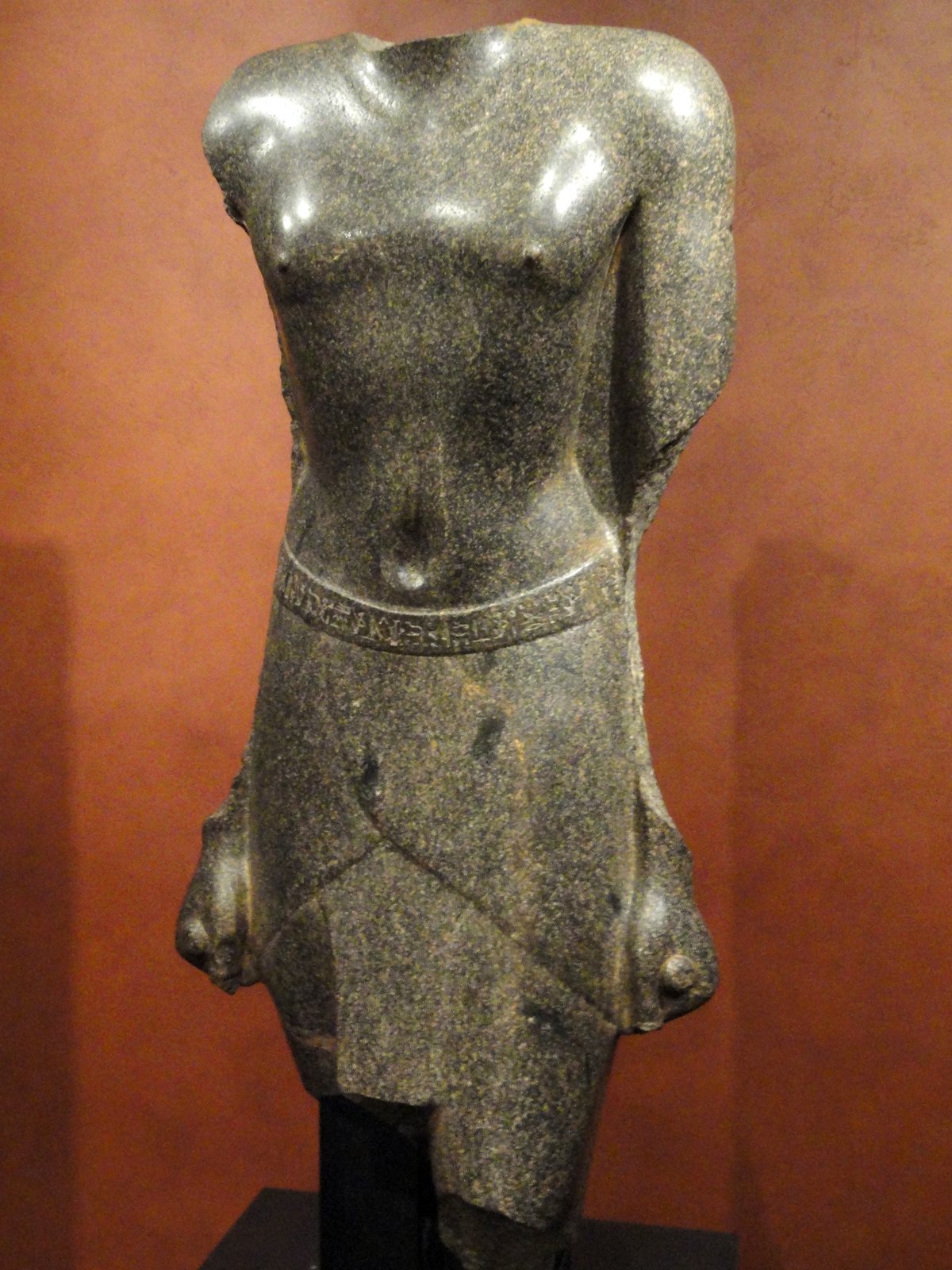
- Colossal Ram Statues and Inscriptions Fragments and stelae from pharaohs such as Nectanebo I and II (audiala.com).
2. Necropolis and Sacred Ram Burials
- Human and Ram Interments View the extensive burial grounds, including mummified rams—a practice unique to Mendes.
- Elite Tombs Painted tombs, mastabas, and limestone sarcophagi span from the Old Kingdom to the Ptolemaic era (audiala.com).
3. Residential and Economic Areas
- Workshops and Homes Evidence of ancient daily life in residential quarters and storage facilities.
- Defensive Remains Sections of fortification walls reflect the city’s turbulent history.
4. Mendesian Harbor and Economic Hub
- Harbor Remains Docks, warehouses, and granaries highlight Mendes’s role as a port and trade center.
- Perfume Production Mendesian perfume was a luxury export during Greco-Roman times (audiala.com).
5. Coptic and Islamic Heritage
- Monastery of Saint Demiana A vibrant pilgrimage site nearby, reflecting the region’s Christian legacy.
- Early Churches and Mosques Traces of Coptic and Islamic architecture illustrate the area’s layered history (audiala.com).
Essential Visitor Information
Visiting Hours and Tickets
- Opening Hours Daily, 8:00 AM to 5:00 PM.
- Tickets Standard entry is around 100 EGP for foreign visitors, 50 EGP for Egyptian nationals. Discounts apply for students and seniors. Tickets can be bought at the entrance or via official tourism sites (audiala.com).
Accessibility and Site Facilities
- Accessibility Terrain is uneven with dirt paths and excavation areas; limited wheelchair access. Arrange assistance in advance if needed.
- Facilities Basic restrooms near the entrance; no cafés or shops on-site. Bring water, snacks, and sun protection (travelyesplease.com, lonelyplanet.com).
Getting There: Transportation and Location
- Location Near Tell El-Ruba in Markaz Bilqās, about 15 km southeast of Mansoura. GPS strongly recommended.
- Transport Best reached by private car or guided tour. From Cairo (approx. 2–3 hours), drive or take a train/bus to Mansoura and a local taxi/minibus onward (Memphis Tours, Wikipedia).
Guided Tours and Experiences
- Local Guides Available on-site or by prior arrangement, providing expert context and stories.
- Audio Guides and Virtual Resources Enhance your experience with interactive maps and digital content (audiala.com).
Practical Travel Tips
Best Time to Visit and Climate
- Ideal Season October to April (cooler months, 15–25°C).
- Weather Hot summers (above 35°C); mild, wetter winters (Odynovo Tours, Travellers Worldwide).
Etiquette and Safety
- Dress Modestly Shoulders and knees covered, especially in religious sites.
- General Safety Site is safe; standard precautions apply. Stick to marked paths and avoid touching artifacts (earthtrekkers.com).
- Health No on-site medical facilities; nearest hospitals in Mansoura. Carry essentials.
Photography, Events, and Local Experiences
- Photography Permitted, but ask before photographing people or active excavations.
- Events Occasional festivals and archaeological talks; check with local operators.
- Local Culture Explore markets in Bilqās and sample Egyptian tea and sweets (audiala.com).
Artifacts and Museums
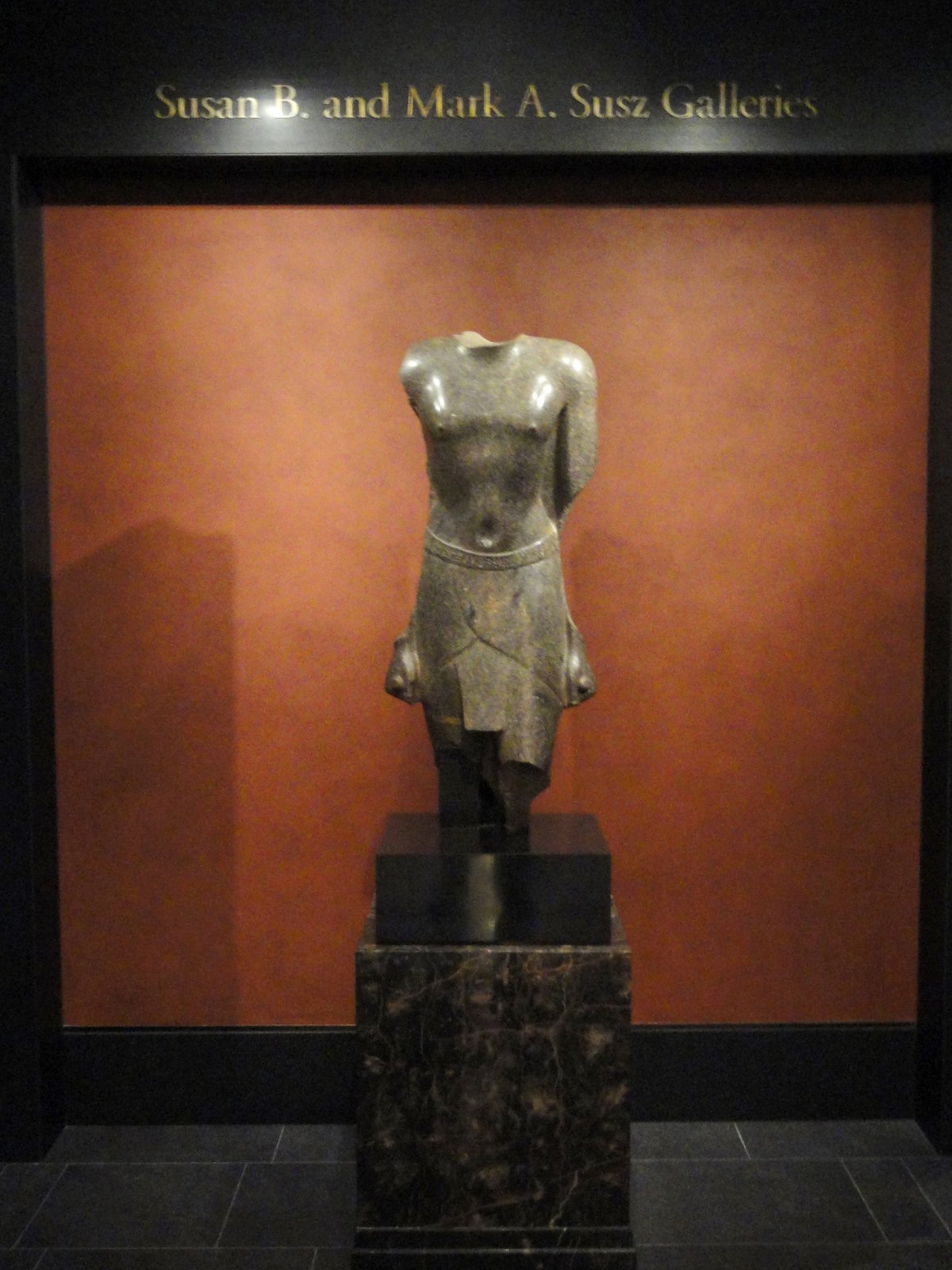
Many Mendes artifacts—statues, pottery, bronze and faience figurines, decorated sarcophagi, and ancient coins—are displayed at the Egyptian Museum, Cairo, and the Mansoura Museum.
Frequently Asked Questions (FAQ)
Q: What are Mendes’s visiting hours?
A: 8:00 AM to 5:00 PM daily.
Q: How do I buy tickets?
A: Purchase at the entrance or through official tourism websites.
Q: Is Mendes accessible for people with disabilities?
A: Accessibility is limited; contact site management in advance for assistance (Journeyable, Egypt Tours Plus).
Q: What should I bring?
A: Sturdy shoes, sun protection, water, and a camera. Dress modestly.
Q: Are guided tours available?
A: Yes, and they are recommended for a richer experience.