
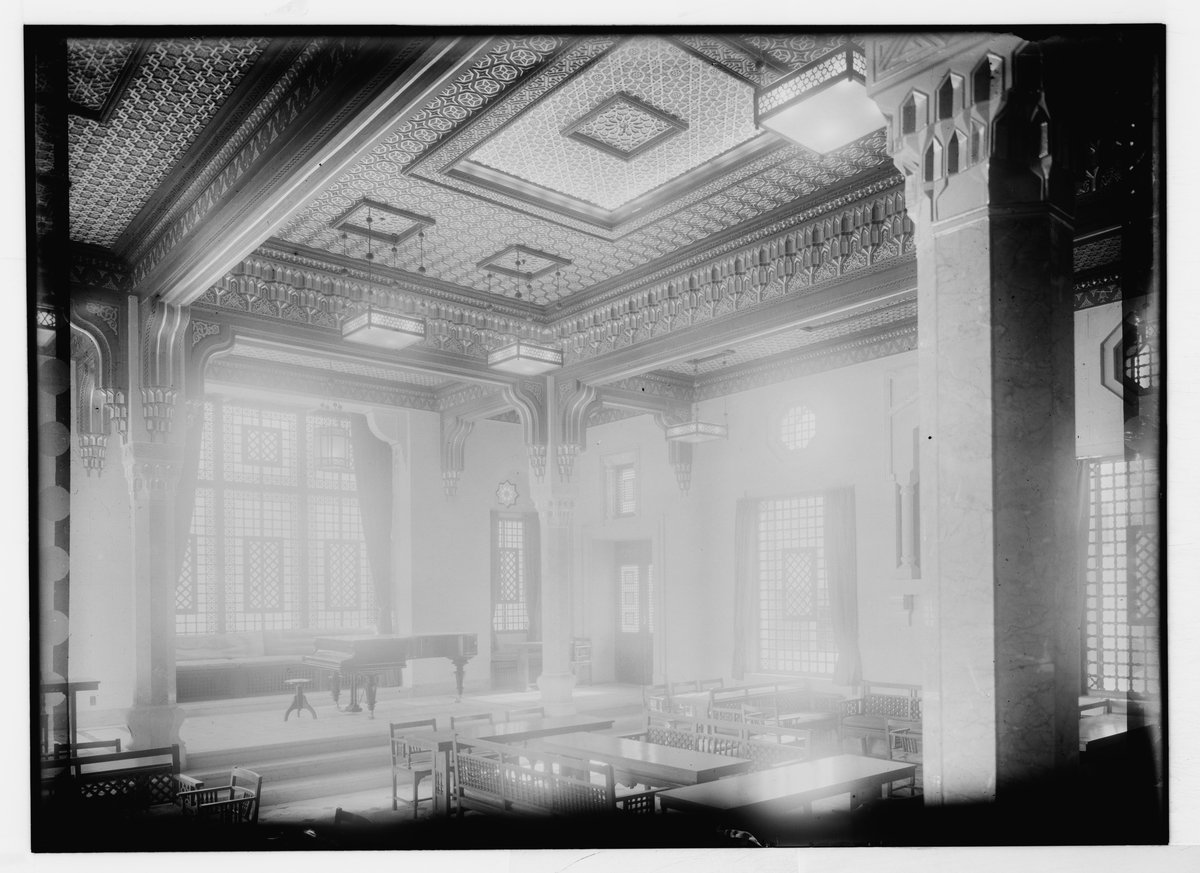
1. Discover The American University in Cairo: History and Academic Evolution
Founding and Mission
Established in 1919, AUC was created to provide an English-language, liberal arts education in Egypt, promoting both academic rigor and service to society (AUC Mission and History). Under the vision of Charles R. Watson, the university emphasized critical inquiry and personal integrity.
Growth and Modernization
AUC has expanded its academic offerings to more than 90 programs and relocated in 2008 to a state-of-the-art campus in New Cairo, integrating sustainable design and Egyptian architectural motifs (AUC Campus Tours; Architects Hub).
Role in Society
AUC is a beacon for intellectual and cultural exchange, attracting students and faculty from over 60 countries. Its alumni have become prominent leaders in business, government, academia, and the arts (Times Higher Education).
Academic Reputation
AUC is ranked among the top universities in Egypt and the region, recognized for strengths in engineering, sciences, and the humanities (EduRank). Its faculty contribute to global research and public discourse.
Cultural Significance
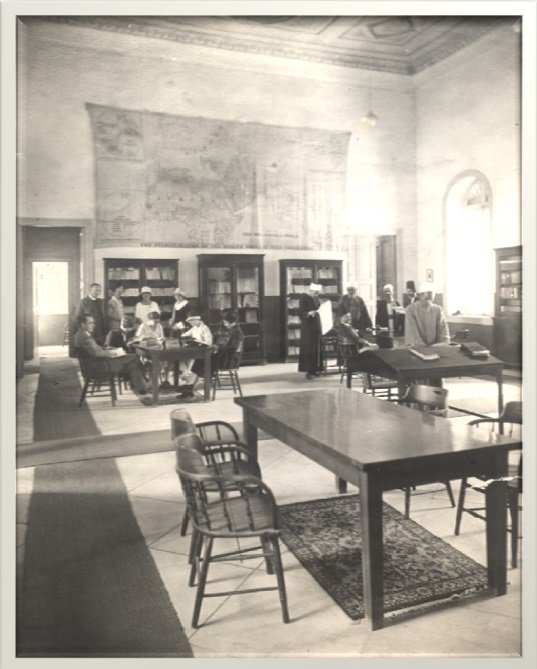
Beyond academics, AUC enriches Cairo’s cultural life through exhibitions, performances, and public programs. Its Rare Books and Special Collections Library is a vital resource for Middle Eastern studies (AUC Library Tours).
2. Visiting the American University in Cairo: Essential Information
Campus Locations and Layout
Tahrir Square Campus
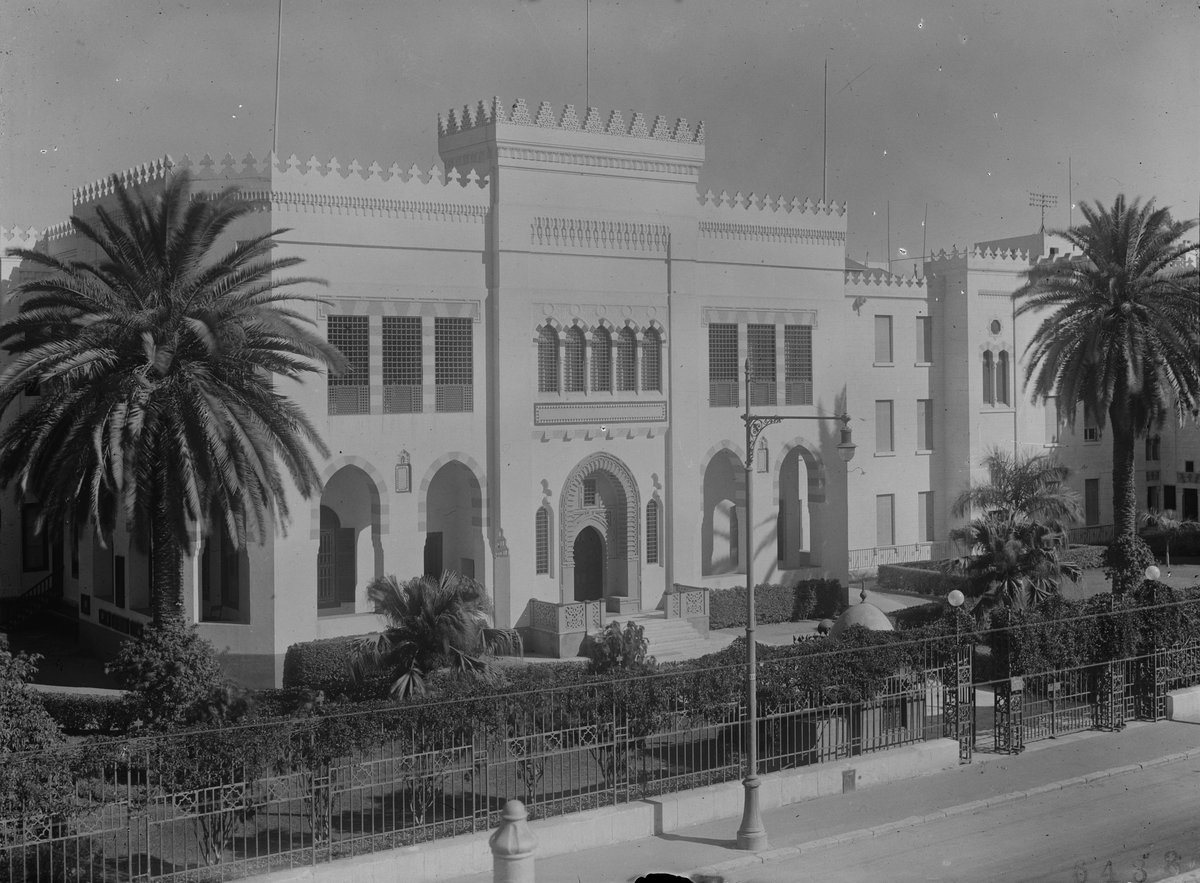
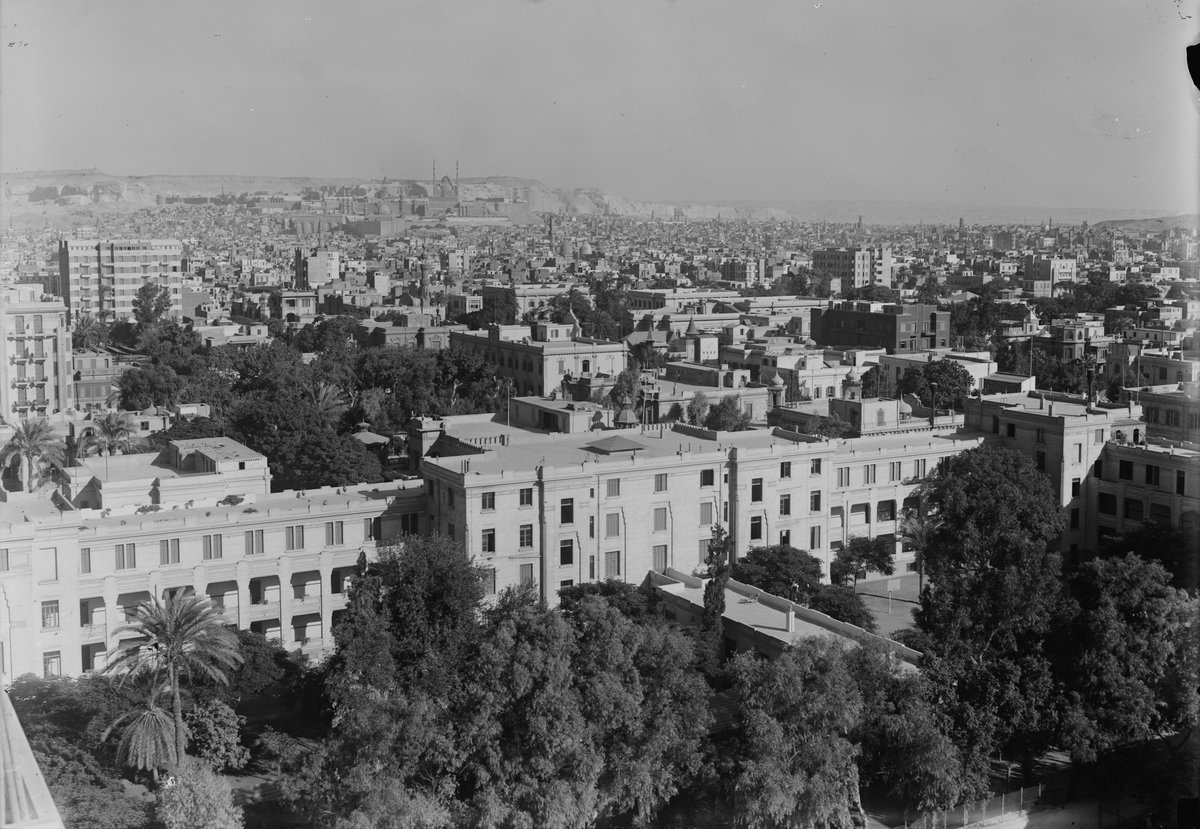
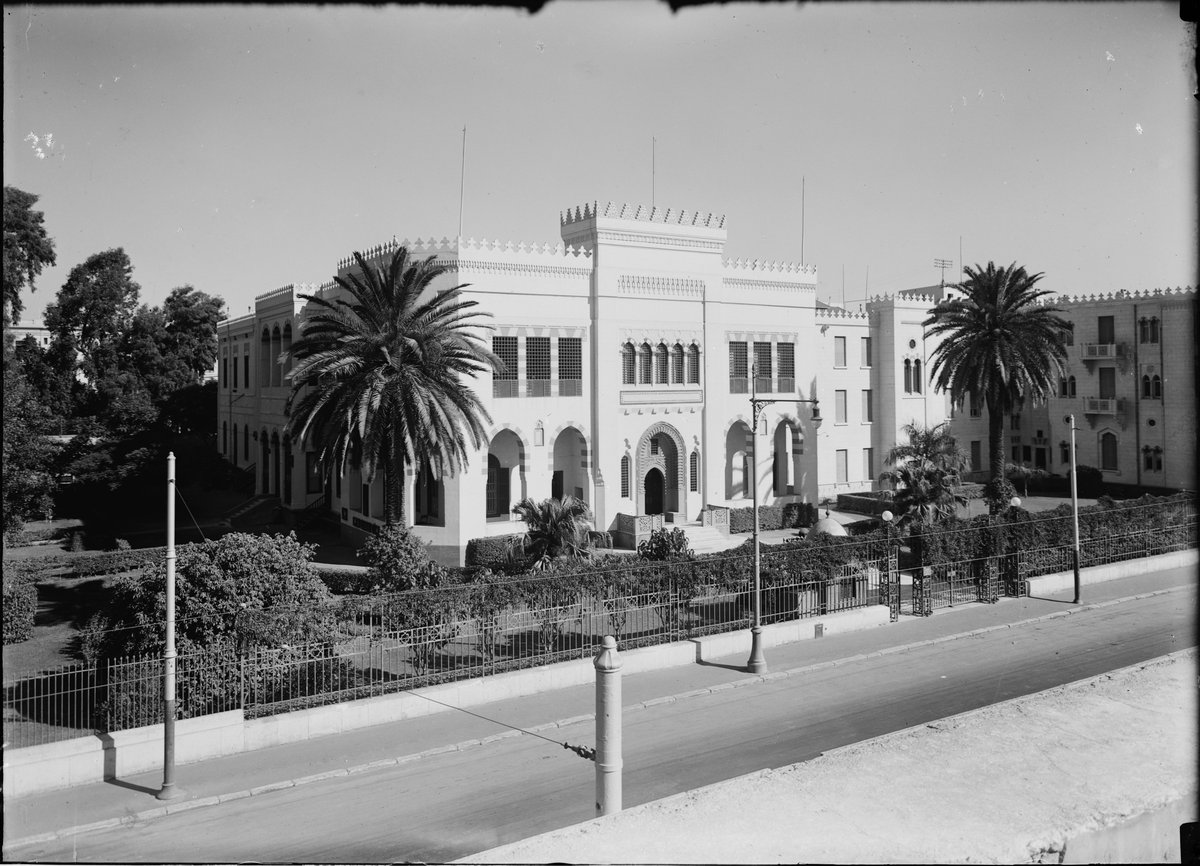
Located at the heart of downtown Cairo, the historic Tahrir Square campus features neoclassical architecture and lush courtyards. It is a hub for cultural events and continuing education (AUC Tahrir Square).
New Cairo Campus
Spanning 260 acres, the New Cairo campus offers advanced academic and social facilities, boasting sustainable design with sandstone facades and green spaces (Architects Hub).
Visiting Hours and Ticketing
- Tahrir Square Campus 8:00 AM – 6:00 PM, daily.
- New Cairo Campus 8:00 AM – 7:00 PM, daily.
Admission is generally free, but tickets or registration may be required for special events (AUC Official Website). Always check event listings or contact the visitor center before arrival.
Security and Entry
Visitors must present valid photo identification and may be required to register at the entrance. Security measures are in place to ensure a safe and welcoming environment.
Accessibility
Both campuses are designed to be accessible, featuring ramps, elevators, and accessible restrooms. Visitors with special needs should contact the university in advance (Architects Hub).
Guided Tours and Events
Guided tours are available and offer insights into AUC’s history, architecture, and student life. The university also hosts a variety of public events, including exhibitions and festivals (AUC Events).
Photographic Spots
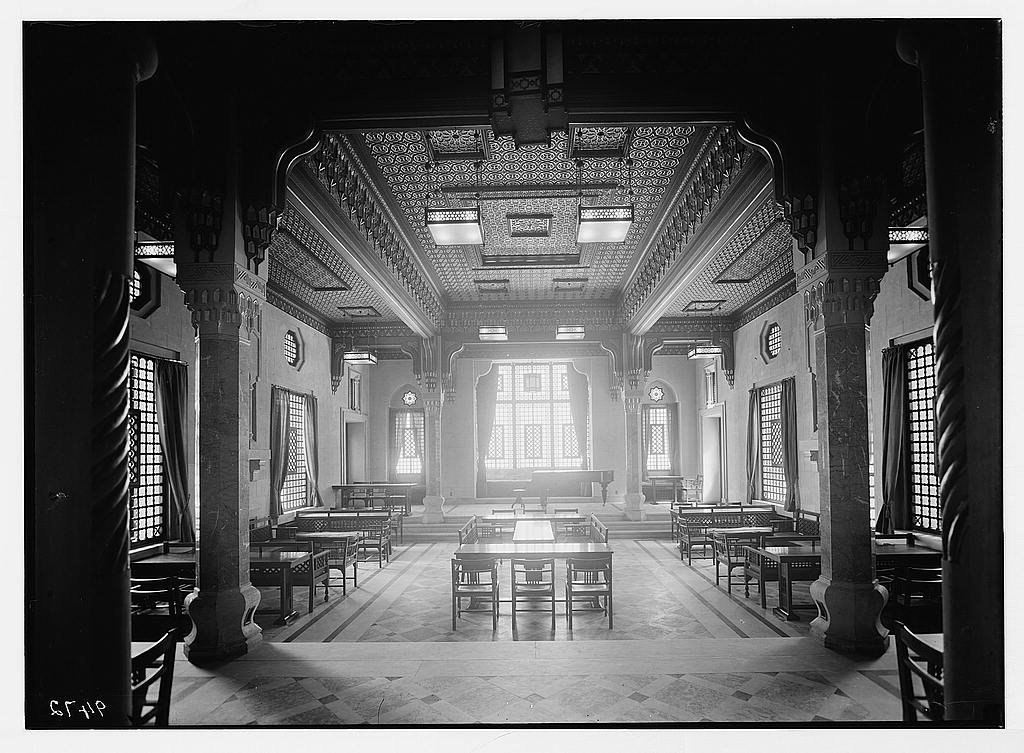
Capture the harmony of modern and traditional architecture, especially in the gardens, library interiors, and outdoor courtyards.
Dining and Bookstores
Explore campus cafeterias and coffee shops for Egyptian and international cuisine. The AUC Bookstores offer academic texts, souvenirs, and local crafts (AUC Bookstores).
3. Practical Tips for Visitors
Getting There and Parking
- Tahrir Square Campus Accessible by taxi, metro (Sadat station), or on foot from central Cairo hotels. Parking is limited; public transit is recommended.
- New Cairo Campus Reachable by taxi, ride-hailing apps, or university shuttle; parking is available on-site.
Safety and Health
AUC maintains a secure campus with visible security staff. Visitors should remain aware of their surroundings, secure valuables, and use official transportation. For emergencies, contact AUC’s Office of Safety and Security at +20.2.2615.1000 (Egyptian Ministry of Tourism).
Have comprehensive travel insurance and bring necessary medications. Vaccinations for Hepatitis A, Typhoid, and others are recommended.
Dress Code and Etiquette
Dress modestly, especially when attending events or visiting religious sites. Alcohol is permitted only in licensed venues. Always ask permission before photographing people or sensitive sites (Trips in Egypt).
Cultural Sensitivity
Egypt is conservative; respect local customs, avoid public displays of affection, and learn a few basic Arabic phrases to enhance your visit.
Environmental Considerations
The best time to visit is October–April. Air quality can be variable; those sensitive to pollution may consider wearing masks.
4. Nearby Attractions
- Egyptian Museum Home to world-renowned ancient artifacts, a short walk from Tahrir Square.
- Great Pyramids of Giza Approximately 45 minutes by car from New Cairo (Great Pyramids Ticketing Info).
- Coptic Cairo Explore ancient churches and the Ben Ezra Synagogue.
- Khan El-Khalili Historic bazaar for shopping and local crafts.
- Heliopolis Ancient city and architectural landmark.
Tickets to major sites can be purchased on location or through authorized vendors; guided tours are recommended for deeper insights.
5. Frequently Asked Questions (FAQs)
Q: What are AUC’s visiting hours?
A: Tahrir Square: 8:00 AM–6:00 PM; New Cairo: 8:00 AM–7:00 PM. Confirm on the AUC website.
Q: Is there an entrance fee?
A: General campus access is free. Tickets may be required for special events.
Q: Is parking available?
A: Limited at Tahrir Square; more available in New Cairo.
Q: Are guided tours offered?
A: Yes, book in advance via the visitor center or university website.
Q: Is the campus accessible?
A: Yes, both campuses have accessible features.
Q: Can I visit nearby historical sites from AUC?
A: Yes, AUC’s central locations make it easy to explore Cairo’s major attractions (Egyptian Ministry of Tourism).