


Historical Background
The Royal Necropolis of Memphis
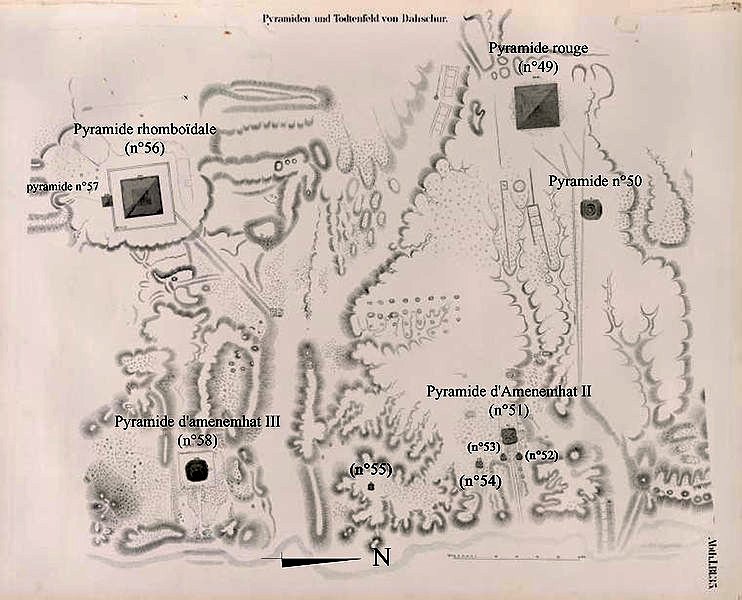
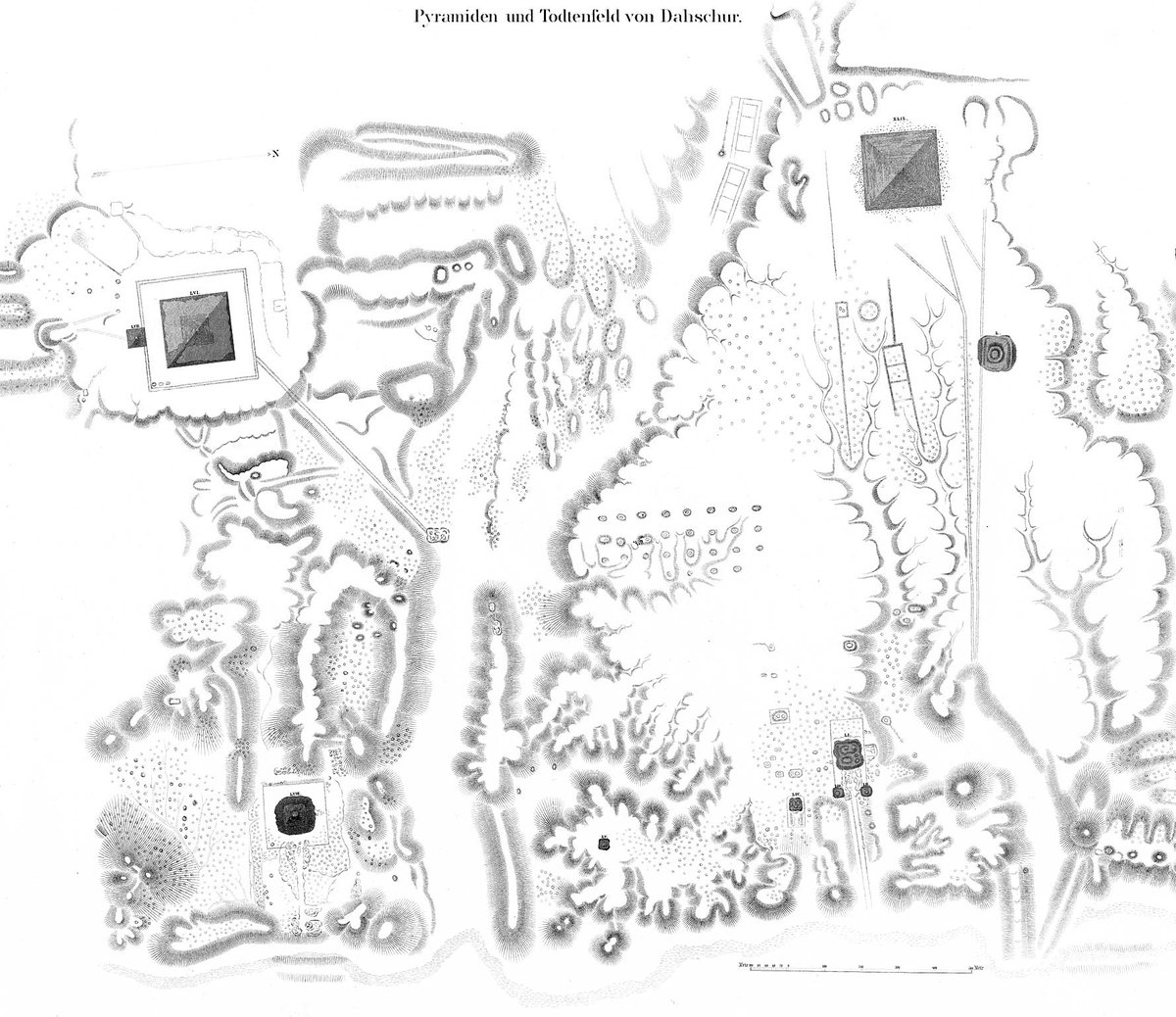
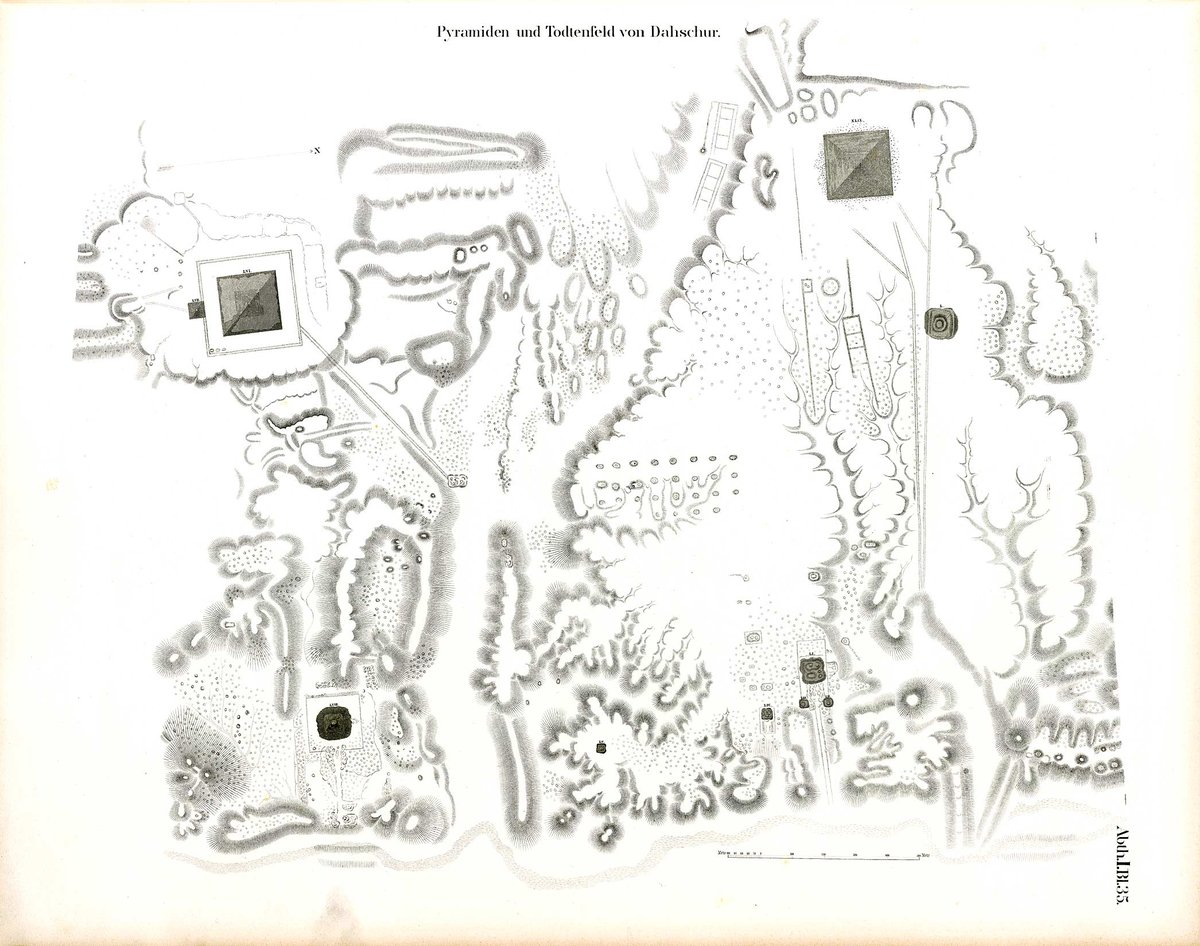
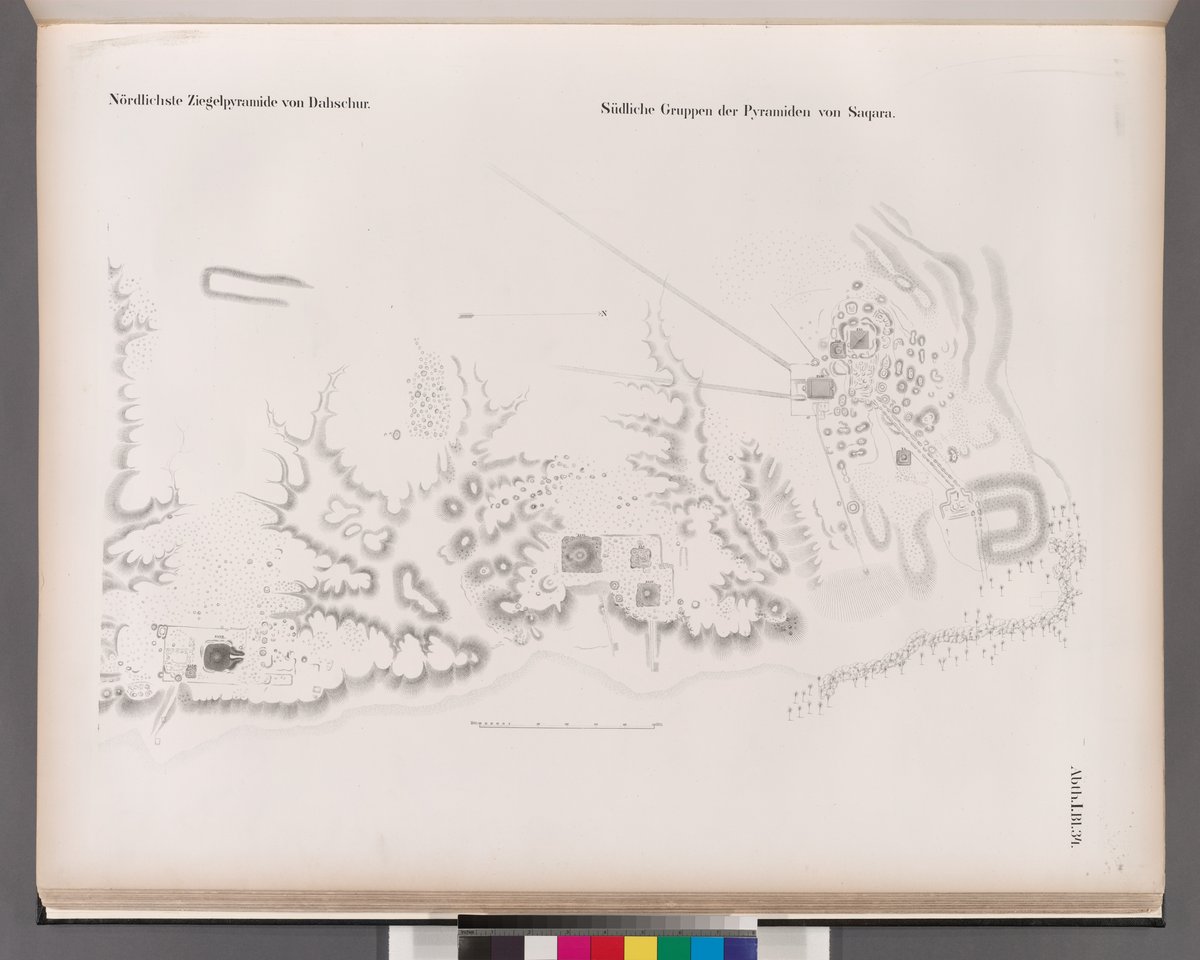
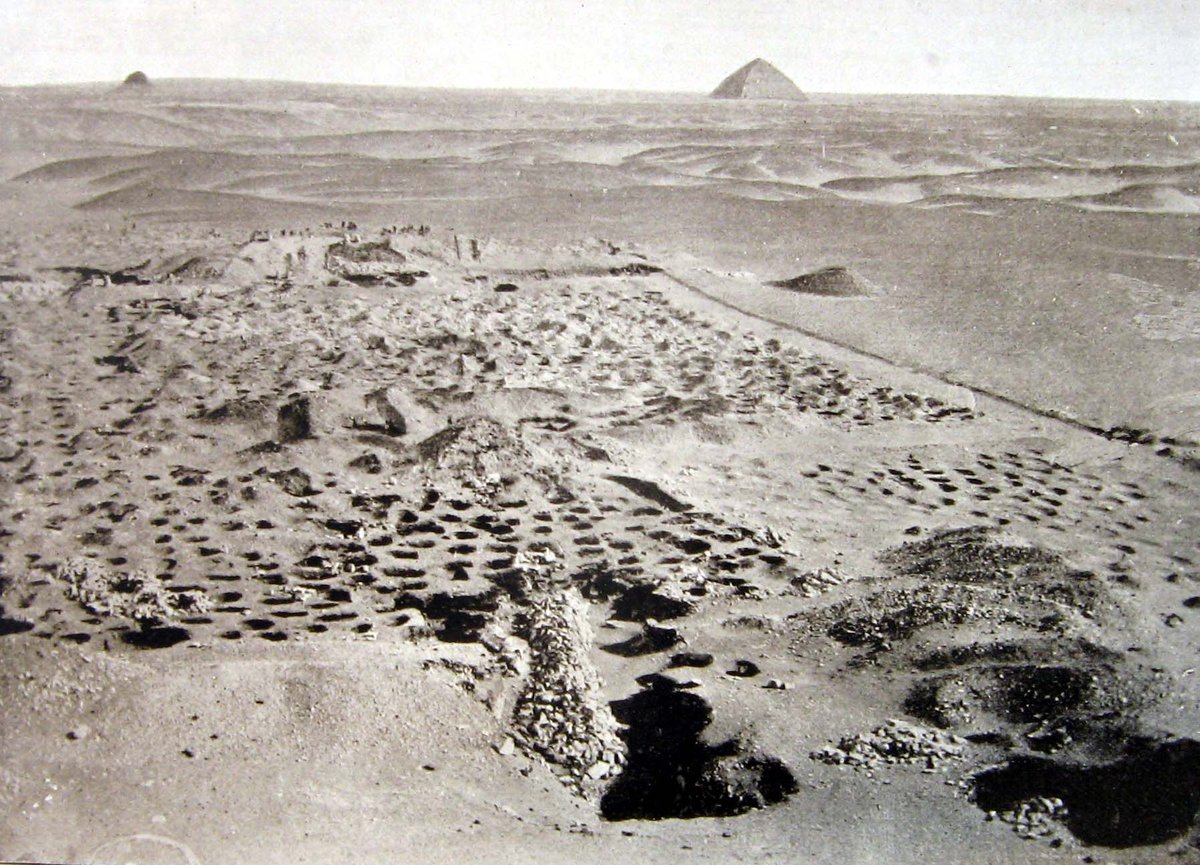
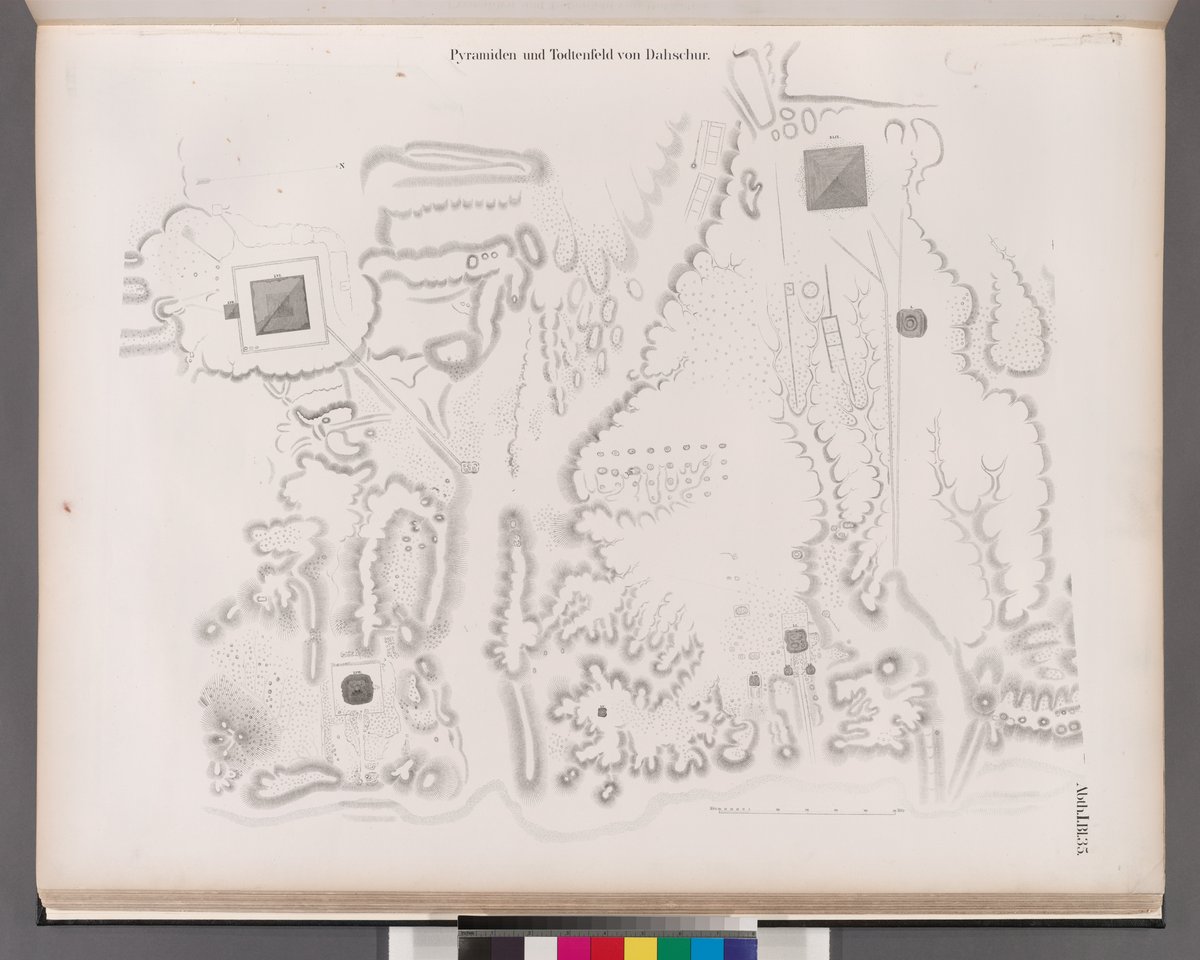
Dahshur forms a key part of the vast necropolis of ancient Memphis, serving as an elite burial ground for pharaohs and high officials during the Old and Middle Kingdoms (wikivoyage; map-for-tourist.com). This site offers a unique perspective on the evolution of Egyptian funerary architecture and religious practices over millennia (topoi.org).
Sneferu’s Architectural Revolution
The transformative reign of Pharaoh Sneferu marked Dahshur’s golden age. Seeking perfection of the royal tomb, Sneferu ordered the construction of both the Bent Pyramid and the Red Pyramid, facilitating the leap from step-sided to true smooth-sided pyramids (ancientpedia.com; wonders-of-the-world.net). These innovations directly influenced subsequent pyramid construction, including the Great Pyramid at Giza (architecturecompetitions.com).
The Main Pyramids of Dahshur
The Bent Pyramid
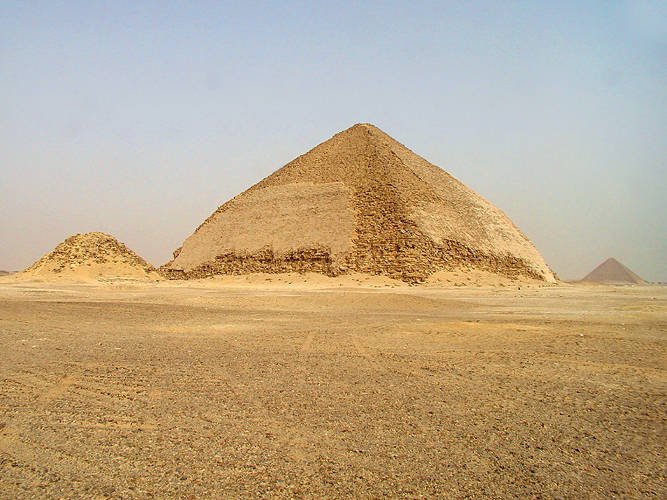
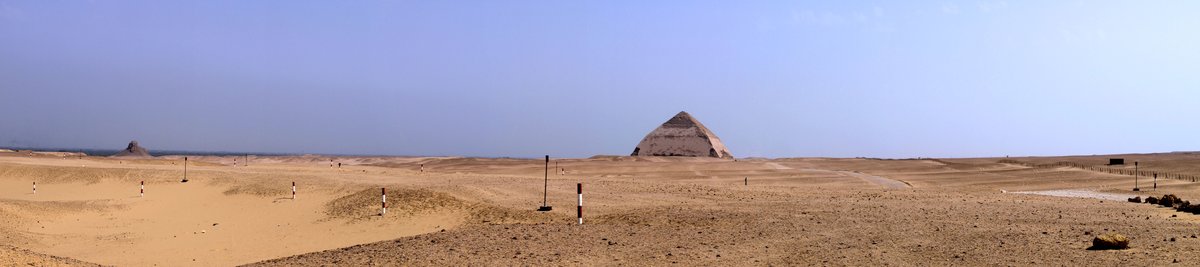
The Bent Pyramid is instantly recognizable due to its noticeable change in angle—rising at a steep 54 degrees before shifting to a shallower 43 degrees midway up (architecturecompetitions.com; egyptmythology.com). This design reflects ancient engineers’ attempts to solve structural challenges and avoid collapse. The pyramid retains much of its original limestone casing, offering rare insight into the original appearance of Egyptian pyramids (facts.net).
Visitors can enter the Bent Pyramid’s interior—a unique privilege among Egyptian pyramids—exploring passageways and chambers that highlight ancient construction techniques (historytools.org).
The Red Pyramid
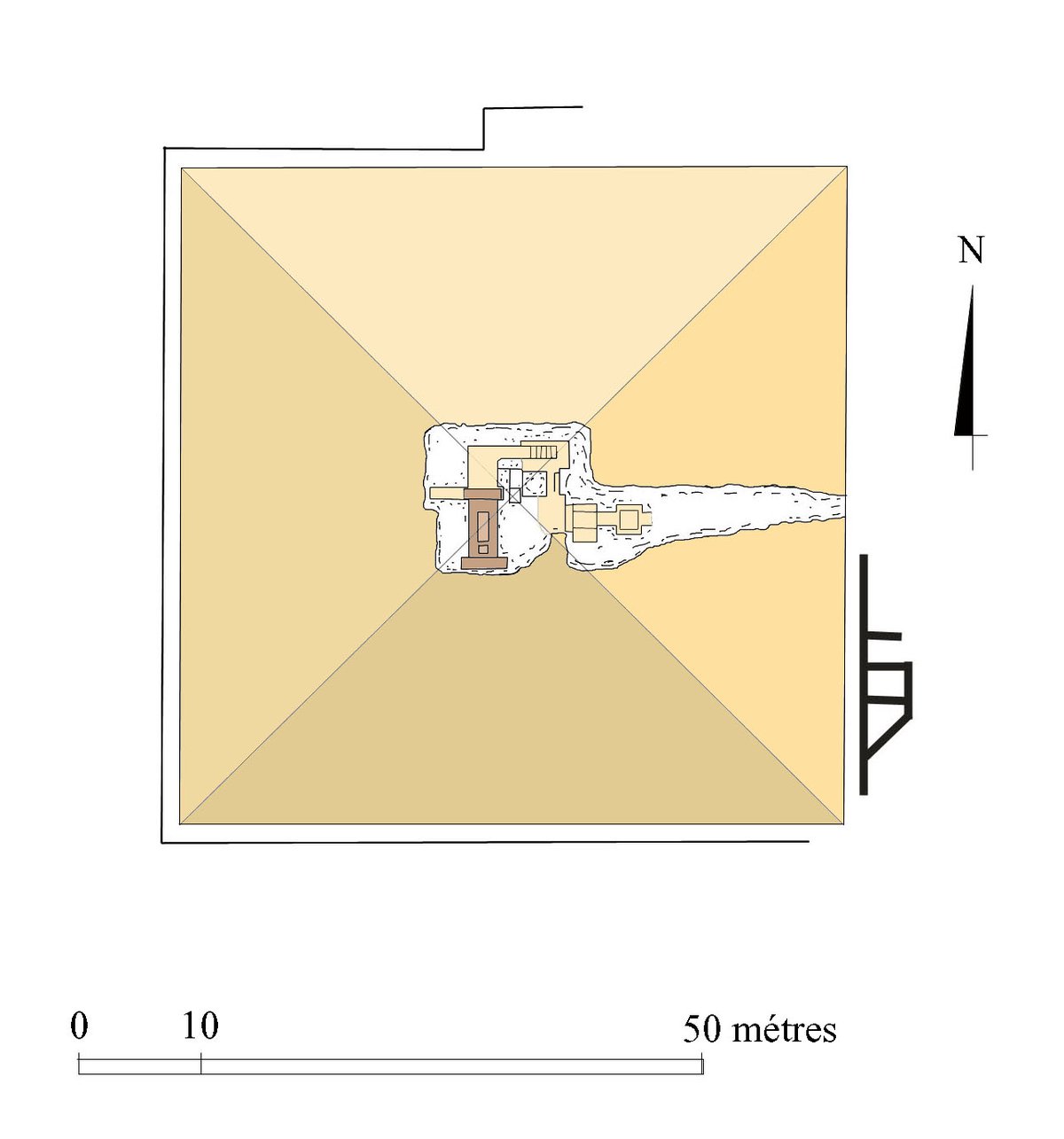
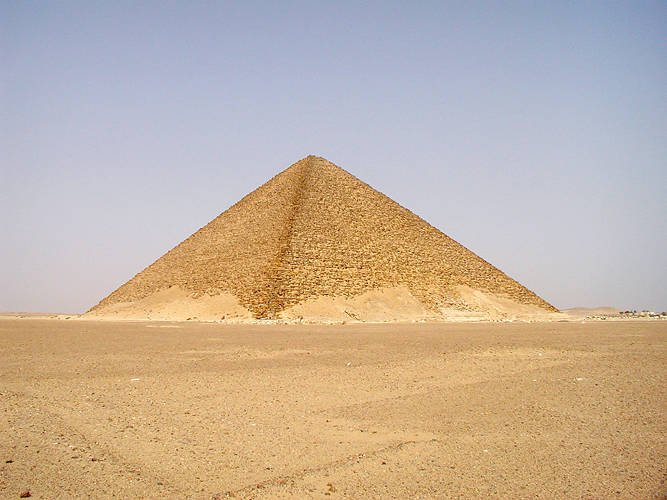
The Red Pyramid, just north of the Bent Pyramid, is considered Egypt’s first successful smooth-sided pyramid. Standing at 104 meters (341 feet), it set the standard for later pyramid construction, including Khufu’s masterpiece at Giza (ancientpedia.com). Its reddish limestone core gives the monument its name. Inside, a narrow passage leads to three impressive chambers with corbelled ceilings (historytools.org; audiala.com).
The Black Pyramid and Middle Kingdom Developments
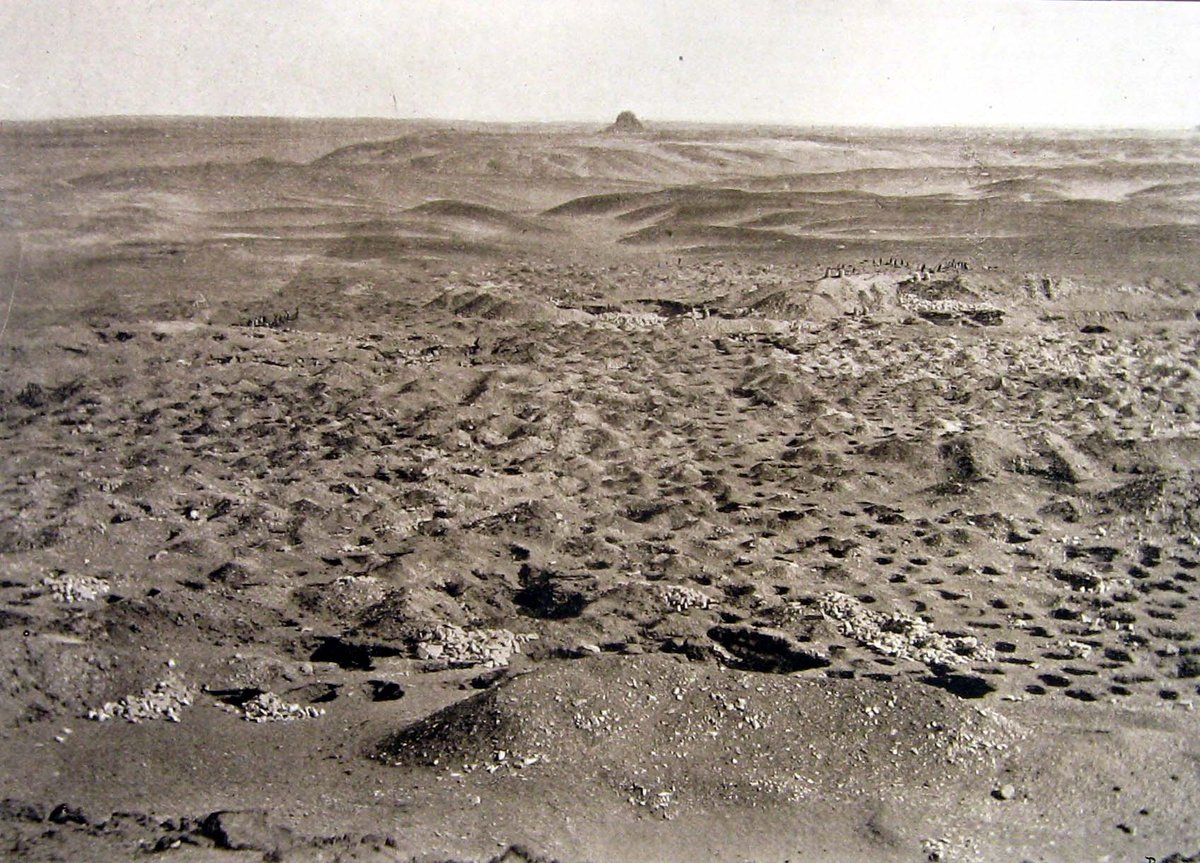
The Black Pyramid, built by Amenemhat III during the Middle Kingdom, represents a later phase of pyramid construction. Built mainly with mudbrick and clay, it has largely collapsed, but remains significant for its historical context (facts.net). Other Middle Kingdom pyramids, such as those of Senusret III and Amenemhat II, are present as mounds or ruins, reflecting Dahshur’s sustained royal significance (egypt-uncovered.com).
Visitor Information
Visiting Hours and Ticketing
- Opening Hours Dahshur is typically open daily from 8:00 AM to 4:00 or 5:00 PM, though hours may adjust seasonally. Always verify current hours before your visit (egipto.com).
- Ticket Prices As of June 2025, entry costs approximately 300 EGP for adults, 150 EGP for students (with ID), and children under 12 receive a discount (nileempire.com). Tickets cover both the Bent and Red Pyramids and allow interior access.
- Payment Credit cards are widely accepted for ticket purchases; cash is rarely accepted at major sites. Consider booking online during peak tourist seasons (egypttailormade.net).
Accessibility and Travel Tips
- The site’s terrain is sandy and uneven; comfortable walking shoes are essential.
- Pyramid interiors involve steep, narrow passages requiring stooping or crouching—these are not wheelchair accessible.
- Bring sun protection (hat, sunscreen, sunglasses) and water, as there is minimal shade and no on-site food services (nitsaholidays.in).
- Early mornings or late afternoons are best for avoiding heat and crowds and for optimal photography lighting (audiala.com).
Transportation Options
- Private Car/Taxi The most convenient way to reach Dahshur; expect a 45-minute to 1-hour drive from Cairo. Ride-hailing apps like Uber and Careem are available, but confirm your return trip (egipto.com).
- Guided Tours Many agencies offer tours combining Dahshur with Saqqara and Memphis, including transportation and a licensed guide (traveltoegypt.net).
- Public Transport Not recommended, as the nearest bus stops are several kilometers from the site.
Facilities and Amenities
- Restrooms Basic facilities are available near the ticket office.
- No on-site cafés or restaurants Bring your own snacks and water.
- Souvenirs Limited vendors at the entrance; selection is modest compared to Giza or Saqqara.
- No accommodation Most visitors stay in Cairo or Giza and visit Dahshur as a half-day excursion (blog.travelhackfun.com).
Guided and Independent Visits
- Guided Tours Strongly recommended for historical context and managing interactions with unofficial vendors (blog.travelhackfun.com).
- Independent Visits Possible, but expect solicitation from unofficial guides; bring a downloaded guidebook or audio guide for context.
Archaeological Discoveries and Preservation
Dahshur is an active archaeological site, with ongoing excavations revealing tombs, artifacts, and inscriptions that shed light on ancient Egyptian society, administration, and beliefs (facts.net; topoi.org). Conservation efforts are underway to protect pyramids from environmental threats such as erosion, groundwater, and agricultural encroachment. Visitors are asked not to climb on the monuments to help preserve them for future generations.
Frequently Asked Questions (FAQ)
Q: What are Dahshur’s visiting hours?
A: Generally open from 8:00 AM to 4:00 or 5:00 PM daily, but confirm before your visit.
Q: How much do tickets cost?
A: Approximately 300 EGP for adults, 150 EGP for students; children under 12 receive discounts.
Q: Are the pyramids accessible to people with disabilities?
A: The sandy terrain and steep, narrow interiors make access challenging for visitors with mobility issues.
Q: How do I get to Dahshur from Cairo?
A: By private car, taxi, or guided tour; the journey takes 45 minutes to an hour.
Q: Can I enter the pyramids?
A: Yes, interior access to the Bent and Red Pyramids is included with your ticket.
Q: Are guided tours available?
A: Yes, and they are highly recommended for a richer understanding of the site.