Introduction to TT414 Luxor: Essential Insights for Visitors
TT414, located on Luxor's west bank within the El-Assasif necropolis, stands as a remarkable testament to the funerary culture of ancient Thebes during the 26th Dynasty, also known as the Saite Renaissance. This tomb, constructed for the elite official Ankh-hor, exemplifies the fusion of temple-like architecture and intricate decoration characteristic of non-royal elite tombs from this period. TT414’s monumental design—featuring pillared halls, expansive courtyards, and rare artistic motifs such as beekeeping reliefs—reflects the high social status and spiritual beliefs of its owner and his family.
For visitors, TT414 provides a unique window into the intersection of state power and religious authority in Late Period Egypt. Ankh-hor’s prestigious roles, including Chief Steward to the God’s Wife Nitocris and Overseer of the Priests of Amun, underscore the tomb’s significance not only as an archaeological site but also as a lens into ancient Egyptian society. Recent conservation and research efforts continue to illuminate the tomb’s multi-phased use and evolving funerary customs, making it an essential stop for travelers, Egyptologists, and history enthusiasts alike (Wikipedia: El-Assasif, Wikipedia: TT414, Egyptian Monuments, Budka, 2020).
Photo Gallery
Explore Tt414 in Pictures
The Historical Context: Thebes, Luxor, and El-Assasif Necropolis
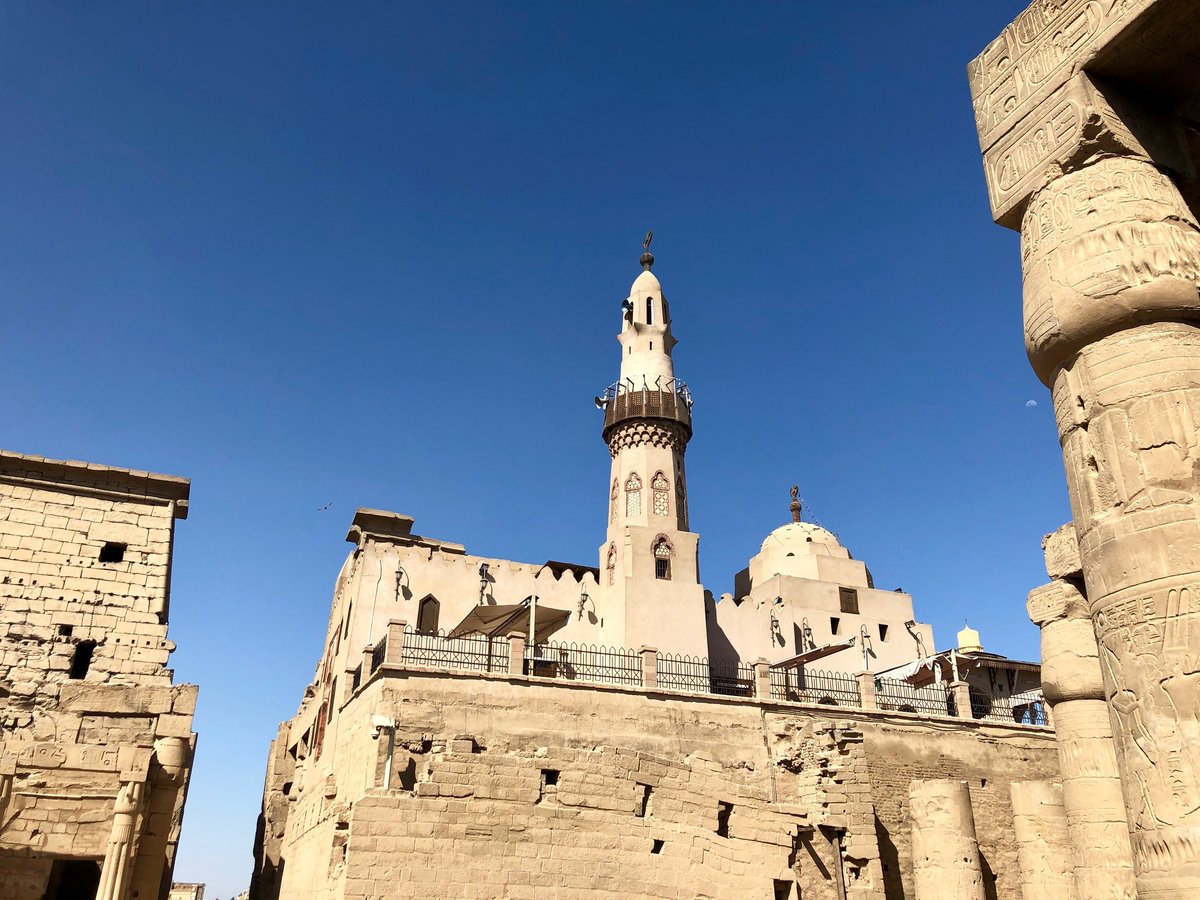
Luxor, known in antiquity as Thebes, was the religious and political heart of Egypt during the New Kingdom and beyond. The west bank of the Nile became the principal burial ground for royalty, high officials, and priests, with several necropolises—including the Valley of the Kings, Valley of the Queens, and the Tombs of the Nobles. El-Assasif, situated just south of Dra’ Abu el-Naga’ and near the mortuary temple of Hatshepsut, was reserved for high-ranking priests and officials. The site’s tombs, spanning from the 18th to the 26th Dynasties, chart the evolution of burial practices and artistic traditions across nearly a millennium (Wikipedia: El-Assasif).
TT414: Architecture and Artistic Features
Monumental Design
TT414 is a prime example of the “temple tomb” type, blending elements of private and royal funerary architecture (Budka, 2020, p. 57). Key features include:
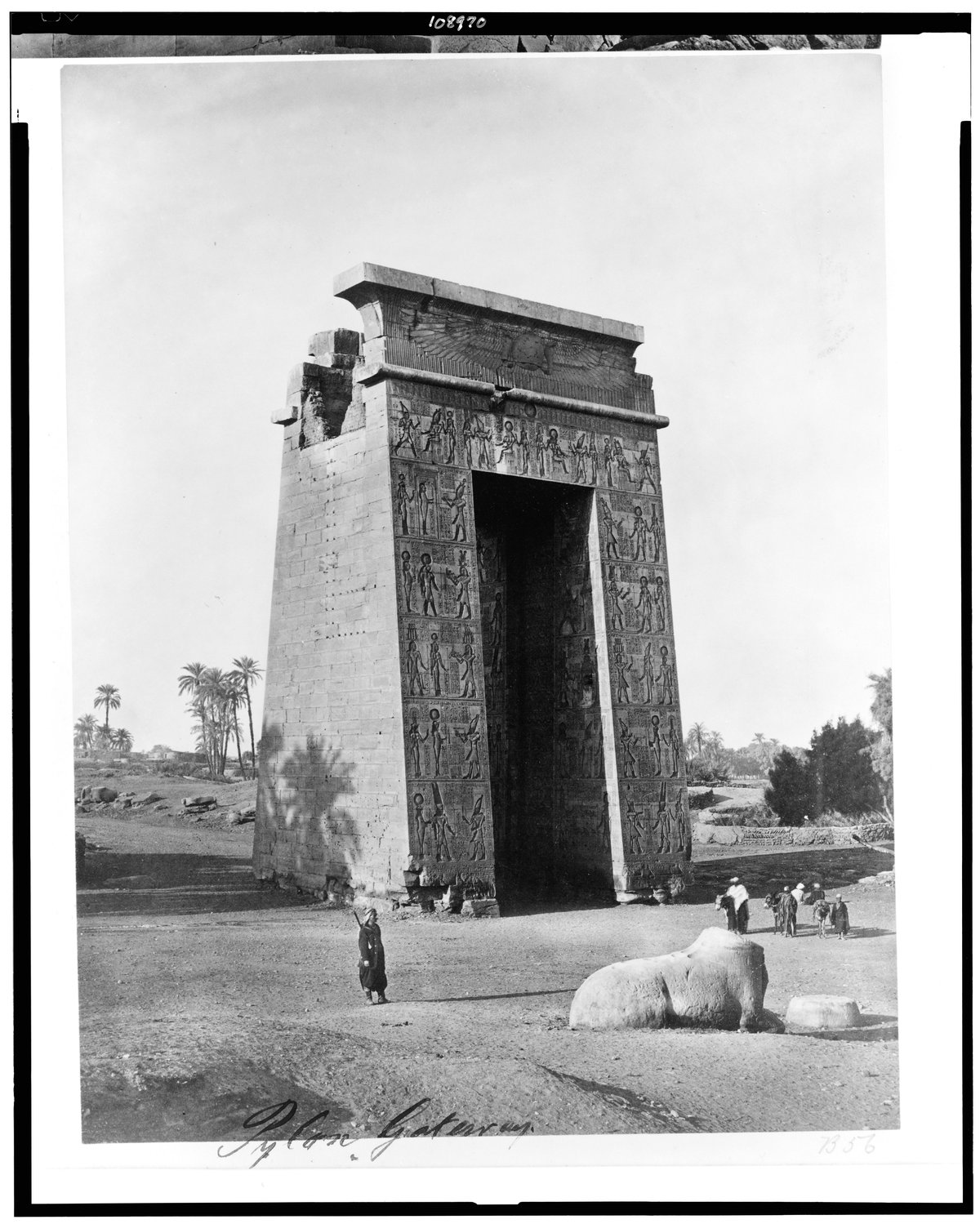
- Monumental façade with a large pylon entrance
- Open forecourt (“Lichthof”) for ritual activities
- Pillared hall reminiscent of temple hypostyle spaces, later adapted for additional burials
- Multiple burial shafts and chambers for Ankh-hor and his family, with later reuses during the 30th Dynasty and Ptolemaic Period (Budka, 2020, p. 60)
Artistic Decoration
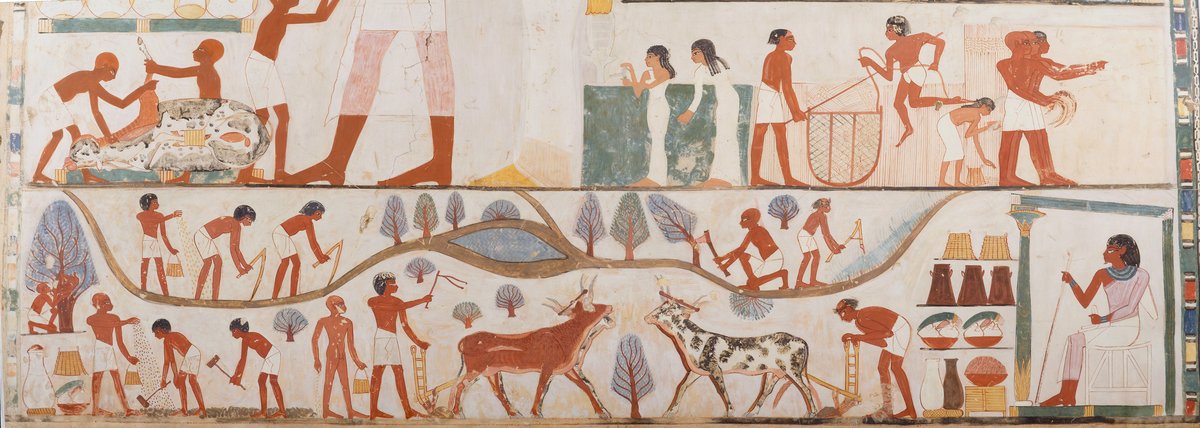
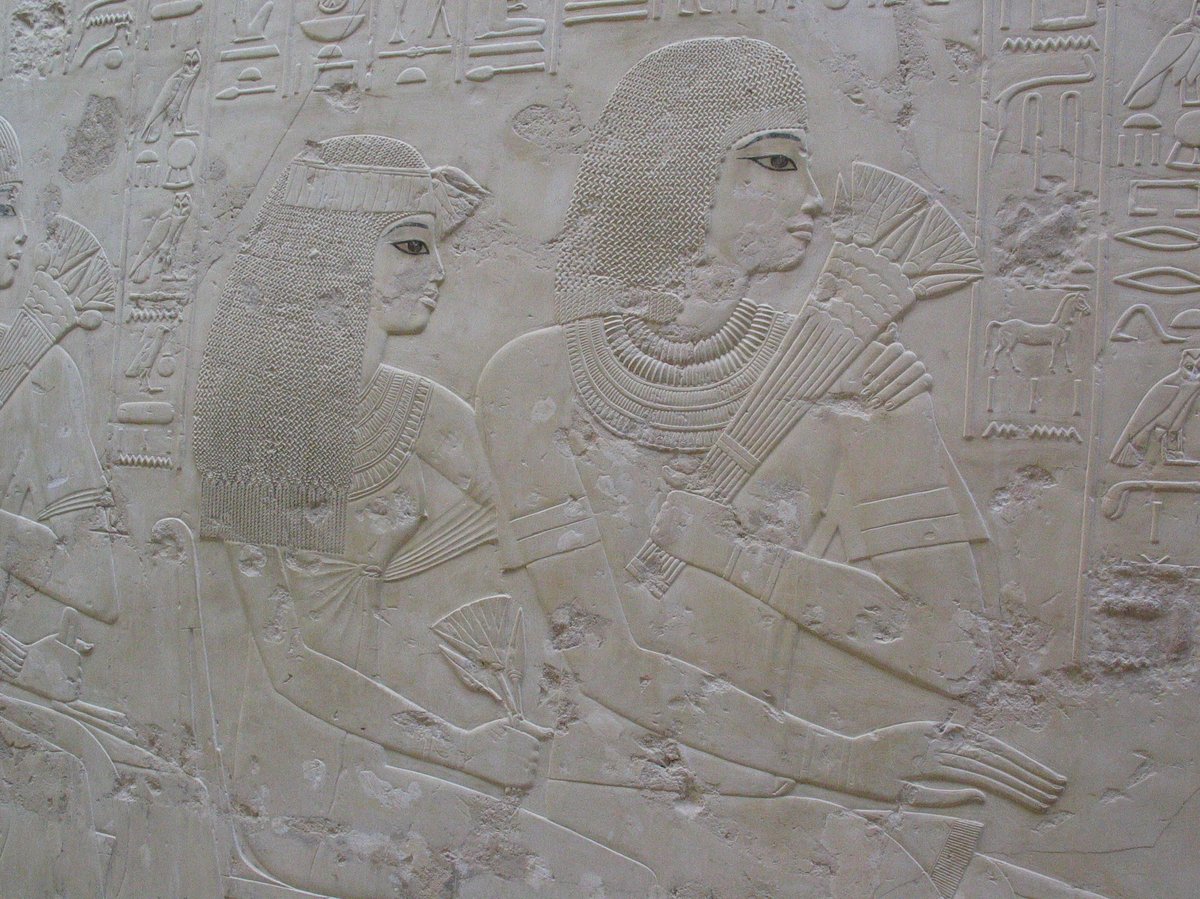
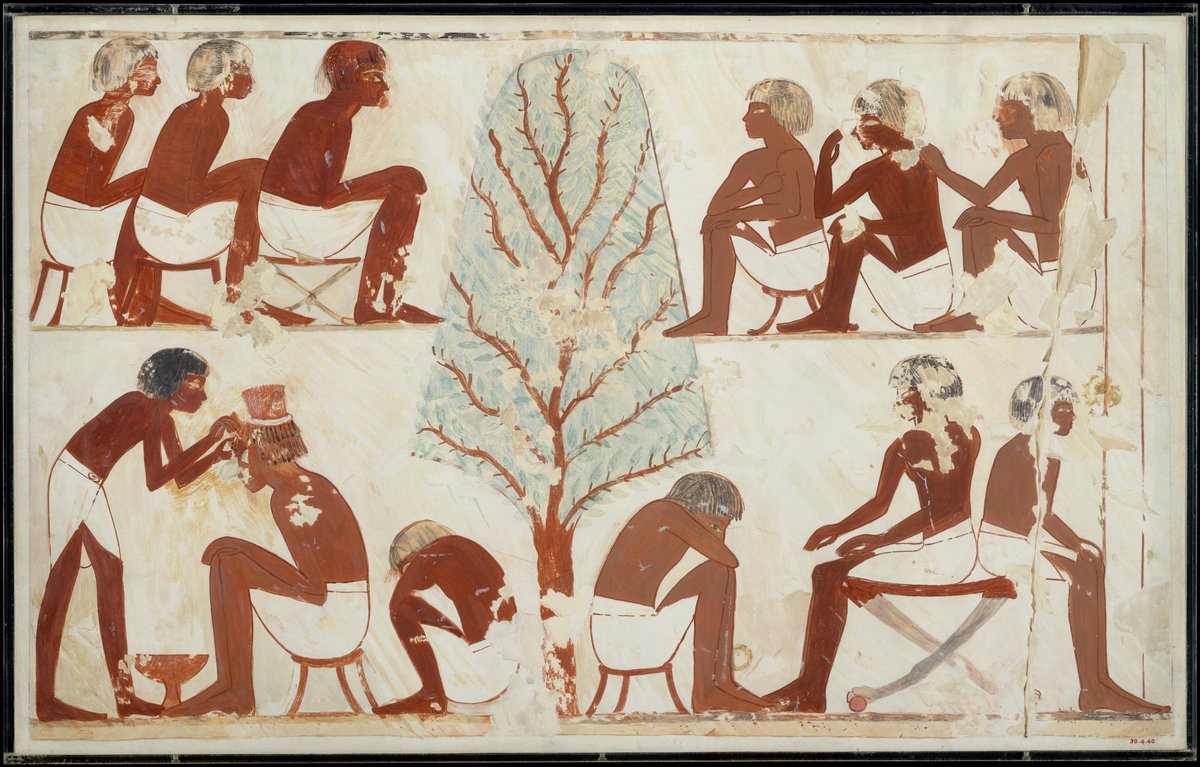
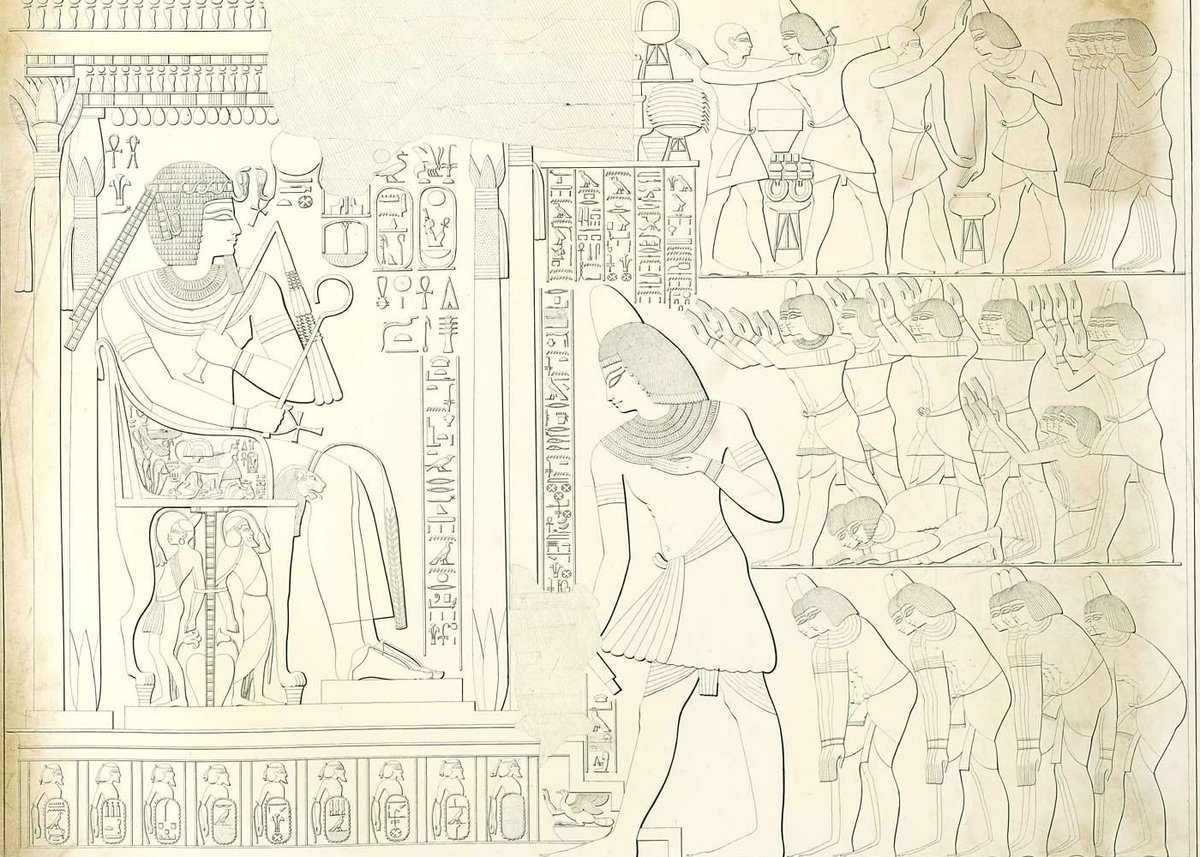
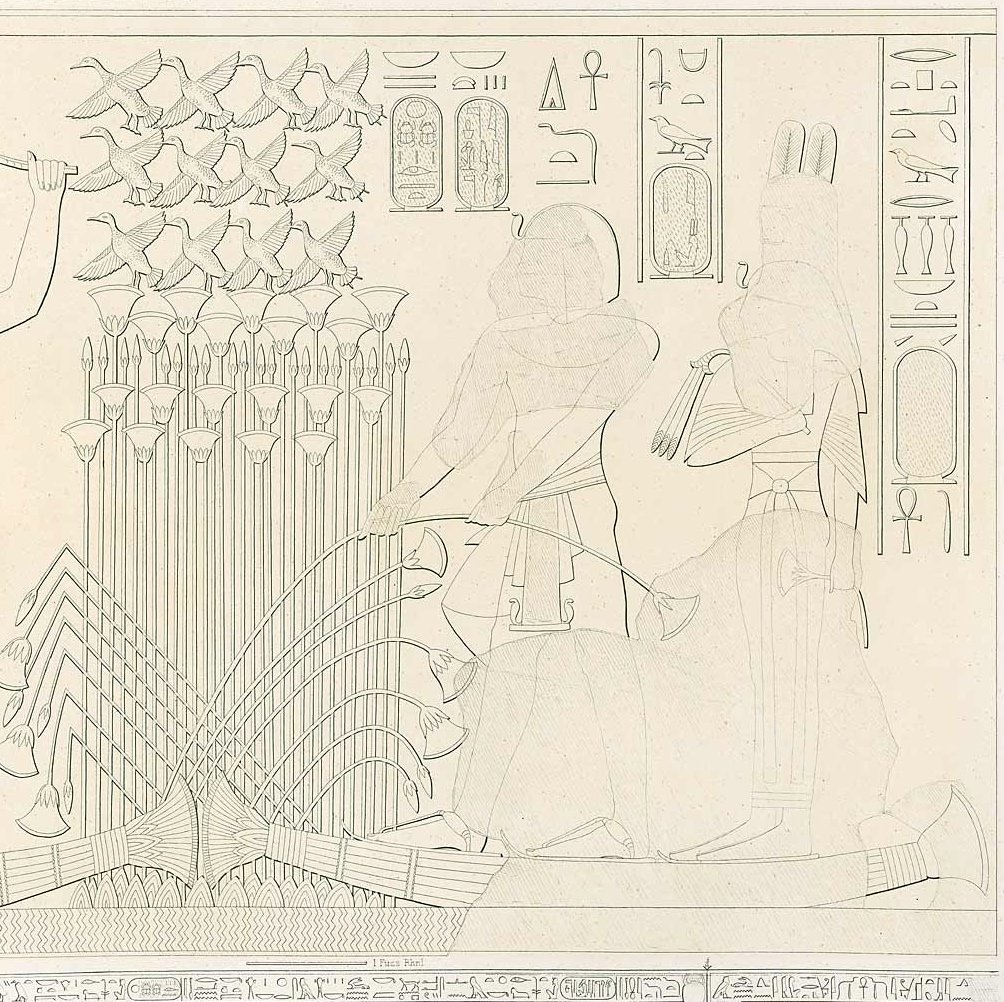
TT414 stands out for its vibrant wall reliefs and paintings, including rare depictions of beekeeping—an unusual motif in Egyptian tomb art (Egyptian Monuments). The tomb’s iconography reflects the importance of the Osirian cult, with offerings and ritual scenes that highlight beliefs in regeneration and the afterlife (Budka, 2020, p. 58). Despite some unfinished inner chambers, the funerary equipment—coffins, canopic jars, shabtis—exemplifies high craftsmanship.
The Life and Legacy of Ankh-hor
Ankh-hor served as Chief Steward to the God’s Wife Nitocris, Great Mayor of Memphis, and Overseer of the Priests of Amun. These titles placed him at the heart of both religious and administrative spheres during the Saite Renaissance (Wikipedia: TT414). His close association with Nitocris, daughter of Psamtik I, was central to consolidating royal control over Upper Egypt. The tomb’s size and elaborate decoration reflect his exceptional status.
Ankh-hor’s mummy and coffins, now housed in international museums, have provided valuable insights into Late Period burial customs. The tomb was reused in subsequent periods, indicating its continued prestige (Ankh-Hor Project Blog).
Visiting TT414: Hours, Tickets, and Accessibility
Opening Hours
TT414 is typically open daily from 6:00 or 7:00 am until 5:00 pm, with last entry about one hour before closing; hours may vary seasonally or due to conservation activities (Intrepid Scout).
Tickets and Entry
Tickets are required and can be purchased at the West Bank visitor center or as part of the El-Assasif necropolis ticket, which may include access to other tombs like TT192. As of 2025, entrance fees range from 220 to 740 EGP per tomb, with the Luxor Pass offering cost-effective multi-site access (Earth Trekkers). Photo passes must be acquired separately; flash photography is prohibited.
Accessibility
The tomb features uneven terrain, steep steps, and narrow passages, making access challenging for visitors with mobility issues. Consult with guides or staff in advance if assistance is needed.
Guided Tours
Licensed guides are available at the visitor center and can provide context outside the tomb, as guiding inside is often restricted (Egypt Tours by Locals). Guided tours enhance understanding of TT414’s history and art.
Practical Tips for Visitors
- Visit early in the morning for cooler temperatures and optimal lighting for photography.
- Bring cash for tickets, passes, and tips; smaller denominations are recommended.
- Dress comfortably: Wear sturdy shoes, light clothing, and sun protection.
- Stay hydrated: Carry bottled water, especially in the warmer months.
- Respect conservation efforts: Do not touch the artwork or surfaces, and obey all site rules.
- Restrooms are located at the main visitor center.
- Check for special events or temporary restrictions due to ongoing excavations or conservation (Weekly Blitz).
Nearby Attractions and Suggested Itineraries
TT414 is ideally combined with visits to other El-Assasif tombs (e.g., TT192, TT34), the mortuary temple of Hatshepsut, and the Valley of the Kings (Lonely Planet). Full- or half-day West Bank tours offer efficient access to multiple sites (We Seek Travel). The Luxor Pass provides flexibility for extended exploration.
Frequently Asked Questions (FAQ)
Q: What are TT414’s visiting hours?
A: Open daily from 6:00 or 7:00 am to 5:00 pm, with last entry one hour before closing. Check locally for seasonal changes.
Q: How do I buy tickets for TT414?
A: Tickets and photo passes are sold at the West Bank visitor center; the Luxor Pass is recommended for multiple sites.
Q: Is photography allowed in TT414?
A: Yes, with a valid photo pass; flash is prohibited.
Q: Are guided tours available inside TT414?
A: Guides provide explanations outside the tomb but are not permitted to lead tours inside.
Q: Is TT414 accessible for visitors with disabilities?
A: Access is limited due to steep and uneven terrain; advance arrangements may help.
Q: What is the best time to visit?
A: October to February offers cooler temperatures and fewer crowds.
Listen to the full story in the app
Your Personal Curator, in Your Pocket.
Audio guides for 1,100+ cities across 96 countries. History, stories, and local insight — offline ready.
Audiala App
Available on iOS & Android
Join 50k+ Curators
Sources
- verified
- verified
- verified
- verified
- verified
- verified
Last reviewed: