Introduction: Discovering TT38 in Luxor
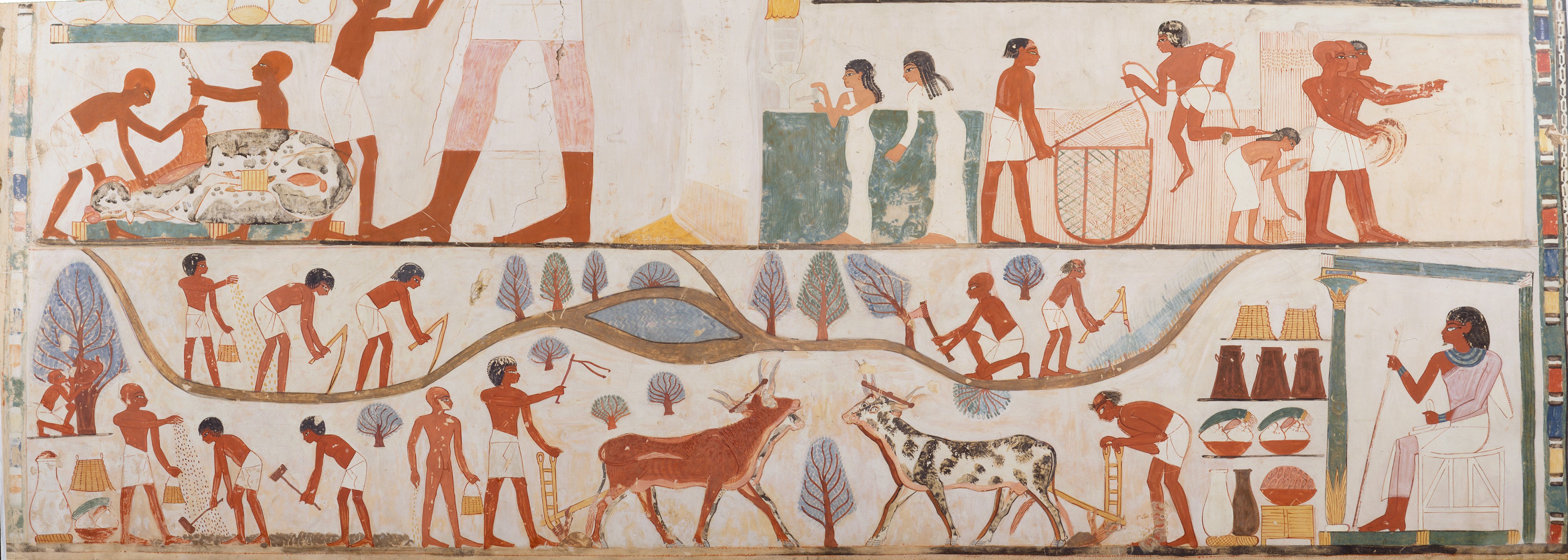
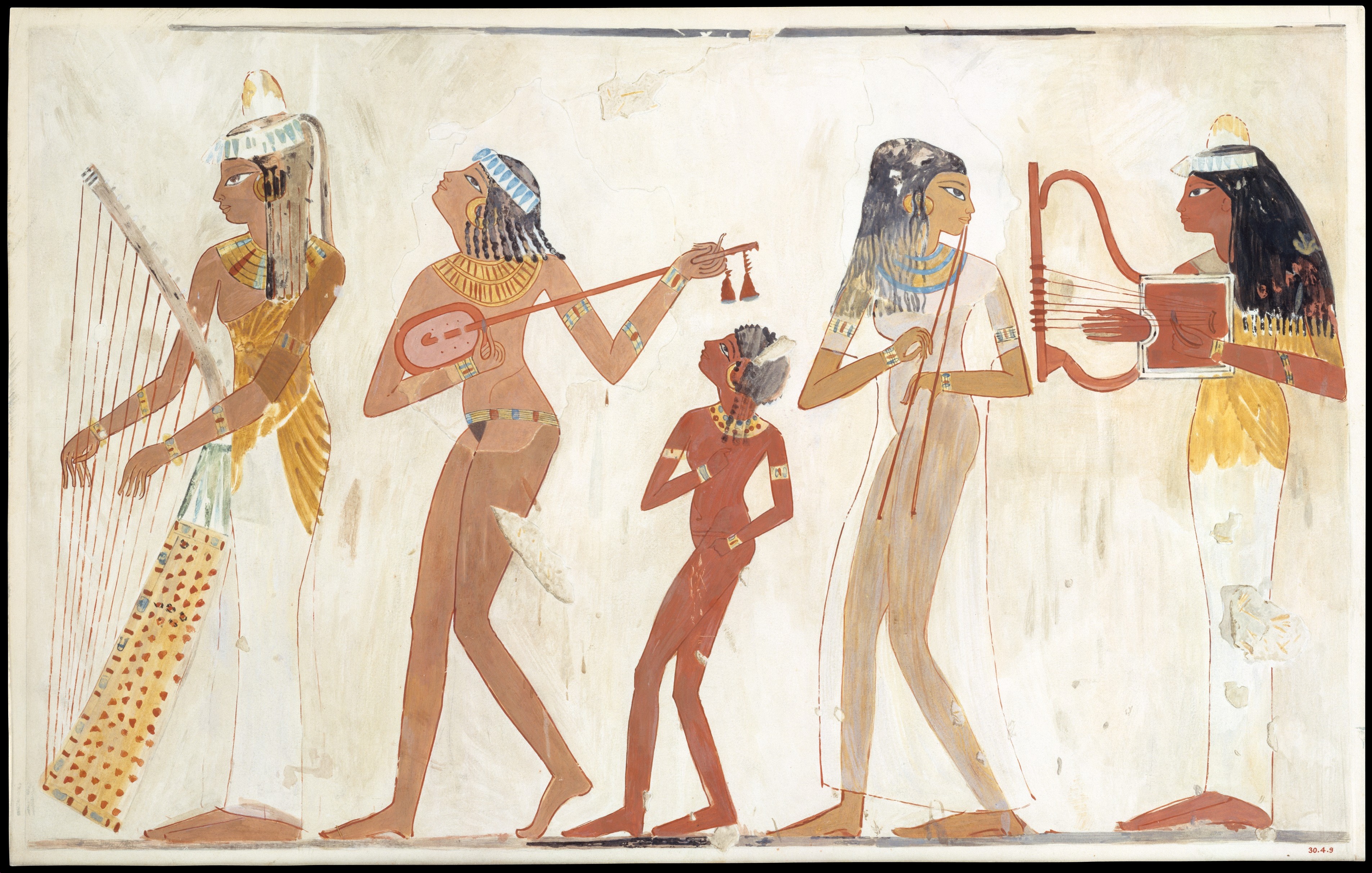
The Theban Tomb TT38, located in the Sheikh Abd el-Qurna district on Luxor’s west bank, stands as one of the finest examples of non-royal funerary architecture from Egypt’s illustrious 18th Dynasty. This tomb, constructed for Djeserkaraseneb—a prominent scribe and overseer of the granaries of Amun—offers an immersive glimpse into the administrative, social, and religious life of ancient Thebes. Unlike the grand royal tombs of the Valley of the Kings, TT38 and its neighboring tombs reveal the everyday world of Egypt’s elite, preserved through vibrant wall paintings and detailed inscriptions. These artistic treasures illustrate not only funerary rituals but also scenes of daily labor, familial affection, and religious devotion.
TT38’s architecture, iconography, and preservation have earned it a place within the UNESCO World Heritage Site “Ancient Thebes with its Necropolis,” highlighting its global cultural value. For modern visitors, TT38 provides a less crowded, more contemplative experience in comparison to Luxor’s more famous sites, making it an essential stop for travelers interested in the full spectrum of ancient Egyptian civilization.
This guide details the historical context, visitor information, accessibility, etiquette, and practical tips you need to make the most of your visit to TT38 and the Tombs of the Nobles (Lonely Planet, Archivio Fotografico Museo Egizio, Egypt Today).
Historical Context of TT38 and the Tombs of the Nobles
The Tombs of the Nobles comprise more than 400 rock-cut tombs, housing the remains of high-ranking officials, priests, and artisans spanning from the Old Kingdom through the Greco-Roman period (Lonely Planet). Unlike the monumental royal tombs, these private tombs are celebrated for their intimate portrayals of daily life and religious practices.
TT38, built for Djeserkaraseneb during the reign of Thutmose IV (c. 1400–1350 BCE), reflects the social status and responsibilities of a chief administrator in the cult of Amun. The tomb’s well-preserved scenes reveal not only the wealth and piety of its owner but also the complex interplay between religious service, family, and bureaucracy in New Kingdom society (Archivio Fotografico Museo Egizio).
Layout and Artistic Features of TT38
TT38 follows the classic T-shaped plan common to non-royal tombs of the era, featuring a transverse hall for rituals and a longitudinal chamber leading to the innermost sanctuary. The entrance, cut into the limestone hillside, opens onto a space decorated with vivid wall paintings executed in mineral-based pigments.
Key artistic highlights include:
- Depictions of Djeserkaraseneb at work: Scenes of grain counting and agricultural administration illustrate the tomb owner’s official duties.
- Family and religious offerings: Images of Djeserkaraseneb with his wife Wadjrenpet and son, making offerings to deities such as Amun, Renutet, and Osiris.
- Funerary rituals: Representations of ceremonies like the “opening of the mouth,” and processions bringing food and goods for the afterlife.
- Hieroglyphic inscriptions: These detail Djeserkaraseneb’s titles, prayers, and offering formulas, enhancing our understanding of elite identity and religious belief.
The tomb’s original color palette, using red ochre, Egyptian blue, and other minerals, remains remarkably vibrant in many areas (Archivio Fotografico Museo Egizio, TheTravel).
Archaeological Research and Conservation
Since the early 20th century, TT38 has been the subject of scholarly documentation and photographic surveys. Early images and reports are invaluable for current conservation efforts, especially as some scenes have suffered deterioration due to environmental and human impacts over time (Archivio Fotografico Museo Egizio). The tomb is now managed by the Egyptian Ministry of Tourism and Antiquities, with ongoing monitoring and restricted visitor flows to preserve its delicate artwork.
Visiting Hours, Tickets, and Access
-
Visiting Hours:
- Summer (April–September): 6:00 am to 6:00 pm
- Winter (October–March): 6:00 am to 5:00 pm
- Ramadan: 6:00 am to 5:00 pm
Confirm hours locally as they may change for conservation or special events (ExploreLuxor).
-
Tickets:
- Entry to TT38 is included in the Tombs of the Nobles ticket, available at the Sheikh Abd el-Qurna ticket office and online through official platforms.
- As of October 2024, tickets cost approximately 100–150 EGP for adults, with discounts for students and Egyptian nationals (Travel2Egypt). Check the official ticketing website for updates.
-
Access:
- The tomb is reached via a short walk from the parking area. The path is uneven; sturdy shoes are recommended.
- Wheelchair access is limited due to the tomb’s ancient architecture and terrain.
Site Navigation and Visitor Facilities
- Facilities:
Limited amenities are available. Restrooms are found at the main entrance, but there are no food or drink vendors within the tomb area. Carry water and snacks if needed. - Photography:
Photography without flash is generally permitted, but always check current policy at the ticket office. Flash is strictly prohibited to protect wall paintings. - Navigation:
The tomb is compact, which helps maintain visitor flow and preserves its artwork. Guided tours are highly recommended for interpretation (EarthTrekkers).
Dress Code, Health, and Safety
- Dress Code:
Modest attire is encouraged in line with cultural norms and the sacred nature of the site. Women should cover shoulders and knees; men should avoid tank tops. Lightweight, breathable fabrics are recommended (LuxorEgyptTours). - Health & Safety:
- Hydrate well, especially in summer when temperatures soar above 40°C (104°F).
- Use sun protection—hat, sunglasses, and sunscreen are essential.
- Wear closed-toe shoes for navigating uneven terrain.
- Carry a small first aid kit for minor scrapes or blisters.
Responsible Tourism and Conservation
Visitors play a key role in the preservation of TT38:
- Avoid touching walls or reliefs to prevent damage.
- Refrain from using flash photography.
- Dispose of waste responsibly; trash bins are scarce.
- Support local guides and artisans to benefit the community.
- Follow all instructions from site staff, especially regarding restricted areas (DailyGalaxy).
Nearby Attractions and Itinerary Planning
TT38 is ideally located for combining visits with other major West Bank sites:
- Valley of the Kings: Royal tombs including Tutankhamun’s.
- Mortuary Temple of Hatshepsut: Renowned for its architecture and recent discoveries (Xinhua).
- Ramesseum and Medinet Habu: Temples dedicated to Ramses II and Ramses III.
- Many tour operators offer customizable itineraries for a full day of exploration.
Visitor Experience and Best Practices
- Arrive early to avoid crowds and midday heat.
- Engage a licensed Egyptologist guide for deeper insights.
- Observe quiet and respectful behavior—these are places of historic and spiritual significance.
- TT38's intimate size and controlled visitor numbers ensure a contemplative experience, ideal for art and history enthusiasts.
Frequently Asked Questions (FAQ)
Q: Where is TT38 located?
A: In Sheikh Abd el-Qurna, West Bank Luxor, within the Tombs of the Nobles cluster.
Q: What are the visiting hours?
A: Typically from 6:00 am to 6:00 pm (summer), 6:00 am to 5:00 pm (winter/Ramadan). Confirm locally before visiting.
Q: How much are tickets?
A: Around 100–150 EGP for adults; discounts for students/Egyptians (Travel2Egypt).
Q: Is TT38 accessible for people with mobility issues?
A: Accessibility is limited due to uneven ground and narrow spaces.
Q: Are guided tours available?
A: Yes, and they are highly recommended for an enriched visit.
Q: Is photography allowed?
A: Photography without flash is generally permitted; professional equipment may require a permit.
Listen to the full story in the app
Your Personal Curator, in Your Pocket.
Audio guides for 1,100+ cities across 96 countries. History, stories, and local insight — offline ready.
Audiala App
Available on iOS & Android
Join 50k+ Curators
Sources
- verified
- verified
- verified
- verified
- verified
- verified
- verified
- verified
- verified
Last reviewed: