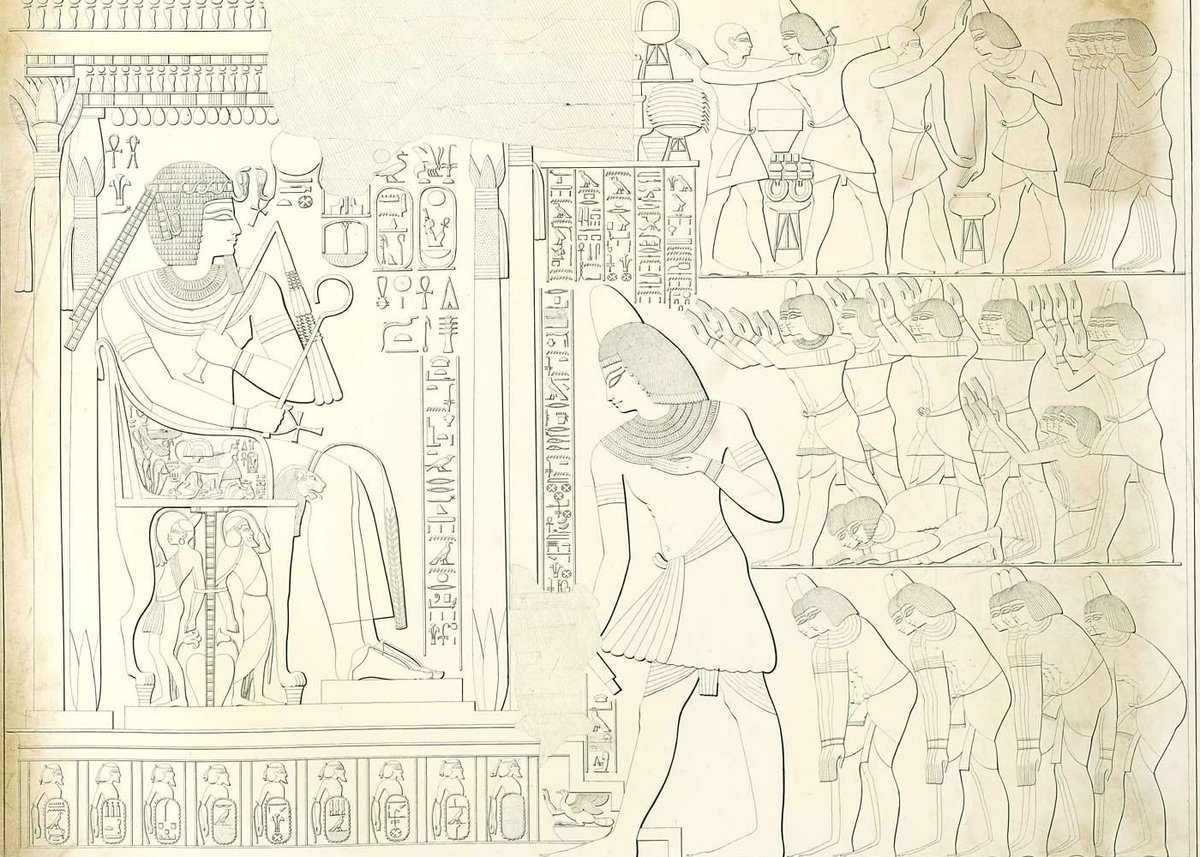
Introduction: The Ramesseum’s Historical and Cultural Importance
The Temple of Ramses II, known as the Ramesseum, stands as a monumental symbol of ancient Egypt’s religious devotion, political authority, and architectural mastery. Located on Luxor’s West Bank, this mortuary temple was built by Ramses II—often referred to as Ramses the Great—during the New Kingdom’s zenith. The Ramesseum’s immense pylons, colossal statues, and finely carved reliefs showcase the pharaoh’s quest for immortality and divine legitimacy. Over the centuries, the temple has witnessed adaptations during Roman, Christian, and Islamic periods, reflecting its enduring role as a sacred and cultural landmark. Modern archaeological discoveries, including the remarkable "House of Life," continue to underscore the Ramesseum’s significance as a center of education, administration, and ritual.
This guide provides everything you need to plan a memorable visit: detailed historical context, architectural highlights, visitor information (including opening hours, ticket prices, and accessibility), travel tips, and insights into nearby attractions. For further reading and official updates, consult resources such as Egypt Mythology, Egypt Insights, and La Brújula Verde.
Photo Gallery
Explore Temple of Ramses Ii in Pictures
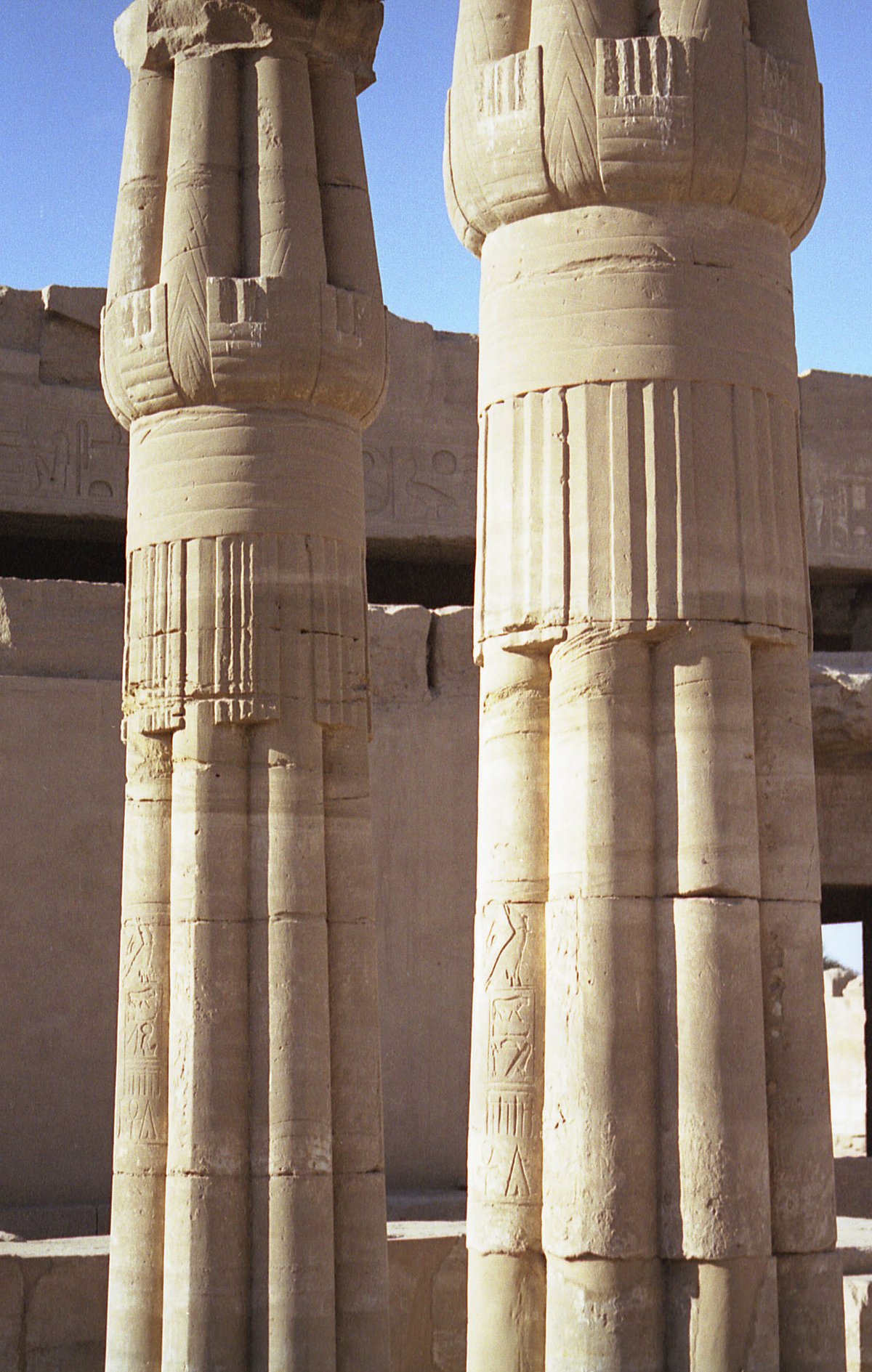
Unique biomorphic column made of grouped reeds in the ancient Karnak Temple
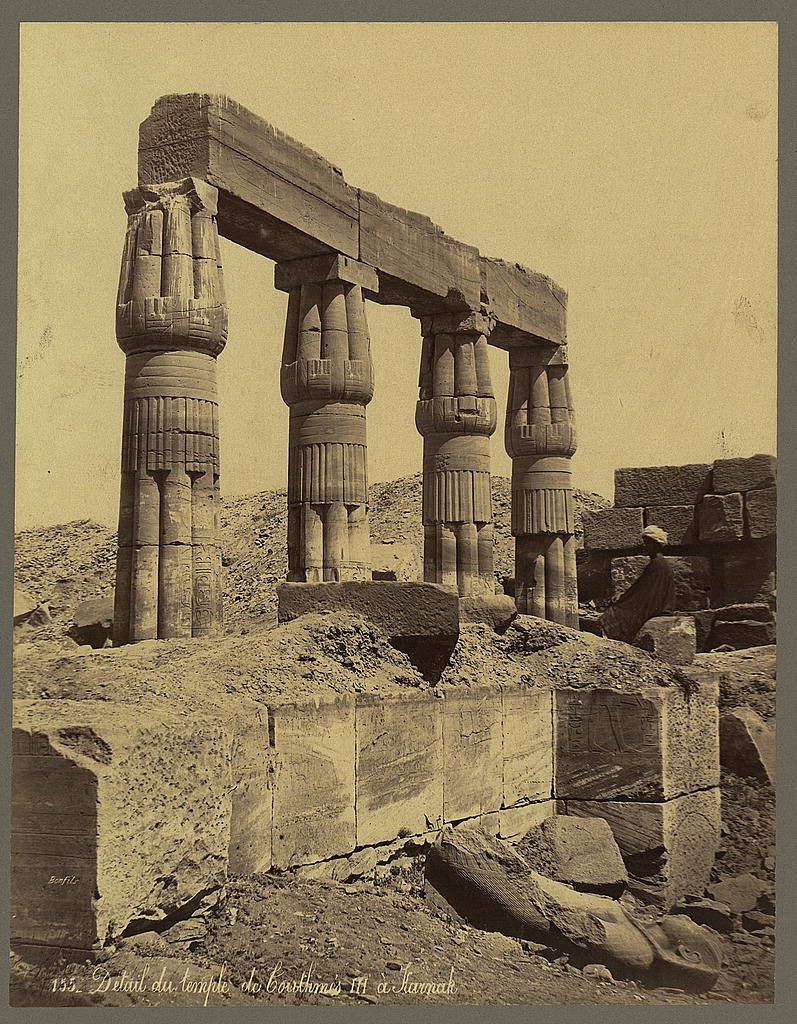
Photographic print depicting intricate carvings and hieroglyphic inscriptions from the Temple of Thutmose III at Karnak, captured by Bonfils using albumen print technique.
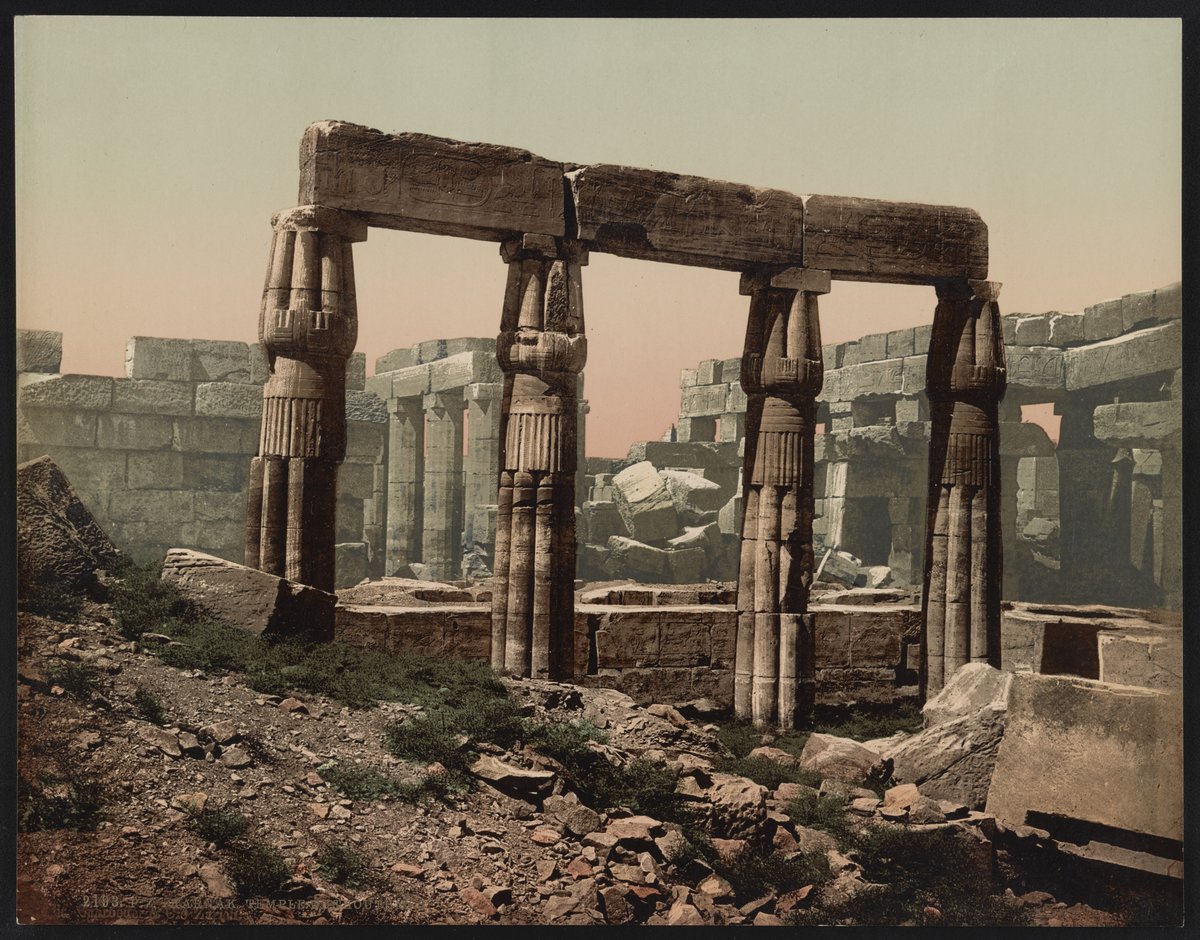
Color photochrom print showing Karnak Temple de Thouthmes with detailed ancient Egyptian columns and hieroglyphics on a 21 x 27 cm sheet.
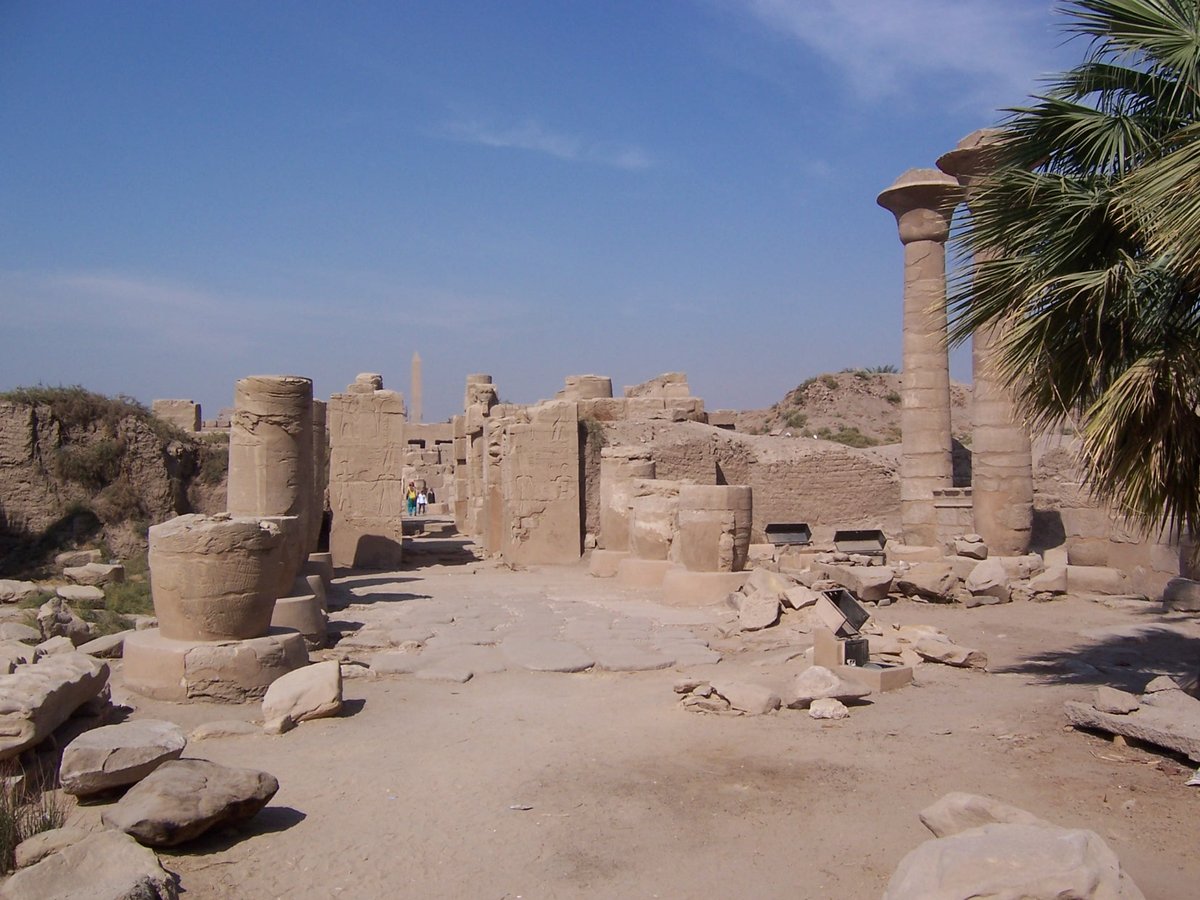
A detailed view of Karnak Temple Complex in Luxor, Egypt showcasing ancient sandstone pillars and ruins under a bright sky, highlighting the historic and archaeological significance of the site.
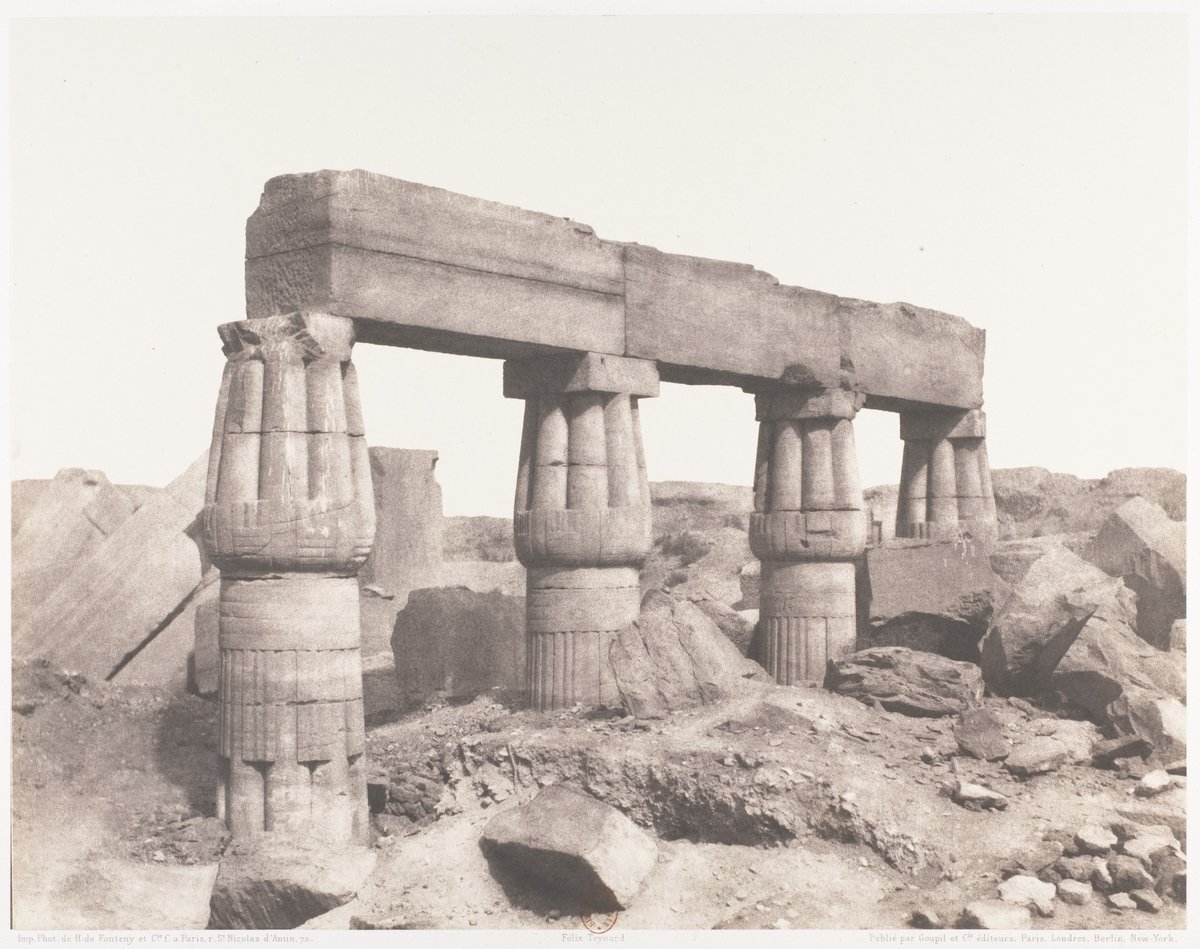
Photograph of a fragment of colonnades from the Karnak Palace in Thebes, showcasing ancient Egyptian architectural details.
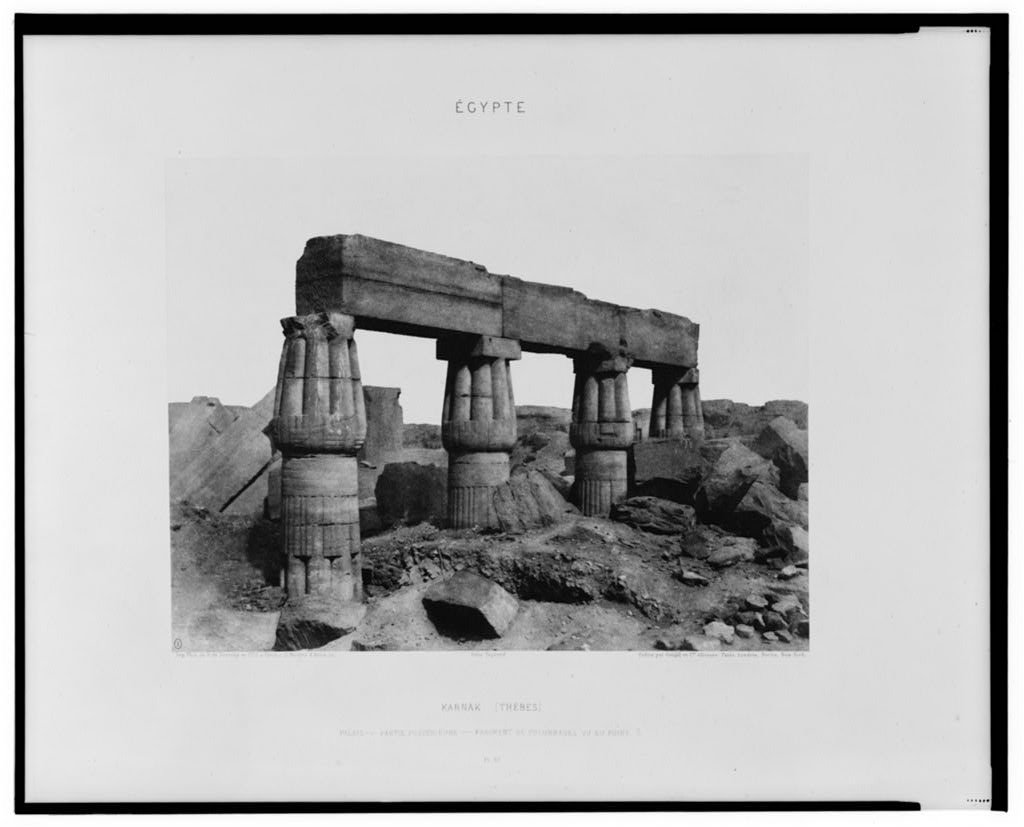
Photograph of the rear part of the Karnak palace in Thebes, showing a fragment of its ancient colonnades, taken by Félix Teynard
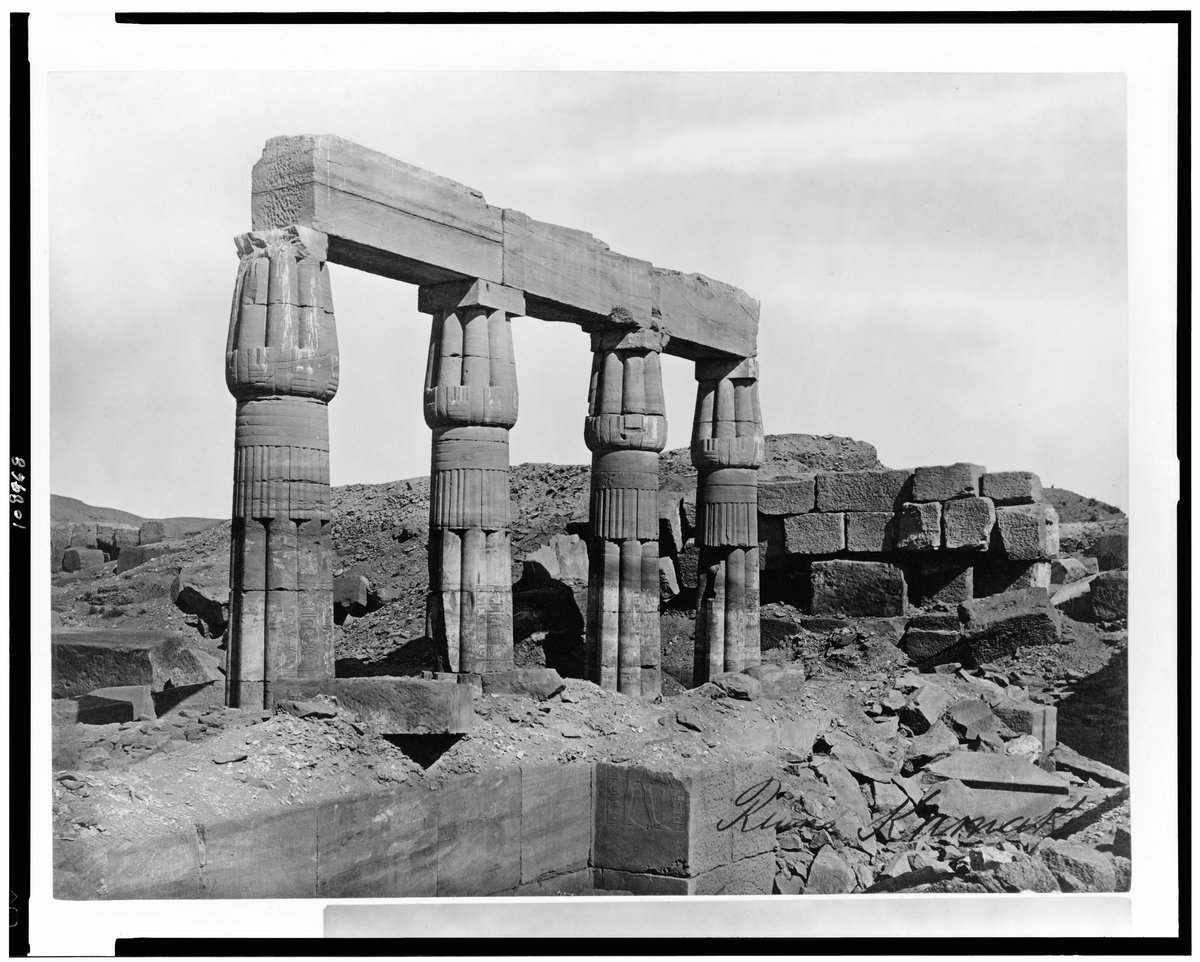
Photographic print showing the ruins of Karnak temple featuring ancient columns and stone structures in Egypt captured in albumen print
Night view of the Temple of Amun at Karnak, showcasing its ancient columns and historical architecture illuminated by lights.
Ancient Temple of Amun located in the Karnak Temple Complex in Luxor, Egypt, showcasing grand columns and stunning architecture
Historical Context: The Reign of Ramses II and Temple Construction
The New Kingdom and Ramses II
Ramses II ruled Egypt from 1279–1213 BCE during its New Kingdom "Golden Age." His reign was marked by territorial expansion, prosperity, and a flourishing of monumental art and architecture (egyptmythology.com). Ascending after Seti I, Ramses II became renowned as both a military leader and a prolific builder, initiating projects to cement his divine legacy (africame.factsanddetails.com).
Construction and Royal Patronage
The Ramesseum’s construction began early in Ramses II’s reign, reflecting his ambition to rival and surpass his predecessors. The temple was designed as both his mortuary temple and a statement of divine kingship. Its completion involved thousands of workers and advanced engineering techniques, including the transport and assembly of massive blocks and statues (egyptmythology.com; smarter.com).
Architectural Features and Innovations
Entrance and Pylon
The Ramesseum is approached through a monumental pylon, about 60 meters wide and 18 meters high, adorned with reliefs of Ramses II’s military exploits—especially the famed Battle of Kadesh (Egypt Insights). Two colossal seated statues, once standing 18 meters tall, flanked the entrance.
Courtyards and Colossal Statues
Inside the first courtyard, visitors encounter Osiride statues (about 7 meters high) depicting the pharaoh as Osiris, symbolizing eternal kingship. The toppled "Memnon Colossus," once 17 meters tall, still inspires awe (Nile Cruisez).
Hypostyle Hall and Sanctuary
The hypostyle hall contains 48 papyrus-bundle columns with capitals symbolizing Upper and Lower Egypt. Walls are decorated with vibrant reliefs of rituals, divine birth, and coronation scenes (Egypt Insights). The sanctuary housed cult statues of Ramses II and Amun-Ra, underscoring the pharaoh’s divine role.
Artistic Reliefs and Inscriptions
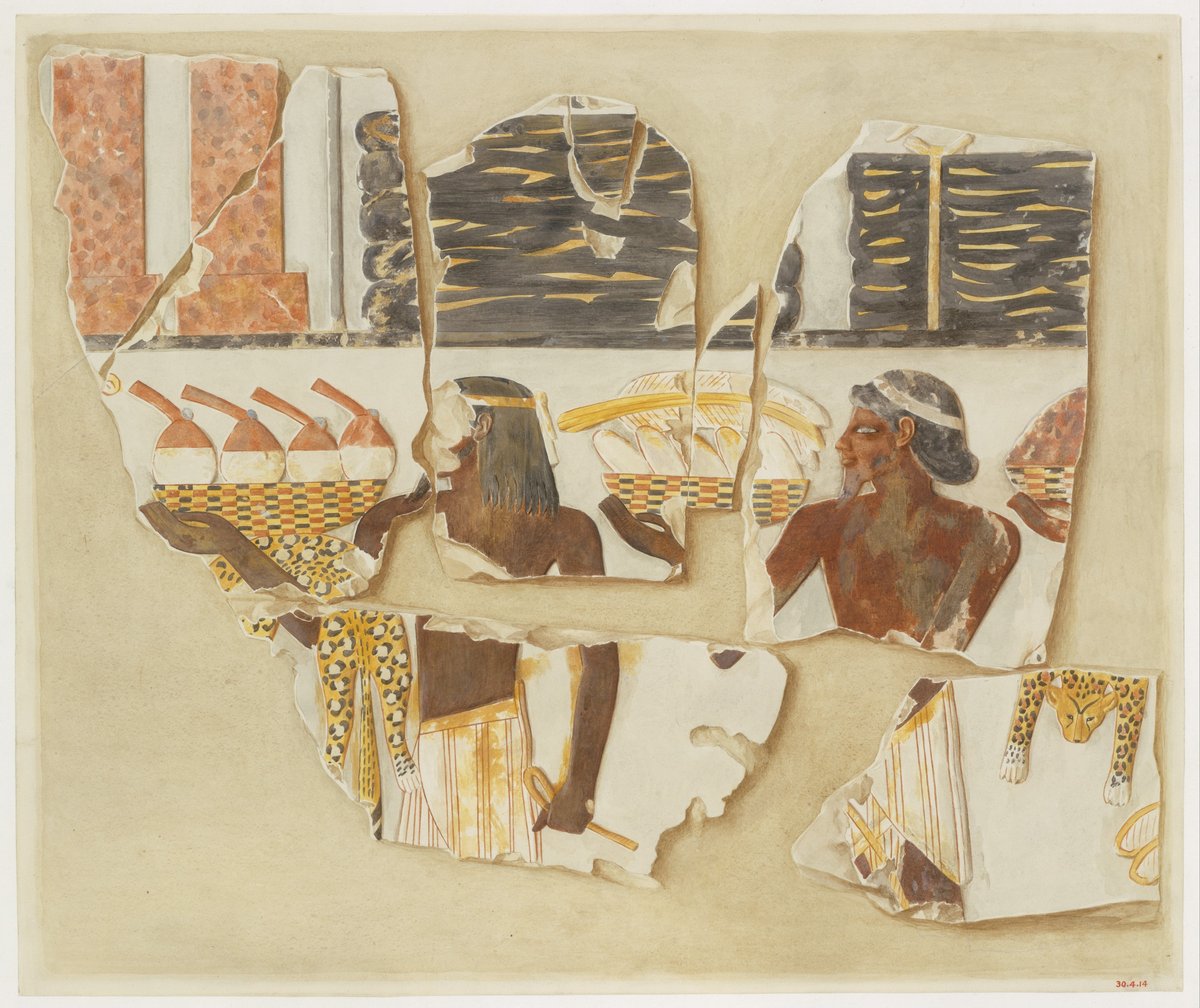
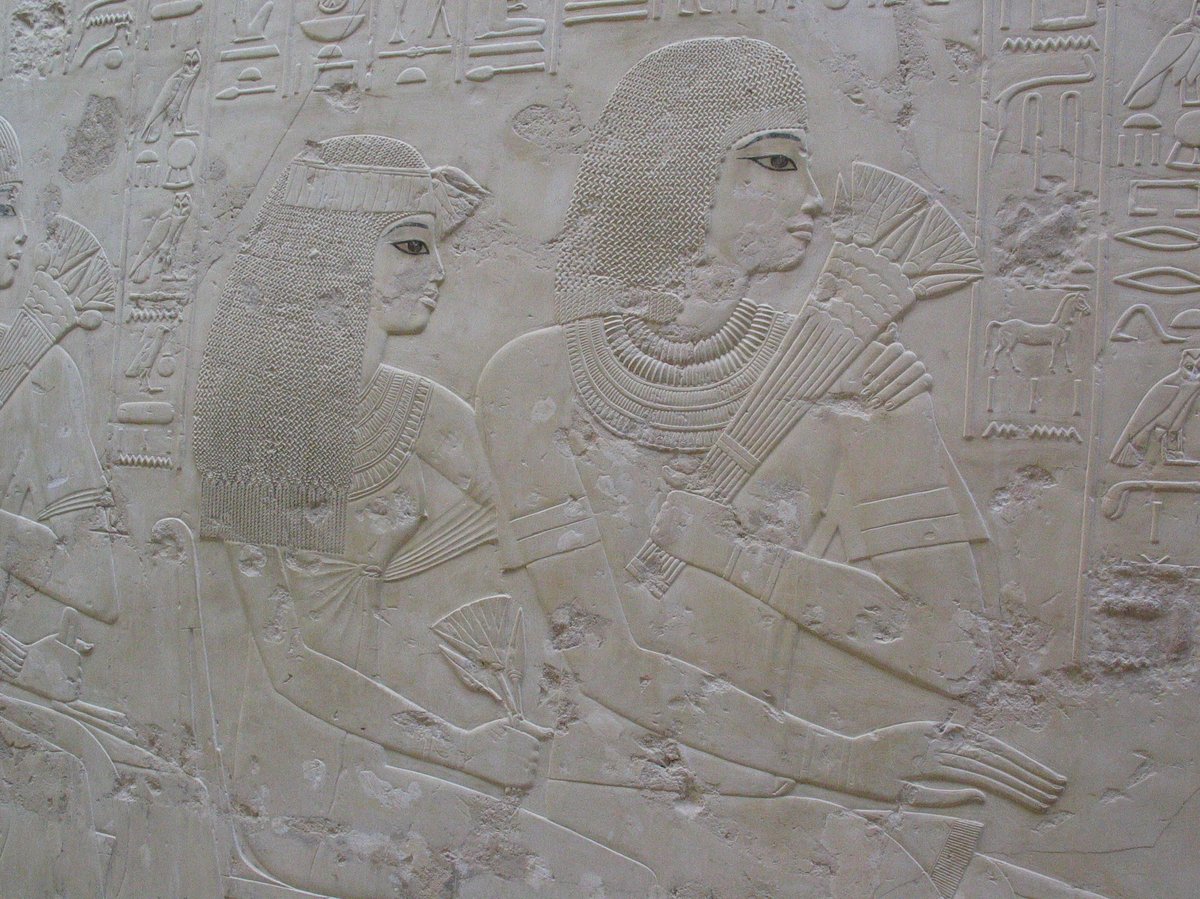
The temple’s reliefs chronicle military campaigns, religious festivals (notably the Opet Festival), and royal family members in sacred ceremonies. Many carvings retain traces of original pigment (Egypt Insights).
The "House of Life" (Per Ankh)
A significant discovery, the "House of Life," functioned as an educational center for scribes and administrators. Archaeologists found student drawings, school games, and writing exercises, expanding our understanding of ancient Egyptian education (La Brújula Verde; Greek Reporter).
Decorative Motifs and Construction Materials
Granite lintels, Osiride pillars, and painted friezes (including monkey motifs) showcase artistic sophistication. The temple’s sandstone and granite blocks, some weighing over 1,000 tons, reveal advanced quarrying and transport techniques (Egypt Insights).
Religious and Political Significance
Religious Center and the Opet Festival
Dedicated to the Theban Triad (Amun-Ra, Mut, Khonsu), the Ramesseum was a focal point for religious worship and festivals—especially the Opet Festival, during which divine statues processed from Karnak to Luxor (audiala.com).
Political Messaging
Ramses II used the temple’s architecture and reliefs for political propaganda, emphasizing his divine right to rule and military prowess (africame.factsanddetails.com).
Historical Layers: Later Modifications and Reuse
Roman and Christian Adaptations
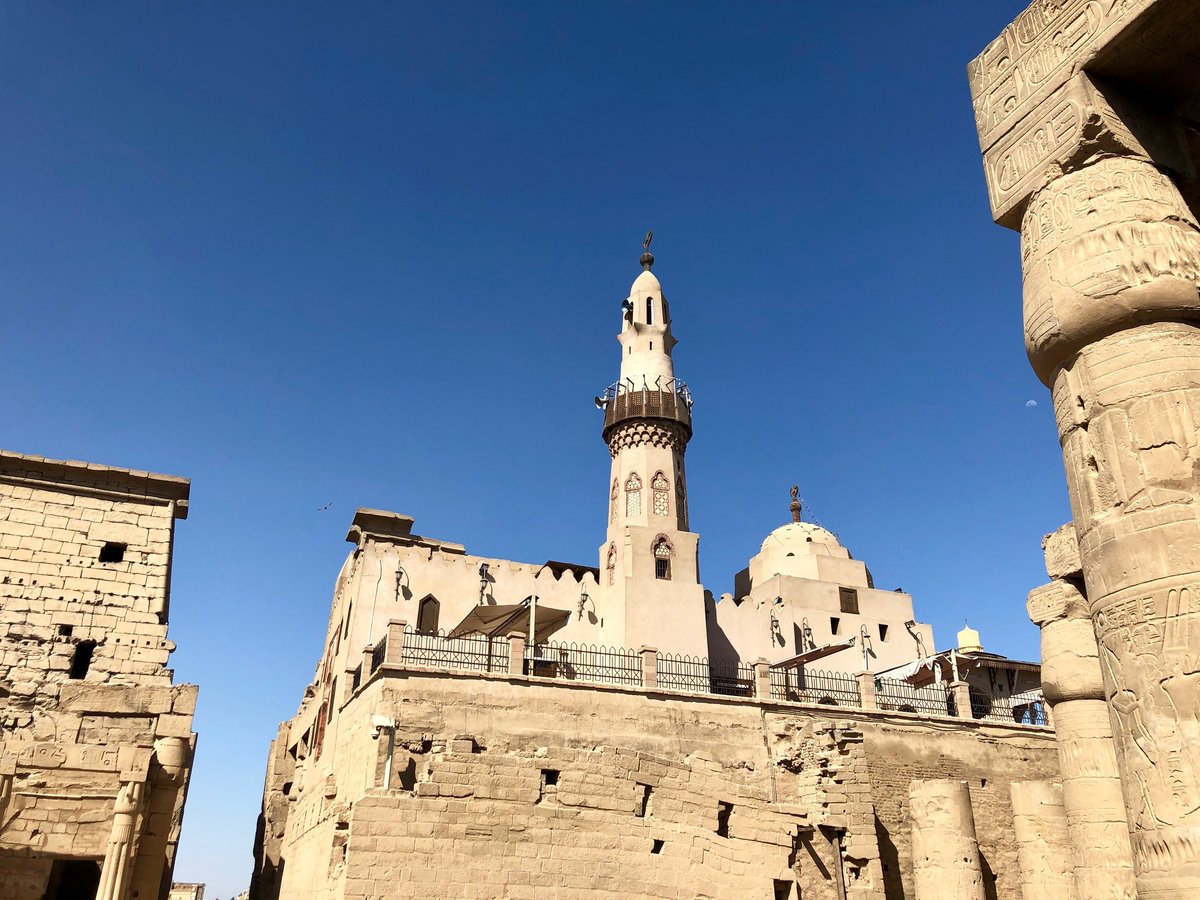
The Ramesseum was adapted for new uses under Roman rule (with chapels added) and later during the Christian era, when parts became churches. In the Islamic period, the Abu Haggag Mosque was established atop earlier structures, showing continuous religious significance (audiala.com).
Reuse and Necropolis Features
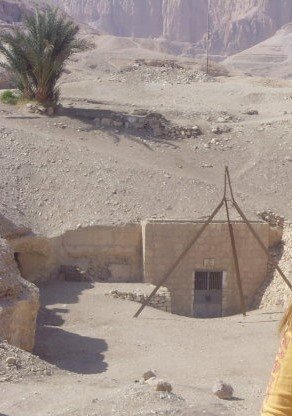
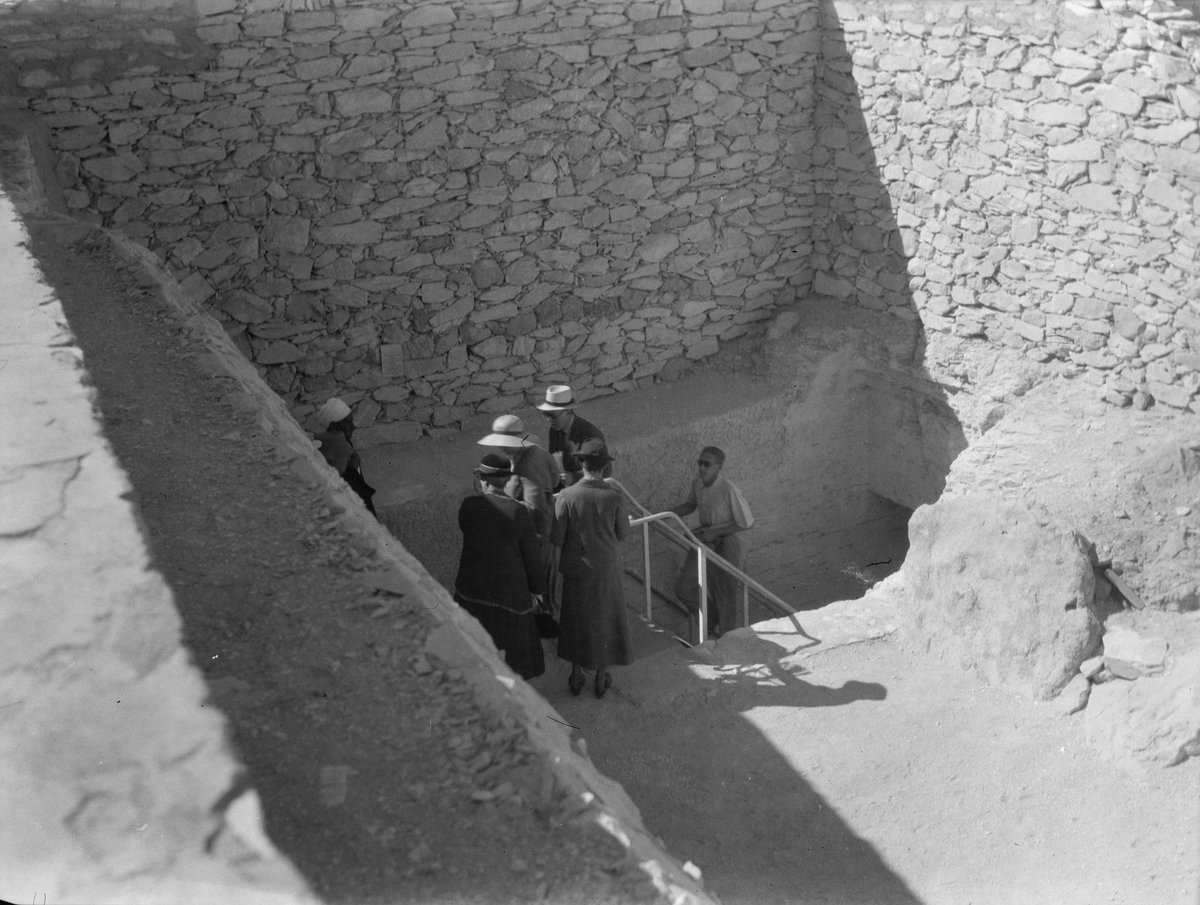
The site includes the Middle Kingdom tomb of Sehetep-ib-Re and evidence of later workshops and administrative use (Greek Reporter).
Preservation and Modern-Day Importance
Conservation Efforts
Since the 18th century, the Ramesseum has faced threats from erosion, flooding, and human activity. Restoration projects—many in partnership with French-Egyptian teams—have focused on structural stabilization, artifact repatriation, and visitor management (Artnet News; Cairo Scene).
Modern Challenges
Efforts address weathering, groundwater damage, and the pressures of mass tourism. Advanced techniques, such as laser cleaning and digital documentation, aid preservation (Egypt Mythology).
Ramesseum Layout and Site Plan
The temple complex covers about 7 hectares and includes:
- Monumental entrance and pylon
- Colossal statues and open courtyards
- Hypostyle hall with papyrus columns
- Inner sanctuary and cult statue area
- The "House of Life" (Per Ankh)
- Auxiliary buildings: royal palace, granaries, administrative offices
- Tombs and necropolis features
For detailed site plans and virtual tours, consult Egypt Insights and La Brújula Verde.
Visiting Information: Hours, Tickets, Accessibility & Tips
Opening Hours
- Ramesseum: Daily, 6:00 AM – 5:00 PM (extended during summer)
- Luxor Temple: Daily, 6:00 AM – 10:00 PM (evening illuminations)
Ticket Prices
- Ramesseum: ~140–160 EGP for foreign visitors; discounts for students and seniors
- Luxor Temple: ~140–200 EGP; discounts available
- Tickets can be purchased onsite or online through official portals
Accessibility
- Main areas have ramps and improved pathways, but terrain can be uneven; some wheelchair access is available. Assistance is recommended for mobility-impaired visitors.
Travel Tips
- Best time: Early morning or late afternoon for cooler temperatures and fewer crowds
- Dress: Modest, lightweight clothing and comfortable shoes
- Photography: Permitted (no flash inside temples); drone use requires permits
- Guided tours: Available onsite and via reputable operators; highly recommended
Getting There and Nearby Attractions
- Easily reached from Luxor city by taxi, horse carriage, or on foot
- Combine your visit with Karnak Temple, Valley of the Kings, and Luxor Museum for a comprehensive experience
Visitor Experience Highlights
- Marvel at the towering statues and painted hypostyle hall
- Explore the newly discovered "House of Life" educational center
- Capture photos at sunset or during evening illuminations at Luxor Temple
- Attend special events or cultural reenactments during festivals
Frequently Asked Questions (FAQ)
Q: What are the Ramesseum’s opening hours?
A: Daily, 6:00 AM – 5:00 PM; seasonal variations may apply.
Q: How much do tickets cost?
A: 140–160 EGP for foreign visitors; discounts for students and seniors.
Q: Is the site wheelchair accessible?
A: Partial accessibility; some areas require assistance due to uneven terrain.
Q: Are guided tours available?
A: Yes, available on-site or through local operators.
Q: What is the best time to visit?
A: October–April for milder weather; early morning or evening for optimal experience.
Listen to the full story in the app
Your Personal Curator, in Your Pocket.
Audio guides for 1,100+ cities across 96 countries. History, stories, and local insight — offline ready.
Audiala App
Available on iOS & Android
Join 50k+ Curators
Sources
- verified
- verified
- verified
- verified
- verified
- verified
- verified
- verified
Last reviewed: