Plan and listen to Temple Of Ptah with Audiala.
Audio guide in your pocket, itinerary in your browser. Built for the way you actually visit.
Introduction
Set within the majestic Karnak Temple Complex in Luxor, Egypt, the Temple of Ptah is a testament to the ancient Egyptians' devotion to their gods and their architectural mastery. Dedicated to Ptah—the creator god and patron of artisans—this sanctuary stands as a symbol of spiritual, cultural, and artistic achievement. While not as expansive as the main temple of Amun-Re, the Temple of Ptah remains a significant site for those seeking to understand the religious diversity and craftsmanship that defined ancient Thebes.
This guide provides a comprehensive overview of the Temple of Ptah, including its historical context, religious importance, architectural features, and essential visitor information such as opening hours, ticketing, accessibility, and nearby attractions. Whether you are an enthusiast of Egyptology or a traveler exploring Luxor’s rich heritage, this article will help you make the most of your visit (egyptmythology.com, Secret Attractions, adequatetravel.com).
Historical Context and Origins
Ptah was originally the principal deity of Memphis, revered as the divine craftsman who shaped the universe through thought and speech. His worship extended to Thebes, reflecting the interconnectedness of ancient Egyptian religious centers. Within the Karnak complex, the Temple of Ptah was established during the New Kingdom, with significant contributions from pharaohs such as Thutmose III and the rulers of the 25th Dynasty. Its development over centuries—from a modest shrine in the Middle Kingdom to a more elaborate complex during the New Kingdom and Ptolemaic periods—demonstrates Ptah’s enduring significance in Egyptian spirituality (egyptmythology.com).
Religious and Cultural Significance
The Temple of Ptah was a focal point for rituals celebrating Ptah as the creator and patron of craftsmen. Its presence in Thebes highlights the syncretic character of Egyptian religion, where deities from different regions were honored in close proximity. The temple also includes chapels dedicated to Sekhmet, the lioness goddess of war and healing, and Nefertum, the god of the lotus and rejuvenation—mirroring the Memphite triad but adapted to local Theban traditions. Rituals at the temple would have included daily offerings, prayers, and processions, especially during major festivals like the Opet Festival that linked Karnak and Luxor Temples (mythicalhistoria.com).
Architectural Features
Layout and Spatial Organization
The Temple of Ptah is located in the northern precinct of Karnak, accessible via the Great Hypostyle Hall. Its design follows a classic Egyptian axial plan, with an entrance pylon leading through courtyards and hypostyle halls into inner sanctuaries (Wikipedia).
- Gateways and Pylons: Multiple entrances from different periods, including notable Ptolemaic additions.
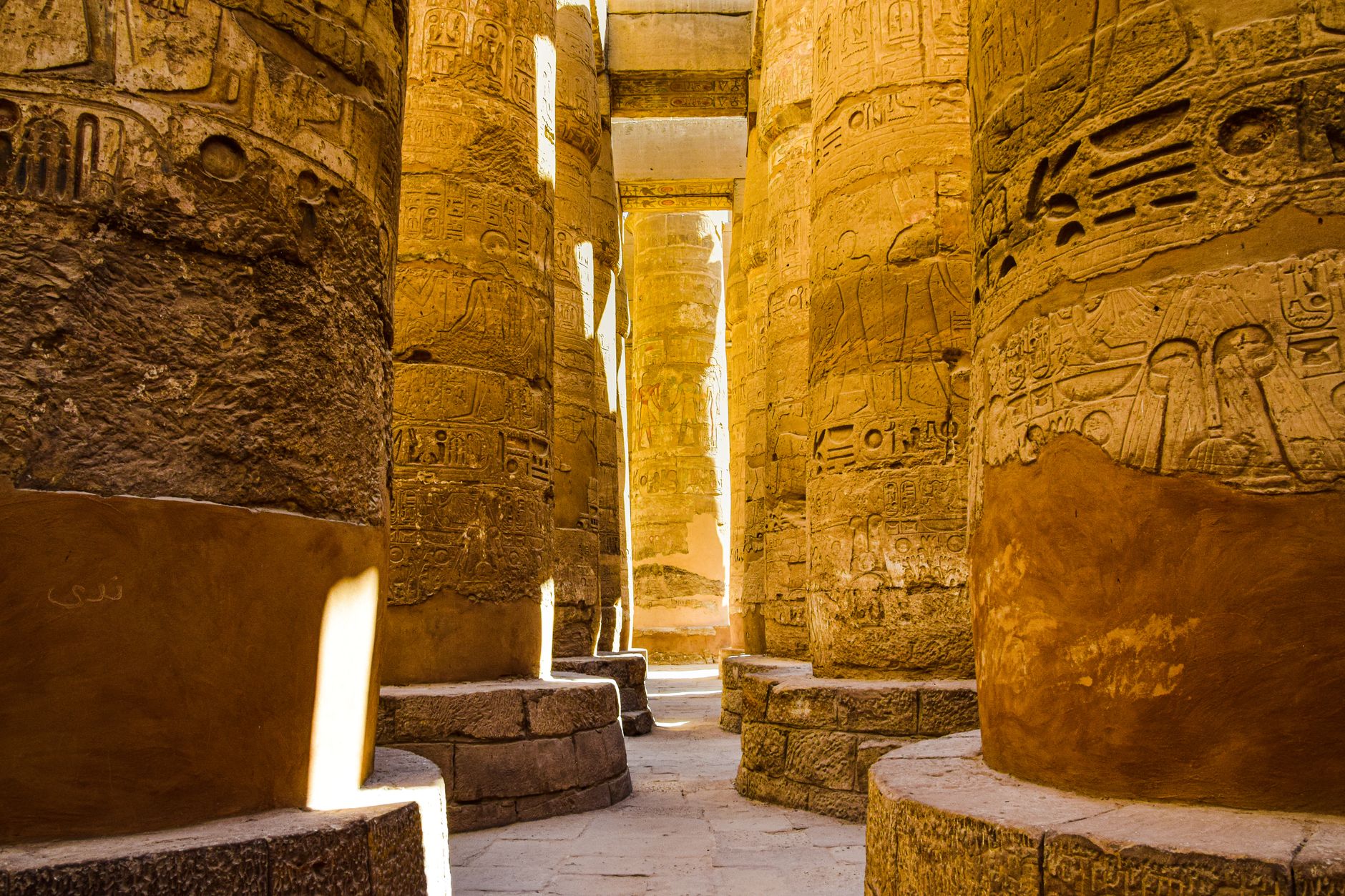
- Hypostyle Halls: Columns with lotus and papyrus capitals guide visitors toward the sanctuaries.
- Sanctuaries: The central sanctuary is dedicated to Ptah, flanked by chapels for Sekhmet and Nefertum. The Sekhmet chapel houses a striking black granite statue, renowned for its spiritual presence (Secret Attractions).
- Reliefs and Inscriptions: Walls feature scenes of pharaohs making offerings, depictions of Ptah and his divine family, and detailed creation myths (adequatetravel.com).
- Artistic Elements: Statues of Ptah are typically mummiform, holding a scepter; Sekhmet is depicted as a lioness-headed goddess, and Nefertum with a lotus blossom.
The temple’s architectural evolution—from the Middle Kingdom through the Ptolemaic and Roman periods—is evident in its layered construction and artistic motifs (Wikipedia).
Archaeological Discoveries and Preservation
Archaeological excavations have uncovered statues, stelae, offering tables, and ritual objects that illuminate the temple’s evolving role in Theban religious life. Conservation efforts today focus on stabilizing the ancient masonry and protecting reliefs from environmental damage, ensuring the temple remains accessible for future generations (adequatetravel.com).
Visitor Information
Location and Access
The Temple of Ptah is easily reached from Karnak’s main entrance, with clear signage and pathways leading to its site within the northern precinct. Its relative seclusion offers a peaceful atmosphere compared to Karnak’s busier areas (Trek Zone).
Visiting Hours
- Open Daily: 6:00 AM to 5:30 PM (hours may vary seasonally; check official sources before visiting).
Tickets and Entry
- Admission: Entry to the Temple of Ptah is included in the general Karnak Temple Complex ticket.
- Ticket Price: Approximately 200 EGP for adults (as of early 2025). Reduced rates may be available for students and children. Tickets can be purchased onsite or online via official tourism platforms (adequatetravel.com).
Accessibility
- Pathways: Mostly flat with some uneven stones; limited wheelchair access. Assistance may be requested at the entrance.
- Facilities: Restrooms, cafes, and souvenir shops are located near Karnak’s main gate.
Guided Tours
Guided tours are available through Karnak and often include the Temple of Ptah. Experienced guides provide insights into the temple’s history, architecture, and religious context. Independent travelers can use guidebooks, informational plaques, or digital apps for self-guided tours (Nile Scribes).
Travel Tips
- Best Time to Visit: Early morning or late afternoon to enjoy cooler temperatures, softer light for photography, and smaller crowds.
- What to Bring: Comfortable shoes, sun protection, and water—especially during warmer months.
- Etiquette: Respect the temple’s artifacts by not touching reliefs or statues. Observe photography rules and maintain a quiet demeanor.
Nearby Attractions
- Temple of Amun-Re: The grand centerpiece of Karnak, famous for its massive hypostyle hall.
- Temple of Mut: Dedicated to the mother goddess, featuring sphinxes and reliefs.
- Temple of Khonsu: Known for its well-preserved structure and vibrant wall paintings.
- Luxor Temple: Just south of Karnak, connected historically by the Avenue of Sphinxes.
- Karnak Open-Air Museum: Showcasing reconstructed chapels and unique artifacts.
Frequently Asked Questions (FAQ)
Q: What are the Temple of Ptah’s visiting hours?
A: Open daily from 6:00 AM to 5:30 PM (check for seasonal adjustments).
Q: How much are tickets?
A: Entry is included in the Karnak Temple Complex ticket, around 200 EGP for adults as of 2025.
Q: Is the Temple of Ptah accessible for people with disabilities?
A: The site has mainly flat paths but some uneven stones. Assistance may be requested at the entrance.
Q: Are guided tours available?
A: Yes, Karnak guides offer tours that include the Temple of Ptah; self-guided options are also available.
Q: What is the best time to visit?
A: Early mornings or late afternoons are ideal for avoiding crowds and heat.
Listen to the full story in the app
The whole Temple Of Ptah,
told well.
Audio guides for 1,100+ cities across 96 countries. History, stories, and local insight — offline ready.

Verified, and shown.
Researched and written by the Audiala editorial team from historical records, architectural archives, and local expertise.
Last reviewed