Introduction
The Temple of Amun at Karnak in Luxor, Egypt, stands as one of antiquity’s most remarkable monuments. Serving as the largest religious complex ever built in Egypt and among the most awe-inspiring worldwide, Karnak is a testament to the architectural, spiritual, and political might of ancient Egypt. The temple complex, initiated in the Middle Kingdom around 2055 BCE and expanded extensively throughout the New Kingdom by pharaohs such as Hatshepsut, Thutmose III, and Ramesses II, was primarily dedicated to the Theban triad of Amun, Mut, and Khonsu. Its grand Hypostyle Hall, Avenue of Sphinxes, obelisks, and statues offer visitors a unique window into ancient Egyptian cosmology, kingship, and artistry (Smarthistory; World History Encyclopedia; Imperial Egypt).
Karnak was not only the religious heart of ancient Thebes but also a political and economic powerhouse, supporting tens of thousands of priests, artisans, and workers. Its symbolic alignment with solar events and richly decorated reliefs provide unparalleled insights into the beliefs and daily life of ancient Egyptians. For modern travelers, understanding Karnak’s legacy enhances the experience of its monumental pylons, sacred lake, and ceremonial avenues.
This comprehensive guide is designed to equip visitors with essential historical context, practical travel details—including visiting hours, ticket information, accessibility, and tips—and recommendations for nearby attractions. Whether you are a history buff or a casual traveler, this resource will help you plan an enriching visit to one of Egypt’s most iconic ancient sites (egyptmythology.com; The Discoveries Of; Tripoto).
Photo Gallery
Explore Temple of Amun at Karnak in Pictures
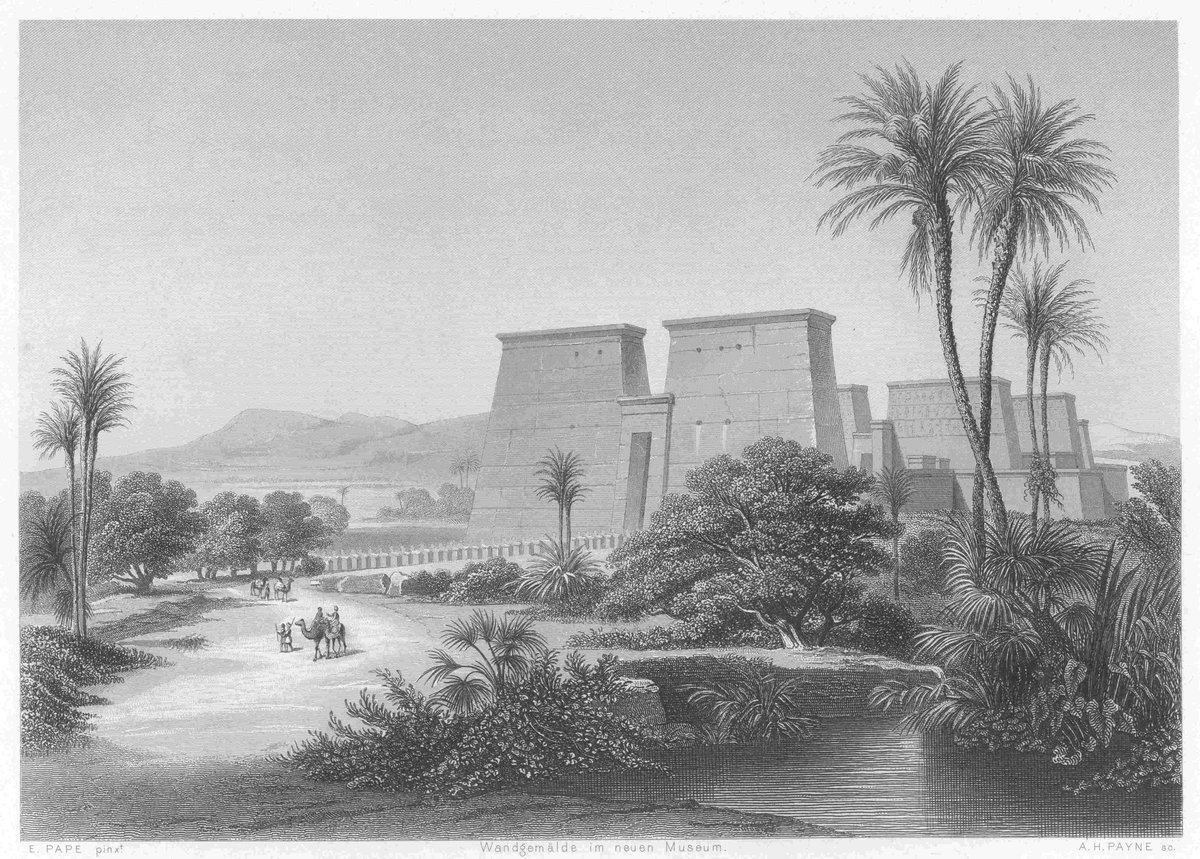
Steel engraving of the Karnak Temple in Egypt created by Albert Henry Payne after Pape, showing the ancient temple complex with detailed architectural elements.
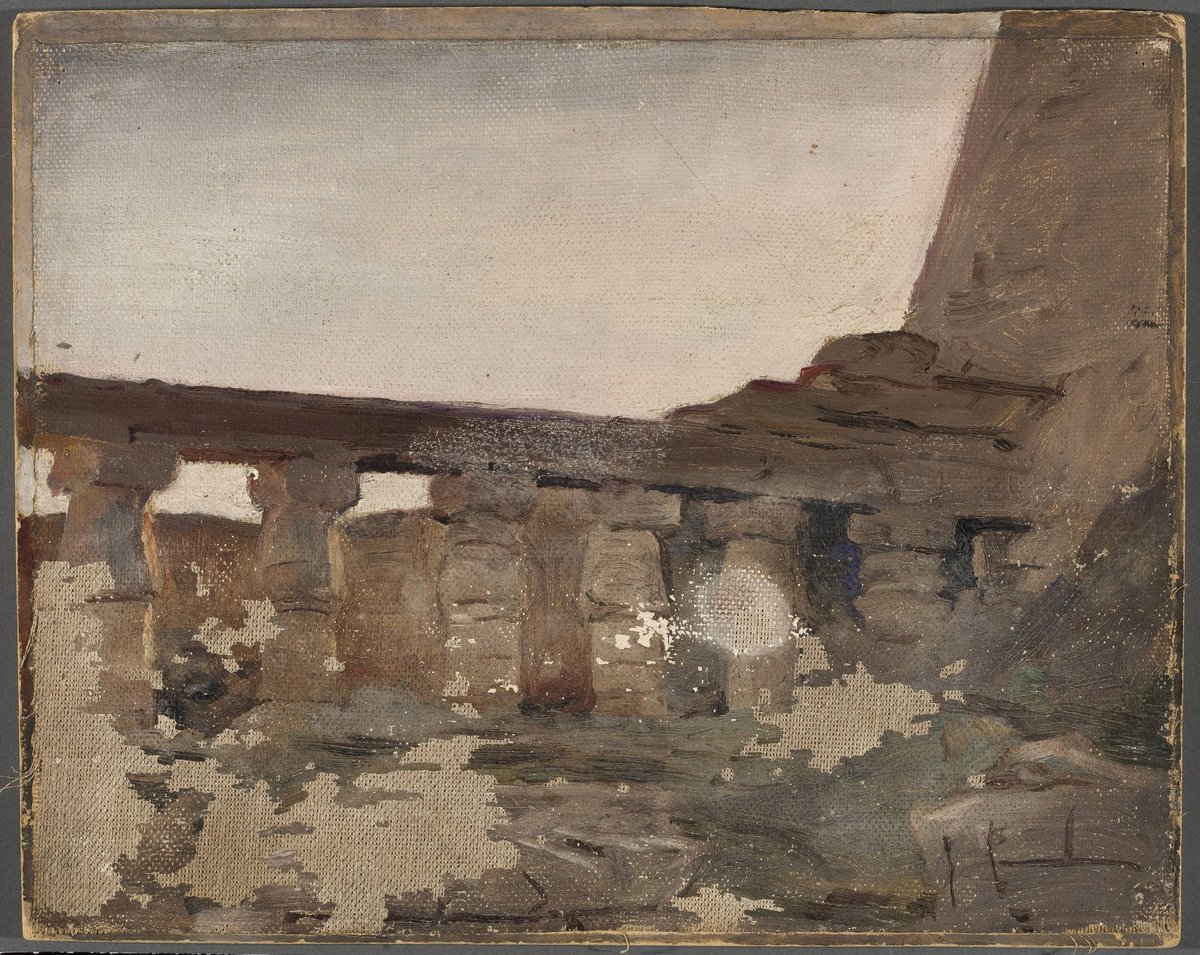
Photograph of Karnak Temple of Amun showcasing ancient Egyptian ruins and columns under a clear sky, from a journey to Egypt
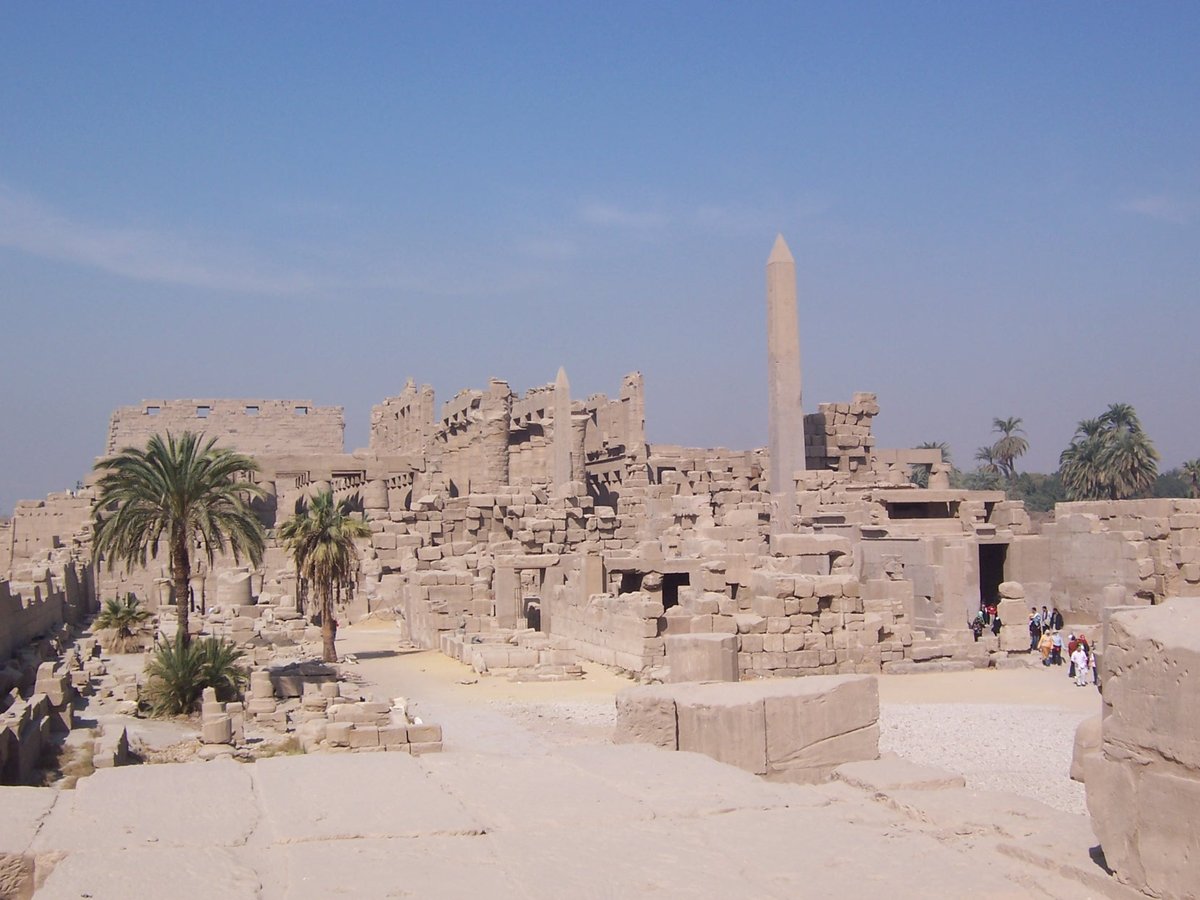
Karnak Temple Complex located in Luxor, Egypt, showcasing ancient Egyptian architecture and columns.
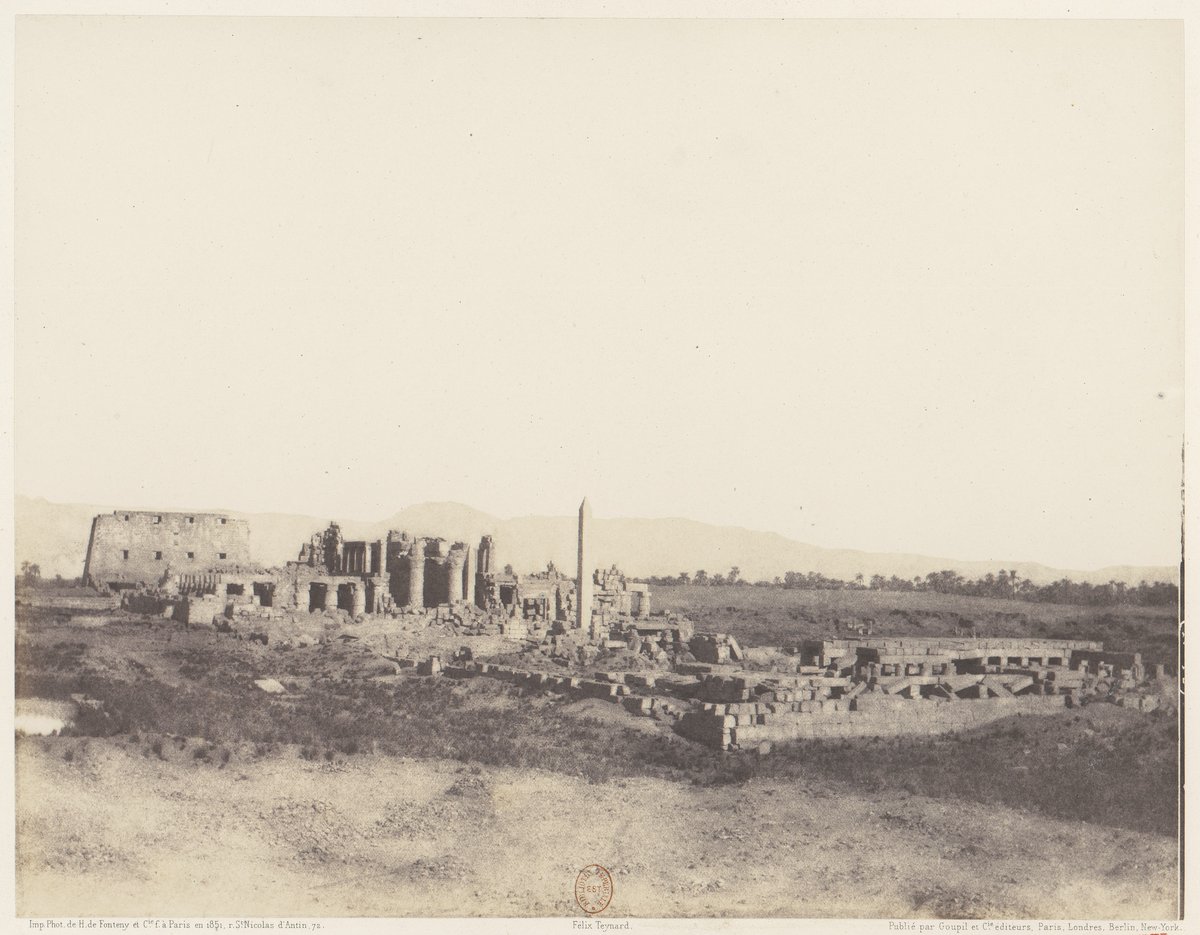
Photograph showing a general view of the ancient ruins of the Karnak temple complex located in Thebes, Egypt, taken from the southeast angle.
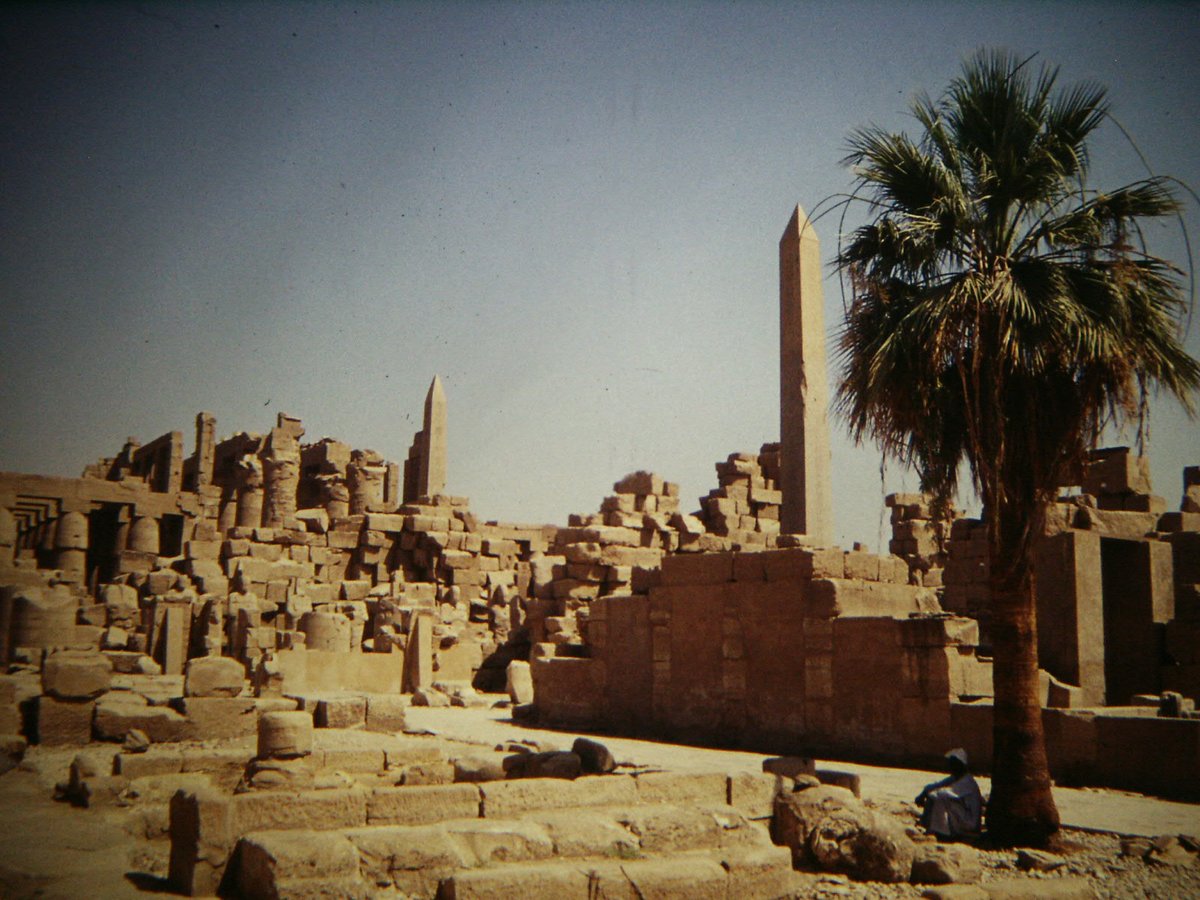
Photo of Karnak Temple's ancient ruins in Egypt featuring iconic columns with hieroglyphics, taken from a digital copy of a slide from June 2002
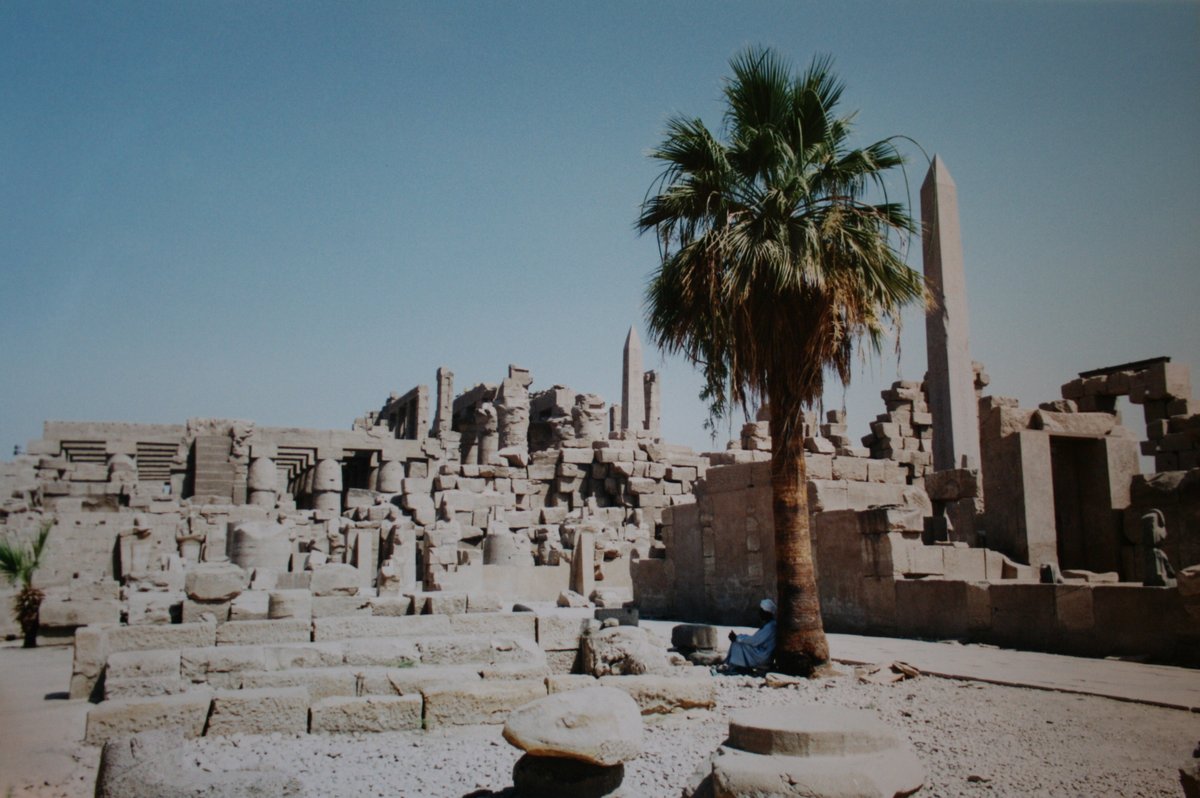
Digital slide photo of Karnak Temple ancient ruins taken in June 2002, part of WorldHistoryPics.com indexed collection
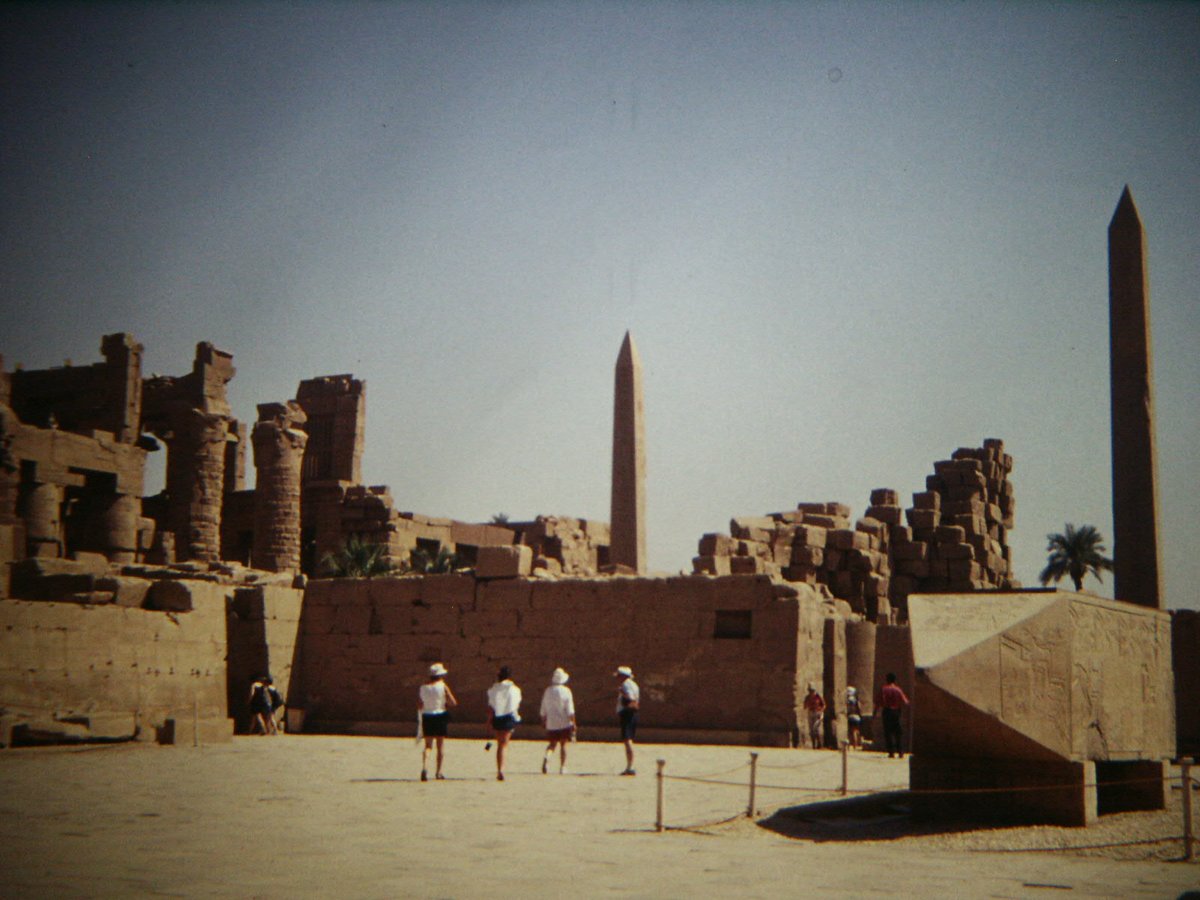
Digital photo of Karnak Temple ancient ruins taken in June 2002 showing rows of columns and intricate carvings in Egypt
Historical Background
Origins and Early Development
Karnak’s origins date back to the Middle Kingdom (c. 2055 BCE), with the earliest evidence of a temple constructed by Intef II of the Eleventh Dynasty (Smarthistory; Egypt Mythology). The original sanctuary was modest but strategically located, as Thebes (modern Luxor) was considered the mythological site of creation. The name “Ipet-Sut” (“The Most Select of Places”) highlights its sacred standing (Sun Pyramids Tours).
Expansion During the Middle and New Kingdoms
Successive pharaohs of the Middle and New Kingdoms transformed Karnak into an immense complex. Notably, Senusret I initiated stone constructions, while New Kingdom rulers—Hatshepsut, Thutmose III, Seti I, and Ramesses II—added monumental pylons, sanctuaries, and the famous Hypostyle Hall (World History Encyclopedia; Smarthistory). The cult of Amun, merged with the sun god Ra as “Amun-Re,” reached the height of its influence in this period, and the temple became a center for religious, political, and economic power (Art Facts).
The annual Opet Festival was a highlight, with processions of cult statues from Karnak to Luxor Temple along the Avenue of Sphinxes (AfricaMe).
Later Periods and Decline
During the Third Intermediate and Late Periods, construction slowed, but Karnak retained religious significance. Greco-Roman and Christian eras saw modifications and partial abandonment (Egypt Mythology; Sun Pyramids Tours). Rediscovered by Europeans in the 16th century and explored extensively from the 18th century onward, Karnak is now a UNESCO World Heritage Site (Art Facts).
The Divine Role of Amun and Religious Practices
Amun, initially a local Theban deity, rose to national prominence as “Amun-Re,” king of the gods, linked to creation, kingship, and fertility (egyptmythology.com). Karnak’s layout and orientation reflect ancient beliefs: its axis aligns with the rising sun, echoing the cosmic rebirth central to Egyptian religion (audiala.com).
Major festivals, especially the Opet Festival, reinforced the divine connection between Amun and the pharaoh. Daily rituals, conducted by a vast priesthood, included offerings, purification, and recitations, while the temple also served as a pilgrimage site. Records inscribed on the walls document prayers, donations, and religious ceremonies (egyptmythology.com; audiala.com).
Architectural Marvels and Layout
Grand Scale and Precincts
Karnak covers over 200 acres, with the Precinct of Amun-Re as the main area open to visitors (Imperial Egypt; The Discoveries Of). Additional precincts, such as those dedicated to Mut and Montu, are less accessible (Explore Luxor).
Monumental Gateways and Avenue of Sphinxes
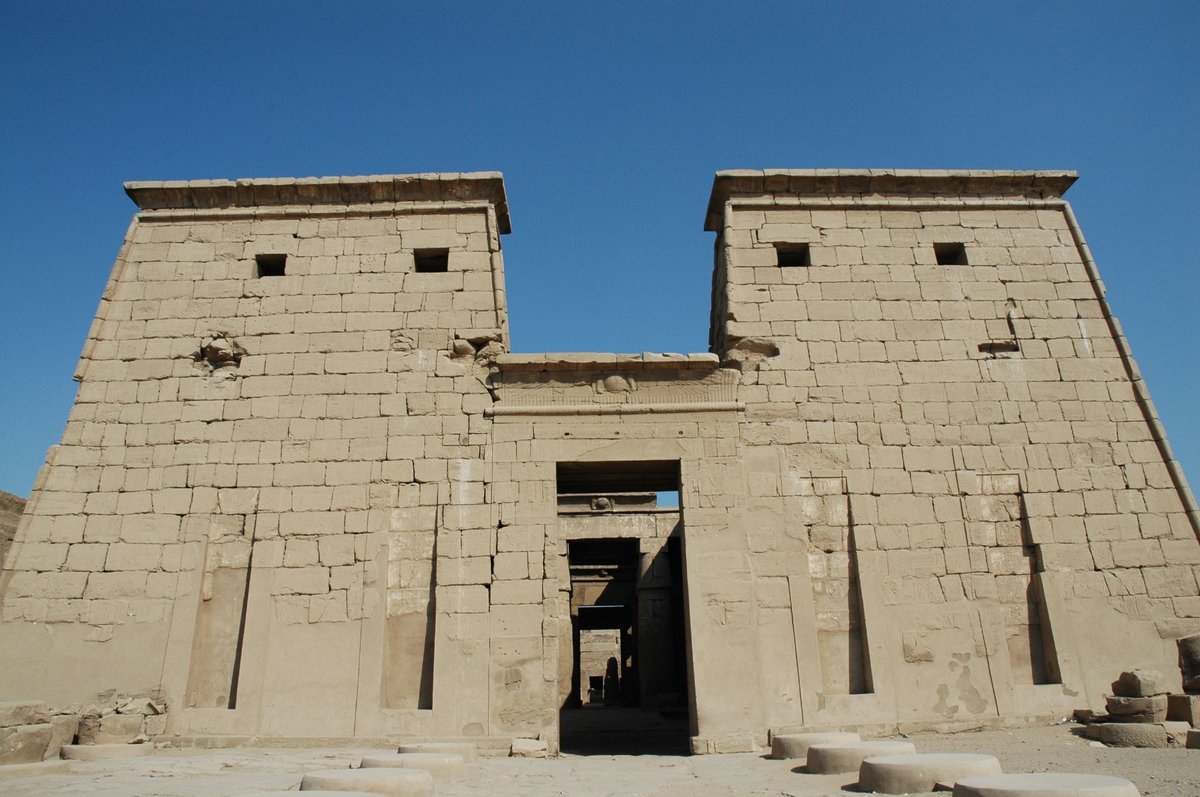
Ten massive pylons, built over centuries, mark the approach to the temple. The Avenue of Sphinxes, lined with ram-headed sphinxes, connects Karnak to Luxor Temple and was central to festival processions (Hurghada Excursion).
The Great Hypostyle Hall
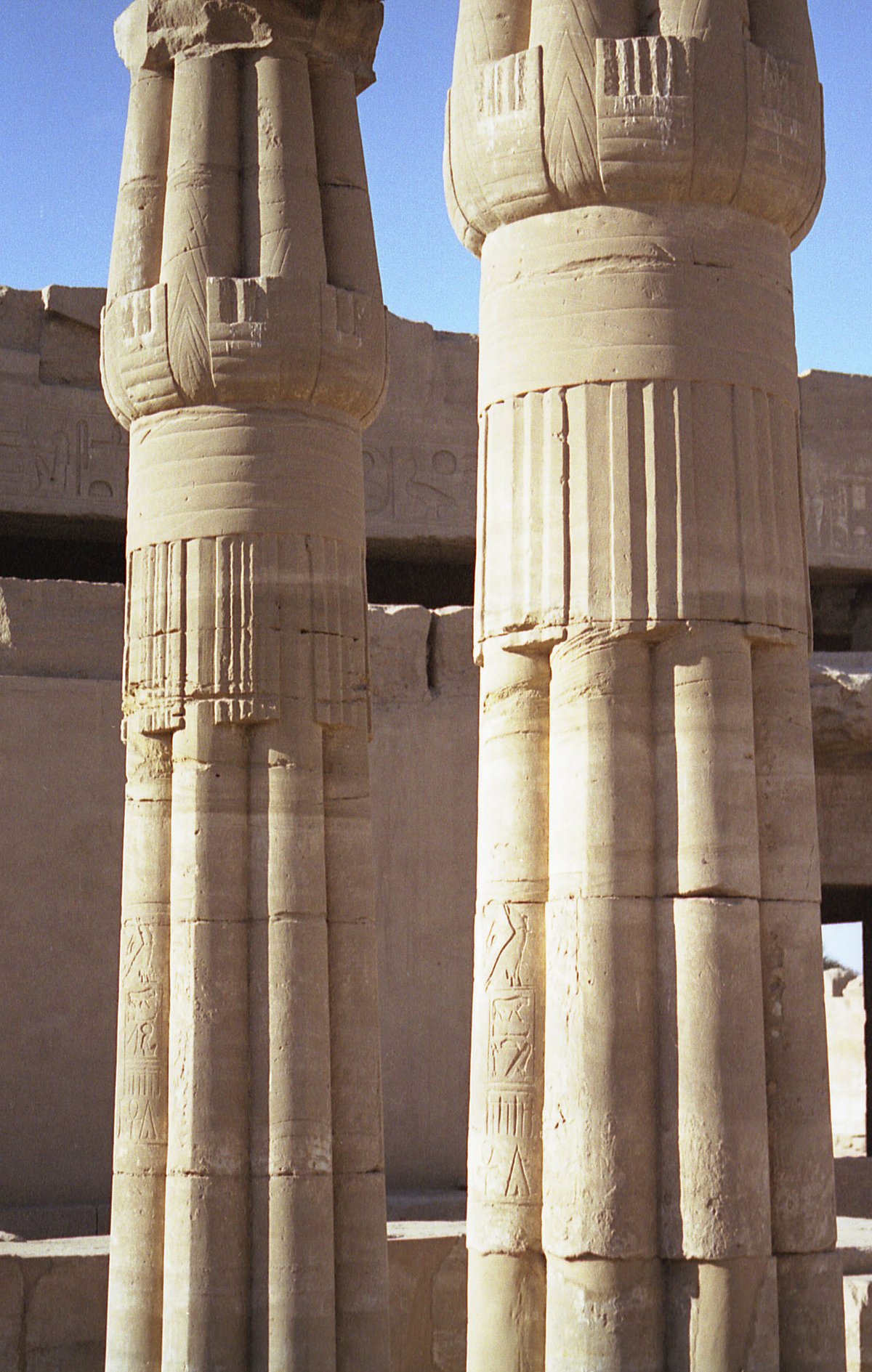
This breathtaking hall contains 134 colossal columns, some rising to 21 meters, adorned with intricate reliefs and hieroglyphs (Smarthistory). Its vastness and artistry are unmatched, symbolizing the marsh of creation and the ordered cosmos (The Discoveries Of).
Obelisks, Statues, and Sacred Lake
Obelisks, such as Hatshepsut’s 29.5-meter monument, and colossal statues of gods and pharaohs highlight the divine power and royal patronage. The Sacred Lake, used for ritual purification, symbolizes the primordial waters (The Discoveries Of).
Artistic and Symbolic Details
Karnak’s architecture and decoration are rich in symbolism: pylons represent the horizon, columns evoke papyrus marshes, and obelisks act as petrified sunbeams. Reliefs and hieroglyphs document historic victories, religious rituals, and cosmological beliefs (timetravelturtle.com; Egypt Mythology).
Ongoing Discoveries and Conservation
Archaeological exploration continues to reveal hidden chambers and artifacts, while conservation projects safeguard Karnak’s structures and reliefs (New Laptop Mag).
Visiting Karnak Temple: Practical Information
Location and Getting There
Karnak is on Luxor’s east bank, about 3 km north of Luxor Temple. Visitors can reach it by taxi, bus, horse-drawn carriage, walking or cycling (especially along the restored Avenue of Sphinxes), or through guided tours (Tripoto; Eagle Travel).
Opening Hours
- Open daily: 6:00 AM – 5:00 PM (last admission typically 30 minutes before closing).
- Hours may vary during special events (Intrepid Scout).
Tickets and Entry
- Standard adult entry: Around 450 EGP (2025 rates).
- Discounts for students and children.
- Tickets sold at the entrance or online; separate tickets for the Sound and Light Show (Intrepid Scout).
Accessibility
- Main paths and open courtyards are partially wheelchair accessible, though uneven ground can limit access to some areas (Tripoto).
- Restrooms and shaded rest areas near the entrance.
- Guided tours can accommodate specific needs.
Recommended Visit Duration
- Allocate at least 3–4 hours for highlights; longer for in-depth exploration or guided tours (Intrepid Scout).
What to Bring and Wear
- Lightweight, modest clothing; comfortable walking shoes.
- Sun protection: hat, sunglasses, sunscreen.
- Ample water; bottled water is also sold on site.
- Camera (tripods may require special permission).
Site Etiquette
- Do not touch or climb on monuments.
- Respect restrictions on flash photography and tripods.
- Maintain a respectful demeanor in sacred areas (Egypt Mythology).
Facilities
- Restrooms and cafés near the entrance.
- Souvenir shops with local crafts and refreshments (Tripoto).
- Licensed guides available for hire (Eagle Travel).
Safety and Health
- Visit early or late in the day to avoid extreme heat and crowds.
- The site is well-patrolled and considered safe.
Nearby Attractions in Luxor
- Luxor Temple: 3 km south, easily visited via the Avenue of Sphinxes (Tripoto).
- Valley of the Kings: Renowned royal tombs on the west bank.
- Luxor Museum: Artifacts from Karnak and other local sites.
- Nefertiti Hotel: Budget-friendly accommodation with Nile views and tour arrangements (Tripoto).
Special Experiences and Events
- Avenue of Sphinxes Walk: Experience the restored processional route between Karnak and Luxor Temples (Egypt Mythology).
- Sound and Light Show: An evening event with dramatic lighting and narration (Intrepid Scout).
- Festivals and Reenactments: Occasional cultural events bring ancient rituals to life.
Frequently Asked Questions (FAQ)
Q: What are Karnak Temple’s opening hours?
A: Daily, 6:00 AM to 5:00 PM (may vary by season).
Q: How much are tickets?
A: Standard adult entry: approximately 450 EGP; discounts for students and children.
Q: Is Karnak Temple wheelchair accessible?
A: Some main areas are accessible, but uneven ground and steps may limit access to others.
Q: Are guided tours available?
A: Yes, both on-site and through travel agencies.
Q: What is the best time to visit?
A: Early morning or late afternoon, especially during cooler months.
Q: Is photography allowed?
A: Yes, but flash and tripods may be restricted.
Listen to the full story in the app
Your Personal Curator, in Your Pocket.
Audio guides for 1,100+ cities across 96 countries. History, stories, and local insight — offline ready.
Audiala App
Available on iOS & Android
Join 50k+ Curators
Sources
- verified
- verified
- verified
- verified
- verified
- verified
- verified
- verified
- verified
- verified
Last reviewed: