Introduction
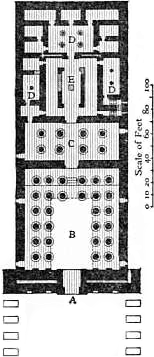
The South Exterior Wall of the Temple of Amun-Ra at Karnak in Luxor, Egypt, is a monumental relic of ancient religious devotion, royal authority, and architectural ingenuity. Spanning approximately 52 meters in length and originally standing over 15 meters high, this sandstone wall forms the southern border of the renowned Great Hypostyle Hall. Constructed primarily during the reigns of Sety I and Ramesses II in the New Kingdom (c. 1294–1213 BCE), the wall is adorned with intricate reliefs and inscriptions depicting royal triumphs, religious rituals, and ceremonial processions. Its enduring presence offers visitors a rare glimpse into the spiritual and political life of ancient Thebes (Digital Karnak; africame.factsanddetails.com).
Beyond its architectural function, the South Exterior Wall played a vital role in ritual processions, especially during the Opet Festival, when statues of Amun, Mut, and Khonsu journeyed from Karnak to Luxor Temple along the Avenue of the Sphinxes. The wall marked a ceremonial threshold for these divine processions, reinforcing the cosmic order and royal legitimacy (PlanetWare; luxoregypttours.com).
This guide provides detailed insights into the South Exterior Wall’s history, cultural significance, architectural features, and practical visitor information—including Karnak Temple visiting hours, tickets, accessibility, and travel tips—ensuring an enriching journey through one of Luxor’s most iconic landmarks (audiala.com; egyptmythology.com).
Historical Context and Construction
Origins and Development
Karnak Temple Complex traces its roots to the Middle Kingdom, with the earliest structures built during the reign of Intef II (c. 2112–2063 BCE). The area’s sanctity predates the temple, revered for its association with deities like Amun, Atum, and Osiris (africame.factsanddetails.com; arabamerica.com). The most significant expansion occurred in the New Kingdom (c. 1550–1070 BCE), when Thebes became Egypt’s capital, and rulers like Hatshepsut, Thutmose III, Seti I, and Ramesses II transformed Karnak into a vast religious and administrative center (egyptmythology.com; worldhistory.org).
The South Exterior Wall
The South Exterior Wall was initiated by Sety I and completed by Ramesses II, who decorated it with scenes commemorating military victories and religious ceremonies. This wall marked the southern boundary of the Great Hypostyle Hall and was integral to the temple’s structural stability and ceremonial use (Digital Karnak).
Architectural and Artistic Features
Structure and Materials
Constructed of massive sandstone blocks, the wall’s imposing height and thickness ensured the Hypostyle Hall’s stability and delineated the temple’s sacred precinct. Techniques such as tight-fitting joints and a battered base profile provided resilience against environmental and seismic challenges (Digital Karnak).
Artistic Decoration
The wall’s sunk reliefs, carved during Ramesses II’s reign, depict the pharaoh subduing enemies, presenting offerings to Amun-Ra, and participating in ritual processions. The use of sunk relief made the scenes more vivid in Egypt’s bright sunlight. Figures of the king are rendered in grand scale, emphasizing his divine authority (Digital Karnak).
Preservation
Many reliefs remain remarkably well-preserved due to ongoing conservation efforts by the Egyptian Ministry of Antiquities and international teams (Digital Karnak).
Cultural and Religious Significance
Ritual Processions and Festivals
The South Exterior Wall’s location and decorated gates made it central to major religious events, especially the Opet Festival. During this celebration, statues of the Theban Triad passed through the wall’s gates, journeying to Luxor Temple via the Avenue of the Sphinxes. The wall thus served as a ceremonial threshold and a focal point for communal worship (PlanetWare; luxoregypttours.com).
Social and Political Symbolism
The wall functioned as royal propaganda, immortalizing pharaonic achievements and legitimizing rulership through scenes of piety and victory. Inscriptions recorded historical events, decrees, and dedications, while magical texts offered spiritual protection to the temple and its people (africame.factsanddetails.com; thecollector.com).
Access for Commoners
Near the wall, the Chapel of the Hearing Ear allowed ordinary Egyptians to communicate their prayers to Amun-Ra, highlighting the wall’s role as a bridge between the divine and the public (thecollector.com).
Visiting Information and Practical Tips
Visiting Hours
- Daily: 6:00 AM to 5:00 PM (may vary seasonally; check ahead for updates)
- Sound & Light Show: Evening sessions available; check schedule for details (Rough Guides)
Tickets
- General Admission: Approx. 150 EGP for adults; 75 EGP for students
- Combined Tickets: Available for Karnak and Luxor Temples
- Where to Buy: At the main entrance or online via official tourism portals
Accessibility
- Pathways are generally flat but may be uneven due to ancient paving stones.
- Some areas near the South Exterior Wall may be restricted for conservation.
Practical Tips
- Best Time to Visit: Early morning or late afternoon for optimal lighting and fewer crowds.
- What to Bring: Comfortable shoes, sun protection, and water.
- Photography: Permitted, but flash and tripods may be restricted. Use zoom lenses for detailed reliefs.
- Dress Code: Modest clothing recommended out of respect and for sun protection.
Accessibility and Nearby Attractions
- Sacred Lake: Just north of the wall, used for ritual purification and a scenic spot for photos.
- Temple of Khonsu: South of the main axis, accessible via southern pylons.
- Avenue of Sphinxes: Connects Karnak to Luxor Temple; a must-see processional route.
- Other Sites: Luxor Temple, Valley of the Kings, and Luxor Museum are nearby and easily combined with your visit (audiala.com).
Frequently Asked Questions (FAQ)
Q: What are Karnak Temple’s opening hours?
A: Typically 6:00 AM to 5:00 PM daily; check for seasonal adjustments.
Q: How much are tickets?
A: Around 150 EGP for adults, 75 EGP for students; combined tickets with other sites are available.
Q: Is the South Exterior Wall accessible for visitors with disabilities?
A: The site has uneven terrain; accessibility is limited but some pathways are manageable.
Q: When is the best time for photography?
A: Early morning or late afternoon for the best lighting on reliefs.
Q: Are guided tours available?
A: Yes, official guides are available at the entrance in multiple languages and are highly recommended.
Discover More
The South Exterior Wall of Karnak Temple stands as a testament to ancient Egypt’s religious, cultural, and political grandeur. Its size, artistry, and rich symbolism make it a highlight for anyone visiting Luxor’s archaeological treasures. Plan your visit by checking the latest Karnak Temple visiting hours, securing tickets in advance, and considering a guided tour for deeper insights. Respect conservation efforts to help preserve this monument for future generations.
To enhance your journey, download the Audiala app for expert audio guides, maps, and the latest updates on Karnak and other historical sites in Luxor. Explore related articles, follow us on social media, and delve deeper into Egypt’s remarkable past.
Listen to the full story in the app
Your Personal Curator, in Your Pocket.
Audio guides for 1,100+ cities across 96 countries. History, stories, and local insight — offline ready.
Audiala App
Available on iOS & Android
Join 50k+ Curators
Sources
- verified
- verified
- verified
-
verified
PlanetWare, n.d
Karnak Temple Complex
- verified
-
verified
Audiala, n.d
Karnak Temple Complex Visitor Information
-
verified
Egypt Mythology, n.d
The Temple of Amun
Last reviewed: