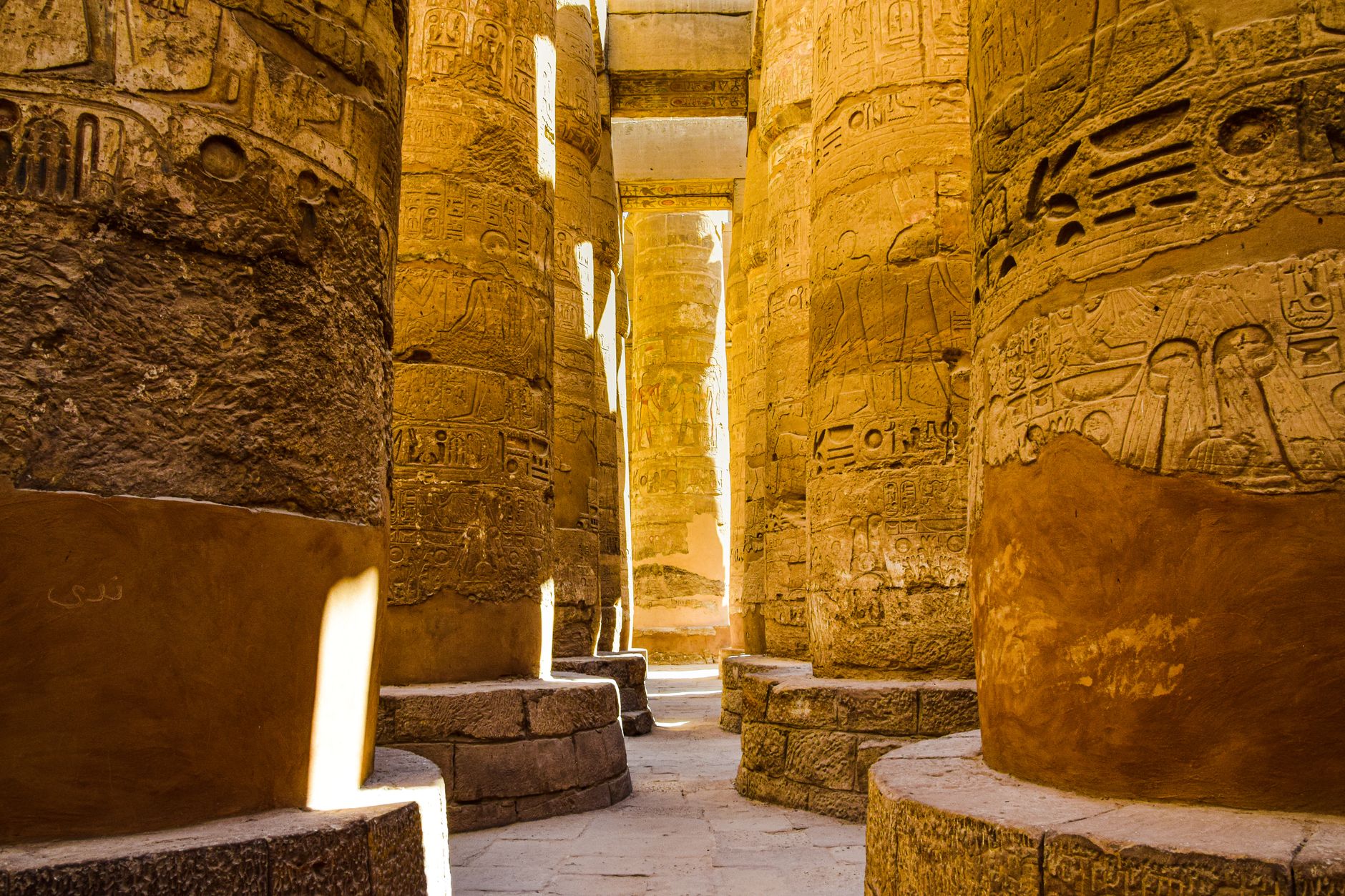
Plan and listen to Ramesseum with Audiala.
Audio guide in your pocket, itinerary in your browser. Built for the way you actually visit.
Introduction
The Ramesseum, an iconic funerary temple dedicated to Pharaoh Ramses II, stands as a marvel of ancient Egyptian architecture and a testament to the grandeur of one of Egypt's most illustrious pharaohs. Located on the west bank of the Nile in Luxor, the Ramesseum not only immortalizes Ramses II's achievements but also offers invaluable insights into the religious and cultural practices of ancient Egypt (Britannica). Constructed around 1250 BCE during the 19th dynasty, the Ramesseum was designed to emphasize Ramses II's divine status and his eternal legacy (Nile Cruise Booking). This guide provides a comprehensive overview of the Ramesseum, covering its historical significance, architectural wonders, and practical information for visitors. Whether you are a history enthusiast, an architecture aficionado, or a curious traveler, the Ramesseum promises to leave a lasting impression.
History of the Ramesseum
Construction and Purpose
The Ramesseum, a grand funerary temple, was constructed during the 19th dynasty of ancient Egypt, around 1250 BCE, under the reign of Pharaoh Ramses II, also known as Ramses the Great. Ramses II, one of Egypt’s most influential and long-lived pharaohs, ruled for over 60 years. The temple was built on the west bank of the Nile River at Thebes, in modern-day Luxor, Egypt, on the site of a previous temple belonging to Amenhotep I. Ramses II sought to outshine his predecessors by creating a structure that would emphasize his own divine status and immortalize his achievements (Britannica).
The Ramesseum was dedicated to the god Amun and the deceased king, serving both as a place of worship and a mortuary temple for Ramses II. The temple's architectural layout mirrors the traditional design of Egyptian temples, comprising an entrance pylon, a vast courtyard, hypostyle halls, smaller chambers, and the central sanctuary housing the cult statue of the deity (Nile Cruise Booking).
Architectural Brilliance
The Ramesseum stands as a remarkable testament to the architectural brilliance and cultural significance of ancient Egypt. The temple complex was designed to symbolize the pharaoh’s power and authority. One of the most awe-inspiring features of the Ramesseum is the colossal statue of Ramses II seated on a throne, known as the “Colossus of Ramses.” This statue originally stood at the entrance and measured over 18 meters in height. Despite the damage caused by earthquakes and ancient iconoclasm, the statue still imparts a sense of the pharaoh’s majestic presence (Nile Cruise Booking).
The temple's exterior walls are adorned with intricate reliefs depicting various scenes from Ramses II’s military conquests and religious rituals. These reliefs showcase the pharaoh’s military prowess, including the famous Battle of Kadesh, the Syrian wars, and the Festival of Min. The walls of the Ramesseum, which is only about half preserved, are decorated with these reliefs, providing a glimpse into the cultural, religious, and political significance of the era in which it was built (Britannica).
Religious and Cultural Significance
The Ramesseum held immense religious importance for the ancient Egyptians. It served as a place of worship for the god Amun, and rituals and ceremonies were conducted by the pharaoh and priests to ensure the deity’s favor and protection. The temple also played a role in the annual Opet Festival, during which the statue of Amun was transported from the nearby Karnak Temple to the Ramesseum, symbolizing the god’s journey to visit Ramses II (Nile Cruise Booking).
Moreover, the temple was intended to serve as a mortuary temple for Ramses II, dedicated to his eternal glorification and the preservation of his memory. The reliefs and inscriptions found within the temple walls depict scenes from the pharaoh’s life and reign, emphasizing his divine right to rule and immortalizing his achievements for eternity (Nile Cruise Booking).
Decline and Rediscovery
Following the decline of the New Kingdom period, the Ramesseum Temple fell into disrepair and was subjected to natural disasters, including earthquakes, and looting. The temple was also utilized as a quarry during the Islamic period, with its stones repurposed for other construction projects (Nile Cruise Booking).
In modern times, the Ramesseum has been the subject of extensive archaeological exploration and restoration efforts. Several expeditions and excavations have taken place, uncovering valuable artifacts and providing insights into the temple’s original splendor. Today, visitors can explore the remains of this once majestic structure and marvel at the enduring legacy of Ramses II (Nile Cruise Booking).
Cultural Legacy
The Ramesseum is identified with the “Tomb of Osymandias” (a corruption of Ramses II’s prenomen) described by the Greek historian Diodorus Siculus in the 1st century BCE. The shattered colossus of Ramses was the subject of Percy Bysshe Shelley’s poem “Ozymandias,” which reflects on the impermanence of human achievements and the inevitable decline of all empires (Britannica).
Visitor Information
- Visiting Hours: The Ramesseum is open daily from 8 AM to 5 PM.
- Ticket Prices: Entry tickets cost approximately $10 for adults and $5 for children.
- Best Time to Visit: The best time to visit is early morning or late afternoon to avoid the midday heat.
- Travel Tips: Wear comfortable shoes and bring water, as the site involves a lot of walking.
- Nearby Attractions: Don't miss the nearby Valley of the Kings and the Karnak Temple.
Visitor Experience
Today, the Ramesseum continues to captivate visitors with its colossal statues, intricately carved reliefs, and remnants of its glorious past. Despite the passage of millennia and the challenges faced over time, the Ramesseum Temple continues to inspire awe and fascination, allowing us to connect with the ancient world and appreciate the incredible achievements of the pharaohs (Nile Cruise Booking).
Visitors to the Ramesseum can explore the vast courtyard, hypostyle halls, and the central sanctuary, gaining a deeper understanding of the religious and cultural practices of ancient Egypt. The temple's intricate reliefs and inscriptions provide a vivid portrayal of Ramses II’s reign, offering a unique glimpse into the life and achievements of one of Egypt’s greatest pharaohs.
FAQ
- How long does it take to tour the Ramesseum?
- A typical visit lasts around 1-2 hours.
- Is the Ramesseum accessible for people with disabilities?
- The site has limited accessibility; it’s best to check in advance for any specific accommodations.
- Are guided tours available?
- Yes, guided tours are available and highly recommended for a richer experience.
Listen to the full story in the app
The whole Ramesseum,
told well.
Audio guides for 1,100+ cities across 96 countries. History, stories, and local insight — offline ready.

Verified, and shown.
Researched and written by the Audiala editorial team from historical records, architectural archives, and local expertise.
Last reviewed