Introduction: The Significance of KV54 in Luxor
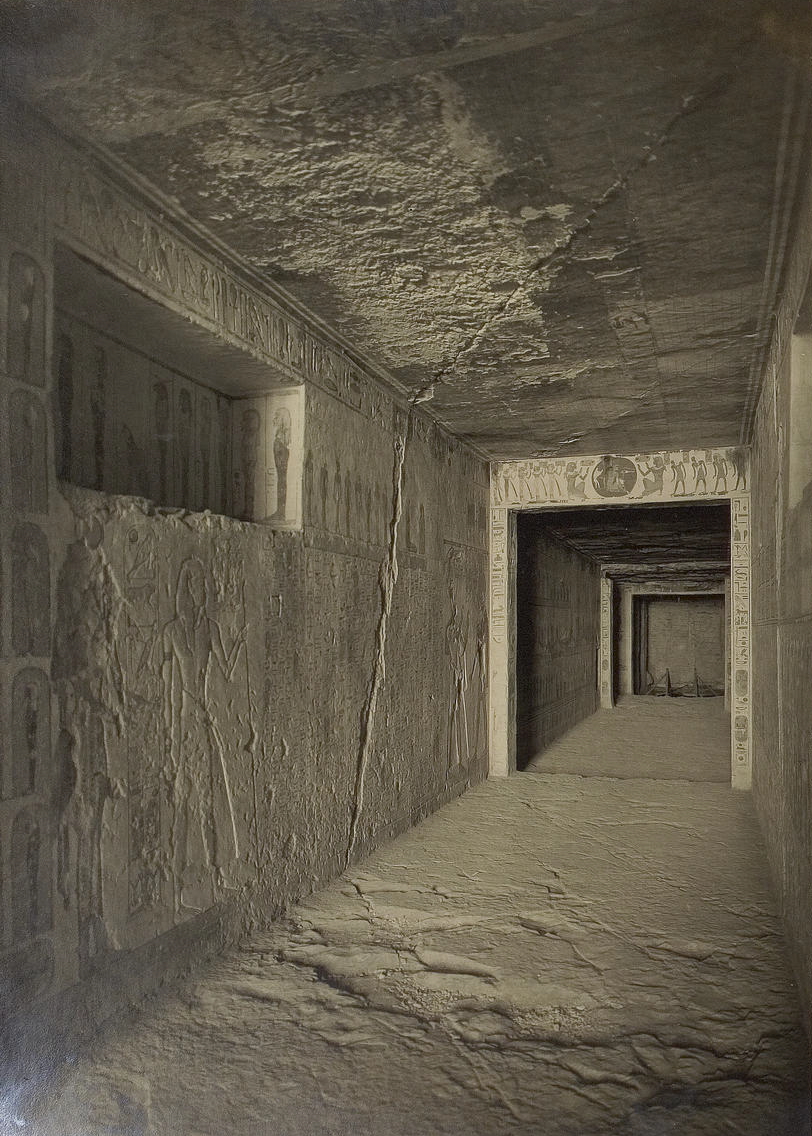
Located within Luxor’s legendary Valley of the Kings, KV54 stands apart from the grand royal tombs as a unique archaeological find: the embalming cache of Pharaoh Tutankhamun. Discovered in 1907 by Edward R. Ayrton under the sponsorship of Theodore M. Davis, KV54 is a small pit rather than a decorated tomb, but its contents have greatly enhanced our understanding of ancient Egyptian funerary practices in the late 18th Dynasty. The jars, linens, natron, floral collars, and food remains found within the cache provided not only evidence of elaborate burial rituals but also helped guide Howard Carter to discover Tutankhamun’s tomb (KV62) in 1922.
Although KV54 itself is not accessible to the public due to its fragility and archaeological importance, its legacy is central to the story of Tutankhamun and the broader rituals of royal mummification. This guide details the history and significance of KV54, practical visitor information for the Valley of the Kings, travel tips, and resources for planning your journey into Egypt’s ancient past. Authoritative resources include the Official Egyptian Tourism Authority, the Metropolitan Museum of Art – Tutankhamun Exhibits, and Wikipedia: KV54.
Historical Background: Discovery and Role in Tutankhamun’s Story
Discovery and Excavation
KV54 was unearthed on December 21, 1907, by Edward R. Ayrton during excavations funded by Theodore M. Davis. Found southeast of Tutankhamun’s eventual tomb (KV62), it is a modest square shaft (about 1.17 m x 1.17 m and 1.69 m deep) that had remained hidden beneath the debris of nearby tomb construction. The cache contained over a dozen sealed jars filled with linen wrappings (some bearing Tutankhamun’s name), natron (used in mummification), pottery, floral collars, animal bones, and food remnants (Landioustravel).
Archaeological Significance
KV54 is not a tomb but an embalming cache—an area where priests deposited materials used in the mummification process. Its contents, now largely housed at the Metropolitan Museum of Art, revealed the logistical and ritual complexity of royal burials. The presence of linen inscribed with Tutankhamun’s name was particularly important; it provided a critical clue to the location and identity of the still-undiscovered royal tomb (Wikipedia: KV54).
Impact on the Search for Tutankhamun
Initially, Theodore M. Davis mistook KV54 for the actual tomb of Tutankhamun, leading him to prematurely declare the Valley of the Kings "exhausted" of royal burials. However, Howard Carter later identified it as an embalming cache, which shifted the focus and directly led to his breakthrough discovery of KV62 in 1922 (HakunaMatataa).
The cache provides rare insight into the scale and nature of royal funerary preparation:
- Linen Bandages: Some inscribed with Tutankhamun’s name and regnal year.
- Natron: Essential for the desiccation process in mummification.
- Pottery and Food Remains: Evidence of funerary feasts and offerings.
- Floral Collars: Used in rituals for the deceased.
- Animal Bones and Food Debris: Leftovers from ritual banquets.
- Mud Seal Impressions: Bearing the necropolis seal, confirming its royal association.
- Small Artifacts: Including scarabs, wooden fragments, and faience beads (Egyptian Museum).
These items, disposed of separately from the main tomb, reflect ancient Egyptian beliefs about ritual purity and the need to safeguard the tomb from any contaminating influences.
Can You Visit KV54? Practical Visitor Information
Access and Public Entry
KV54 is closed to the public to preserve its delicate archaeological integrity. However, its story is often included in guided tours of the Valley of the Kings, and many artifacts from the cache can be seen in major museums, such as the Metropolitan Museum of Art.
Valley of the Kings Visiting Hours
- Hours: Daily, 6:00 AM–5:00 PM (ticket office closes at 4:00 PM; hours may vary seasonally)
- Entry: Main access via the visitor center on the West Bank of Luxor (The Discoveries Of)
Tickets and Entry Procedures
- General Entry: 600 EGP for adults, 300 EGP for students (as of January 2024), includes entry to three tombs of your choice (excludes premium tombs)
- Premium Tombs: Separate tickets for Tutankhamun (KV62), Seti I (KV17), and Rameses V/VI (MOTA Official Ticket List)
- KV54 Access: Not open for regular visitation. Special access for researchers may be arranged by permit through the Ministry (Egyptian Ministry of Tourism).
Travel and Accessibility Tips
- Getting There: Reachable via taxi, private car, or organized tour from Luxor city (about 45 minutes)
- On-site Transport: An electric tram (5 EGP) shuttles visitors from the ticket office to the tomb area (The Discoveries Of)
- Facilities: The visitor center offers restrooms, a café, and a souvenir shop. Local restaurants are nearby (Egypt Tours by Locals)
- Accessibility: The visitor center and tram are accessible, but most tombs require steps and traversing uneven terrain.
What to Bring
- Water, sun protection (hat, sunscreen, sunglasses)
- Comfortable shoes
- Camera (note: photography inside tombs requires a permit, 300 EGP)
- Valid student ID for discounts (Against the Compass)
Nearby Attractions
While KV54 is not open, the Valley of the Kings is home to many other monumental tombs and sites:
- KV62 (Tutankhamun’s Tomb): Open to the public with separate entry fee.
- KV17 (Seti I): One of the largest and most decorated tombs.
- Mortuary Temple of Hatshepsut
- Ramesseum
- Luxor Temple and Karnak Temple (East Bank)
Visiting these sites provides a comprehensive understanding of New Kingdom funerary culture (Flashpacking Family).
Ticketing Options: The Luxor Pass
For visitors interested in multiple sites, the Luxor Pass offers excellent value:
- Standard Pass: Covers most attractions (excludes some premium tombs), valid for five days.
- Prices: $100–$130 for adults, $50–$70 for students (payable in new US dollars or euros) (Explore Luxor, The Urge to Wander).
Preservation and Research
KV54’s artifacts are primarily preserved in the Metropolitan Museum of Art and the Egyptian Museum in Cairo. Ongoing research—including scientific analysis of materials—continues to shed light on ancient embalming and ritual practices.
Frequently Asked Questions (FAQ)
Can I visit KV54?
No, KV54 is not open to the public. Its importance is explained in museum exhibits and on guided tours.
Where are the KV54 artifacts?
Most artifacts are at the Metropolitan Museum of Art and the Egyptian Museum in Cairo.
What are the ticket prices for the Valley of the Kings?
600 EGP for adults, 300 EGP for students (as of 2024), includes three tombs (excludes premium tombs).
How do I get to the Valley of the Kings?
By taxi, private car, or tour from Luxor. The site is about 45 minutes from central Luxor.
Are there guided tours about KV54?
Licensed guides provide detailed information and may point out KV54’s location during valley tours.
Summary Table: Key Facts about KV54
| Feature | Details |
|---|---|
| Type | Embalming cache (not a tomb) |
| Discovered | 1907 by Edward R. Ayrton |
| Linked to | Tutankhamun (Nebkheperure) |
| Main contents | Sealed jars with natron, pottery, animal bones, floral collars, linen |
| Key inscription | Linen marked with Tutankhamun’s name and regnal year 6 |
| Archaeological value | Evidence for mummification, funerary banquets, and tomb security |
| Public access | Not open to the public |
| Research significance | Informs on royal burial practices, textile use, and ritual feasting |
| Influence | Guided search for Tutankhamun’s tomb; set precedent for identifying caches |
Listen to the full story in the app
Your Personal Curator, in Your Pocket.
Audio guides for 1,100+ cities across 96 countries. History, stories, and local insight — offline ready.
Audiala App
Available on iOS & Android
Join 50k+ Curators
Sources
- verified
- verified
- verified
- verified
- verified
- verified
- verified
- verified
Last reviewed: