Introduction
KV53, tucked away in the iconic Valley of the Kings on the west bank of the Nile near Luxor, Egypt, is a modest but archaeologically significant tomb. Unlike the lavish royal burial chambers that dominate the valley, KV53’s simple architecture and its connection to the community of artisans and workers of Deir el-Medina provide a rare window into the lives of those who built Egypt’s most famous tombs. Although KV53 is generally closed to the public to protect its fragile state, it remains an important subject for Egyptologists and enthusiasts exploring the broader historical landscape of Luxor. This guide offers an in-depth look at KV53’s history, archaeological discoveries, practical visitor information, and tips for responsible tourism.
Historical and Archaeological Significance of KV53
Discovery and Location
KV53 is situated in a side valley north of KV29, leading toward the tomb of Amenhotep II (KV35) in the Valley of the Kings. Discovered in 1906 by Edward R. Ayrton under the sponsorship of Theodore M. Davis, KV53 was found beneath the ruins of ancient workers’ huts, indicating its close association with the Deir el-Medina workforce (Landioustravel; Egypt Planners).
Architecture and Finds
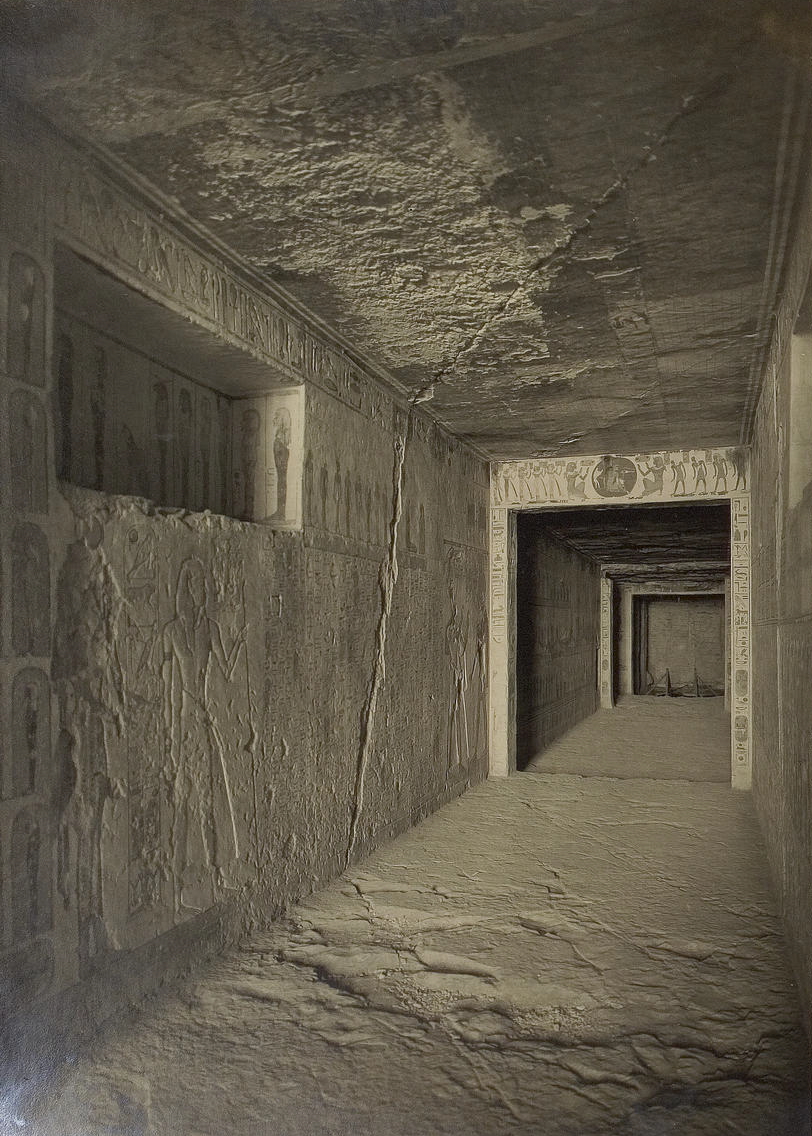
KV53 is a relatively simple structure: a shallow vertical shaft leads to a single, undecorated chamber. This design reflects its non-royal status and likely function as a burial or storage site for high-ranking workers or scribes. Early excavations revealed the tomb had been robbed in antiquity, but significant discoveries included:
- Ostraca (inscribed pottery shards) with hieratic script, sketches, and dedications to Meretseger, the necropolis goddess.
- Blue-painted pottery dating to the 18th Dynasty.
- Tools and evidence of continued use into the Ramesside period, including cartouches of Ramesses II.
- Sketches possibly depicting a seated queen and scenes of daily life.
These artifacts provide insight into the social, religious, and administrative life of the necropolis workers (Landioustravel).
Cultural Context
KV53’s location beneath workers’ huts and its assemblage of ostraca strongly link it to the artisans of Deir el-Medina. The tomb’s finds illuminate the intersection of labor, faith, and artistry in the creation of royal monuments, and its dedications to Meretseger reflect the spiritual beliefs held by the tomb builders (Landioustravel).
Visiting KV53: Hours, Tickets, and Accessibility
Valley of the Kings Visiting Hours
The Valley of the Kings is typically open daily from 6:30 AM to 5:00 PM, though hours may shift seasonally or during special events (Salt in Our Hair). Please note that KV53 itself is not usually accessible to the public due to conservation concerns. Always check with the visitor center or your tour operator for current information.
Tickets and Entry
- General Admission: Entry to the Valley of the Kings requires a ticket, usually covering three tombs of your choice (approx. 100 EGP as of 2025).
- Special Tombs: Famous tombs (e.g., Tutankhamun, Seti I) require supplementary tickets.
- KV53 Access: KV53 is not included in standard ticketing and remains closed except for special research or guided tours (Salt in Our Hair; Egypt Planners).
- Photography: A separate photo pass is required for camera use inside tombs (excluding mobile phones).
Accessibility and Travel Tips
- Transport: The Valley is accessible by car, taxi, or organized tour from Luxor (about a 20-minute drive).
- Terrain: Expect uneven ground and limited shade; comfortable shoes, sun protection, and water are essential.
- Visitor Amenities: Restrooms, a small café, and a souvenir shop are available at the visitor center. No food vendors within the tomb areas.
- Climate: Summer temperatures can exceed 40°C (104°F). Early morning visits are best to avoid heat and crowds (Weather25).
- Accessibility: Due to the rugged terrain and tomb design, accessibility for wheelchair users is limited. Check with local agencies for updates (Egypt Planners).
Nearby Attractions & Recommended Tours
Enhance your visit by exploring these significant sites:
- Deir el-Medina: The ancient artisans’ village, offering a unique view into the lives of tomb builders.
- Tomb of Tutankhamun (KV62): Among the most famous tombs in the Valley.
- Mortuary Temple of Hatshepsut: An architectural marvel nearby.
- Karnak and Luxor Temples: Located on the east bank, accessible by taxi or organized tours.
Many operators offer guided tours that cover the Valley of the Kings, Deir el-Medina, and other West Bank highlights, often led by certified Egyptologists (The Travel Tinker).
Responsible Tourism in the Valley of the Kings
To help preserve Luxor’s archaeological heritage for future generations:
- Always respect site regulations, especially regarding photography and artifact handling.
- Support local businesses and artisans by purchasing authentic crafts.
- Minimize environmental impact by reducing plastic use and conserving water.
- Dress modestly and observe local customs.
- Consider joining guided tours and donating to conservation projects (Responsible Travel; Springer).
Frequently Asked Questions (FAQ)
Q: Is KV53 open to the public?
A: Currently, KV53 is closed except for special research or guided archaeological tours. Confirm access with your tour provider or the visitor center.
Q: What are the Valley of the Kings’ opening hours?
A: The site is usually open from 6:30 AM to 5:00 PM, but hours may vary. Check official sources before your visit.
Q: How much do tickets cost?
A: General admission is about 100 EGP for three tombs. Special tombs incur additional costs. KV53 is not part of standard packages.
Q: How can I best prepare for a visit?
A: Wear comfortable shoes, bring sun protection and plenty of water, and arrive early. A guided tour is recommended for deeper insights.
Q: Can I take photos inside KV53?
A: Photography inside tombs requires a photo pass, and flash is prohibited. Since KV53 is usually closed, this applies to accessible tombs only.
Listen to the full story in the app
Your Personal Curator, in Your Pocket.
Audio guides for 1,100+ cities across 96 countries. History, stories, and local insight — offline ready.
Audiala App
Available on iOS & Android
Join 50k+ Curators
Sources
- verified
- verified
- verified
- verified
- verified
- verified
- verified
- verified
Last reviewed: