Introduction to KV52 and What Visitors Can Expect
Located within the world-renowned Valley of the Kings on the west bank of the Nile near Luxor, Egypt, Tomb KV52 provides a distinctive glimpse into ancient Egyptian funerary practices. Unlike the decorated royal tombs, KV52 belongs to a group known as the “Animal Tombs,” highlighting the ritual importance of animals in ancient Egyptian religion. Discovered in 1906 by Edward R. Ayrton during excavations funded by Theodore M. Davis, the tomb is a simple vertical shaft containing mummified monkeys and a canopic chest, offering a rare perspective on the 18th Dynasty’s burial customs and the symbolic role of animals in royal and religious settings (Ancient Origins; The Archaeologist).
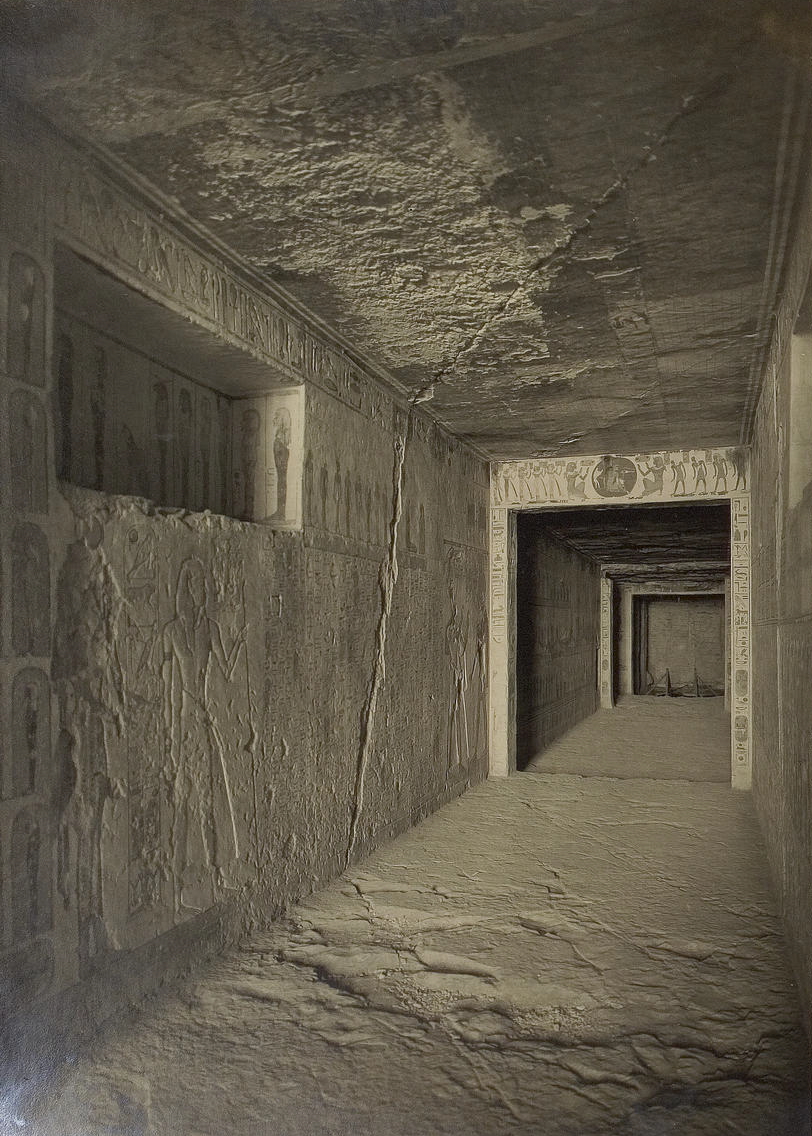
Although the Valley of the Kings is celebrated for its royal tombs, such as those of Tutankhamun (KV62) and Seti I (KV17), KV52 illustrates the broader spectrum of burial practices in the necropolis. While KV52 itself is generally closed to the public for preservation, the Valley remains a major attraction open to visitors, offering a deep dive into Egypt’s New Kingdom history (Britannica; Egypt Planners).
This guide explores KV52’s archaeological significance, provides up-to-date visitor information including visiting hours and ticketing, outlines nearby attractions, and offers practical travel tips for responsible exploration. Whether you are planning a trip to Luxor or seeking to expand your understanding of ancient Egypt, learning about KV52 enriches your appreciation of the Valley of the Kings and its ongoing discoveries (Egypt Travel Virtual Tour; Luxor Tourism).
Discovery and Location of KV52
KV52 was unearthed in 1906 by Edward R. Ayrton during excavations led for Theodore M. Davis. The tomb is part of an “Animal Tombs” cluster alongside KV50 and KV51, located near the tomb of Amenhotep II (KV35) and buried under significant debris accumulated over centuries. Its close proximity to major royal tombs suggests a possible ritual or symbolic connection within the broader context of the necropolis (Egypt Planners).
Structure and Features
KV52 is markedly smaller and simpler than the grand royal tombs nearby. It consists of a vertical shaft approximately 2.9 meters deep, leading to a single, undecorated chamber measuring 2.4 by 1.5 meters. Inside, two plain black boxes were discovered: a larger one containing the mummified remains of a monkey, and a smaller canopic chest divided into four compartments (Ancient Origins).
The remains found within KV52—specifically the mummified monkey and canopic chest—indicate the tomb was dedicated to an animal, possibly a royal pet or a sacred creature associated with a neighboring pharaoh’s tomb. The presence of similar animal burials in KV50 and KV51 suggests a deliberate grouping, likely linked to religious rites or royal cults. These findings broaden our understanding of ancient Egyptian funerary beliefs, where animals held significant ritual and symbolic meaning (The Archaeologist).
KV52 in the Context of Luxor’s Archaeology
While the Valley of the Kings is primarily known for pharaonic tombs from the New Kingdom (circa 1550–1070 BCE), the animal tombs such as KV52 demonstrate the site’s diverse use and the Egyptians’ complex relationship with animals in both royal and religious spheres. These tombs provide rare archaeological evidence for the mummification and ritual burial of animals, reflecting their importance in temple and mortuary cults (Britannica).
Recent Excavations and Research
Recent archaeological campaigns, particularly those led by Zahi Hawass and Ahmed el-Leithy, have continued to explore KV50, KV51, and KV52. These efforts have uncovered 18th Dynasty pottery, ostraca with sketches and royal names, and additional burial features, highlighting the ongoing richness and potential for new discoveries in the Valley (AP News).
Visiting KV52: Hours, Tickets, and Accessibility
Visiting Hours:
The Valley of the Kings is open daily, typically from 6:00 AM to 5:00 PM (winter) and until 7:00 PM (summer). Hours may vary seasonally—always check official sources before visiting (Egypt Planners).
Tickets:
Standard admission (approx. 240 EGP) grants entry to three tombs of your choice. Special tombs like Tutankhamun (KV62) require additional tickets. Tickets can be purchased onsite at the visitor center or online through official tourism portals.
Accessibility:
KV52 is not open to the general public due to its size and the need for preservation. Access is reserved for researchers with official permits. Most open tombs in the Valley are reachable on foot, but the terrain is rugged and not suitable for wheelchairs.
Guided Tours and Special Access
Many tour operators in Luxor offer guided visits to the Valley of the Kings, led by licensed Egyptologists. While guides are not permitted inside tombs to minimize damage, they provide valuable context before entry. Special access to KV52 is limited to academic and research teams with advance permission (Earth Trekkers).
Nearby Luxor Attractions
- Valley of the Queens: Tombs of royal women and princes
- Deir el-Bahari: Mortuary temple of Hatshepsut
- Karnak Temple: Expansive temple complex in Luxor
- Luxor Temple: Ancient temple in the city center
These sites provide further insights into Egypt’s dynastic history and are easily accessible from the Valley of the Kings (Luxor Tourism).
Practical Tips for Visitors
- Purchase tickets in advance during peak seasons.
- Arrive early to avoid heat and crowds.
- Wear comfortable shoes and bring water—the terrain is uneven and shade is scarce.
- Follow photography rules: Mobile phone photos are often allowed; professional cameras require a permit.
- Respect preservation rules: Do not touch walls or artifacts and stay on marked paths.
Frequently Asked Questions (FAQ)
Q: Can I visit KV52?
A: KV52 is closed to the general public and only accessible to authorized researchers.
Q: What are the Valley of the Kings visiting hours?
A: Typically from 6:00 AM to 5:00 PM in winter and until 7:00 PM in summer. Always check official sources for current times.
Q: How much do tickets cost?
A: Standard tickets are about 240 EGP for three tombs. Extra fees apply for special tombs.
Q: Are tombs accessible for visitors with mobility issues?
A: Most tombs, including KV52, are not wheelchair accessible due to rugged terrain.
Q: Can I take photos inside the tombs?
A: Mobile phone photography is usually free. A permit is required for professional cameras. Flash photography is prohibited.
Responsible Tourism and Site Preservation
- Do not touch or lean on ancient walls and artifacts.
- Remain on marked pathways to protect fragile surfaces.
- Carry reusable water bottles to reduce plastic waste.
- Support local guides and artisans.
- Dress respectfully and observe local customs.
Internal and External Links
- Official Luxor Tourism Website: https://luxor.travel/en
- Valley of the Kings Virtual Tour: https://www.egypt.travel/valley-of-the-kings/virtual-tour
- Top Tombs to Visit in the Valley of the Kings: #
- Luxor Historical Sites: A Comprehensive Guide: #
- UN World Tourism Organization’s Responsible Travel Tips: https://www.unwto.org/responsible-tourist
Listen to the full story in the app
Your Personal Curator, in Your Pocket.
Audio guides for 1,100+ cities across 96 countries. History, stories, and local insight — offline ready.
Audiala App
Available on iOS & Android
Join 50k+ Curators
Sources
- verified
- verified
- verified
- verified
- verified
- verified
- verified
- verified
Last reviewed: