Introduction to KV48 and Its Historical Significance
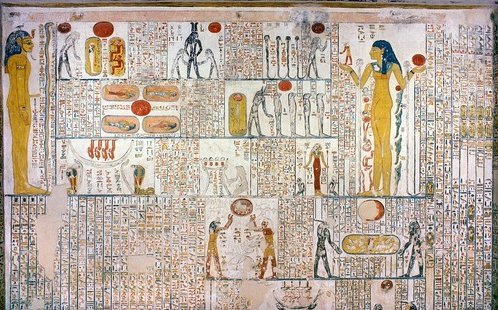
Nestled in the legendary Valley of the Kings near Luxor, Egypt, Tomb KV48 stands as a testament to the burial customs of Egypt’s Eighteenth Dynasty elite. Though less famous and not open to the general public, KV48—belonging to Amenemipet (Pairy), a vizier and mayor of Thebes—offers unique archaeological insights into the distinctions between royal and high-official burials. Its modest architecture, lack of decoration, and collection of funerary artifacts such as canopic jars, ushabtis, and magical bricks shed light on the lives and beliefs of ancient Egypt’s non-royal elite.
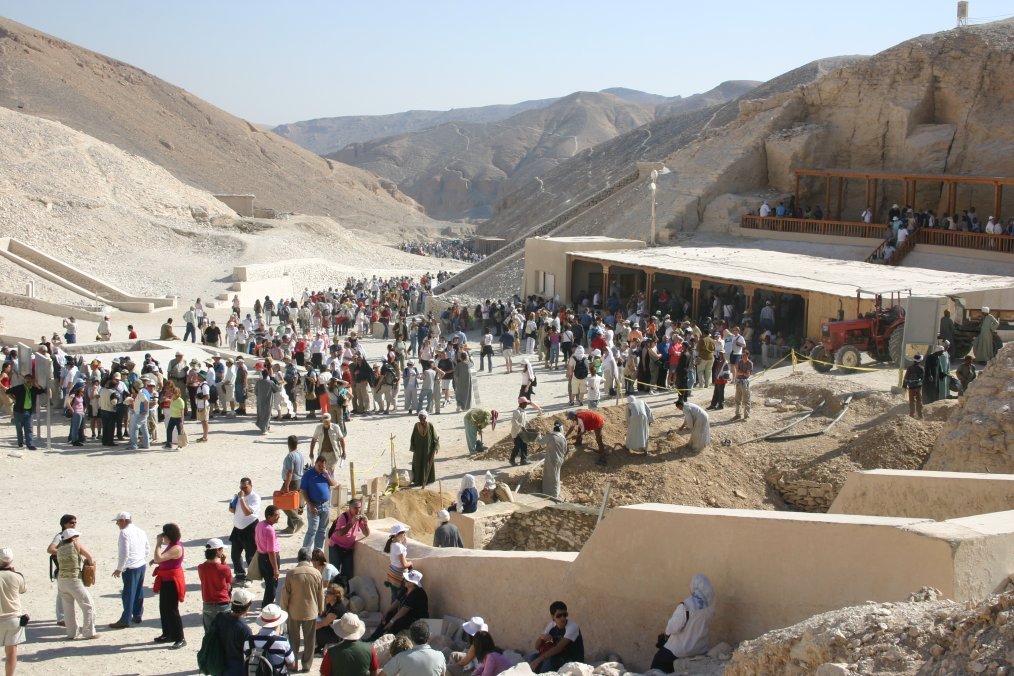
Located close to major tombs like KV35 (of Pharaoh Amenhotep II), KV48’s privileged position underscores Amenemipet’s prominence in New Kingdom society. While the tomb itself remains closed due to conservation concerns, the broader Valley of the Kings offers many accessible sites for exploration, including the iconic tombs of Tutankhamun (KV62) and Thutmose III (KV34). Visitors can immerse themselves in Egypt’s heritage through guided tours, visitor centers, and digital resources.
This guide details KV48’s history, architecture, visitor access policies, and practical tips for experiencing the Valley of the Kings. It includes cultural etiquette, ticketing, accessibility, and nearby attractions—ensuring a respectful and enriching journey. For further updates, consult official resources such as Wikipedia - KV48, Odynovo Tours, and World History Edu.
KV48: The Hidden Gem of Luxor
Can You Visit KV48? Hours and Ticket Information
KV48 is currently closed to the public due to its fragile condition and ongoing conservation. Access is reserved for authorized research teams. However, visitors can explore many other tombs in the Valley of the Kings, including the celebrated tombs of Tutankhamun (KV62) and Thutmose III (KV34), both of which offer exceptional insight into ancient Egyptian history.
Tickets for the Valley of the Kings are sold at the main entrance. Prices vary by season and the number of tombs included; early purchase is recommended to avoid crowds and heat.
KV48 Tomb Location and Layout
KV48 is located in the eastern branch of the Valley of the Kings, west of the animal tombs KV51 and KV52, and south of the wadi leading to KV35 (Landioustravel). Discovered in 1906 by Edward R. Ayrton, this non-royal tomb features a vertical shaft about 6 meters deep leading to a single, rectangular chamber—unadorned and utilitarian, reflecting the status of its owner.
- Shaft and Burial Chamber: The shaft symbolizes the transition from life to death and deters robbers. The chamber is sizable for an official but much simpler than royal tombs.
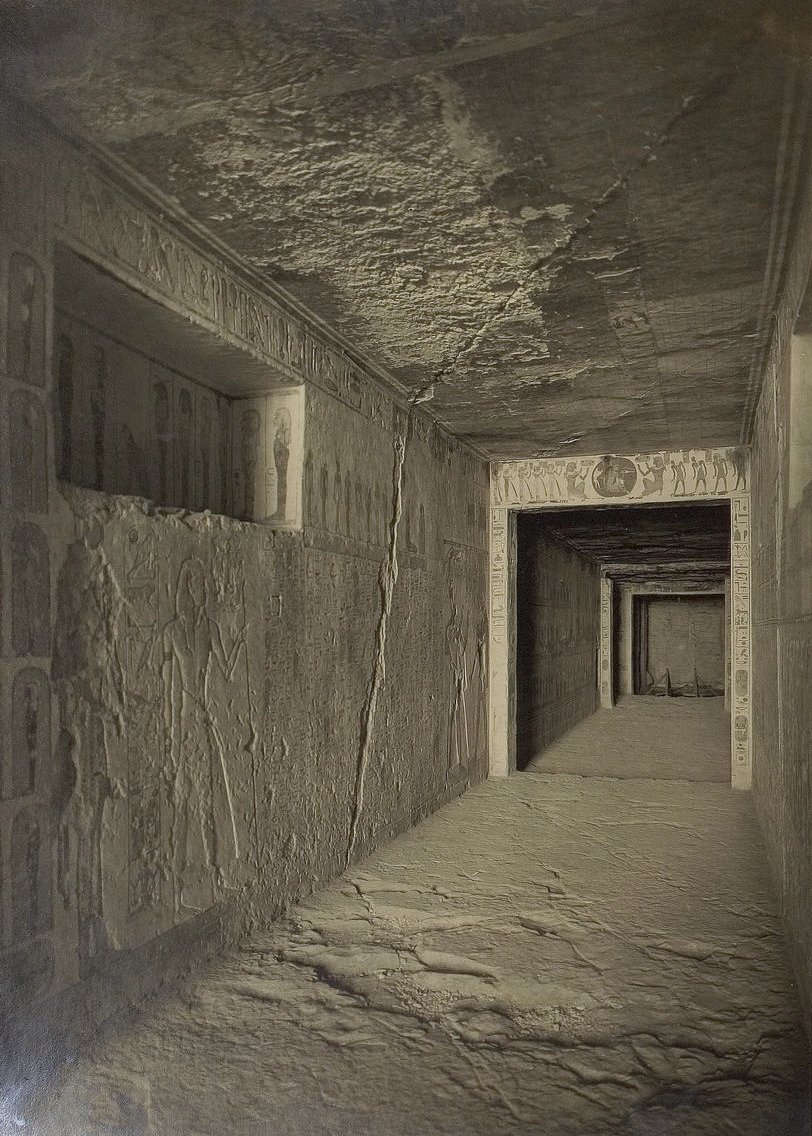
- Construction and Decoration: Walls are undecorated, and the entry was originally sealed with a stacked-stone wall.
- Funerary Cones and Chapel: Unlike many Theban tombs, no funerary cones are documented for KV48, nor is there evidence of an elaborate above-ground chapel.
Burial Practices and Artifacts
Owner: Amenemipet (Pairy)
Amenemipet, vizier and mayor of Thebes under Pharaoh Amenhotep II, was a top administrator during a prosperous period of Egyptian history. The tomb’s location among royals underscores his rank (Landioustravel).
Mummification and Burial Goods
Amenemipet's remains were found disturbed, likely due to ancient looting, but several significant artifacts were recovered:
- Coffin fragments with yellow-on-black motifs
- Wooden chair pieces for afterlife comfort
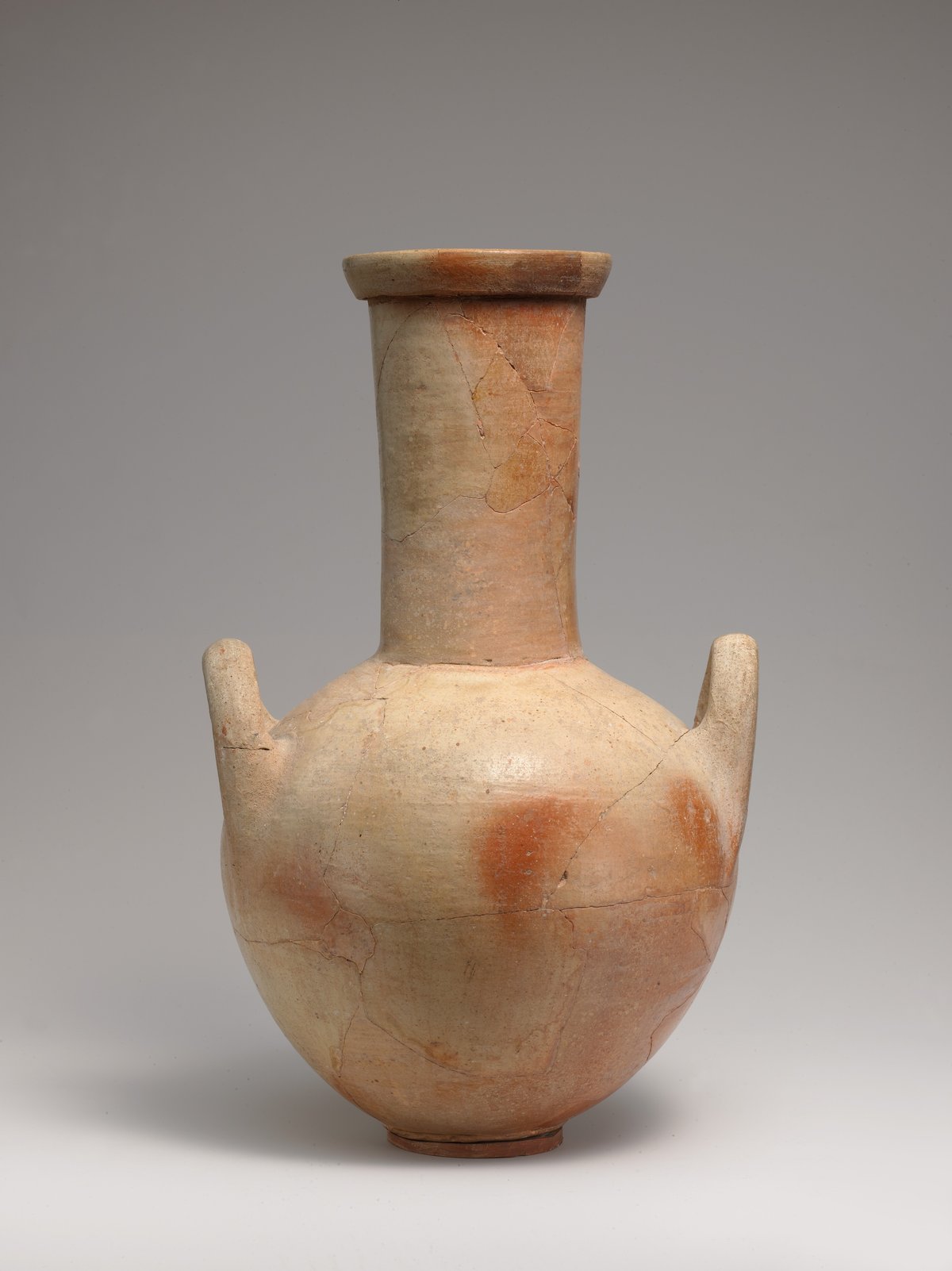
- Pottery sherds, probably for offerings
- Mud seal inscribed with "Amun hears good praises" (Landioustravel)
Magical Bricks and Ushabtis
Three magical bricks, wrapped in resin-coated fabric and inscribed with spells, were found. These, along with several ushabtis (funerary figurines), were intended to protect and serve the deceased (Landioustravel).
Rituals and Offerings
Typical of the period, KV48’s burial included items and rituals to sustain the deceased in the afterlife, including the “Opening of the Mouth” ceremony (Egypt Mythology, PlanetWare).
KV48 Compared to Royal Tombs
While sharing features like magical bricks and prime location, KV48’s simpler design and lack of decoration highlight the distinctions between royal and high-official burials (Egypt Mythology).
Visitor Information: Tickets, Hours, and Access
KV48 is not open to the general public. The broader Valley of the Kings is open daily (usually 6:30 AM to 5:00 PM), but hours may vary. Tickets are purchased at the visitor center; special tombs require additional fees (The Orange Backpack).
- Valley of the Kings Tickets:
245 EGP ($10 USD) for three tombs; additional for Tutankhamun, Seti I, and others (Odynovo Tours, Earth Trekkers). - Luxor Pass: Offers multi-site access; standard and premium options available (Explore Luxor).
- Facilities: Visitor center offers ticketing, restrooms, café, souvenirs, and interpretive displays.
Transportation & Accessibility
- Within the Valley: Electric shuttle ("Valley Train") available for a small fee (Flashpacking Family).
- Accessibility: Terrain is uneven, wheelchair access is limited.
- Storage: Large bags are prohibited inside tombs; lockers available (Poidata.io).
Practical Tips for Visiting
- Best Time: Arrive early to avoid crowds and heat (October–April is ideal).
- Photography: Permitted with a photo pass (approx. 300 EGP); no flash; some areas restrict photography entirely.
- Health & Safety: Wear comfortable shoes, stay hydrated, use sun protection (Travejar).
- Guided Tours: Highly recommended for context and logistics (Art and Then Some).
- Accommodation: West Bank stays offer proximity for early visits (We Seek Travel).
Cultural Etiquette
- Respect Sacred Spaces: Quiet, solemn behavior; no touching or leaning on ancient surfaces (Egypt Insights).
- Dress Code: Modest, light clothing covering shoulders and knees (Find a Property Egypt).
- Photography: Only with permit; follow all restrictions (The Discoveries Of).
- Staff Interaction: Polite greetings; tipping (baksheesh) is customary (Egypt Insights).
- Gender Norms: Maintain respectful distance, especially between genders; modest attire for women (Find a Property Egypt).
- Tipping: 10–20 EGP for small favors, more for guides.
Nearby Attractions
If you cannot visit KV48, consider exploring:
- KV62 (Tutankhamun): Renowned for its treasure and intact burial.
- KV34 (Thutmose III): Unique design and vivid wall paintings.
- KV35 (Amenhotep II): Offers context on New Kingdom burials.
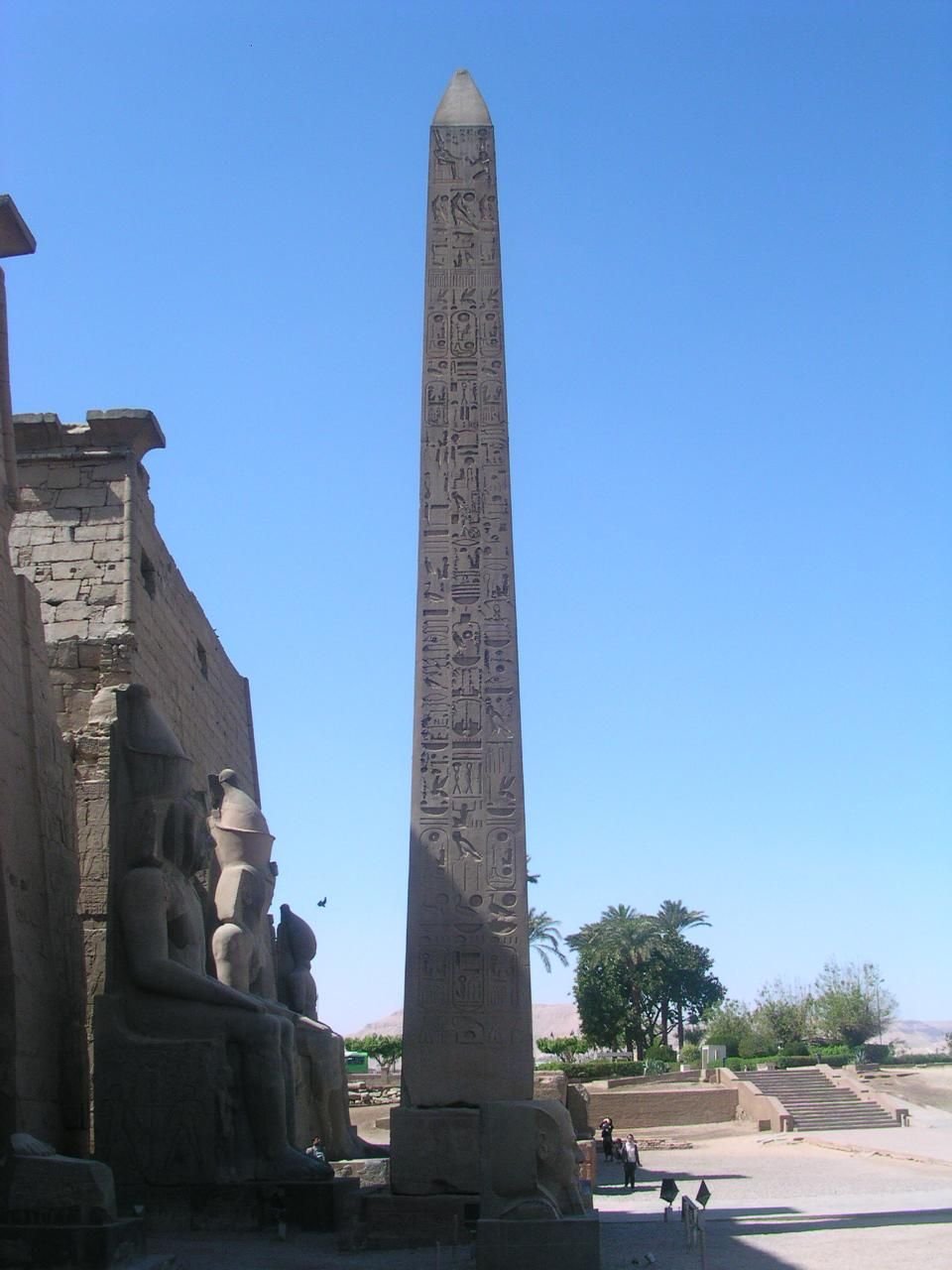
Nearby, visit the Luxor Temple, Karnak Temple, Temple of Hatshepsut, and the Colossi of Memnon for a rich cultural experience (Mr & Mrs Egypt).
Preservation and Archaeological Work
KV48 was excavated in 1906 by Edward R. Ayrton, with further research in 2009 by Dr. Don Ryan’s team. Like many tombs in the Valley, it suffered ancient robberies but remains a key source for understanding non-royal elite burials (Landioustravel).
Frequently Asked Questions (FAQ)
Q: Can I visit KV48?
A: No, KV48 is closed to the general public; access is restricted to researchers.
Q: How do I get tickets for the Valley of the Kings?
A: Purchase at the main visitor center; special tombs require extra fees.
Q: Are there guided tours for KV48?
A: Only occasionally, for academic groups with special permits.
Q: Is the Valley of the Kings accessible for people with disabilities?
A: Accessibility is limited, but trams and staff can assist. Advance arrangements are advised.
Q: Can I take photos inside KV48?
A: Not applicable, as KV48 is closed; in other tombs, a permit is required and flash is prohibited.
Supporting Local Communities
Support local artisans by purchasing from official vendors and avoiding antiquities. Patronize local restaurants and businesses to aid the community (Egypt Insights).
Discover More
Plan your Valley of the Kings visit with curiosity and respect. Download the Audiala app for expert audio guides and real-time updates. For further information, consult the official Valley of the Kings visitor center and the Ministry of Tourism and Antiquities.
Summary
Although KV48 remains inaccessible to the public, its archaeological and historical significance endure. As the burial site of Amenemipet, a high-ranking official of the Eighteenth Dynasty, KV48 enhances our understanding of New Kingdom elite funerary customs in contrast to the grandeur of nearby royal tombs. Travelers should explore the open tombs and temples of Luxor to experience the depth of Egypt’s heritage, using digital resources and local guides for the most informed and respectful journey.
By honoring conservation efforts and supporting local communities, visitors play an active part in preserving Egypt’s ancient wonders for future generations.
Listen to the full story in the app
Your Personal Curator, in Your Pocket.
Audio guides for 1,100+ cities across 96 countries. History, stories, and local insight — offline ready.
Audiala App
Available on iOS & Android
Join 50k+ Curators
Sources
- verified
- verified
- verified
- verified
- verified
- verified
- verified
Last reviewed: