Introduction to KV45 and Its Historical Significance
Tucked within the famed Valley of the Kings on Luxor’s west bank, Tomb KV45 provides a distinctive glimpse into the burial practices and social order of ancient Egypt’s New Kingdom. Although it lacks the grandeur of neighboring royal tombs, KV45’s archaeological importance is undeniable, serving as the final resting place of Userhet—a distinguished noble and Overseer of the Fields of Amun during the Eighteenth Dynasty. Discovered in 1902 by Howard Carter under Theodore M. Davis’s patronage, KV45 yields valuable insights into non-royal elite burials and the phenomenon of tomb reuse, particularly during the Twenty-second Dynasty.
Its secluded location in a quieter wadi, adjacent to KV44, offers visitors a contemplative experience away from the busiest tourist routes. Ongoing conservation efforts aim to safeguard its delicate plasterwork and modest artwork, making KV45 an appealing destination for those interested in Egyptology, archaeology, and ancient funerary traditions.
This detailed guide synthesizes historical context, architectural features, visitor logistics, preservation challenges, and practical tips, ensuring you have all the information needed for a memorable and responsible visit. For further details, consult resources such as Landioustravel, Britannica, and History Skills.
KV45: Location and Discovery
KV45 is found in a discreet wadi branching east from the central valley of the Valley of the Kings, adjacent to KV44 (Wikipedia). Discovered in February 1902 by Howard Carter during a campaign sponsored by Theodore M. Davis, KV45’s unassuming entrance belies its archaeological importance as a burial site for elite officials (Landioustravel).
Historical Background and Original Occupant
KV45 was constructed during the Eighteenth Dynasty (c. 1550–1292 BCE) as the tomb of Userhet, Overseer of the Fields of Amun under Thutmose IV (Britannica). Userhet’s high-ranking role in temple administration is reflected in his burial’s location among the tombs of pharaohs and other elite officials. The tomb was later reused during the Twenty-second Dynasty for additional burials, highlighting the ongoing significance of the Valley as a necropolis and the complex patterns of tomb reuse.
Architectural Features
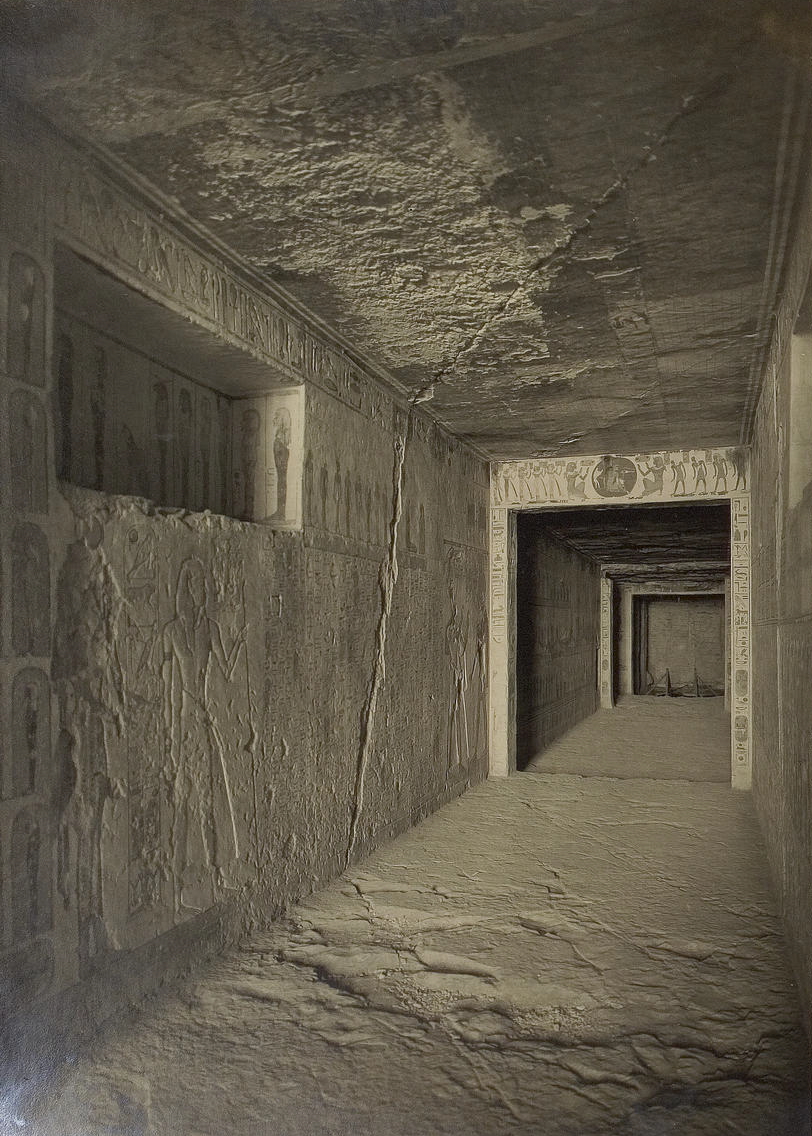
KV45’s architecture is modest yet representative of non-royal New Kingdom tombs:
- Layout: A vertical shaft (approx. 3 meters deep) leads to an elongated burial chamber (Wikipedia).
- Side Annex: A small western side room likely served as extra storage or burial space.
- Burial Chamber: The chamber’s simple design features a sloping floor and a niche for the coffin (Hurghada Lovers).
- Cluster Location: Its proximity to KV44 and KV28 allows visitors to explore multiple tombs in a quieter sector of the valley.
Artistic Decoration and Funerary Goods
While KV45 is less ornate than royal tombs, it preserves notable features:
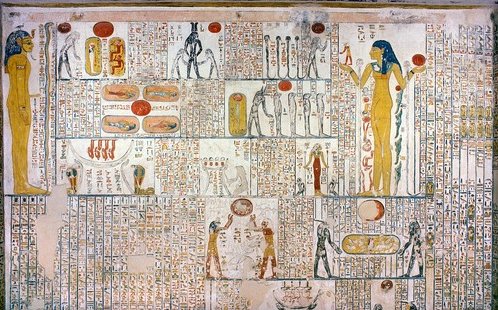
- Wall Decoration: Modest traces of painted plaster with blue inscriptions and yellow star motifs, reflecting celestial themes (Ancient Pages).
- Funerary Objects: Excavations revealed nested wooden coffins, ushabti figurines, and floral wreaths. Coffin fragments display iconography such as crossed arms and protective deities (Wikipedia).
- Later Reuse: Artifacts and remains from the Twenty-second Dynasty, including coffins of a man and woman, underscore the tomb’s continued use (Landioustravel).
Archaeological Investigations and Preservation
After its discovery, KV45 underwent further investigation by Donald P. Ryan and the Pacific Lutheran University Valley of the Kings Project in 1991 and 2005. These efforts focused on:
- Assessing Flood Damage: Water infiltration, especially during the 1994 floods, caused significant damage to plaster and paint (Wikipedia).
- Conservation Measures: Diversion walls were installed, and most artifacts (except some pottery and human remains) were transferred to KV21 for preservation.
- Ongoing Monitoring: Modern techniques, including environmental sensors and non-invasive restoration, help stabilize and document the tomb (History Skills).
Visiting Hours and Ticket Information
- Opening Hours: The Valley of the Kings is open daily from 6:00 AM to 5:00 PM (with slight seasonal variations). KV45’s availability may be limited due to conservation or rotation policies; always confirm via the ticket office or official tourism sites.
- Tickets: General admission is approximately 600 EGP (~$19 USD) for adults, granting entry to three tombs from a rotating list. Special tombs require additional tickets (200–500 EGP). KV45 may not always be among the open tombs—verify at the entrance (We Seek Travel).
- Children and Discounts: Reduced rates are available for children under 12; students and seniors may receive discounts with valid ID.
- Photography: Photography with phones/cameras is usually permitted without a fee, but flash is strictly prohibited to protect fragile pigments (We Seek Travel).
Access and Facilities
- Getting There: Accessible by taxi, private car, or organized tour from Luxor (about 45 minutes). Most group tours include shuttle service from the visitor center to the tombs (Flashpacking Family).
- On-site Facilities: The visitor center offers interpretive displays, restrooms, a café, and a small shop. Electric trams are available for a nominal fee.
- Accessibility: The general valley is partially accessible, but KV45 is not wheelchair-friendly due to its vertical shaft and uneven surfaces.
Guided Tours and Visitor Experience
- Guides: Licensed guides, especially Egyptologists, provide valuable insights but are not permitted inside tombs. Arrange tours through hotels or at the site entrance (Earth Trekkers).
- Best Time to Visit: October–April offers cooler temperatures. Arrive early to avoid crowds and midday heat.
- Nearby Attractions: Explore adjacent tombs (KV44, KV28), the Tomb of Tutankhamun (KV62), the Ramesseum, Medinet Habu, and the Valley of the Queens.
Health, Safety, and Accessibility
- Hydration and Sun Protection: Bring water, wear a wide-brimmed hat, sunglasses, and sunscreen. Lightweight clothing is recommended (Quick Whit Travel).
- Physical Demands: Expect uneven paths, steps, and cramped spaces. Good footwear is essential.
- Safety: The site is secure with visible police. Petty crime is rare; maintain general vigilance (Travel Like a Boss).
- Health Precautions: Basic first aid is available; carry any necessary medications and a small kit.
Cultural Etiquette and Sustainable Tourism
- Respect the Site: Do not touch artwork or artifacts. Flash is prohibited to protect delicate paints.
- Dress Code: Modest attire is appreciated.
- Tipping: Customary for guides and drivers (10–20 EGP is typical).
- Sustainable Practices: Follow conservation rules, avoid overcrowding, and support responsible tourism initiatives (ancientengineeringmarvels.com).
Nearby Attractions
- KV44 and KV28: Nearby tombs for additional exploration.
- Valley of the Queens and Luxor Museum: Complementary sites for a broader understanding of the region’s history.
Frequently Asked Questions (FAQ)
Q: What are the opening hours of KV45?
A: Generally 6:00 AM to 5:00 PM, but actual access depends on conservation rotation. Check before you go.
Q: How much do KV45 tickets cost?
A: General Valley of the Kings admission is about 600 EGP for three tombs; special tombs cost extra.
Q: Is photography allowed?
A: Yes, with phones or cameras (no flash); no extra fee unless using professional equipment.
Q: Is KV45 open year-round?
A: It may be closed for conservation or rotation. Confirm with the ticket office or official website.
Q: Is KV45 wheelchair accessible?
A: No, due to stairs, uneven ground, and a vertical shaft.
Q: Are guides available?
A: Yes, hire a licensed guide at the entrance or through tour providers.
Conservation Efforts
- Environmental Challenges: Water damage from floods, vibration, humidity, and visitor numbers have all threatened KV45 (Wikipedia).
- Restoration: Ongoing international projects focus on stabilization, documentation, and public education (academia.edu).
- Sustainable Tourism: Tomb openings are rotated, and visitor numbers controlled to balance access and preservation (ancientengineeringmarvels.com).
Listen to the full story in the app
Your Personal Curator, in Your Pocket.
Audio guides for 1,100+ cities across 96 countries. History, stories, and local insight — offline ready.
Audiala App
Available on iOS & Android
Join 50k+ Curators
Sources
- verified
- verified
- verified
- verified
- verified
- verified
- verified
- verified
- verified
- verified
- verified
Last reviewed: