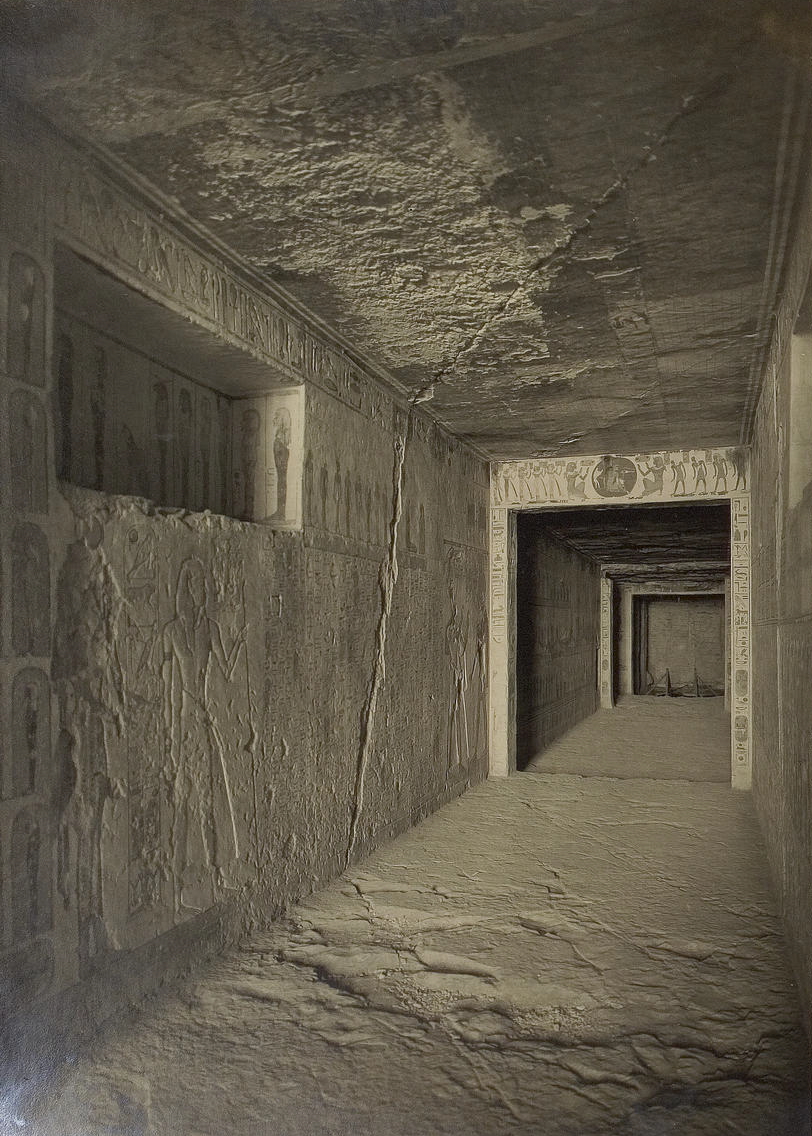
Introduction to KV32 and Its Historical Significance
Tucked away in Egypt's legendary Valley of the Kings near Luxor, tomb KV32 is a fascinating but seldom-highlighted relic of the New Kingdom’s royal burial traditions. Believed to be the final resting place of Queen Tiaa, wife of Pharaoh Amenhotep II and mother of Thutmose IV, KV32 reveals much about the nuanced roles of royal women and the funerary customs of Egypt’s 18th Dynasty. Although currently closed to the public due to conservation, understanding KV32’s place in ancient history, its excavation, and its context within the wider valley deepens any exploration of Luxor’s monumental landscape.
The Valley of the Kings, a UNESCO World Heritage Site, served as the main necropolis for pharaohs and nobles from the 16th to 11th centuries BCE. The valley symbolizes ancient Egyptians' spiritual journey into the afterlife. While KV32’s design is modest and unfinished, artifacts such as canopic jars and shabti figurines bearing Queen Tiaa’s name offer insights into lesser-known aspects of royal burials. This guide delivers essential information on the valley’s visiting hours, ticketing, and accessibility, while also highlighting recent archaeological research.
For reliable updates and expert guidance, consult official sources such as the Egyptian Ministry of Tourism and Antiquities and the Theban Mapping Project. Whether you are a dedicated Egyptophile or a first-time visitor, this article provides the knowledge you need to appreciate KV32 and the enduring legacy of Luxor’s ancient sites (Ancient Egypt Online; History Skills).
Historical Context of KV32
KV32 is attributed to the 18th Dynasty, a period notable for its architectural and cultural achievements. The burial is linked to Queen Tiaa due to inscriptions and proximity to other royal tombs of her era. The Valley of the Kings itself was chosen for its symbolic position on the Nile’s west bank, representing the journey into the afterlife and serving as the sacred burial ground for New Kingdom royalty (Ancient Egypt Online).
Archaeological Discovery and Excavation
KV32 was identified in the early 19th century and more thoroughly documented by the Theban Mapping Project. Situated in the East Valley, which houses most tombs, KV32 is distinguished by its incomplete construction and signs of ancient flooding that damaged some of its surfaces. Excavations have yielded funerary equipment, pottery fragments, canopic jars, and shabti figurines, illuminating the burial practices of royal women (The Archaeologist).
Architectural Features and Layout
The tomb’s structure follows a typical early 18th Dynasty plan: a straight descending corridor leads to a burial chamber with side storage rooms. While the tomb is largely undecorated—likely due to its unfinished state—traces of plaster and pigment suggest decoration was intended. KV32’s scale matches Queen Tiaa’s status, and the quality of discovered objects indicates a burial of significant honor (Egypt Planners).
Significance in Egyptology
KV32 provides rare insight into the burial customs of New Kingdom royal women. Its unfinished nature highlights the challenges faced by ancient builders, such as environmental hazards and potential political disruptions. The tomb’s connection to other nearby burials further underscores the complex dynamics of royal interment in the Valley (Medium: Ancient Artefacts).
Notable Finds and Artifacts
Among KV32’s discoveries are canopic jar fragments inscribed with Queen Tiaa’s name, shabti figurines, pottery, and faience amulets. Some objects from KV32 were found in the nearby tomb of Siptah (KV47), indicating ancient flooding or tomb robbery may have displaced burial goods (Egypt Planners).
Visitor Information: Valley of the Kings
Visiting Hours
The Valley of the Kings is generally open year-round from 6:30 AM to 5:00 PM. However, KV32 is not currently open to the public due to ongoing conservation.
Tickets and Entry
Tickets for the Valley of the Kings can be purchased at the entrance or through authorized operators. Standard tickets grant access to a rotating selection of three tombs; special tombs like Tutankhamun (KV62) require additional tickets. KV32 is not open to visitors—always check with the Egyptian Ministry of Tourism and Antiquities for current status.
Accessibility
The site includes uneven paths and slopes. Wheelchair access is limited, especially inside tombs, but some improvements have been made. Consult tour operators for accessibility support.
Travel Tips
- Visit early in the day for cooler weather and fewer crowds.
- Wear comfortable shoes and sun protection.
- Bring water and snacks, as amenities inside the valley are limited.
- Photography inside tombs requires a permit; flash and tripods are prohibited.
Special Considerations
Tomb access rotates for conservation. Confirm which tombs are open before your visit (The Discoveries Of).
Conservation and Current Status
KV32 has suffered from ancient looting, natural flooding, and the pressures of tourism in the Valley. Conservation teams focus on stabilizing the structure and preserving artifacts. Ongoing research is conducted by local and international archaeologists (Ancient Egypt Online).
KV32 within the Valley of the Kings
KV32 is part of a broader necropolis that includes both grand pharaonic tombs and more modest royal burials. Its proximity to major tombs and evidence of overlapping construction highlight the evolving nature of the Valley’s use during the New Kingdom (Egypt Planners).
Recent Discoveries and Ongoing Research
The Valley of the Kings remains vibrant with new finds. In 2025, significant discoveries included royal tombs (like Thutmose II’s), burial shafts from the 17th Dynasty, and workshops related to mummification. These findings reinforce the valley’s status as a living archaeological landscape (CBS News; Al Jazeera; Greek Reporter; The Art Newspaper; Xinhua).
Major Sites and Practical Logistics in Luxor
Key Attractions
- Karnak Temple: Open 6:00 AM–5:00 PM, EGP 150 entry (Odynovo Tours).
- Luxor Temple: Open 6:00 AM–9:00 PM, EGP 140 entry (Egypt Holiday Makers).
- Valley of the Kings: Open 6:00 AM–5:00 PM, with ticketed access to three tombs (EGP 240); extra fees for Tutankhamun and others (Flashpacking Family).
- Temple of Hatshepsut: Open 6:00 AM–5:00 PM, EGP 100.
- Colossi of Memnon: Open at all times.
Getting There and Around
Luxor is accessible by air, train, road, and Nile cruises. On-site transport includes taxis, caleches, bicycles, and public ferries (Odynovo Tours).
Accommodation
Choices range from luxury resorts to budget guesthouses, many with Nile views (Nomads Travel Guide).
Best Times to Visit
- October–April: Pleasant weather, peak season.
- May–September: Hotter, less crowded but more affordable.
Practical Tips
- Buy tickets at site entrances or online via egymonuments.com.
- Dress modestly.
- Tip service staff.
- Stay hydrated and be sun-aware.
- Plan for limited accessibility at some sites.
Frequently Asked Questions (FAQ)
Q: Can I visit KV32?
A: No, KV32 is currently closed for conservation. Learn more through guides, museum exhibits, and online resources.
Q: What are the Valley of the Kings opening hours?
A: Usually 6:30 AM–5:00 PM; check ahead for seasonal changes.
Q: How do I buy tickets?
A: At the entrance or online (egymonuments.com). Additional tickets are needed for select tombs.
Q: Are guided tours necessary?
A: Strongly recommended for context and expert navigation.
Q: Is the valley accessible for those with disabilities?
A: Some improvements have been made, but many tombs remain challenging to access.
Q: Can I take photographs inside the tombs?
A: Only with a purchased permit; flash and tripods are not allowed.
Summary and Visitor Recommendations for KV32
KV32 offers valuable insight into the funerary practices and status of Queen Tiaa, even though it’s presently closed to visitors. The tomb’s modest scale and unfinished features contrast with neighboring royal tombs but shed light on the care and resources devoted to royal women’s burials. As part of the Valley of the Kings, KV32 enriches the wider narrative of Egyptian mortuary traditions.
Visitors to Luxor’s West Bank can explore a dynamic archaeological landscape where history and modern tourism intersect. While KV32 is inaccessible, the valley’s rotating selection of open tombs, alongside professional guides and practical amenities, ensures a rewarding experience. Responsible tourism and ongoing research affirm the valley’s importance as a living heritage site.
Stay informed through authoritative resources such as the Egyptian Ministry of Tourism and Antiquities and the Theban Mapping Project. For a seamless visit, opt for early morning tours, use sun protection, and engage respectfully with these remarkable sites. Download the Audiala app and follow related resources for up-to-date guidance.
KV32 and the Valley of the Kings together offer an unparalleled view into Egypt’s royal history, inviting all visitors to journey through millennia of art, spirituality, and cultural achievement (Ancient Egypt Online; History Skills; The Discoveries Of).
Listen to the full story in the app
Your Personal Curator, in Your Pocket.
Audio guides for 1,100+ cities across 96 countries. History, stories, and local insight — offline ready.
Audiala App
Available on iOS & Android
Join 50k+ Curators
Sources
- verified
- verified
- verified
- verified
- verified
Last reviewed: