An introduction.
Researched by the Audiala editorial team from historical records, architectural archives, and local expertise.
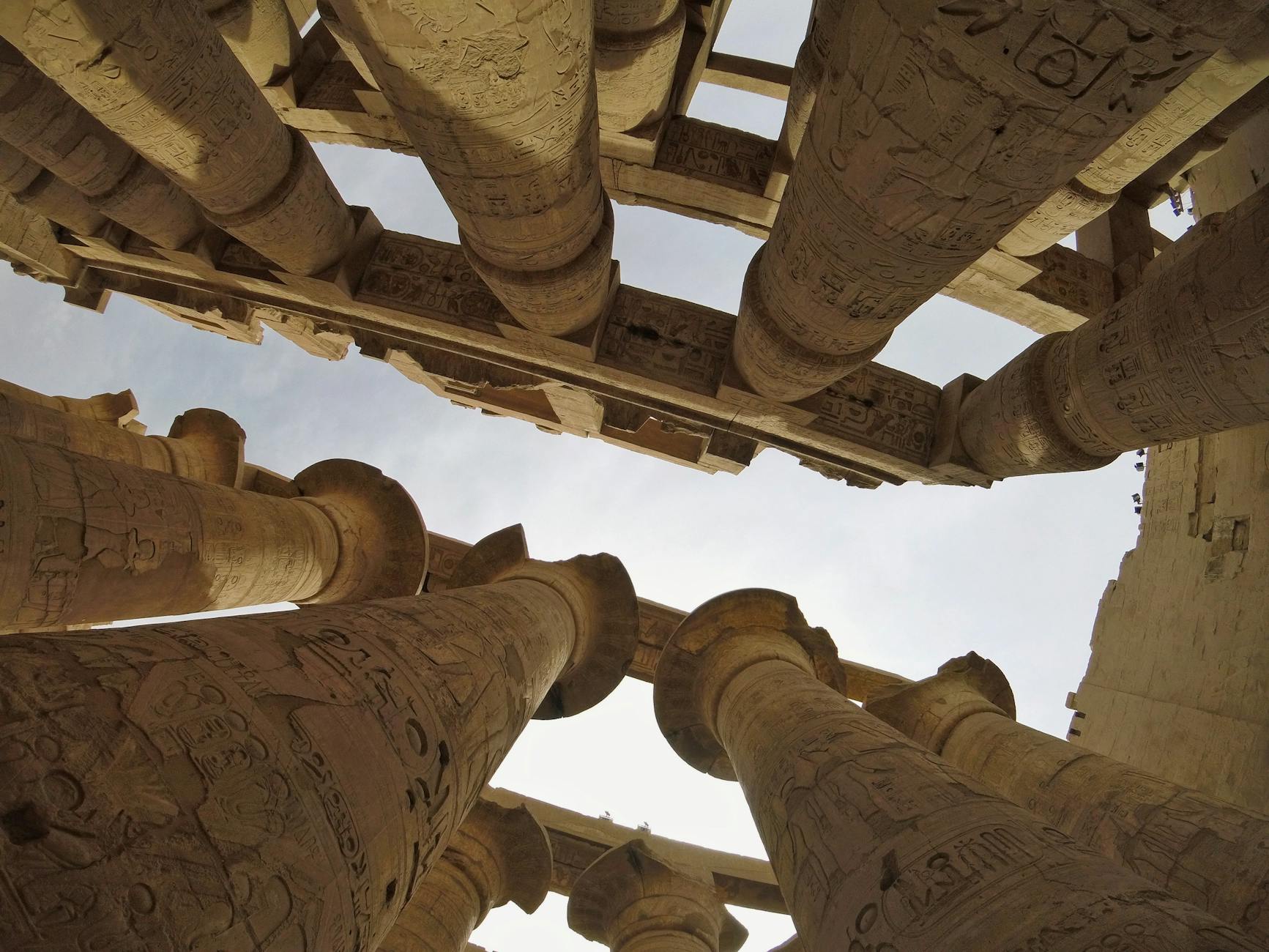
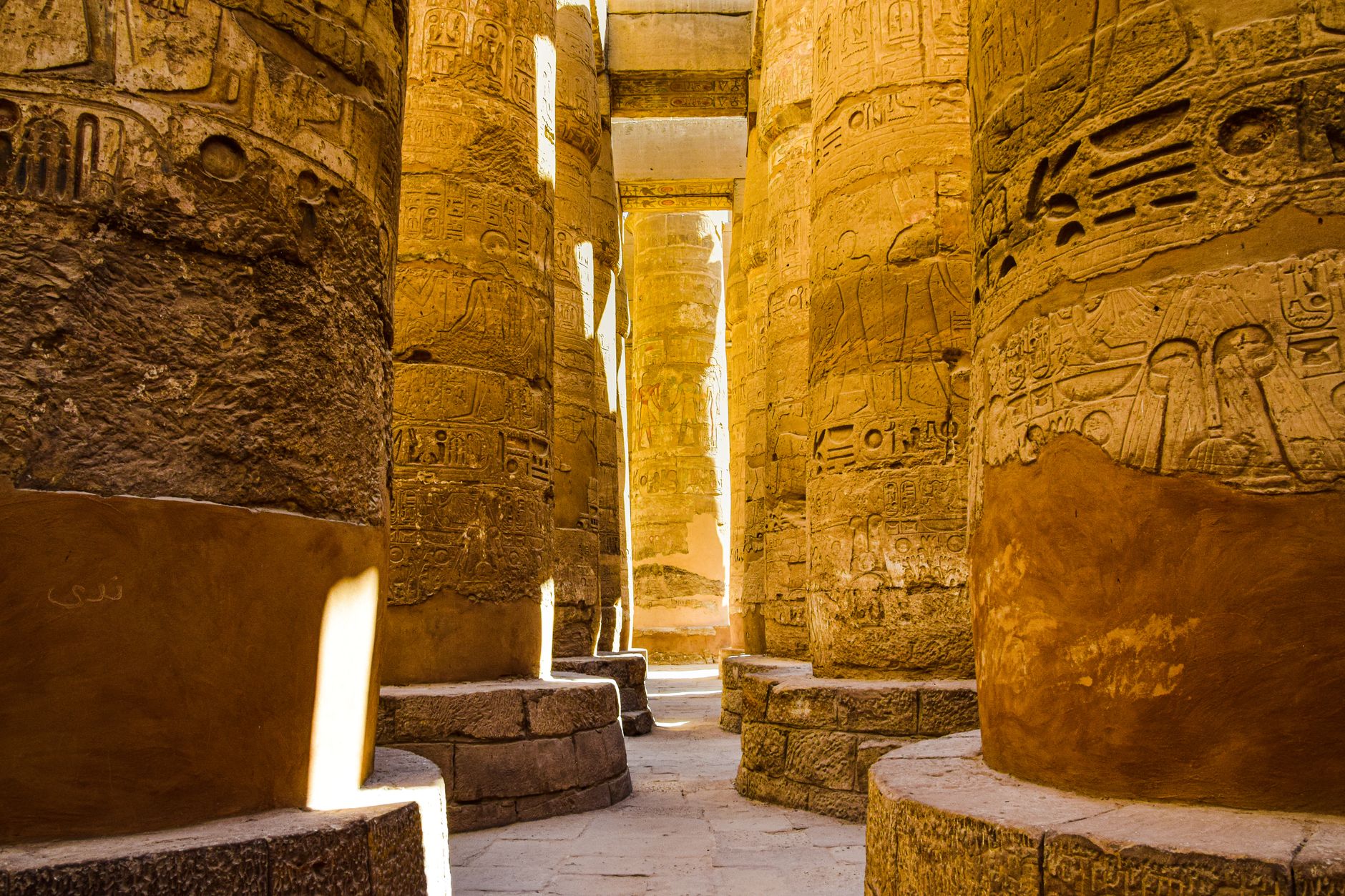
WWhy does Karnak Temple Complex in Luxor, Egypt, feel both eternal and oddly unfinished, as if the stones are still arguing about what this place is? That tension is exactly why you come: to walk into one of the great sacred precincts of the ancient world, where 134 papyrus-bud columns rise like a petrified reed bed and every gateway shifts your sense of scale, power, and time.
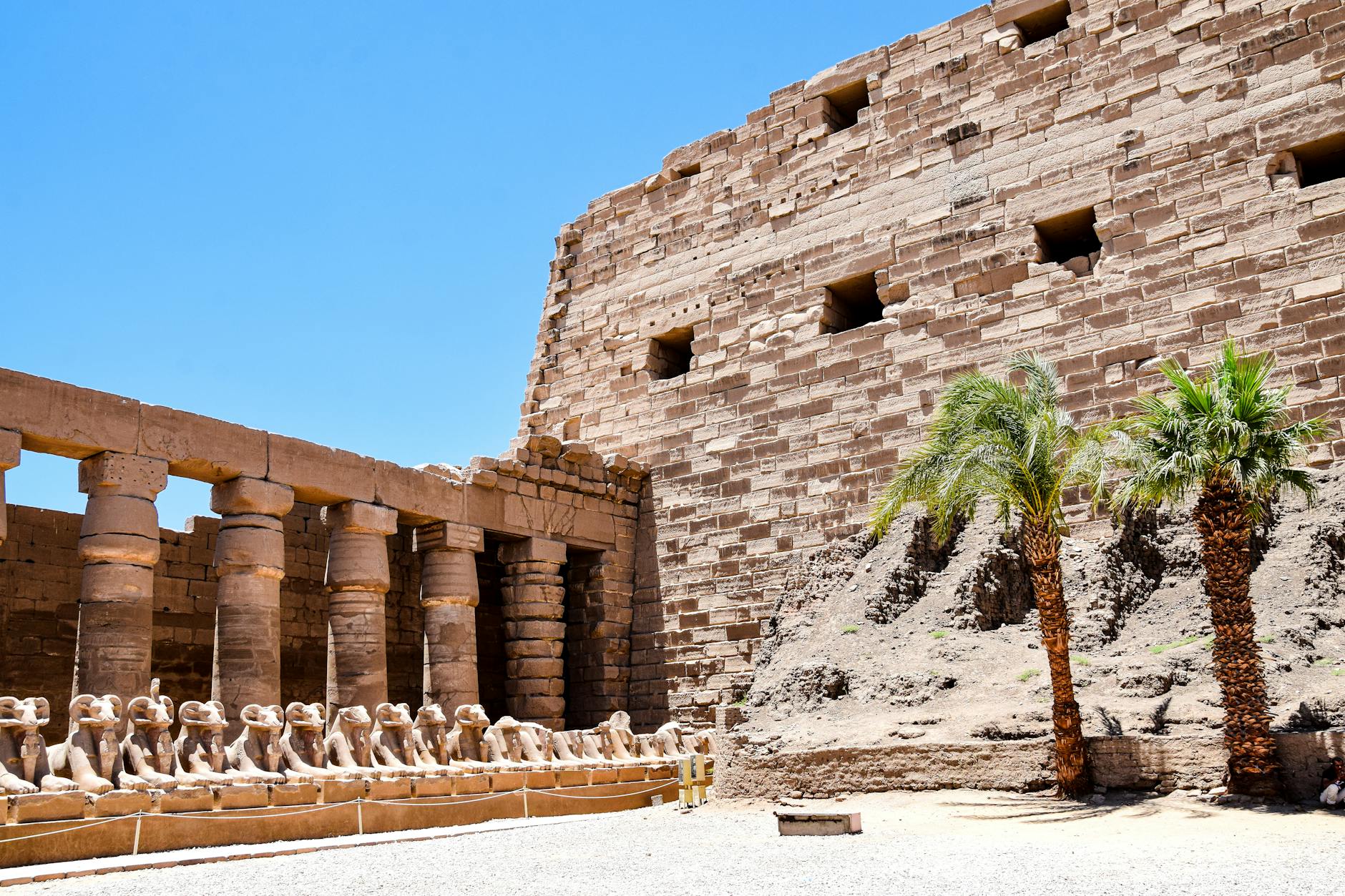
What you see now is glare on sandstone, the crunch of dust under your shoes, and ranks of battered statues leading toward courts that keep opening farther than they should. Pigeons flick through broken cornices. The air smells of hot stone and dry river wind off the Nile, a few minutes west.
Most visitors call Karnak a temple, singular. The place refuses that simplification. Records show it grew for well over a thousand years into a whole sacred city centered on Amun, linked by processional route to Luxor and shaped by kings who used architecture the way later rulers used propaganda.
Visit for the obvious grandeur, yes, but also for the contradictions. The entrance pylon most people read as ancient and complete was one of the latest major additions, built under Nectanebo I between 380 and 362 BCE and never finished; the oldest major surviving monument here, Senusret I's White Chapel, survived because later builders tore it apart and packed it inside a wall like concealed evidence.
01 What to see.
Great Hypostyle Hall
Hatshepsut's Obelisk and the Sacred Lake
Take the Slow Route: First Pylon to the Open Air Museum
02 In pictures.



Plan and listen to Karnak Temple Complex with Audiala.
Audio guide in your pocket, itinerary in your browser. Built for the way you actually visit.
Tickets & tours.
These are guided options from our partners — same price as booking direct.
Prices are indicative — final pricing and availability are confirmed at checkout. Audiala may earn a commission from bookings made through these links.
03 Visitor logistics.
The practical scaffolding for a good visit — kept short.
Getting There
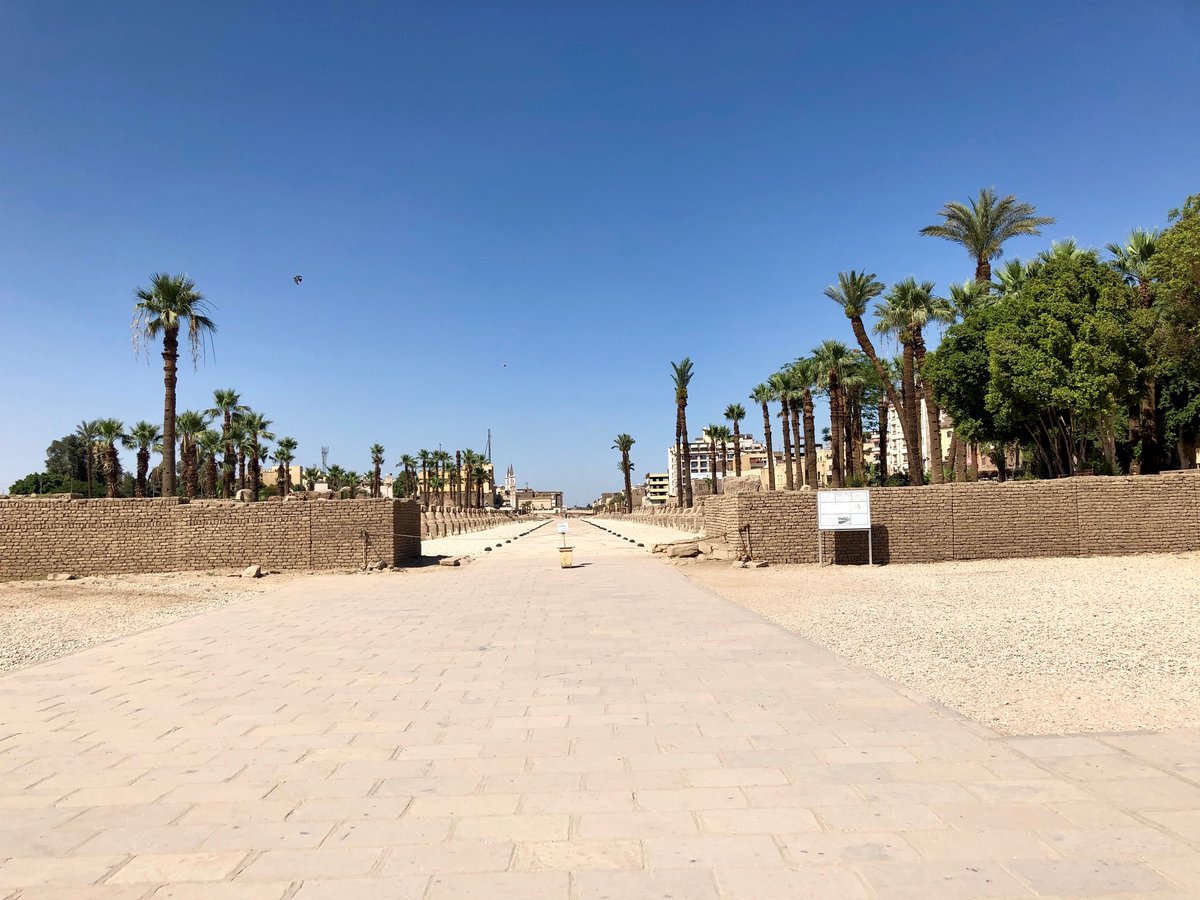
Karnak sits on Luxor’s East Bank in the modern Karnak district, about 2.5 to 2.7 km north of Luxor Temple. Most independent visitors take a taxi straight to the visitor entrance; walking the Avenue of Sphinxes takes about 30 to 40 minutes in good light, but the heat turns that pleasant idea into punishment by late morning.
Opening Hours
As of 2026, the official ministry page lists Karnak open daily from 6:00 AM to 5:00 PM. The official ticket portal is stricter: last entry is 4:00 PM year-round, including the current summer, winter, and Ramadan listings, so treat 4:00 PM as your real cutoff.
Time Needed
Give it 1 to 1.5 hours only if you want the fast version: first court, Great Hypostyle Hall, Hatshepsut’s obelisk zone, then the Sacred Lake. Two to three hours is the sensible default, and 3 to 4 hours suits anyone who actually wants to read reliefs, linger in the Open-Air Museum, and let the scale sink in.
Accessibility
Partial wheelchair access exists on the main visitor route, helped by pathways introduced in recent years, but Karnak is not fully step-free. Expect worn stone, gravel, ancient paving, long distances, and some areas that still resist wheels; this is a site where the ground does half the arguing.
Cost & Tickets
As of 2026, foreign visitors pay EGP 600 for adults and EGP 300 for students, with the ticket covering Karnak Temple and the Open Museum; Egyptians pay EGP 40 and EGP 20. Children under 6 enter free, and the official portal also lists exemptions for Egyptians with special needs and Egyptians over 60; online booking is available on egymonuments.com, while the separate Mut Temple ticket costs EGP 200 for foreign adults.
04 Tips for visitors.
Small things that change the day.
Beat The Heat
Go at 6:00 AM if you can. The stone starts throwing heat back at you by mid-morning, and the Hypostyle Hall feels different before the tour groups arrive: cooler air, longer shadows, and columns rising like a petrified papyrus marsh.
Photo Rules
As of 2026, the official ticket page says mobile-phone photography is free. Casual personal photos are fine, but treat tripods, lighting gear, commercial shoots, and drones as permission territory; in Egypt’s archaeological zones, assuming the answer is no will save you an argument.
Name The Price
Karnak’s main nuisance is not danger but friction: carriage drivers, taxi haggling, and freelance explainers who begin with generosity and end with an open palm. Say La, shukran, keep walking, and agree the total fare before you get into any taxi or caleche.
Eat Nearby
Food works better outside the monument zone than inside it. For a quick budget stop near the gate, Al White Garden Restaurant & Coffee is about 0.3 miles away; for a fuller sit-down meal, El Hussein Restaurant has the stronger review record, and Qasr El Neel is a good mid-range option if you are staying on the East Bank.
Pair It Properly
Karnak makes more sense when you treat it as one end of a ceremonial city, not a standalone ruin. If you still have energy, follow with the Luxor Museum or the Mummification Museum; both help turn columns and cartouches back into people.
Pack Light
No official luggage storage is listed for Karnak, and traveler reports point the same way, so arrive with only what you want to carry across a site built on imperial scale. Also dress modestly and practically: covered shoulders and knees will feel more at ease in Luxor, and uneven stone cares far more about your shoes than your outfit.
Where to Eat
Don't Leave Without Trying
White Coffee & Restaraunt
local favoriteOrder: Go for the daily set menu, especially the home-cooked chicken or beef plates with side dishes; reviews also point to the vegetarian options as a safe bet.
This is the obvious post-Karnak stop, but it doesn't feel like a lazy one. Reviews describe a family-run place with a small daily menu, clear pricing, generous hospitality, and food cooked by the owners' mother in a peaceful garden setting.
Al Sahaby Lane Restaurant
local favoriteOrder: Order the camel dish or pigeon if you want something rooted in local taste; reviewers also speak well of the tagines and soups.
The rooftop is the draw, but the menu has more backbone than the average view-first restaurant. Service can run slow, yet repeated reviews say the traditional dishes are worth the wait, especially if you settle in with the evening breeze.
مطعم توت عنخ امون Tout Ankh Amoun Restaurant
local favoriteOrder: Get the Kebab Halla if it's available; one reviewer called it the highlight, and the stewed beef and chicken curry also come up well with rice and vegetable sides.
People don't just praise the food here, they mention feeling looked after. The Nile terrace, generous fixed-price menus, and consistently warm service make it the sort of place travelers return to instead of merely ticking off once.
AHLLAN Restaurant مطعم اهلا
local favoriteOrder: Order the grilled meat and vegetables; reviews are especially strong on the beef and chicken cooked properly, with produce picked from the restaurant's own garden.
This one stands out for ingredient quality rather than theatrics. Guests talk about seeing the farm from the table and tasting the difference, which is rarer in Luxor than another generic mixed grill with a river view.
Dining Tips
- check Lunch is usually the main meal in Luxor, commonly eaten between 1:00 PM and 4:00 PM.
- check Restaurants often get especially busy around 2:00 PM.
- check Dinner runs later than many Western travelers expect, often from 8:00 PM to midnight.
- check Some restaurants may close between lunch and dinner, roughly 5:00 PM to 7:00 PM, then reopen for evening service.
- check I did not find evidence of a standard weekly restaurant closing day in Luxor; many tourist-facing places operate seven days a week.
- check At markets in Luxor, Friday often starts later: the main market listings show 1:00 PM opening on Friday instead of the usual morning start.
- check Restaurant bills often include a 10-12% service charge, but an extra cash tip is still customary for good service.
- check Tipping is part of normal service culture in Egypt and is commonly referred to as baksheesh.
Restaurant data powered by Google
05 The Procession Never Quite Ended
Karnak's deepest continuity is not a single building style or a single dynasty. It is function. For more than a millennium, rulers kept this place as the ceremonial home of Amun, and the point was never just prayer inside dark rooms; it was movement, especially the movement of divine bark shrines out toward Luxor during Opet, when religion, money, and royal legitimacy traveled together.
That continuity matters because Karnak looks like a ruin but was designed as a working machine for ritual. Even now, the site still makes more sense as an active route than as a dead monument: courts open one after another, the axis pulls you south, and the wider sacred link to Luxor remains the clue that explains why so many pharaohs rebuilt, erased, and restored the same ground.
Tutankhamun Restarts the Heartbeat
At first glance, Karnak seems to tell a simple story of permanence. Amun rules here, the columns stand, the reliefs proclaim order, and the temple appears to have rolled forward from king to king with only cosmetic changes.
Then the doubts start. Why did Tutankhamun need a Restoration Stela here at all? Why do scholars point to dismantled Aten temples buried as filler in later pylons, and why do so many monuments at Karnak survive because someone destroyed them first?
The revelation is harsher and more human: continuity at Karnak had to be fought for. After Akhenaten redirected worship toward the Aten, Tutankhamun publicly restored Amun's cult at Thebes; for him, the stake was personal as well as political, because a young king with a fragile claim needed the old priestly order back on his side. The turning point came when that restoration was proclaimed at Karnak, where the old gods returned not as a quiet theological correction but as a transfer of labor, wealth, and ritual authority back into the precinct.
Look at Karnak after that, and the place changes. You stop seeing a stable relic and start seeing a temple that repeatedly lost its rhythm, found it again, and carried the beat forward all the same; even the road toward Luxor reads differently, less like archaeology than like the surviving line of a procession that once made kings believable.
What Changed
What Endured
Listen to the full story in the app
The whole Karnak Temple Complex,
told well.
Audio guides for 1,100+ cities across 96 countries. History, stories, and local insight — offline ready.
06 Frequently asked.
The questions travellers send us most about Karnak Temple Complex.
Is Karnak Temple Complex worth visiting?
Yes, especially if you want the place in Luxor where ancient Egypt feels least like a museum and most like a city of stone. The Precinct of Amun-Re stacks up more than 2,000 years of building, erasure, and rebuilding, from Senusret I to Nectanebo I, and the Great Hypostyle Hall alone holds 134 sandstone columns, like walking through a petrified papyrus marsh. Go early, before the heat turns the open courts into a griddle.
How long do you need at Karnak Temple Complex?
Most visitors need 2 to 3 hours. That gives you time for the first court, the Great Hypostyle Hall, Hatshepsut's obelisk zone, the Sacred Lake, and the Open Air Museum without sprinting. Give it 3 to 4 hours if you want to read reliefs, linger in the Precinct Of Amun-Re, or detour into Khonsu Temple.
How do I get to Karnak Temple Complex from Luxor?
The easiest way is taxi on Luxor's East Bank. Karnak sits about 2.5 to 2.7 km north of Luxor Temple, so you can also walk the Avenue of Sphinxes in about 30 to 40 minutes when the weather is kind; midday is another matter. Luxor has no metro, and I found no clearly published numbered city bus lines for Karnak, so count on taxi, local minibus, caleche, or your own feet.
What is the best time to visit Karnak Temple Complex?
Early morning is best, ideally right when the site opens at 6:00 AM. The low light catches the reliefs, the columns still throw actual shade, and you get a better sense of Karnak as a processional place rather than a crowded photo stop. Winter is the easiest season for slow looking, and on December 21 the sun aligns with the main axis in a yearly event the Ministry actively marks.
Can you visit Karnak Temple Complex for free?
Usually no. As of April 22, 2026, the official ticket price for foreign visitors is EGP 600 for adults and EGP 300 for students, with online booking through the official e-ticket portal; the confirmed free exemptions are children under 6, Egyptians with special needs, and Egyptians over 60. I found no regular free-entry day listed by the official site.
What should I not miss at Karnak Temple Complex?
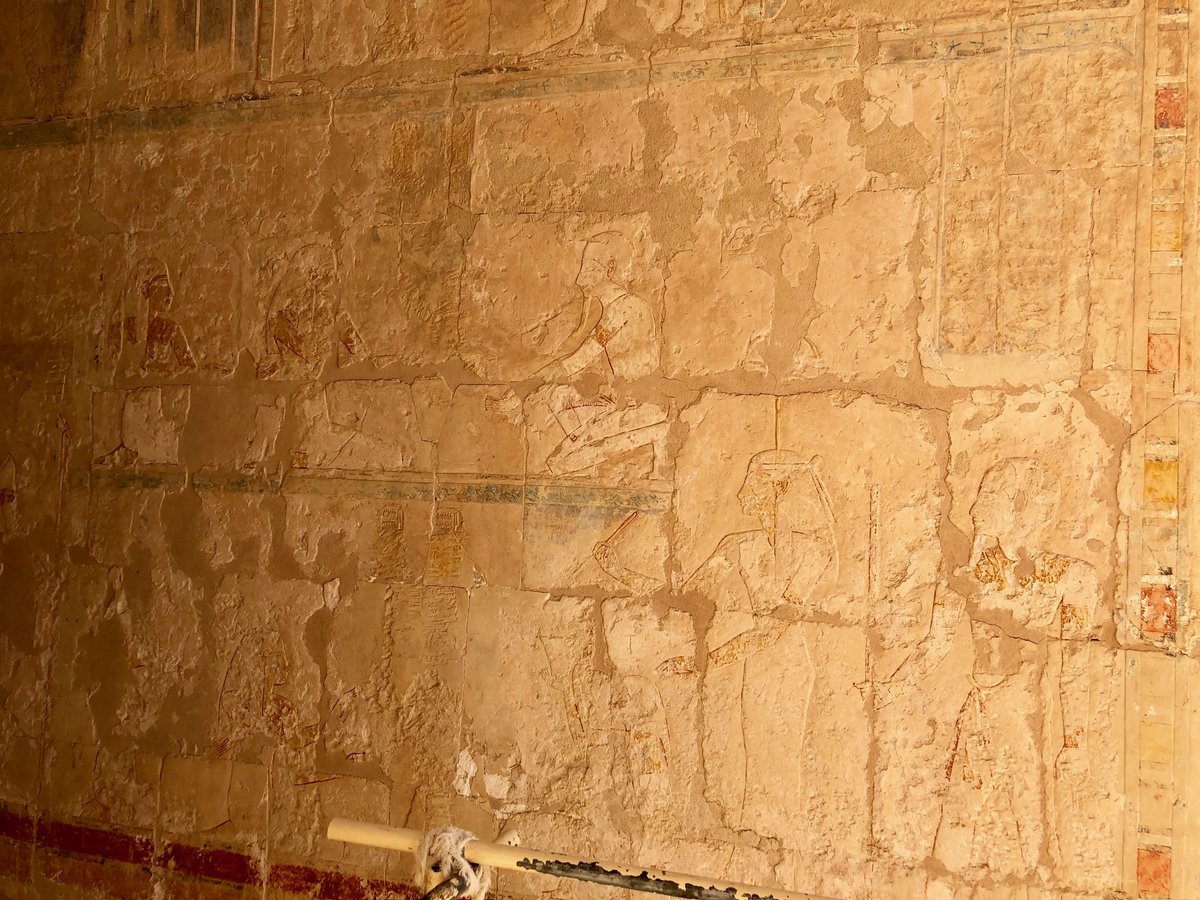
Don't miss the Great Hypostyle Hall, the Sacred Lake, Hatshepsut's surviving obelisk, and the Open Air Museum. Most people barrel through the big axis and leave, which means they skip the White Chapel of Senusret I and Hatshepsut's Red Chapel, smaller spaces where the carving sharpens and traces of paint still cling on. Also look behind the First Pylon for the ancient mud-brick construction ramp; it makes the entrance feel less like a ruin than a project abandoned yesterday.
When does Karnak Temple Complex close?
Plan around last entry at 4:00 PM and site closing around 5:00 PM. The Ministry page lists daily opening from 6:00 AM to 5:00 PM, while the official ticketing portal says last entry is 4:00 PM, so the safe move is to arrive well before 4:00 PM. Recent restoration work announced on April 11, 2026 did not indicate a full closure, but it can affect what feels fully open on the ground.
Verified, and shown.
Researched and written by the Audiala editorial team from historical records, architectural archives, and local expertise.
Confirmed Karnak's inclusion in Ancient Thebes with its Necropolis, UNESCO inscription date of 1979, and the site's wider role in the Theban sacred zone.
Provided official opening hours, ticket inclusion notes, on-site toilet listing, background on the complex, and confirmation that the Open Air Museum is part of the visit.
Supported the UNESCO framing of Karnak within the larger Theban World Heritage site and its connection to Luxor Temple.
Provided current ticket prices, last-entry time of 4:00 PM, official exemptions for free entry, online booking details, and the note that mobile-phone photography is free.
Used for broad historical context, site development across dynasties, the scale and importance of Karnak, and the role of major rulers including Seti I and Ramesses II.
Supplied architectural facts on the Great Hypostyle Hall, including the 134 columns and the height and arrangement of the central nave.
Supported interpretation of the Hypostyle Hall as a major visitor highlight and part of the main experiential core of Karnak.
Helped explain how the hall originally handled light and why it once felt dimmer and more theatrical than it does now.
Provided the date and importance of Senusret I's White Chapel and supported the recommendation to visit the Open Air Museum.
Used for Hatshepsut's obelisk, its scale, and the surrounding core sanctuary zone.
Supported the Sacred Lake as a key stop and provided historical context for its ritual role.
Provided context on Hatshepsut's Red Chapel and why it matters as one of the most revealing smaller monuments at Karnak.
Confirmed that the First Pylon is a late, unfinished addition by Nectanebo I and that ancient mud-brick construction ramps remain visible behind it.
Used for the quieter side-temple detour within the complex and for recommending a longer visit if exploring beyond the main axis.
Confirmed the annual December 21 solar alignment event on Karnak's main axis.
Provided the dated April 11, 2026 update on active restoration and development work at Karnak and Luxor temples.
Confirmed ongoing conservation activity at Karnak in March 2026 and supported the point that the site remains an active archaeological zone.
Corroborated the March 21, 2026 restoration and discovery news at Karnak.
Used for practical transport guidance, including the absence of a metro and the reliance on taxis, minibuses, and walking.
Provided the 2.7 km route connection between Luxor Temple and Karnak and informed walking-time guidance.
Used as a recent traveler source for realistic visit duration, heat, walking effort, and on-the-ground conditions.
Supported the seasonal advice that winter is the most comfortable time for a long visit and that heat becomes punishing later in the day.
Used cautiously for the early occupation debate and the idea that Karnak's origins lie in changing river terrain rather than one clean founding moment.
Supported the research background on Karnak's geomorphic setting and long development over shifting Nile land.
Researched from Wikidata, Wikipedia & official sources · fact-checked · How we make our guides →