Plan and listen to El-Khokha with Audiala.
Audio guide in your pocket, itinerary in your browser. Built for the way you actually visit.
Introduction to El-Khokha Necropolis
El-Khokha Necropolis, located on Luxor’s West Bank, is an essential destination for travelers seeking to delve into the rich tapestry of ancient Egypt beyond its royal tombs. Part of the extensive Theban Necropolis, El-Khokha is renowned for its assemblage of over 100 rock-cut tombs, primarily from the New Kingdom period (circa 1550–1070 BCE), created for influential officials, priests, and scribes. Unlike the more frequented Valley of the Kings, El-Khokha offers a serene atmosphere and detailed insights into the everyday and spiritual lives of Egypt’s non-royal elite.
With its proximity to major mortuary temples like Queen Hatshepsut’s at Deir el-Bahari, El-Khokha is at the heart of Luxor’s archaeological landscape. Visitors can explore a unique array of funerary art, intricate wall paintings, and inscriptions that reveal the complexities of ancient Egyptian society—its religious practices, social structures, and daily routines. Ongoing conservation and restoration efforts, including the digital documentation and reopening of tombs such as Neferhotep’s, help preserve this invaluable heritage for future generations.
For up-to-date travel advice, ticketing details, and expert recommendations, consult resources such as Egypt Excursions Online and Earth Trekkers.
- Overview & Historical Significance
- Notable Tombs of El-Khokha
- Artistic Features & Iconography
- Visitor Information: Hours, Tickets, and Accessibility
- Travel Tips and Nearby Attractions
- Facilities and Practical Advice
- Frequently Asked Questions (FAQ)
- Conservation Efforts & Recent Discoveries
- Conclusion & Further Resources
- References
El-Khokha has been a premier burial ground from the late Old Kingdom into the Roman era, with most tombs constructed during the New Kingdom's zenith. As an integral part of the Theban Necropolis—a UNESCO World Heritage Site—El-Khokha’s tombs reflect the religious, social, and economic life of Thebes when it was Egypt’s power center (UNESCO World Heritage Centre).
The tombs, strategically positioned near major mortuary temples, provide a narrative of ancient Egypt’s administrative and priestly classes. Their vivid wall paintings and inscriptions detail funerary rituals, agricultural abundance, family life, and religious symbolism, offering an invaluable resource for historians and visitors alike (Outlook Traveller).
Notable Tombs of El-Khokha
Tomb of Khaemhet (TT57)
Khaemhet, "Overseer of the Granaries of Upper and Lower Egypt" under Amenhotep III, is commemorated in TT57. This tomb features highly realistic agricultural scenes and rare depictions of the pharaoh, providing insight into New Kingdom economic life.
Tomb of Neferonpet (TT178)
Neferonpet, a treasury scribe in the Temple of Amun, is immortalized in TT178 with vibrant musical scenes, offerings to deities, and texts narrating his religious devotion.
Tomb of Khonsu (TT31)
Khonsu, "First Prophet of Menkheperre" (Thutmose III), is honored in TT31. This tomb is celebrated for its celestial ceilings and processional scenes, reflecting priestly authority and cosmic symbolism.
Tomb of Shuroy (TT13)
Shuroy, "Head of the Brazier-Bearers in the Temple of Amun at Karnak," is depicted with his family and temple rituals, offering a personal perspective into the lives of temple officials.
Tomb of Benia (Pa-heq-amen) (TT343)
Benia, "Overseer of Work and Craftsmen," features scenes of craftsmen, treasury management, and traditional funerary offerings, revealing New Kingdom labor organization.
Artistic Features & Iconography
The tombs of El-Khokha are celebrated for:
- Naturalistic Wall Paintings: Realistic portrayals of daily life, agriculture, and banquets.
- Vivid Colors: Remarkable preservation of blues, reds, and greens.
- Hieroglyphic Inscriptions: Prayers, spells, and autobiographical accounts.
- Religious Motifs: Scenes of funerary rituals, gods (Amun, Osiris, Hathor), and symbols like the ankh and djed pillar.
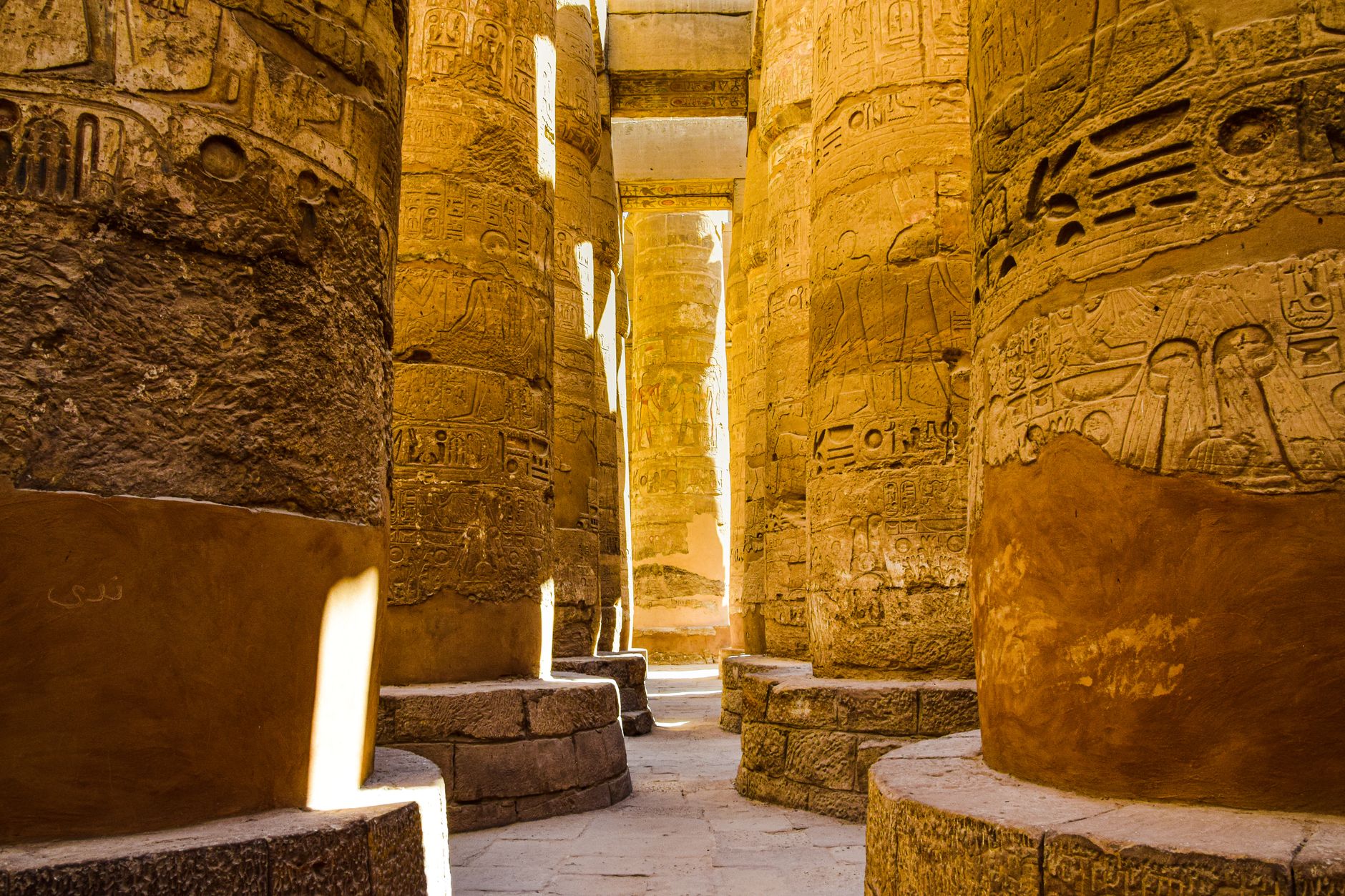
- Architectural Elements: Rock-cut chambers, decorated facades, false doors, and symbolic niches.
These elements collectively illuminate the values, beliefs, and artistry of Egypt’s non-royal elite (Egyptopia).
Visitor Information: Hours, Tickets, and Accessibility
Opening Hours
El-Khokha generally opens daily from 6:00 AM to 5:00 PM (with last entry around 3:30–4:00 PM). Hours may vary seasonally or due to conservation work—early visits are recommended (Sailing Stone Travel).
Tickets & Entry
- Where to Buy: Tickets are purchased at the main West Bank ticket office near the Colossi of Memnon, not at the tomb entrances.
- Pricing: Tickets covering El-Khokha and other tombs typically cost 60–120 EGP, with discounts for students and children. The Luxor Pass (approx. $100–$200 USD) grants access to major West and East Bank sites (Travel2Egypt).
- Tomb Rotation: Not all tombs are open at any one time; check the current list at the ticket office.
Accessibility
- Mobility: Uneven terrain, sandy paths, and steps make the site unsuitable for wheelchairs or those with significant mobility issues.
- Lighting: Tomb interiors are dim; a small flashlight is helpful.
- Photography: Flash photography is prohibited; photography with mobile phones is usually allowed, but professional cameras require a permit.
Travel Tips and Nearby Attractions
- Best Visiting Times: Early morning or late afternoon for cooler temperatures and fewer crowds.
- Guided Tours: Licensed Egyptologist guides are invaluable for context but are not permitted inside the tombs themselves (Egypt Excursions Online).
- Nearby Sites: Combine your visit with the Valley of the Kings, Valley of the Queens, Deir el-Medina, and the Ramesseum.
- Transportation: Taxis and organized tours are recommended; public transport is limited. Bicycle rentals are possible for adventurous travelers, but be prepared for heat and distance (Egipto Exclusivo).
Facilities and Practical Advice
- Restrooms: Available near the entrance; minimal amenities inside the necropolis.
- Refreshments: No cafés on site—bring your own water and snacks.
- Shade & Seating: Limited—wear sun protection and comfortable footwear.
- Parking: A small lot serves private vehicles and tour buses.
- Safety: Respect site rules, avoid touching wall paintings, and secure your belongings.
What to Bring:
Water (1–2 liters per person), hat, sunscreen, sunglasses, sturdy shoes, modest clothing, flashlight, guidebook or app, and small change for tips.
Frequently Asked Questions (FAQ)
Q: What are El-Khokha’s opening hours?
A: Usually 6:00 AM to 5:00 PM, but can vary—confirm before visiting.
Q: Where do I buy tickets?
A: At the main West Bank ticket office near the Colossi of Memnon.
Q: Are the tombs wheelchair accessible?
A: No, the terrain is uneven and access is limited for those with mobility challenges.
Q: Is photography allowed inside the tombs?
A: Flash is prohibited; mobile phone photography is generally allowed, but professional cameras require a permit.
Q: Are guides available?
A: Yes, Egyptologist guides can be hired but are not allowed inside the tombs.
Conservation Efforts & Recent Discoveries
El-Khokha has seen significant conservation, including digital mapping and the restoration of key tombs like Neferhotep’s, recently reopened to the public after years of expert work by international teams. These initiatives protect the necropolis against urban expansion and environmental threats, ensuring its preservation for future generations (Outlook Traveller, Deccan Chronicle).
Listen to the full story in the app
The whole El-Khokha,
told well.
Audio guides for 1,100+ cities across 96 countries. History, stories, and local insight — offline ready.

Verified, and shown.
Researched and written by the Audiala editorial team from historical records, architectural archives, and local expertise.
Last reviewed