Introduction
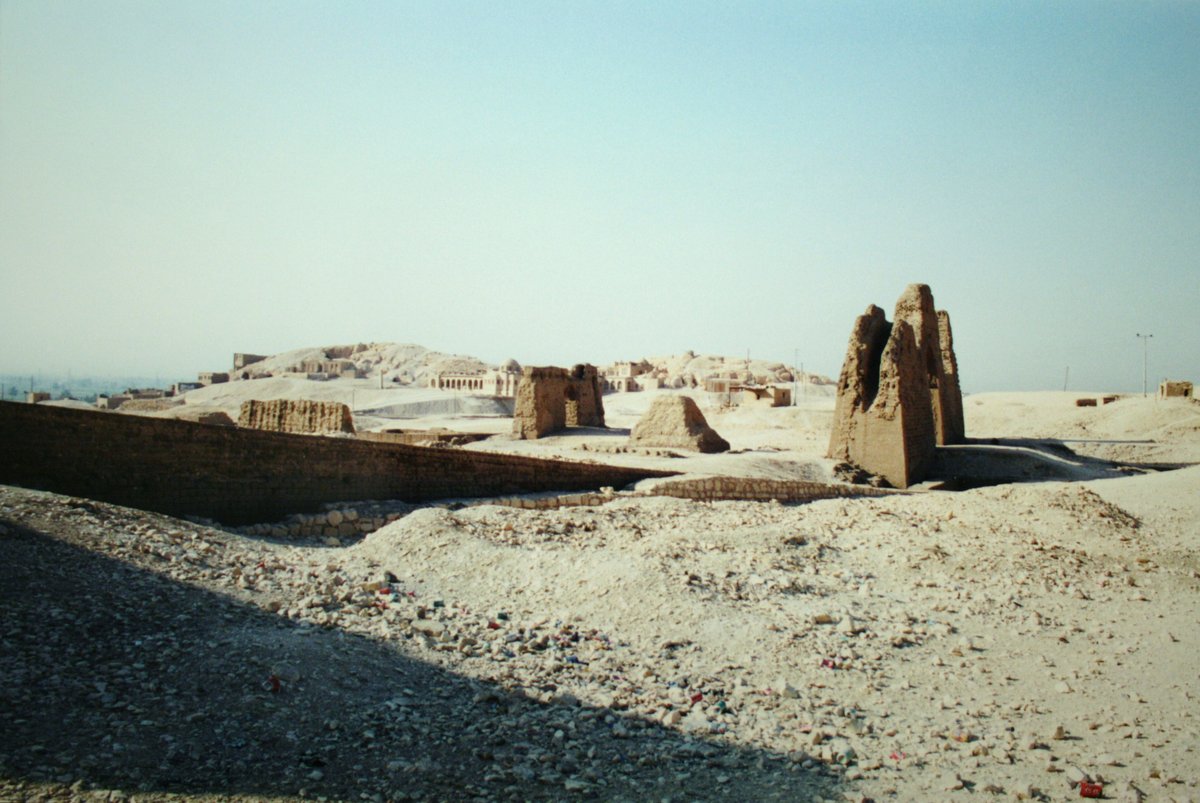
The Temple of Amun-Ra at Karnak, situated on Luxor’s east bank of the Nile, is one of the most awe-inspiring religious complexes in ancient Egypt. Among its many wonders, the east exterior wall stands out for its immense historical, religious, and architectural significance. Serving as both a protective barrier and a ceremonial threshold, this wall is adorned with intricate reliefs that chronicle centuries of pharaohs’ deeds, religious rituals, and mythological narratives. This guide delivers detailed historical background, practical visitor information, and highlights the unique features that make the east exterior wall an essential part of any Karnak or Luxor itinerary. (Ancient Egypt Online, Egypt Mythology, Rough Guides)
Historical Background
Early Foundations and Development
Karnak’s origins trace back to the Middle Kingdom, with the earliest structures established during the reign of Intef II (c. 2112–2063 BCE). Initial constructions consisted of modest mud-brick temples, later reinforced and expanded with sandstone as successive pharaohs elevated the site’s religious importance. The east exterior wall, established as a key boundary, played a vital role in defining the sacred precinct of Amun-Ra.
Expansion and Artistic Flourishing
During the New Kingdom, particularly under Thutmose I, Thutmose III, and Amenhotep III, Karnak underwent dramatic expansion. The east wall was extended and adorned with monumental reliefs depicting offerings to Amun-Ra, military campaigns, and grand processions. These visual records illustrate the evolving relationship between pharaohs and the divine. The Akhmenu Festival Hall, constructed by Thutmose III, and subsequent additions by Amenhotep III, further enriched the wall’s ceremonial and architectural context. (AfricaME)
Ramesside and Later Periods
Seti I, followed by Ramesses II and III, enhanced the wall with additional shrines, gateways, and commemorative scenes. During the Ptolemaic and Roman eras, the wall was repaired and adapted for new religious practices, ensuring its survival into the modern era. Conservation efforts continue today, safeguarding the wall from environmental damage and rising groundwater. (Audiala)
Religious, Cultural, and Political Significance
Religious Importance
As the eastern limit of Amun-Ra’s sacred precinct, the wall symbolically separated the divine realm from the secular world. Reliefs depict pharaohs making offerings, emphasizing their divine mandate and the central role of Amun-Ra within the Theban Triad (Amun, Mut, Khonsu). The wall was integral to rituals and festivals such as Opet, during which divine processions passed through its gates, reflecting beliefs in renewal and cosmic order. (Egypt Mythology, Private Tours in Egypt)
Cultural and Artistic Achievement
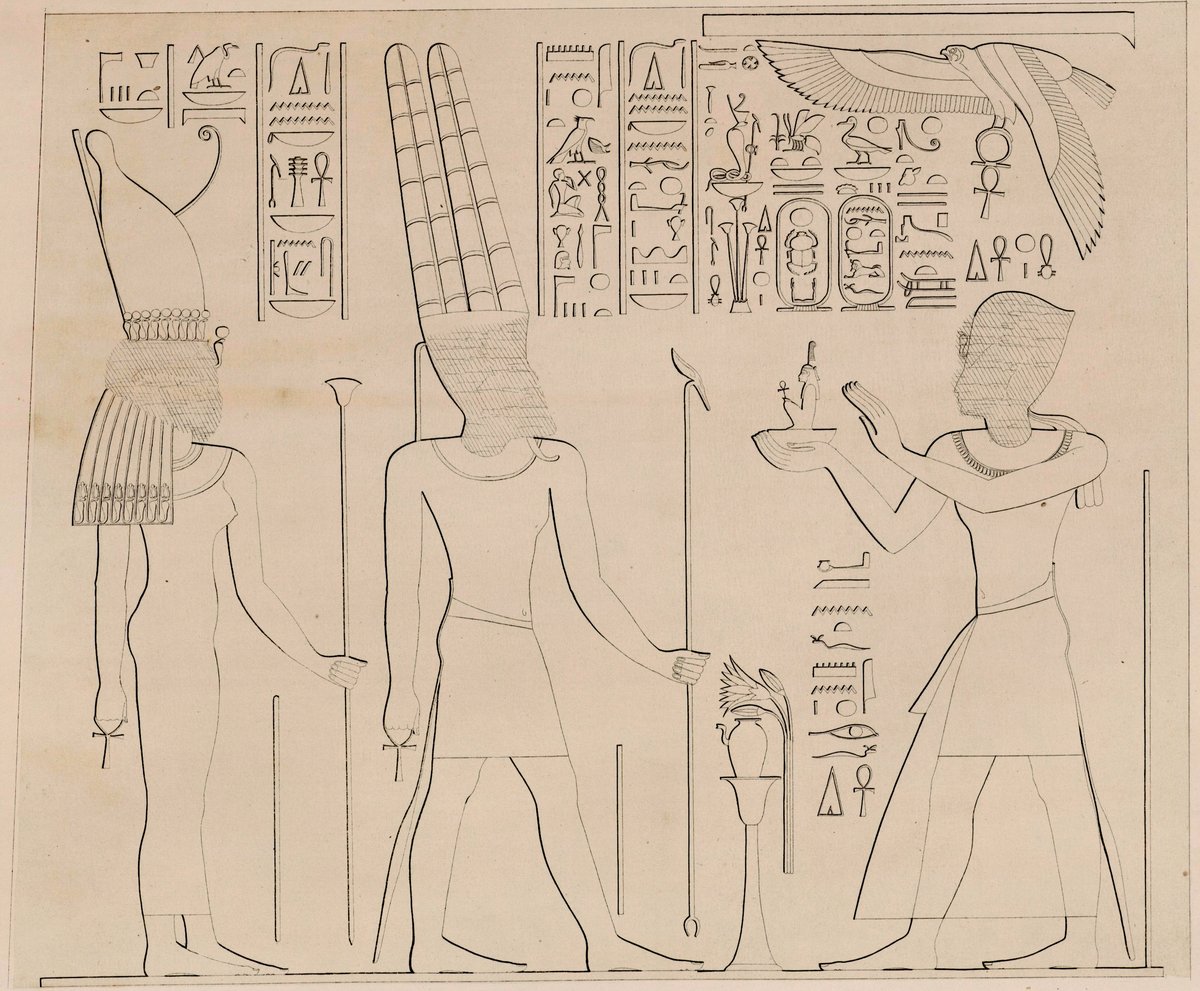
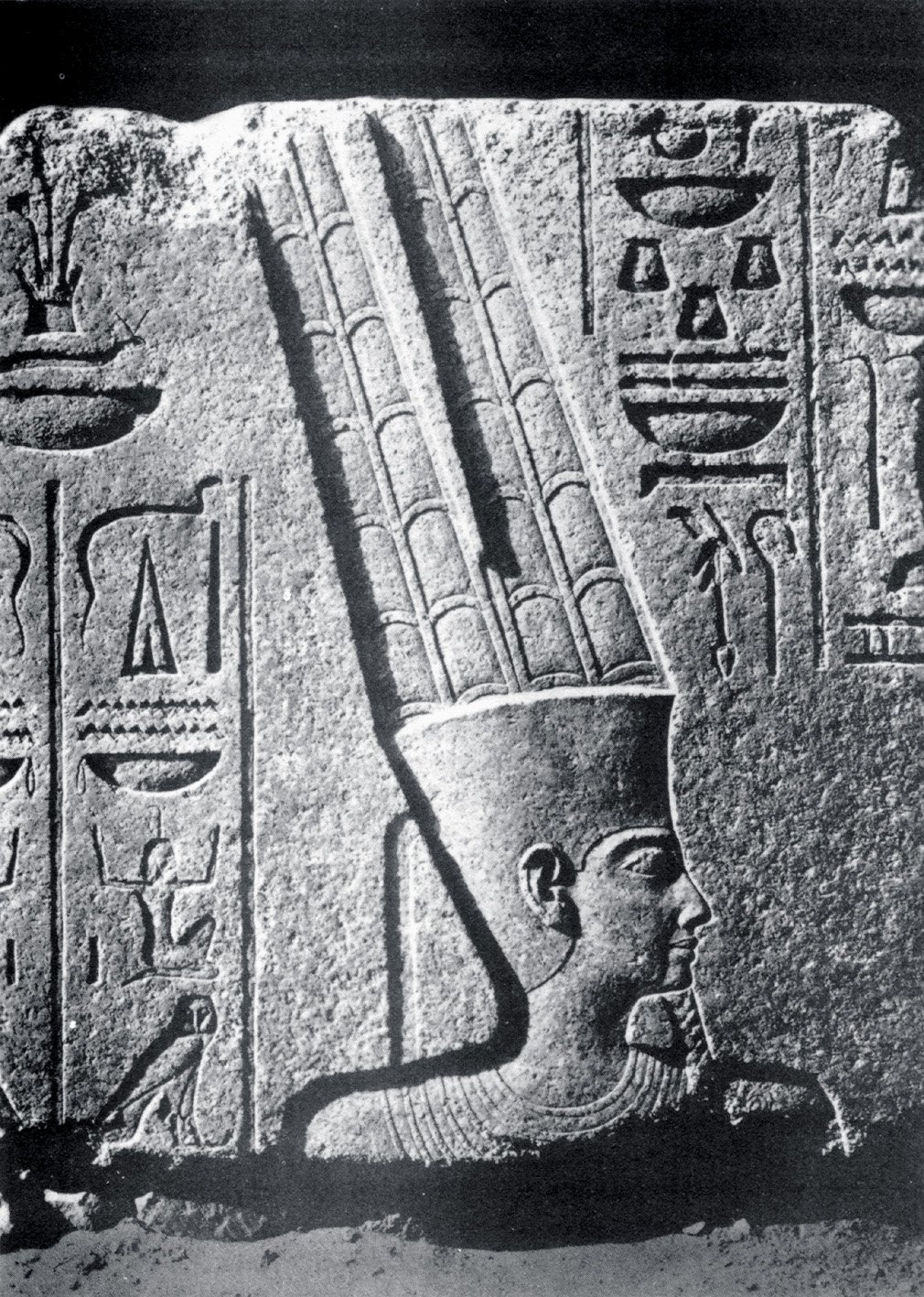
The east exterior wall is a masterpiece of ancient Egyptian art and engineering. Its reliefs combine narrative panels, hieroglyphic inscriptions, and symbolic motifs such as the ankh and djed pillar. The sunken relief technique and traces of original polychromy demonstrate the artistic skill of New Kingdom craftsmen. The wall’s alignment with the rising sun reinforces its association with rebirth and eternity. (Ancient Engineering Marvels, Egypt Mythology)
Political Symbolism
Successive pharaohs used the wall to assert their divine legitimacy and commemorate military victories. Political ceremonies and royal proclamations often took place nearby, reinforcing the king’s role as intermediary between the gods and the people. Modifications over time reflect Egypt’s shifting political and religious landscape. (Ancient Engineering Marvels, Private Tours in Egypt)
Architectural Features and Artistic Highlights
Structure and Materials
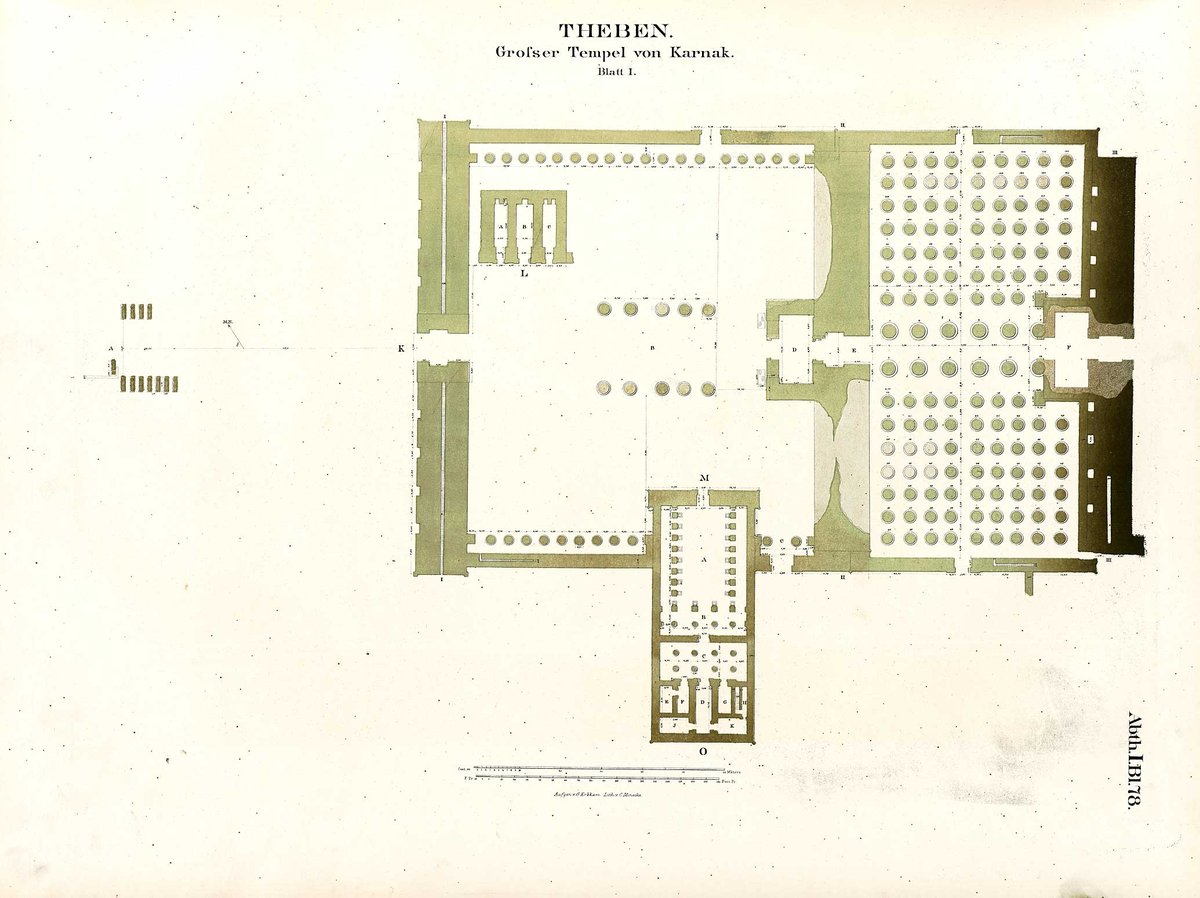
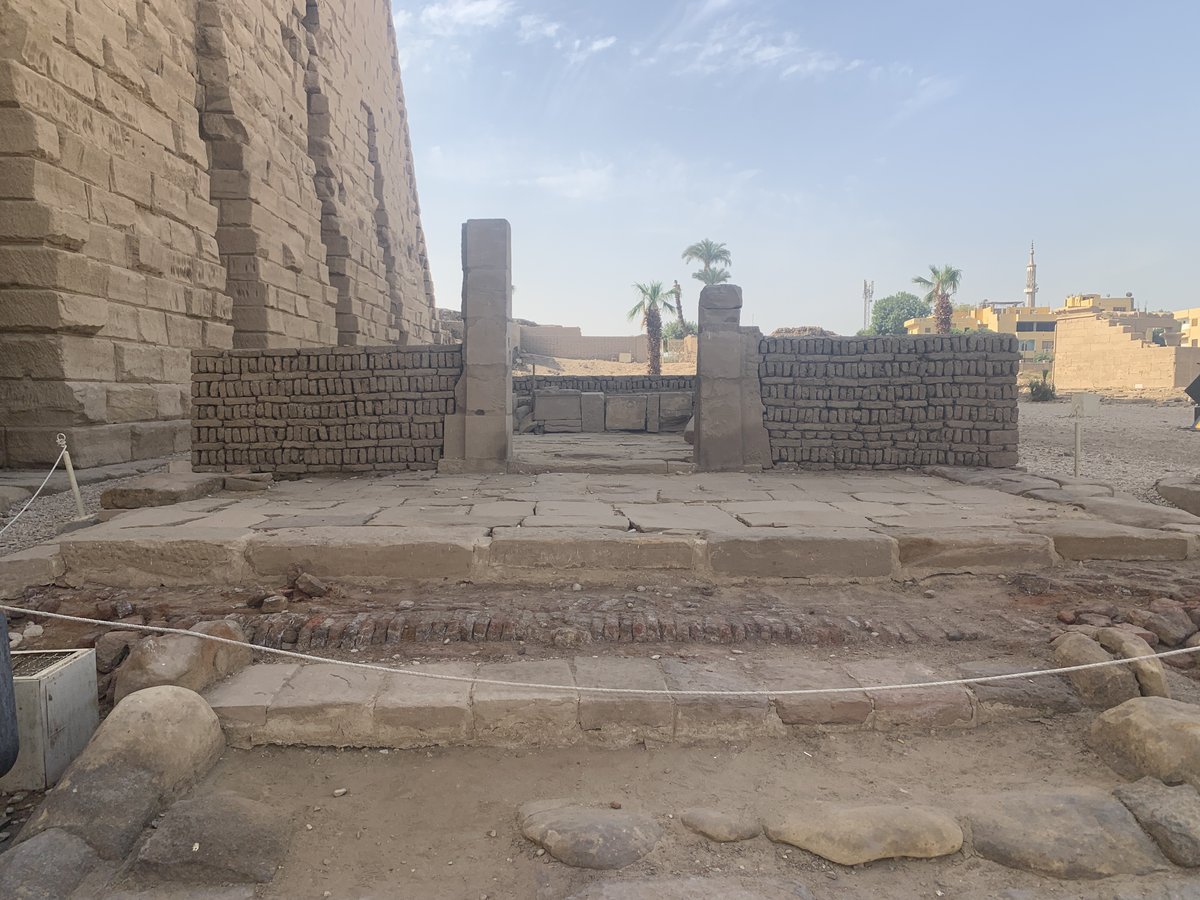
Constructed primarily from Gebel el-Silsila sandstone, the east exterior wall is punctuated by gateways and niches, forming a formidable boundary to the temple precinct. The wall’s robust structure provided protection while serving as a grand stage for ceremonial processions.
Reliefs and Inscriptions
The wall is adorned with:
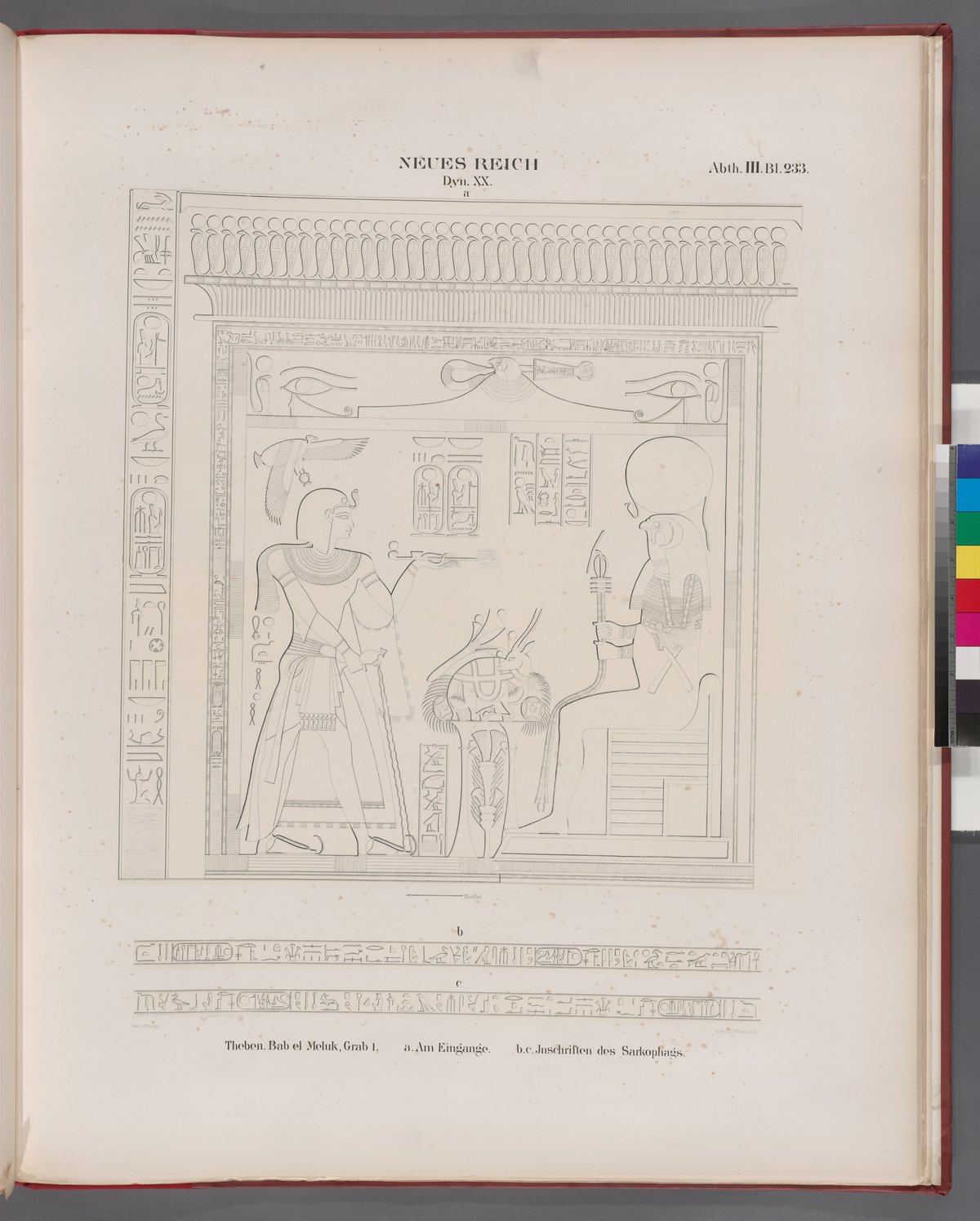
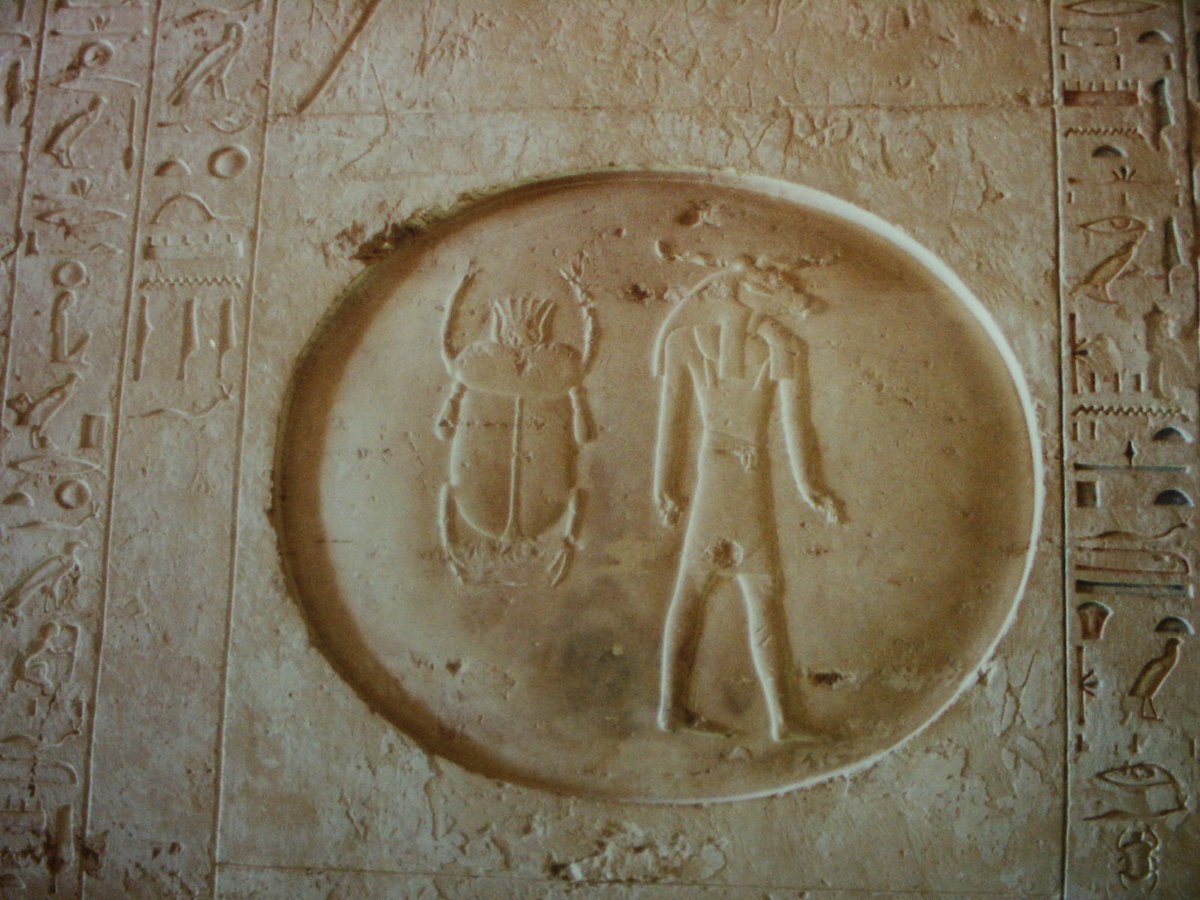
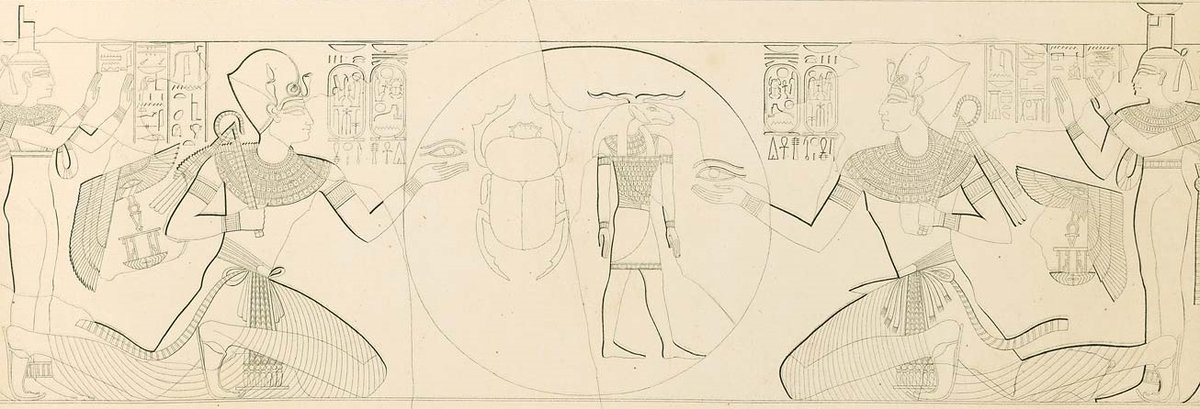
- Narrative Reliefs: Depicting pharaohs offering to Amun-Ra, participating in rituals, or commemorating victories.
- Hieroglyphics: Offering explanatory texts, royal names, and titles.
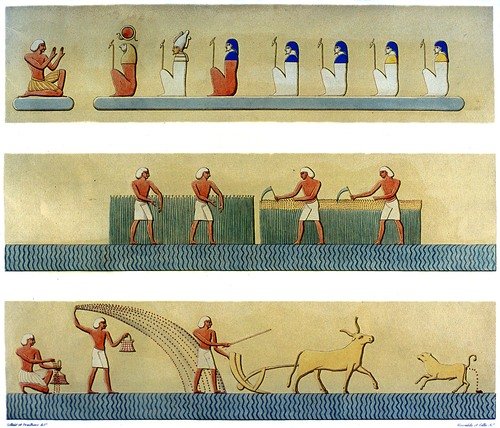
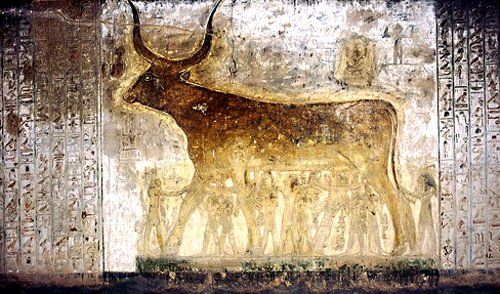
- Mythological Scenes: Illustrating the triumph of order over chaos, central to Egyptian cosmology.
- Sunken Reliefs and Polychromy: Enhanced legibility and visual impact, with traces of original pigments visible after recent restoration. (Egyptian Streets)
Preservation Efforts
Recent conservation (2021–2024) has uncovered vibrant colors and stabilized much of the wall’s structure, following international standards for reversibility and minimal intervention. Ongoing challenges include environmental threats and visitor impact, mitigated by barriers, designated pathways, and educational signage. Collaborative projects with international teams continue to document and protect the site for future generations. (Egyptian Streets, Digital Karnak)
Practical Visitor Information
Location and Access
Karnak Temple is located 3 km north of Luxor city center, easily reached by taxi, bus, or organized tour. The east exterior wall is accessible via the main entrance; visitors follow marked paths through the Great Court and Hypostyle Hall before proceeding eastward. (Rough Guides)
Opening Hours and Ticketing
- Opening Hours: Daily, summer 6:00 am–6:30 pm; winter 6:00 am–5:30 pm.
- Ticket Prices: Standard admission 65 EGP; students 35 EGP (with valid ID). An all-inclusive ticket (main temple + open-air museum) is 200 EGP. Tickets are available at the entrance.
Accessibility and Facilities
- Terrain: Mostly flat but with some uneven areas due to ancient stonework.
- Wheelchair Access: Partial, with ramps in some sections; assistance is recommended.
- Facilities: Restrooms, shaded rest areas, benches, and souvenir shops are available near the entrance.
Guided Tours and Interpretation
- Guides: Official guides are available at the entrance or can be booked in advance. Tours typically last 2–2.5 hours.
- Signage: Multilingual signs provide context and interpretation at key points.
Best Times to Visit
- Season: October–April offers the most pleasant weather.
- Time of Day: Early morning or late afternoon for optimal lighting and fewer crowds.
Dress Code and Visitor Etiquette
- Modest clothing recommended (shoulders and knees covered).
- Comfortable, closed-toe shoes.
- Bring sun protection and bottled water.
- Photography without flash is permitted; tripods may require permission.
- Do not touch reliefs or climb on structures.
Special Experiences
- Sound and Light Show: Held multiple times nightly in different languages, culminating at the Great Sacred Lake.
- Opet Festival: The annual reenactment links Karnak and Luxor temples and offers a unique cultural experience.
Nearby Attractions
- Luxor Temple
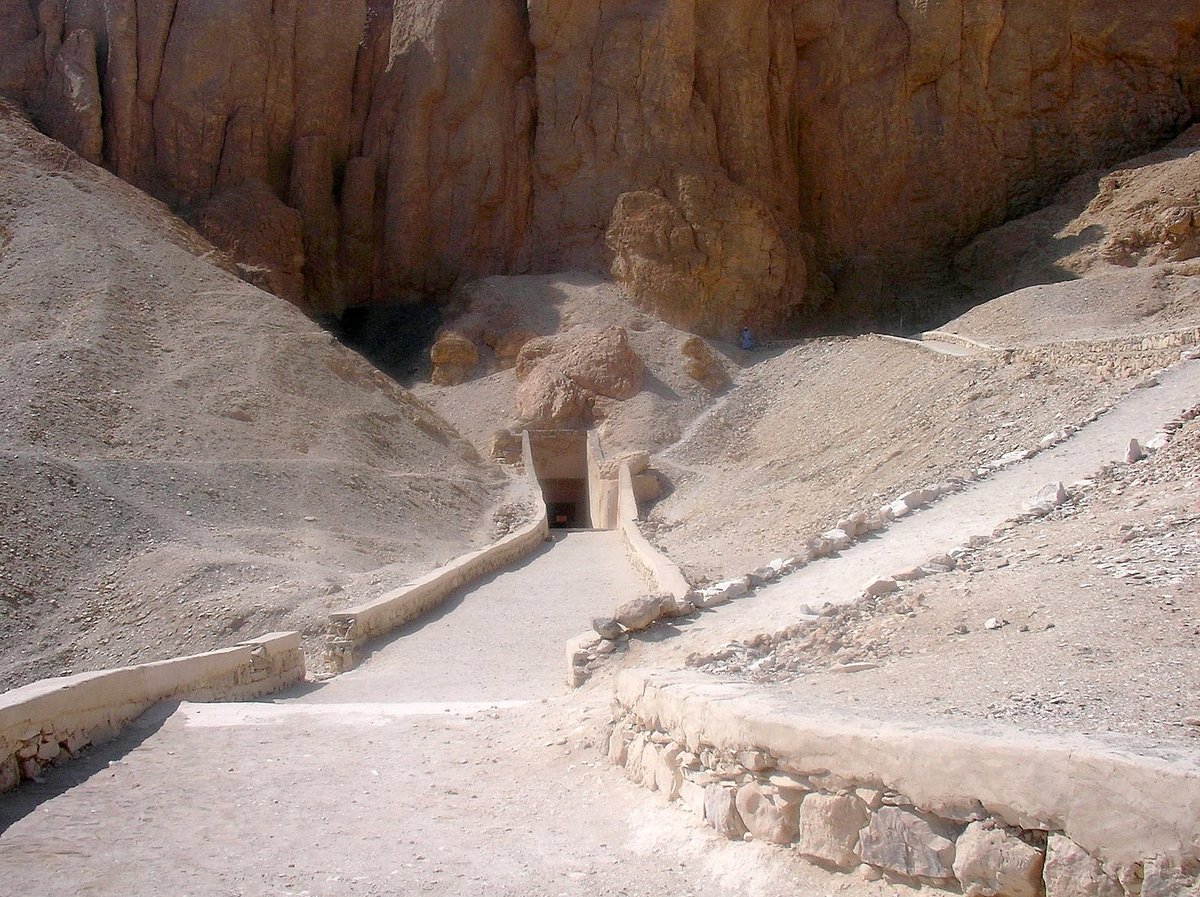
- Valley of the Kings
- Karnak Open-Air Museum
- Luxor Museum
Frequently Asked Questions (FAQs)
Q: What are the visiting hours?
A: Daily, summer 6:00 am–6:30 pm; winter 6:00 am–5:30 pm.
Q: How much are tickets?
A: Standard 65 EGP; students 35 EGP; all-inclusive 200 EGP.
Q: Is the site wheelchair accessible?
A: Partially; some ramps and smooth paths, but uneven ground in places.
Q: Are guided tours available?
A: Yes, at the entrance or through travel agencies.
Q: Can I photograph the reliefs?
A: Yes, but without flash. Tripods may require prior permission.
Visitor Recommendations
Visiting the east exterior wall of Karnak Temple is a highlight of any trip to Luxor, blending monumental architecture with vivid storytelling. To maximize your experience:
- Plan for early morning or late afternoon visits.
- Hire a guide or use an audio tour for deeper insight.
- Dress comfortably and respectfully.
- Check for special events like the Sound and Light Show or Opet Festival.
- Download the Audiala app for personalized itineraries and up-to-date information.
Listen to the full story in the app
Your Personal Curator, in Your Pocket.
Audio guides for 1,100+ cities across 96 countries. History, stories, and local insight — offline ready.
Audiala App
Available on iOS & Android
Join 50k+ Curators
Sources
- verified
- verified
- verified
- verified
Last reviewed: