Plan and listen to Deir El-Medina with Audiala.
Audio guide in your pocket, itinerary in your browser. Built for the way you actually visit.
Introduction
Deir el-Medina, an ancient village on the west bank of the Nile near Luxor, Egypt, provides a unique window into the daily lives of the artisans who constructed the royal tombs in the Valley of the Kings and Valley of the Queens. Established during the 18th Dynasty of the New Kingdom (circa 1550–1080 BCE), this village, known as Set Maat or "The Place of Truth," housed the "Servants in the Place of Truth" (Wikipedia). The village's strategic location in a natural amphitheater, away from prying eyes, ensured the secrecy of the artisans' work. Deir el-Medina's archaeological significance is underscored by well-preserved houses, tombs, and temples, including the tomb of Nefertari and the Temple of Hathor (Madain Project). The texts and personal letters found here provide a detailed account of social relations and daily life, making it one of the most documented ancient communities (World History). For visitors today, Deir el-Medina offers a rich historical experience complemented by practical amenities and nearby attractions such as the Valley of the Kings and the Karnak Temple Complex (Travel2Egypt).

Exploring Deir el-Medina - History, Significance, and Visitor Information
Introduction
Deir el-Medina, an ancient Egyptian village, offers an unparalleled glimpse into the lives of the artisans who built the royal tombs in the nearby Valley of the Kings and Valley of the Queens. This article explores its rich history, cultural significance, and essential visitor information to help you plan your visit to this extraordinary site in Luxor.
History and Significance
Establishment and Purpose
Deir el-Medina, also known as Dayr al-Madīnah, was established during the 18th Dynasty of the New Kingdom (circa 1550–1080 BCE). The village was home to the artisans who worked on the royal tombs in the nearby Valley of the Kings and Valley of the Queens. The settlement's ancient name was Set Maat, meaning "The Place of Truth," and its inhabitants were referred to as "Servants in the Place of Truth" (Wikipedia).
Unique Community Structure
The village was strategically located on the west bank of the Nile, across from modern-day Luxor, in a small natural amphitheater. This location was chosen to maintain the secrecy of the sensitive work carried out in the tombs. The village layout and its walled structure reflect the narrow valley in which it was situated, with barren hillsides and the hill of Gurnet Murai cutting off the north breeze and any view of the verdant river valley (Wikipedia).
Daily Life and Social Organization
Deir el-Medina provides one of the most thoroughly documented accounts of community life in the ancient world, spanning almost four hundred years. The surviving texts from the village record daily events rather than major historical incidents, offering insights into the social relations and family life of the villagers. Personal letters reveal much about the interactions among the community members (Madain Project).
Abandonment and Rediscovery
The village was abandoned around 1110–1080 BCE during the reign of Ramesses XI due to increasing threats from tomb robbery, Libyan raids, and the instability of civil war. The last royal tomb built in the Valley of the Kings was during this period (Wikipedia). The site was later rediscovered and excavated, with significant work beginning in 1922 by a team led by Bernard Bruyère, coinciding with Howard Carter's discovery of the Tomb of Tutankhamun (Madain Project).
Archaeological Significance
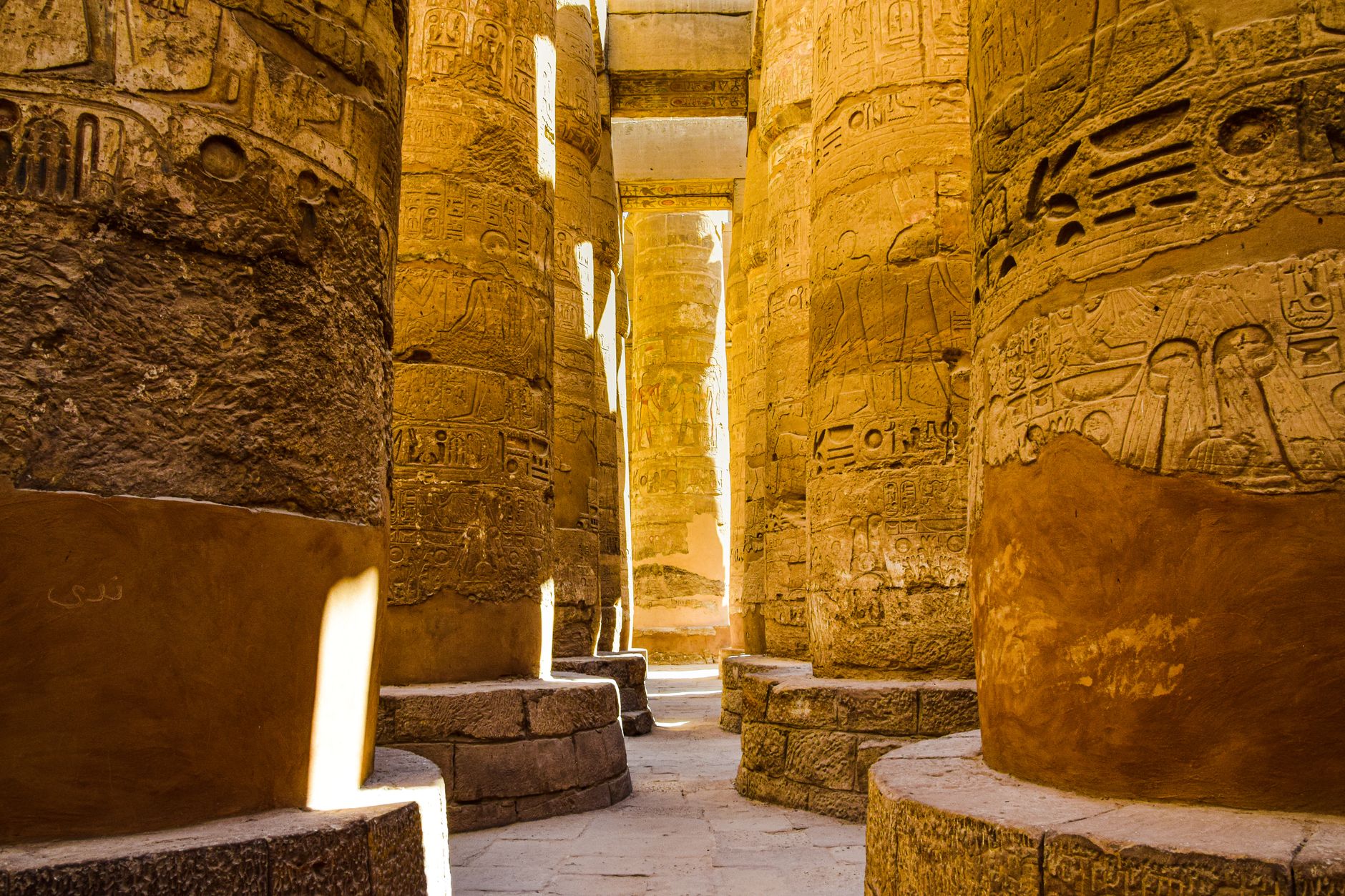
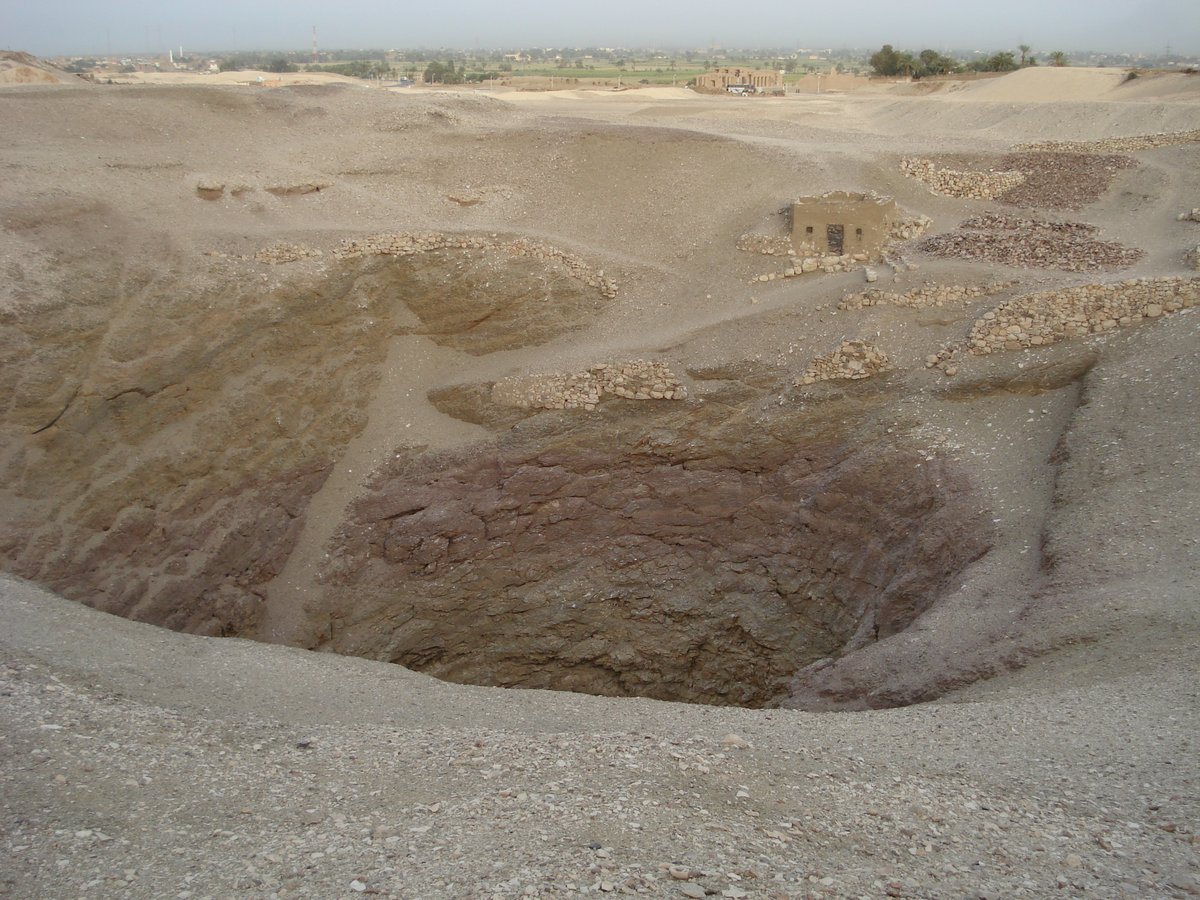
Deir el-Medina is renowned for its well-preserved archaeological remains, including the stone foundations of houses and the outer wall. Visitors can walk through the ancient homes and get a sense of the close-knit community that once thrived there. The village's artisans were among the best craftsmen in ancient Egypt, and their own tombs, built on the slopes of the surrounding Theban Hills, are considered some of the most beautiful on the west bank (World History).
Noteworthy Tombs and Temples
The village is home to several significant tombs and temples. The tomb of Nefertari, considered one of the most beautiful in Egypt, is located here. Additionally, the Ptolemids built a temple to Hathor on the site of an ancient shrine dedicated to her. During the Christian era, this temple was converted into a Monastery of Saint Isidorus the Martyr, from which the Egyptian Arabic name Deir el-Medina ("Monastery of the City") is derived (Wikipedia).
Cultural Insights
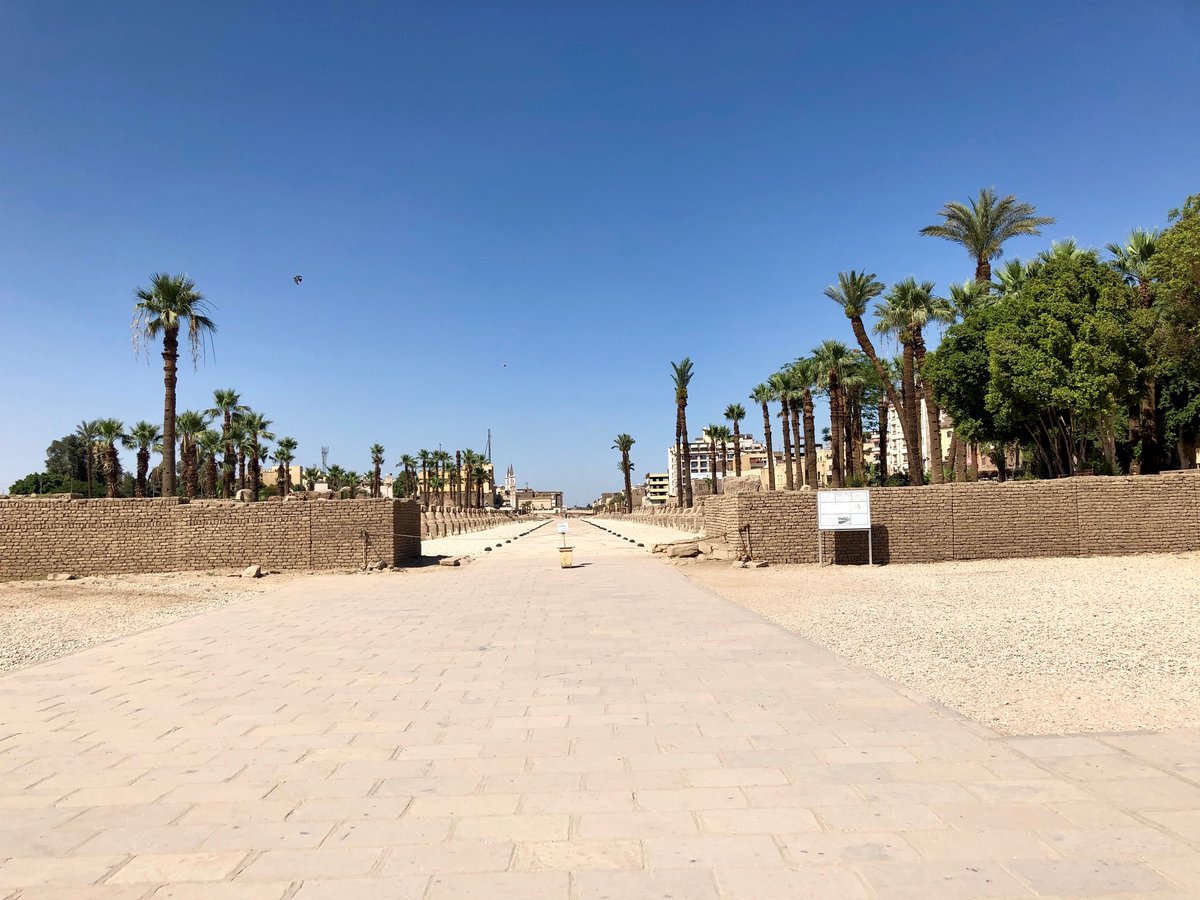
Deir el-Medina offers a unique perspective on ancient Egyptian society, distinct from the pharaonic splendor yet integral to its legacy. The community's ability to read and write, including a large proportion of women, highlights the high level of literacy and education among the artisans. The main road through the village may have been covered to shelter the villagers from the intense glare and heat of the sun, reflecting the practical considerations of daily life (Madain Project).
Visitor Information
Visiting Hours and Ticket Prices
Deir el-Medina is open to visitors daily, but it is advisable to check the official website or local resources for the most current visiting hours and ticket prices. Tickets can usually be purchased on-site or online in advance.
Travel Tips
When visiting Deir el-Medina, wear comfortable walking shoes and bring plenty of water, as the site involves a fair amount of walking and can be quite hot. It's also a good idea to bring a hat and sunscreen to protect yourself from the sun.
Nearby Attractions
While in Luxor, consider visiting other historical sites such as the Valley of the Kings, the Valley of the Queens, and the Karnak Temple Complex. These sites offer additional insights into ancient Egyptian history and culture.
Accessibility
Deir el-Medina is relatively accessible, but some areas may be challenging for visitors with mobility issues. It's best to check in advance if you require special accommodations.
Guided Tours and Special Events
Guided tours are available and highly recommended to fully appreciate the site's history and significance. Special events and lectures may also be held periodically, providing deeper insights into the archaeological findings and ongoing research.
Best Photographic Spots
For photography enthusiasts, the village and its surrounding Theban Hills offer numerous picturesque spots. Early morning or late afternoon light provides the best conditions for capturing the essence of this ancient site.
Preservation and Tourism
Today, Deir el-Medina is a popular tourist destination, attracting visitors from around the world. The site offers guided tours that provide insights into the village's significant history, culture, and lifestyle. The preservation of the village and its archaeological sites allows tourists to explore and appreciate the artistry and craftsmanship of the ancient Egyptian artisans (Egypta Tours).
Educational Value
The historical texts and personal letters found at Deir el-Medina are invaluable for understanding the daily lives of ancient Egyptians. These documents reveal the social dynamics, family structures, and personal relationships within the community. The village's well-documented history makes it an essential site for scholars and historians studying ancient Egyptian society (Wikipedia).
FAQ
What are the visiting hours for Deir el-Medina?
Deir el-Medina is generally open daily, but visiting hours can vary. Check the official website for the most current information.
How much are the tickets to Deir el-Medina?
Ticket prices can vary, so it's best to check online or at the site for the latest prices.
What should I wear when visiting Deir el-Medina?
Wear comfortable walking shoes, a hat, and sunscreen. Bring plenty of water.
Are there guided tours available?
Yes, guided tours are available and recommended to fully appreciate the site's history and significance.
What other attractions are nearby?
Nearby attractions include the Valley of the Kings, the Valley of the Queens, and the Karnak Temple Complex.
Discover More
For more information and updates, follow us on social media or visit our website. Don't forget to download our mobile app for the latest news and exclusive content about Deir el-Medina and other historical sites in Luxor.
Tickets & tours.
These are guided options from our partners — same price as booking direct.
Prices are indicative — final pricing and availability are confirmed at checkout. Audiala may earn a commission from bookings made through these links.
Listen to the full story in the app
The whole Deir El-Medina,
told well.
Audio guides for 1,100+ cities across 96 countries. History, stories, and local insight — offline ready.
Verified, and shown.
Researched and written by the Audiala editorial team from historical records, architectural archives, and local expertise.
Researched from Wikidata, Wikipedia & official sources · fact-checked · How we make our guides →