
Historical Background
Foundation and Early History
The mosque was erected in 641–642 CE, immediately after the Muslim conquest of Egypt, making it the oldest mosque in the country and on the continent (Memphis Tours). Fustat, the new Islamic capital, rose around this sacred site. Originally, the mosque was a modest, rectangular building crafted from simple materials, reflecting the early Islamic architectural aesthetic and the practical needs of a fledgling Muslim community (Islamic History and Travel; Trips in Egypt).
Architectural Development
Over centuries, the mosque experienced extensive modifications:
- Umayyad and Abbasid Eras The mosque was rebuilt and expanded, especially in 827 CE under the Abbasids, doubling its original size and introducing arcades of columns (Islamic History and Travel).
- Fatimid, Ayyubid, and Mamluk Periods The mosque suffered fire damage and was restored by Saladin. Mamluk interventions in the late 18th century, particularly under Mourad Bey, altered the interior orientation and renewed the ceiling.
- Ottoman and Modern Restorations Further deterioration during the Ottoman era led to major reconstructions in the 19th and 20th centuries, resulting in the mosque’s current expansive form (Travel2Egypt).
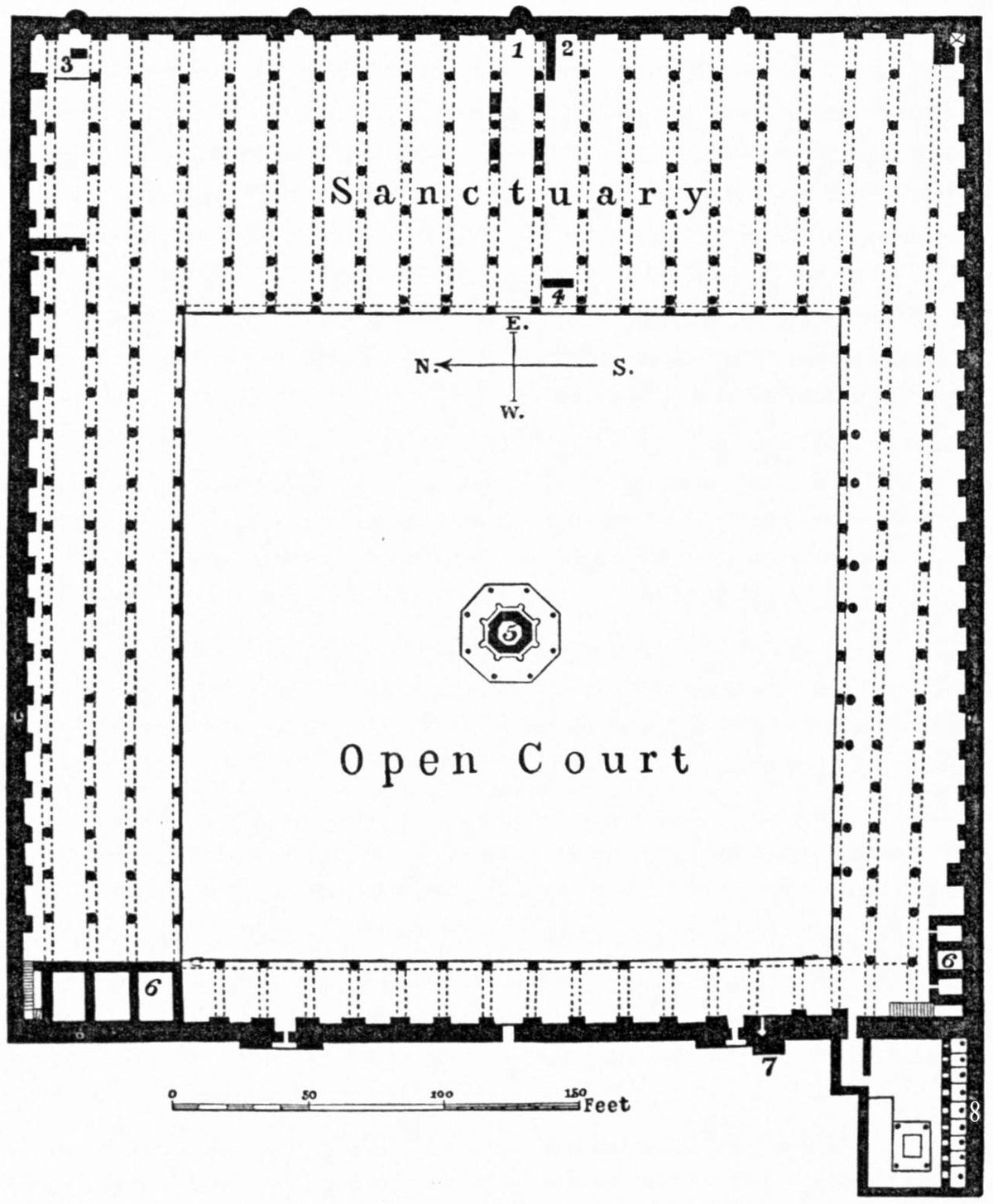
Today, the mosque is characterized by a central open courtyard (sahn), surrounded by four arcaded halls (riwaqs), and supported by over 200 columns—some dating to ancient Roman and Coptic times.
Religious and Cultural Significance
Spiritual Center and Seat of Learning
The Mosque of Amr Ibn Al-As played a pivotal role in the religious and intellectual life of medieval Cairo, long before the establishment of Al-Azhar. It served as a center for learning, hosting prominent scholars like Imam Al-Shafi‘i, and functioned as a hub for worship, community meetings, and legal proceedings (Islamic History and Travel).
Interfaith Relations
The mosque is situated in a district known for its religious diversity, adjacent to Coptic churches and synagogues. Under Amr ibn al-As, Christians were granted religious freedom in exchange for the poll tax (jizya), a practice that fostered relative tolerance and stability compared to previous regimes (Memphis Tours).
Architectural Highlights
Structure and Layout
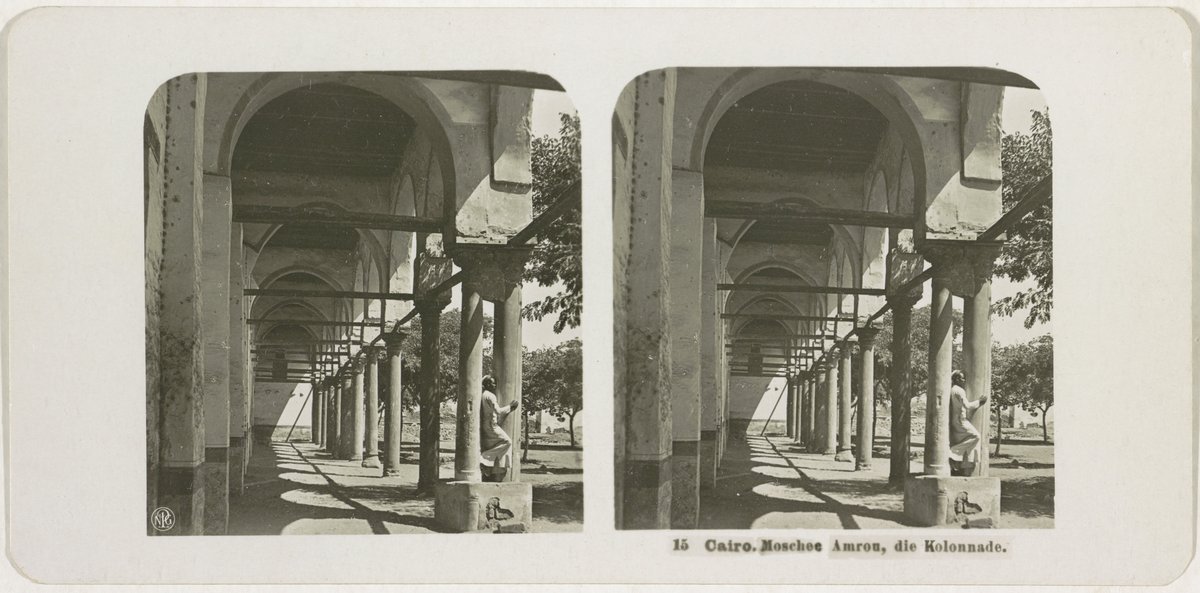
- Columns and Arches The mosque features rows of columns with diverse capitals, many reused from ancient structures, supporting horseshoe arches typical of early Islamic architecture (Egypt Uncovered).
- Roof and Ceiling The prayer hall is covered by a flat wooden roof, with a small dome above the mihrab.
- Mihrab and Minbar The prayer niche and pulpit are focal points, adorned with marble and calligraphy (Egypt Tours Plus).
- Minarets The present minarets are 19th-century additions; earlier ones from the Fatimid period no longer survive (Wikipedia).
Decorative Features
The mosque’s decoration remains restrained, featuring geometric patterns, Qur’anic inscriptions, and wooden mashrabiyya screens that create tranquil, light-filled interiors (Top Ten Egypt).
Visiting Information
Hours and Access
- Visiting Hours Typically 8:00 AM to 5:00 PM daily. Hours may vary during Ramadan or religious holidays; check ahead for updates (Egyptian Monuments).
- Admission Entry is free for all; donations for upkeep are appreciated. Some tours may charge a small fee (Rotana Egypt Travel).
- Accessibility Ramps are provided, but some historic areas may be less accessible.
Dress Code and Etiquette
- Attire Modest dress is required. Men should wear long trousers and sleeved shirts; women should cover arms, legs, and hair. Headscarves are available at the entrance.
- Shoes Remove shoes before entering prayer halls; bags or racks are provided.
- Behavior Maintain quiet, avoid disruption during prayers, and seek permission before photographing worshippers.
Facilities
- Facilities Restrooms and shoe storage are available; shaded arcades provide relief from the sun.
- Nearby Amenities There are cafés and shops in the surrounding Old Cairo area.
How to Get There
The mosque is located in Al-Fustat, Old Cairo. The nearest metro station is Mar Girgis, about a 10-minute walk away. Taxis and ride-hailing services (Uber, Careem) are familiar with the destination. Parking is limited during busy periods, so public transport is recommended (Rotana Egypt Travel).
What to See and Do
- Courtyard and Arcades Stroll through the spacious sahn, admire the ancient columns and arches, and enjoy the mosque’s serene atmosphere.
- Prayer Hall Observe the mihrab and minbar, and appreciate the blend of architectural styles.
- Minaret View the mosque’s minaret, a symbol of its evolving design.
- Guided Tours Local guides offer insightful tours that often include nearby Old Cairo sites.
Nearby Historical Sites
The mosque’s central location makes it easy to visit other Old Cairo attractions:
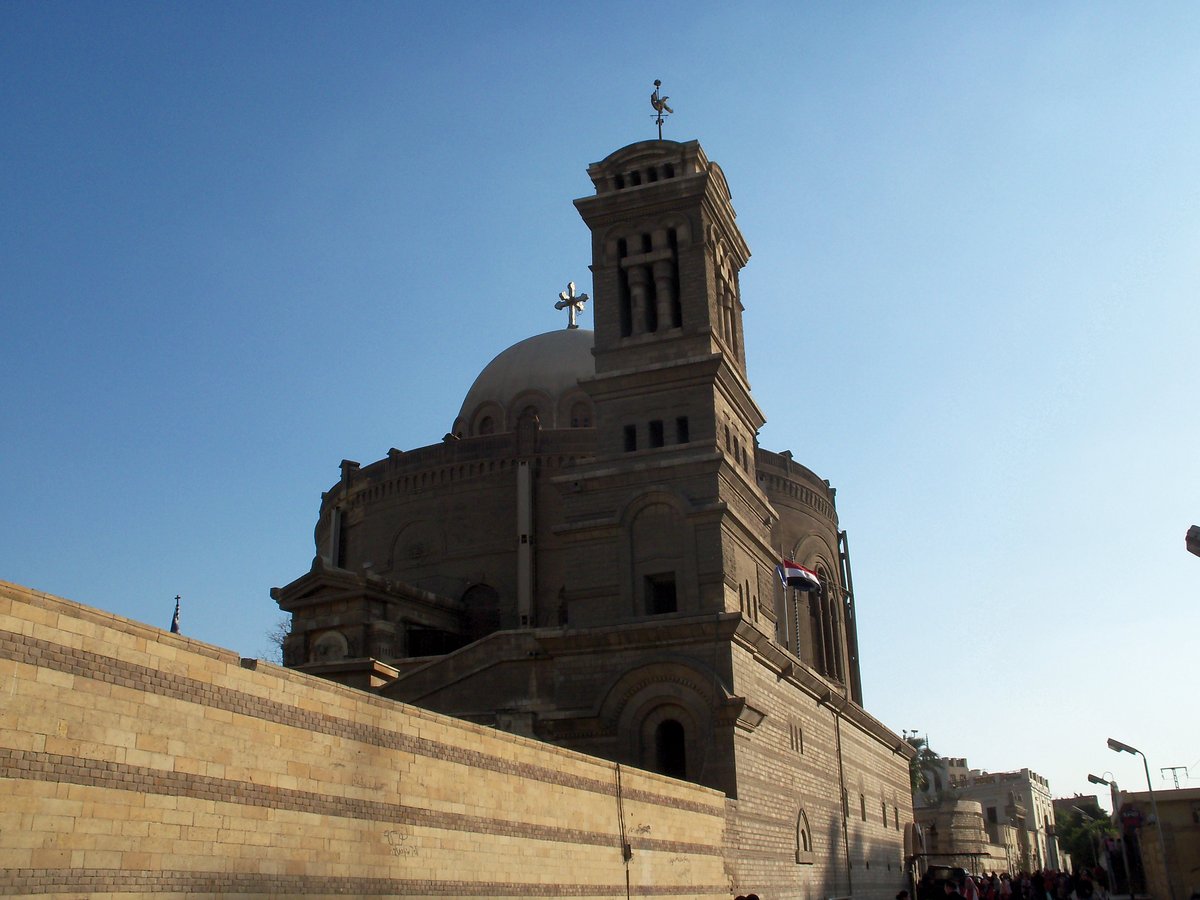
- The Hanging Church (Saint Virgin Mary's Coptic Orthodox Church)
- The Coptic Museum
- Ben Ezra Synagogue
Many guided tours combine these sites for a comprehensive exploration of Cairo’s religious history (Rotana Egypt Travel).
Visitor Tips
- Best Time to Visit Early mornings or late afternoons are best to avoid crowds and heat.
- Language English is spoken by many guides; basic Arabic greetings are appreciated.
- Hydration Bring water, sunscreen, and a hat.
- Photography Permitted in most areas; avoid flash and disruptions during prayers.
- Safety The mosque is well-secured, but remain vigilant and keep valuables safe.
Frequently Asked Questions
Q: What are the current visiting hours?
A: Typically 8:00 AM to 5:00 PM; check ahead for updates during Ramadan or special events.
Q: Is there an entrance fee?
A: No, but donations are appreciated.
Q: Are non-Muslims welcome inside?
A: Yes, outside of prayer times.
Q: What is the dress code?
A: Modest dress; headscarves for women.
Q: Is the mosque accessible for wheelchairs?
A: Ramps are available, but some areas may be less accessible.
Enhancing Your Visit
Consider downloading the Audiala mobile app for audio guides and interactive maps. Explore our related articles on Cairo’s historical sites and Islamic architecture for further insights, and follow us on social media for updates on guided tours and cultural events.