Medieval Waterworks and Urban Growth
Fumm El-Khalig's history begins in the early Islamic era, when the Khalij al-Masri canal connected the Nile to what would become Cairo’s bustling heart (Wikipedia: Khalij (Cairo)). The site was critical for irrigation, trade, and the city’s strategic development. During the Abbasid and Fatimid periods, it defined Cairo’s boundaries and housed pivotal administrative centers.
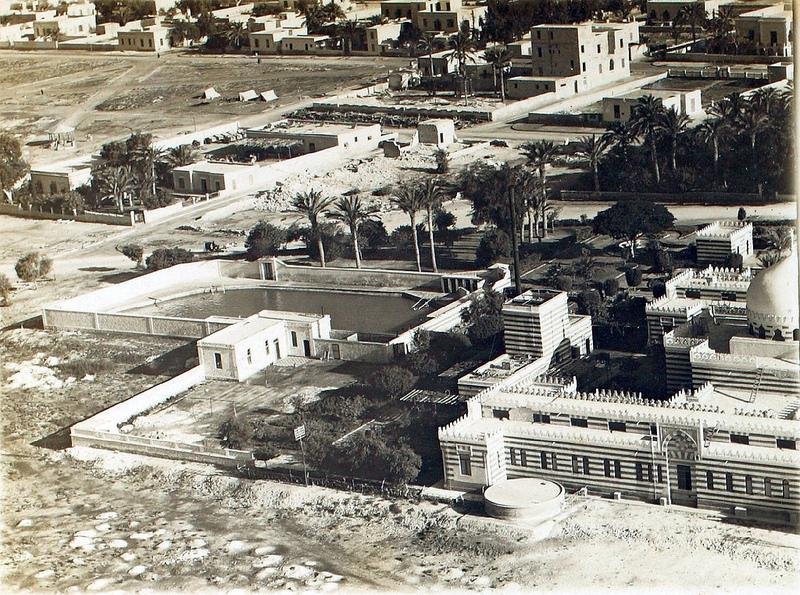
The district’s significance peaked under Sultan Salah ad-Din in the 12th century, with the construction of the Magra El-Eyoon aqueduct. This marvel of engineering channeled Nile water into the city and up to the Citadel, a critical feat for medieval Cairo (Cairo360). Gardens, polo fields, and markets flourished along its banks, blending utility with recreation.
Modern Decline and Transformation
By the late 19th century, advances in water supply led to the canal’s filling and the development of Port Said Street, marking the end of Fumm El-Khalig’s central role in Cairo’s infrastructure (Wikipedia: Khalij (Cairo)). Yet, the imposing intake tower and aqueduct arches endure as tangible links to the city’s past (IJMSHR Journal).
Architectural and Cultural Legacy
Stretching nearly 3 km from Fumm El-Khalig to the Al-Sayeda Aiesha Gate, the Magra El-Eyoon aqueduct is an architectural masterpiece, showcasing medieval hydraulic innovation. Its arches, water-lifting wheels, and intake towers—especially the Al-Makhath Tower—are highlights for both engineers and historians (IJMSHR Journal).
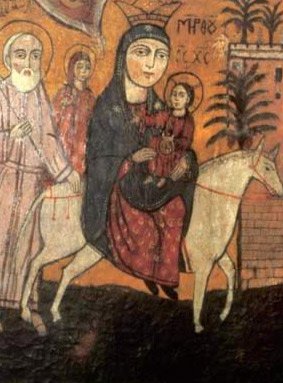
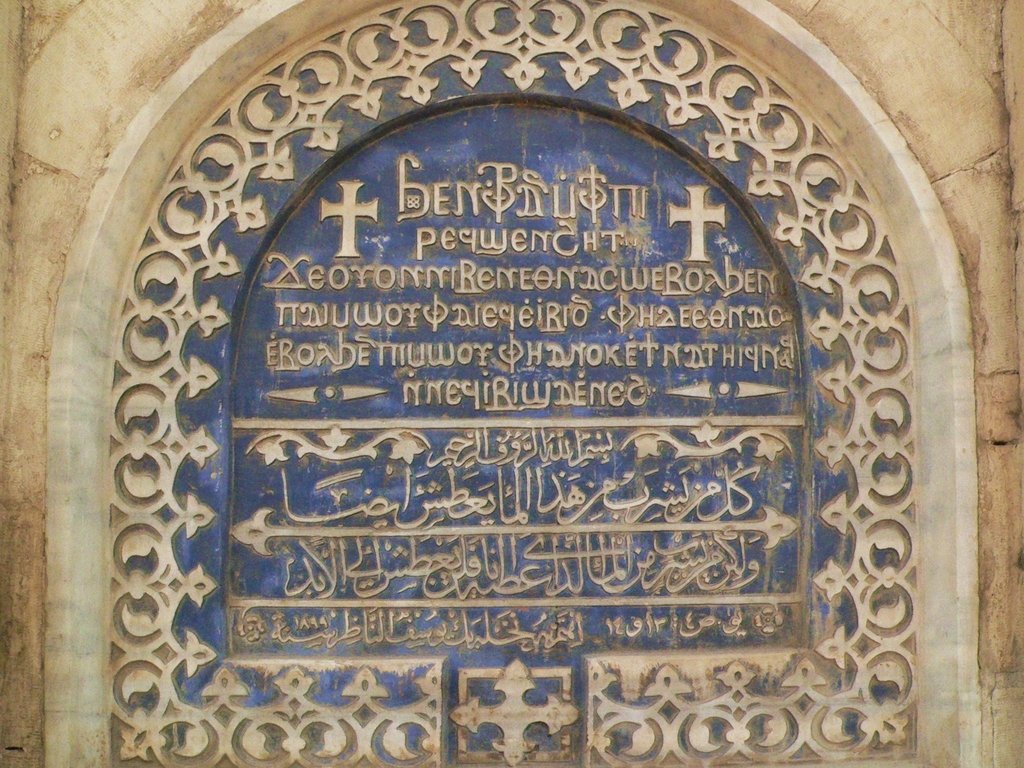
The district also features important religious and cultural landmarks, such as the Church of Saint Menas and vibrant markets echoing centuries-old artisanal traditions.
Visiting Information
Visiting Hours
- Fumm El-Khalig and Aqueduct Daily, 9:00 AM – 6:00 PM
- Church of Saint Menas Daily, 9:00 AM – 5:00 PM
- Aqueduct and Al-Makhath Tower Saturday – Thursday, 8:00 AM – 4:00 PM (closed Fridays)
Tickets and Entry Fees
- General outdoor and aqueduct areas: Free
- Church of Saint Menas: Free (donations appreciated)
- Aqueduct: EGP 30 (foreigners), EGP 10 (locals)
- Guided walking tours: 150–400 EGP, bookable via local operators
Accessibility
- Wheelchair access is limited due to uneven terrain, but some restoration projects are improving routes. Contact local tour operators in advance for specific needs.
Travel Tips
- Visit October–April for mild weather; early mornings and late afternoons are best for photography.
- Dress modestly, especially in religious or traditional areas.
- Combine your visit with nearby Cairo Citadel, Al-Mu’izz Street, and Khan El-Khalili Bazaar.
Getting There
- Metro Line 1 (red line) to Mar Girgis or Sayeda Zeinab, then taxi or walk.
- Taxi/Ride-hailing Uber, Careem, or reputable taxis are safest.
- Tours Many operators offer guided experiences.
Nearby Attractions
- Cairo Citadel 3 km away, a must-see for history lovers.
- Coptic Cairo Home to the Hanging Church and Ben Ezra Synagogue.
- Babylon Fortress Roman-era landmark bordering Fumm El-Khalig.
- Khan El-Khalili Cairo’s famous bazaar, ideal for shopping and people-watching.
Revitalization and Community Life
Recent years have seen significant restoration efforts, including the removal of informal settlements and the enhancement of public spaces. Plans for suspended gardens, lighting, and a Nile marina aim to reintegrate Fumm El-Khalig into Cairo’s cultural and tourism circuit (Cairo360). Seasonal cultural festivals and markets further enliven the district, celebrating Cairo’s living traditions (overyourplace.com).
Frequently Asked Questions (FAQ)
Q: What are the general visiting hours?
A: Main sites are open from 9:00 AM to 6:00 PM; churches and aqueducts may have slightly different hours.
Q: Are there entrance fees?
A: Most outdoor areas are free; some monuments and tours require tickets.
Q: Is Fumm El-Khalig wheelchair accessible?
A: Some routes are accessible; contact operators for details.
Q: Are guided tours available?
A: Yes; they offer valuable historical and cultural context.
Q: What is the best time to visit?
A: October to April, when temperatures are mild.
Q: How should I dress?
A: Modestly, especially in religious areas; women should cover shoulders and knees.
Practical Advice & Safety
- Safety Cairo is generally safe, but remain vigilant, especially in crowds. Women should travel in groups if possible (travel.gc.ca).
- Health Bring travel insurance; use bottled water; private healthcare is preferable (hikersbay.com).
- Money Egyptian Pound (EGP) is standard. Carry small denominations; tipping is customary (hikersbay.com).
- Emergencies Tourist Police are present; call 122 (police), 123 (ambulance), 180 (fire).
Discover More
Fumm El-Khalig is a living chronicle of Cairo’s evolution. With its medieval aqueducts, religious landmarks, and vibrant markets, it offers a holistic Egyptian experience. Restoration and revitalization are breathing new life into the area, making it more accessible and welcoming for visitors. Plan your trip during the cooler months, take advantage of guided tours, and immerse yourself in the district’s historical and cultural riches.
For more insights, real-time updates, and interactive maps, download the Audiala app and explore further resources: