Plan and listen to Taha Hussein Museum with Audiala.
Audio guide in your pocket, itinerary in your browser. Built for the way you actually visit.
Introduction
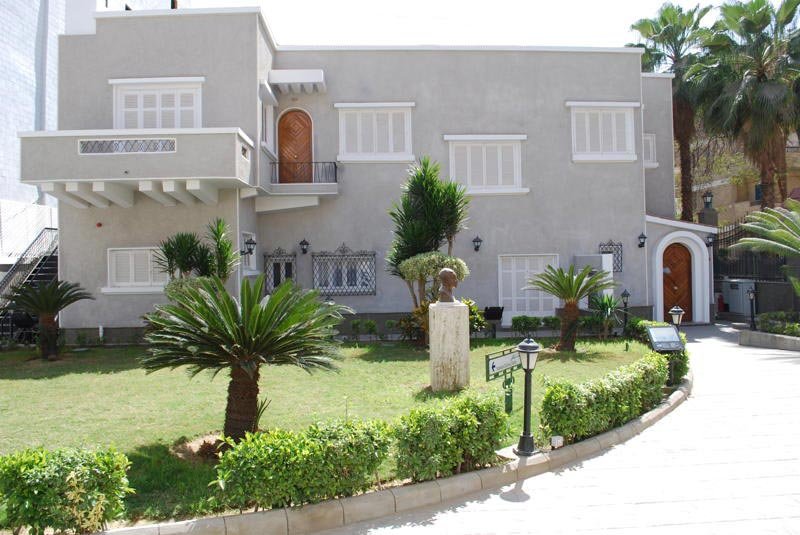
Nestled in the heart of Cairo, the Taha Hussein Museum stands as a beacon of cultural heritage, offering visitors an intimate glimpse into the life and works of one of Egypt's most influential literary figures. Taha Hussein, often referred to as the 'Dean of Arabic Literature,' was a pioneering writer and thinker who championed education, social justice, and intellectual freedom throughout the Arab world. His legacy is meticulously preserved within the walls of this museum, making it a pilgrimage site for scholars, literature enthusiasts, and curious travelers alike. The museum itself is housed in a grand villa originally constructed in 1930 and dedicated to Taha Hussein's memory in 1996 (Taha Hussein Museum Official Website). This comprehensive guide aims to provide potential visitors with all the necessary information to plan an enriching visit, from the museum's history and significance to practical details such as visiting hours, ticket prices, and nearby attractions.

A Legacy Preserved: History of the Taha Hussein Museum
The Taha Hussein Museum, nestled in the heart of Cairo, Egypt, stands as a testament to the life and works of one of the Arab world's most influential literary figures. More than just a museum, it is a pilgrimage for scholars, a source of inspiration for aspiring writers, and a window into the cultural and intellectual landscape of 20th-century Egypt.
Early Years: From Villa to National Treasure
The museum's story begins not with Taha Hussein himself, but with the building that houses his legacy. Constructed in 1930, the villa originally belonged to Princess Samiha, daughter of Sultan Hussein Kamel. The architectural style reflects the grandeur of its time, blending European influences with traditional Islamic design elements.
In 1952, a pivotal year in Egyptian history marked by the revolution, the villa was chosen to house the Ministry of Social Affairs. This decision reflected the new government's commitment to social welfare and reform, principles that resonated with Taha Hussein's own beliefs.
Honoring the "Dean of Arabic Literature"
Following Taha Hussein's death in 1973, the Egyptian government sought a fitting tribute to the man known as the "Dean of Arabic Literature." His immense contributions to Arabic literature, education, and cultural thought demanded a space where his legacy could be preserved and celebrated.
In 1995, the villa that once housed the Ministry of Social Affairs underwent a transformation. It was meticulously renovated and repurposed to become the Taha Hussein Museum, opening its doors to the public in 1996. The museum's inauguration marked a significant moment in Egyptian cultural history, solidifying Taha Hussein's place as a national icon.
The Significance of Taha Hussein and His Museum
The Taha Hussein Museum holds immense significance for Egypt and the wider Arab world, extending beyond its function as a repository of artifacts. It embodies the enduring impact of Taha Hussein's ideas and the importance of preserving cultural heritage for future generations.
A Beacon of Enlightenment and Social Justice
Taha Hussein was a staunch advocate for social justice, education, and the power of knowledge. Blinded at a young age, he faced immense challenges but persevered to become a leading scholar, challenging traditional thinking and advocating for a more enlightened society. His writings tackled sensitive social issues, questioned established norms, and championed the rights of the marginalized, particularly women and the poor.
The museum serves as a reminder of his unwavering commitment to these values. It stands as a symbol of resilience, intellectual curiosity, and the transformative power of education, inspiring visitors to embrace critical thinking and challenge societal injustices.
A Window into Egypt's Intellectual History
The museum offers a unique glimpse into the intellectual and cultural ferment of 20th-century Egypt. Taha Hussein's life and work were deeply intertwined with the major social and political transformations of his time, including the struggle for independence, the rise of nationalism, and the ongoing debate between tradition and modernity.
Through his personal belongings, manuscripts, and the extensive library housed within the museum, visitors can trace the evolution of his thought, his engagement with contemporary debates, and his profound influence on the development of modern Arabic literature. The museum thus becomes a valuable resource for understanding the complexities of Egypt's intellectual history and its impact on the Arab world.
Preserving Cultural Heritage for Future Generations
The Taha Hussein Museum plays a crucial role in preserving and promoting Egyptian cultural heritage. By showcasing the life and works of one of its most prominent figures, the museum ensures that his legacy continues to inspire and educate future generations.
Moreover, the museum actively engages with the community through various programs and initiatives. It hosts literary salons, seminars, and workshops, providing a platform for contemporary writers, scholars, and artists to engage with Taha Hussein's ideas and contribute to the ongoing dialogue on literature, culture, and society. In this way, the museum transcends its role as a static repository, becoming a dynamic center for cultural exchange and intellectual discourse.
Visitor Information
Visiting Hours
The Taha Hussein Museum is open to visitors from Sunday to Thursday, 9:00 AM to 4:00 PM. The museum is closed on Fridays and Saturdays, as well as on major public holidays.
Ticket Prices
- Adults: 50 EGP
- Students (with ID): 30 EGP
- Children (under 12): Free
How to Get There
The museum is located in the Giza district of Cairo. Visitors can reach the museum by taxi, ride-sharing services, or public transportation. The nearest metro station is Dokki, which is a short taxi ride away from the museum.
Nearby Attractions
While visiting the Taha Hussein Museum, consider exploring other nearby historical sites and attractions in Cairo:
- The Egyptian Museum
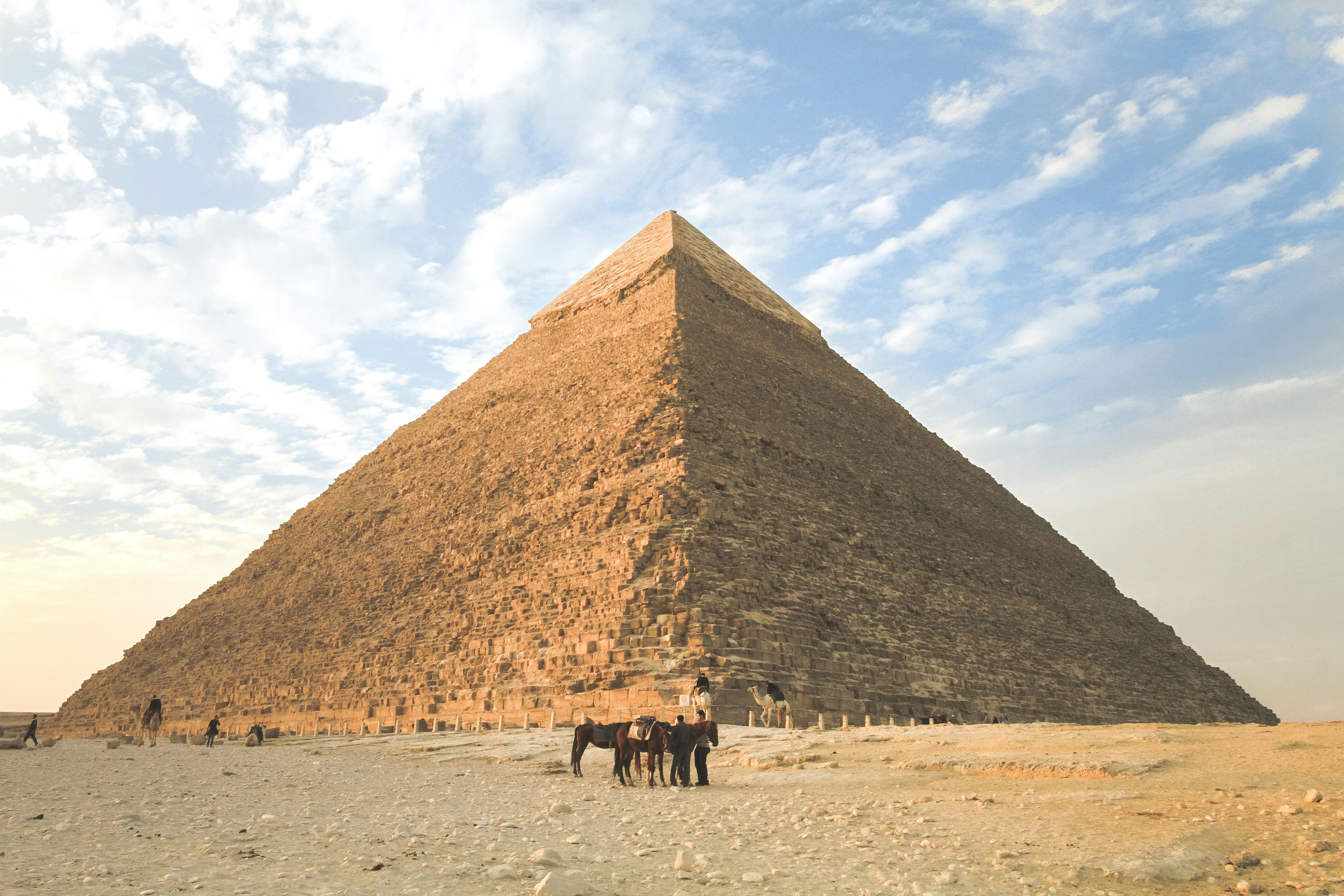
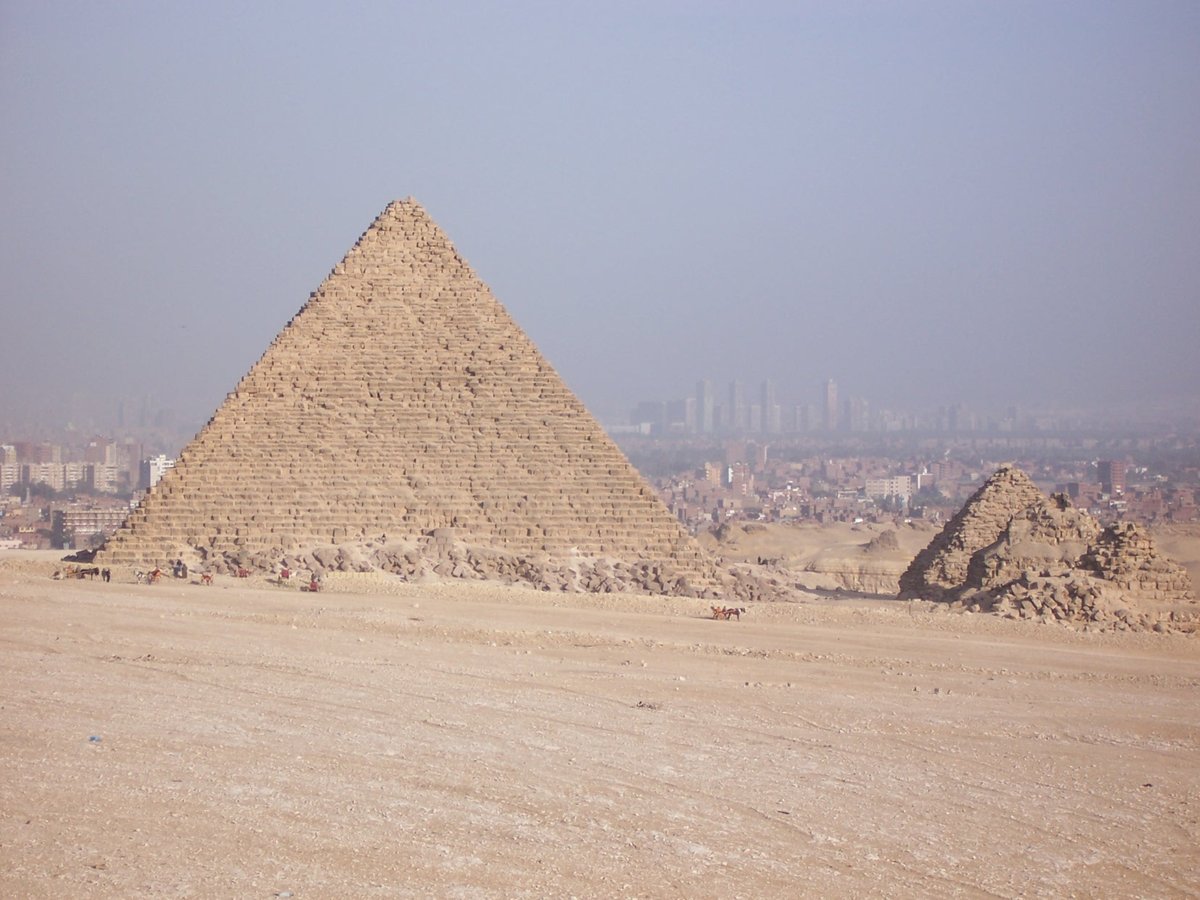
- The Pyramids of Giza
- Cairo Tower
- Al-Azhar Park
Special Events and Guided Tours
The museum offers guided tours that provide deeper insights into Taha Hussein's life and works. Special events, including literary salons, seminars, and workshops, are regularly hosted at the museum. Check the museum's official website or social media pages for the latest updates on events and tours.
Travel Tips
- Photography is allowed inside the museum, but flash photography is prohibited to protect the artifacts.
- Wear comfortable shoes as you may spend a considerable amount of time walking and exploring.
- Check the weather forecast and plan your visit accordingly, especially if you intend to explore outdoor attractions nearby.
FAQ
What are the visiting hours for the Taha Hussein Museum?
The museum is open from Sunday to Thursday, 9:00 AM to 4:00 PM, and closed on Fridays, Saturdays, and major public holidays.
How much are tickets to the Taha Hussein Museum?
Tickets are priced at 50 EGP for adults, 30 EGP for students with ID, and free for children under 12.
How can I get to the Taha Hussein Museum?
The museum is located in the Giza district of Cairo. You can reach it by taxi, ride-sharing services, or public transportation. The nearest metro station is Dokki.
Listen to the full story in the app
The whole Taha Hussein Museum,
told well.
Audio guides for 1,100+ cities across 96 countries. History, stories, and local insight — offline ready.
Verified, and shown.
Researched and written by the Audiala editorial team from historical records, architectural archives, and local expertise.
Researched from Wikidata, Wikipedia & official sources · fact-checked · How we make our guides →