A Legacy Preserved: History of the Taha Hussein Museum
The museum offers a window into the cultural and intellectual landscape of 20th-century Egypt and preserves the legacy of one of the Arab world’s most influential literary figures.
Early Years: From Villa to National Treasure
The villa was built in 1930 and originally belonged to Princess Samiha, daughter of Sultan Hussein Kamel. Its architecture combines European influences with traditional Islamic design elements.
In 1952, the year of the Egyptian revolution, the villa was chosen to house the Ministry of Social Affairs, reflecting the new government’s commitment to social welfare and reform—principles that resonated with Taha Hussein’s beliefs.
Honoring the "Dean of Arabic Literature"
After Taha Hussein’s death in 1973, the Egyptian government sought to create a fitting tribute to his contributions to Arabic literature, education, and cultural thought. In 1995, the former Ministry of Social Affairs building was renovated and repurposed as a museum. It opened to the public in 1996.
The Significance of Taha Hussein and His Museum
A Beacon of Enlightenment and Social Justice
Taha Hussein advocated for social justice, education, and the power of knowledge. Blinded at a young age, he overcame immense challenges to become a leading scholar. He challenged traditional thinking, wrote about sensitive social issues, questioned established norms, and championed the rights of marginalized people, particularly women and the poor.
The museum recalls his commitment to these values and his belief in resilience, intellectual curiosity, and the transformative power of education.
A Window into Egypt's Intellectual History
Taha Hussein’s life and work were intertwined with major social and political changes, including the struggle for independence, the rise of nationalism, and debates between tradition and modernity. The museum’s personal belongings, manuscripts, and extensive library offer insight into the development of his ideas, his engagement with contemporary debates, and his influence on modern Arabic literature.
Preserving Cultural Heritage for Future Generations
The museum preserves and promotes Egyptian cultural heritage while keeping Taha Hussein’s legacy available to future generations. It also hosts literary salons, seminars, and workshops, bringing contemporary writers, scholars, and artists into conversation with his ideas and with ongoing discussions about literature, culture, and society.
Visitor Information
Visiting Hours
The museum is open Sunday to Thursday, 9:00 AM to 4:00 PM. It is closed on Fridays, Saturdays, and major public holidays.
Ticket Prices
- Adults: 50 EGP
- Students (with ID): 30 EGP
- Children (under 12): Free
How to Get There
The museum is in the Giza district of Cairo. Visitors can get there by taxi, ride-sharing services, or public transportation. The nearest metro station is Dokki, a short taxi ride from the museum.
Special Events and Guided Tours
The museum offers guided tours about Taha Hussein’s life and work. Literary salons, seminars, and workshops are also regularly hosted there. Check the museum’s official website or social media pages for updates on events and tours.
Travel Tips
- Photography is allowed inside the museum, but flash photography is prohibited to protect the artifacts.
- Wear comfortable shoes, as you may spend considerable time walking and exploring.
- Check the weather forecast and plan accordingly, especially if you intend to visit outdoor attractions nearby.
Nearby Attractions
Nearby historical sites and attractions in Cairo include:
- The Egyptian Museum
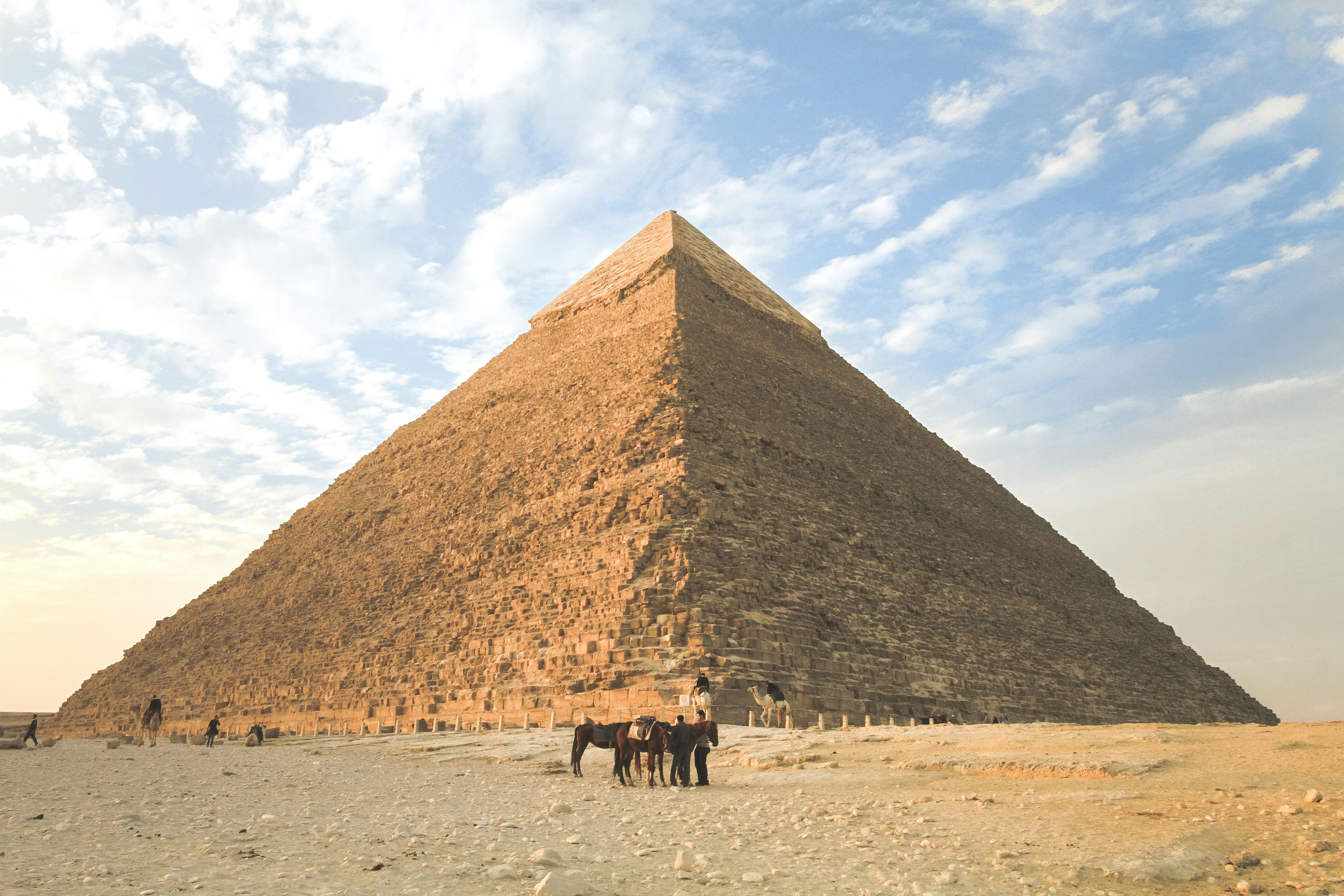
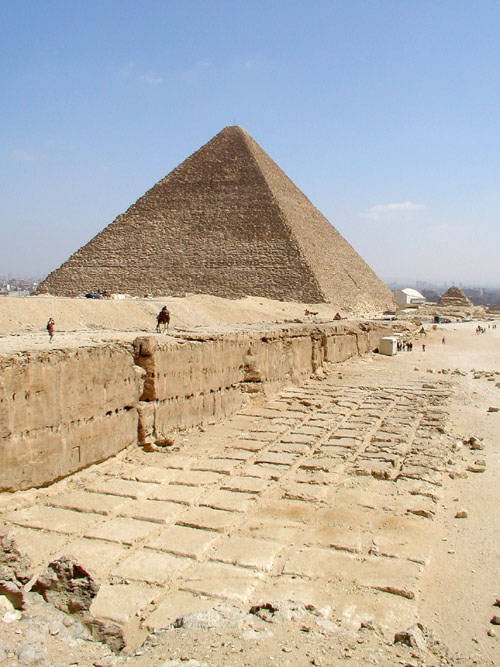
- The Pyramids of Giza
- Cairo Tower
- Al-Azhar Park
FAQ
What are the visiting hours for the Taha Hussein Museum?
See the Visiting Hours section above for the opening hours and closure days.
How much are tickets to the Taha Hussein Museum?
See the Ticket Prices section above for adult, student, and child prices.
How can I get to the Taha Hussein Museum?
See How to Get There above for the location and transportation options.