Plan and listen to Statue Of Ramesses Ii with Audiala.
Audio guide in your pocket, itinerary in your browser. Built for the way you actually visit.
Introduction
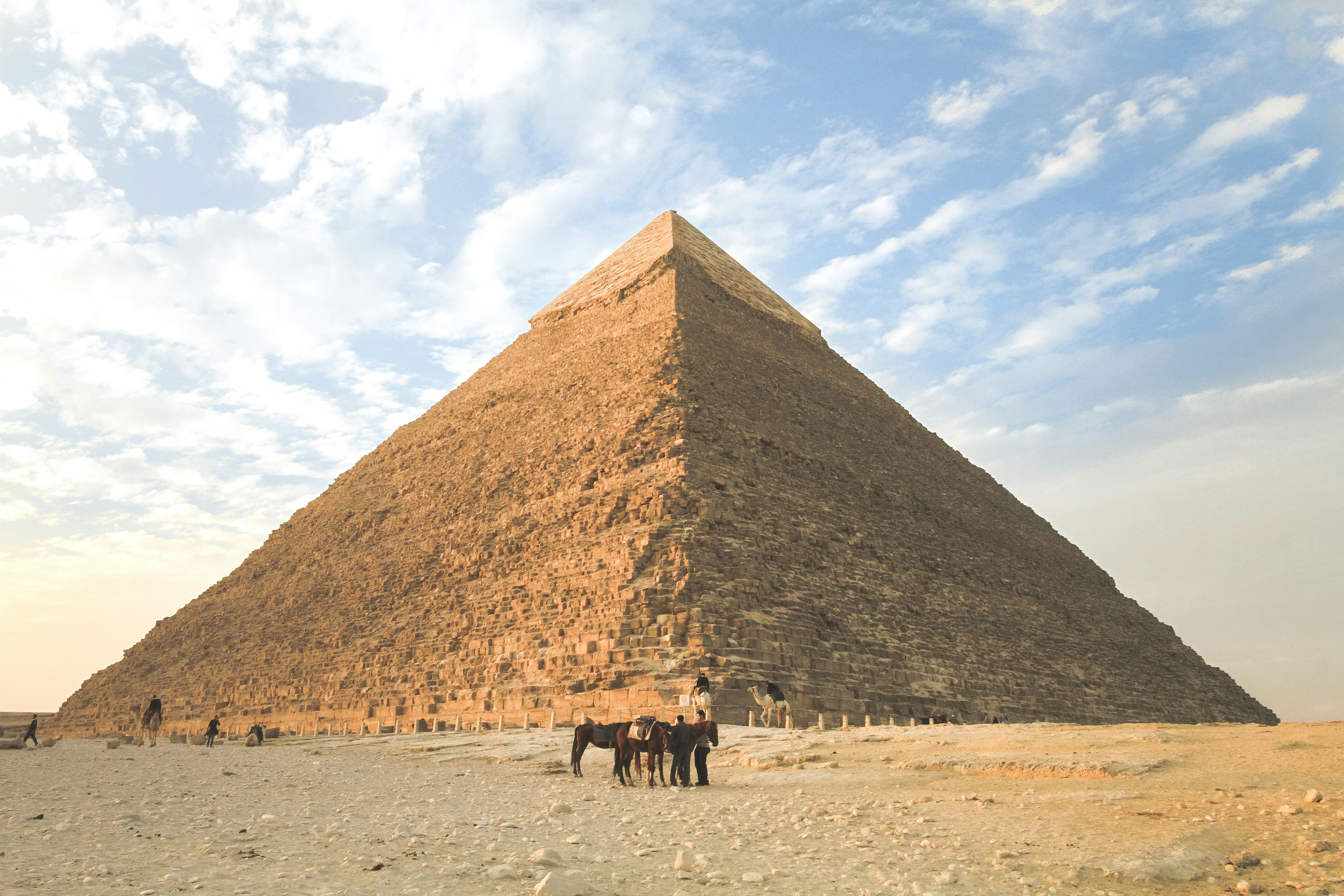
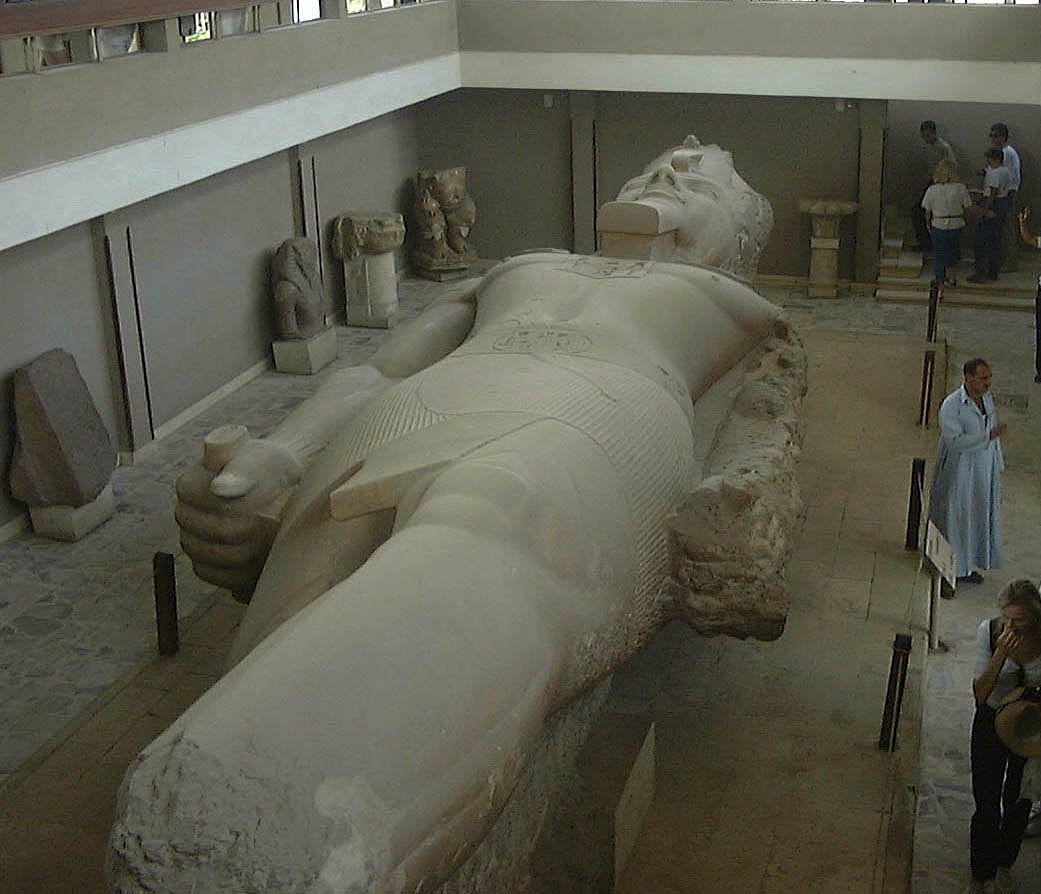
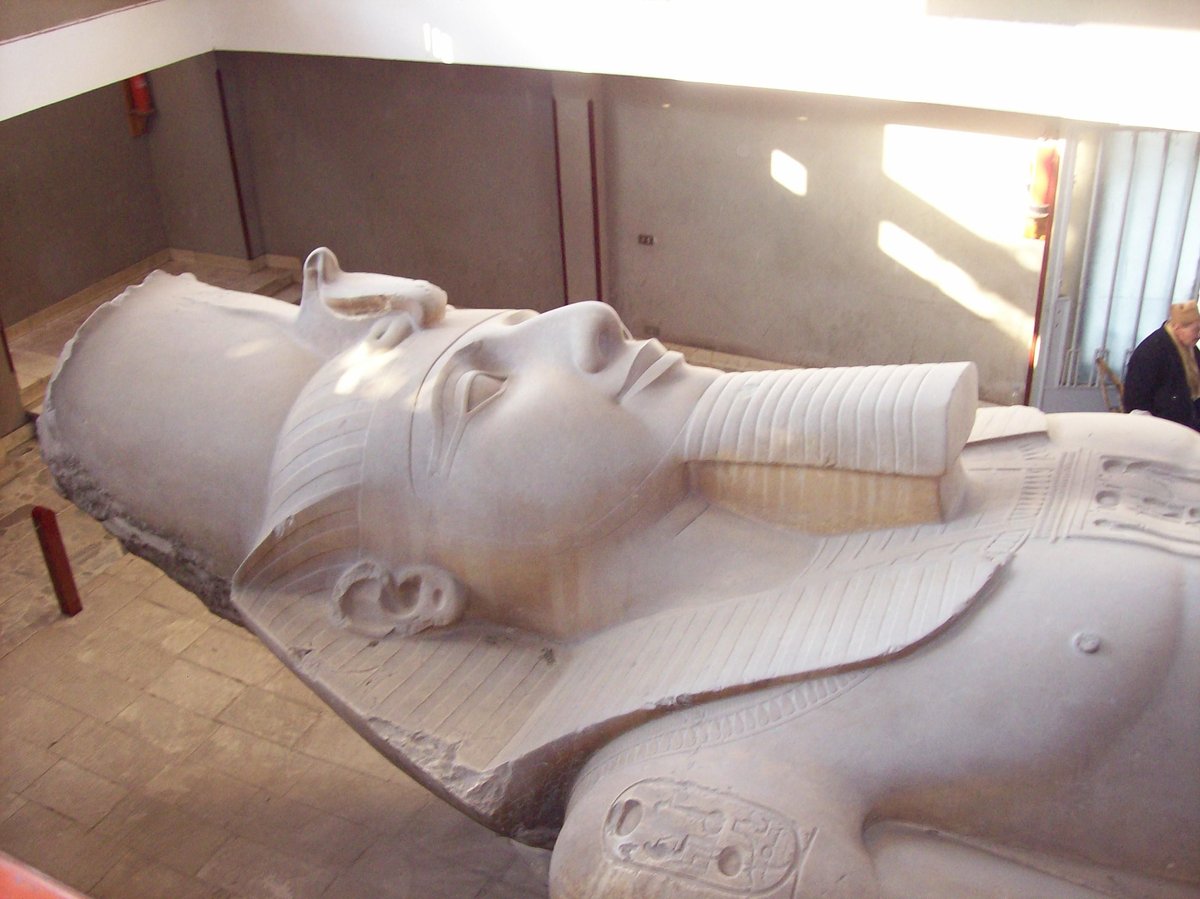
The Statue of Ramesses II stands as a monumental testament to ancient Egypt’s grandeur and the enduring legacy of one of its greatest pharaohs. Carved from a single block of red granite and towering approximately 11 meters (36 feet) tall, this colossal statue embodies the artistic mastery and religious symbolism of the New Kingdom era. Originally commissioned during Ramesses II’s reign (1279–1213 BCE), the statue served as both royal propaganda—asserting the pharaoh’s divine kingship and military prowess—and as a vessel for the pharaoh’s ka, or spiritual life force. Today, it greets visitors at the entrance of the Grand Egyptian Museum (GEM) in Giza, near the iconic Pyramids of Giza, symbolizing the bridge between Egypt’s ancient past and its modern commitment to cultural preservation (thebrainchamber.com; DailyArt Magazine; historicaleve.com; Arab Contractors).
This guide provides essential information for planning your visit, including practical details on visiting hours, ticketing, accessibility, and guided tours, as well as insights into the statue’s history, artistic significance, and nearby historical attractions (The National News; Cosmic Log).

Historical Context: Ramesses II and His Statues
Ramesses II, also known as Ramesses the Great, was the third pharaoh of Egypt’s Nineteenth Dynasty, ruling from 1279–1213 BCE. His reign—over 66 years—marked a golden age characterized by military power, monumental construction, and cultural prosperity (thebrainchamber.com). Statues of Ramesses II were placed at prominent sites like Luxor, Karnak, Abu Simbel, and Memphis, serving both religious functions and as tools of royal propaganda to emphasize the pharaoh’s divine authority and omnipresence.
Artistic and Cultural Significance
Sculptural Features:
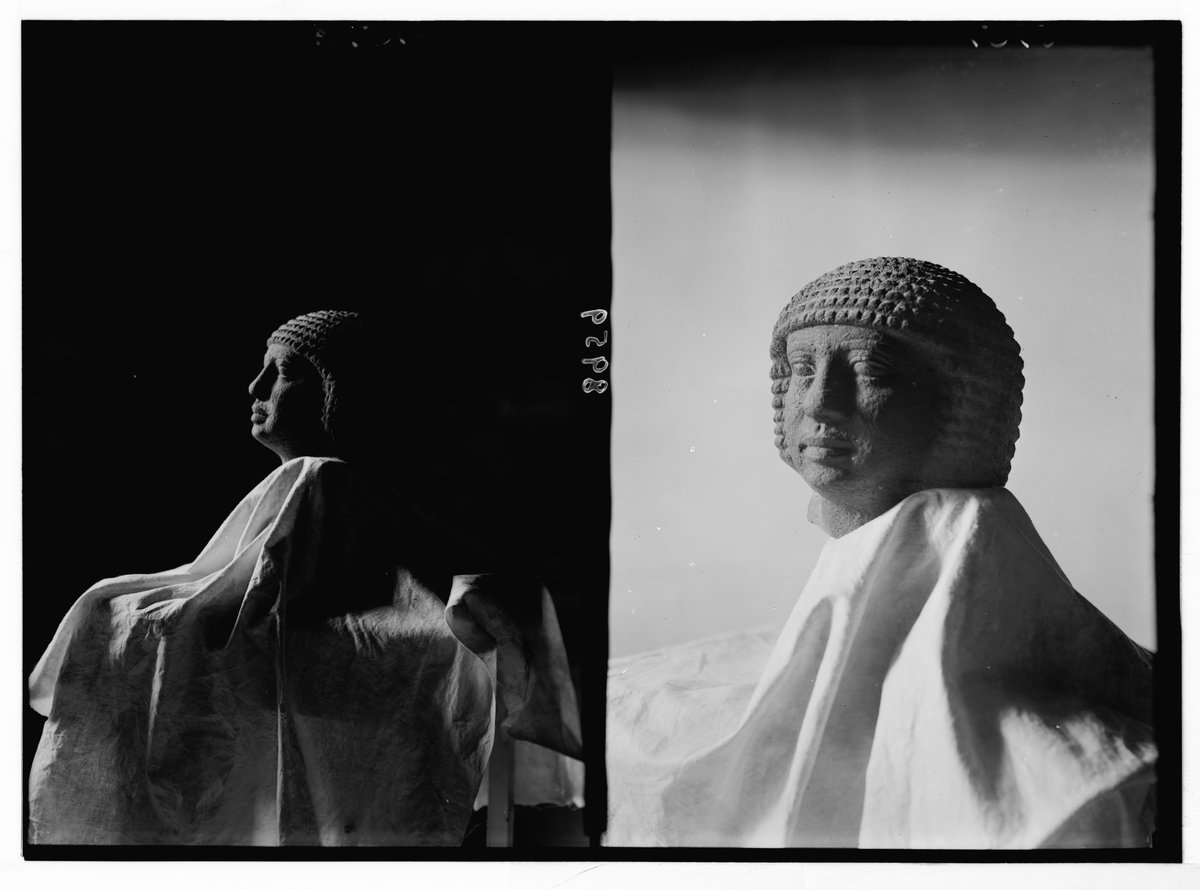
The Giza statue, quarried from Aswan’s red granite, stands 11.36 meters (37 feet) tall and weighs approximately 83 tons (Arab Contractors). The pharaoh is depicted in a classic pose, wearing the nemes headdress with the uraeus (cobra), a broad collar, and holding a scepter. His idealized features signify youth, strength, and divinity.
Symbolism:
Beneath the sandals are the “Nine Bows,” symbolizing Egypt’s traditional enemies and the king’s dominance. The statue’s rigid, frontal composition is intentional, designed for viewing from four fixed angles, emphasizing the eternal nature of royal authority (DailyArt Magazine).
Religious Role:
Statues like this were considered vessels for the pharaoh’s ka, making them central to religious rituals (Horizon Travel Egypt). The iconography reinforces the notion of Ramesses II as both ruler and divine intermediary.
Political Propaganda and Legacy:
The statue is part of a broader program to immortalize Ramesses II’s reign, with similar monuments across Egypt, most famously at Abu Simbel and Luxor (History Egypt).
Journey, Relocation, and Conservation
Discovery and Early Placement:
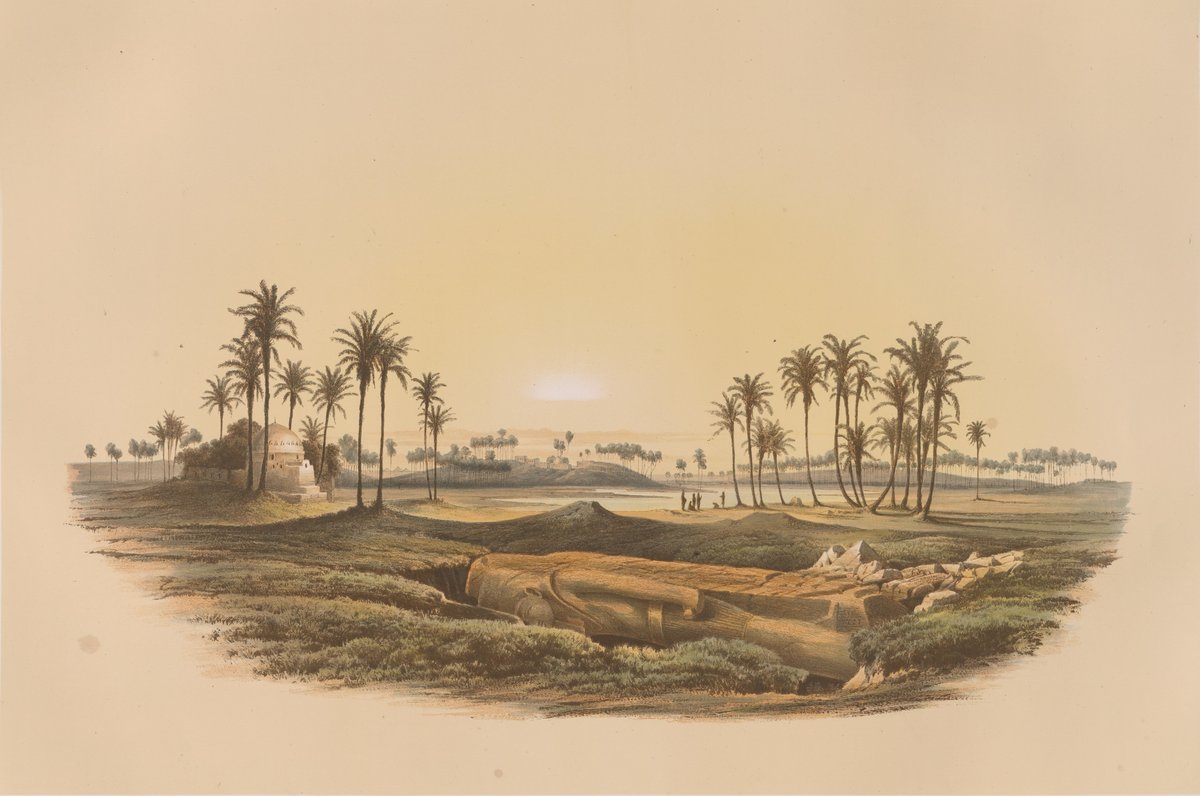
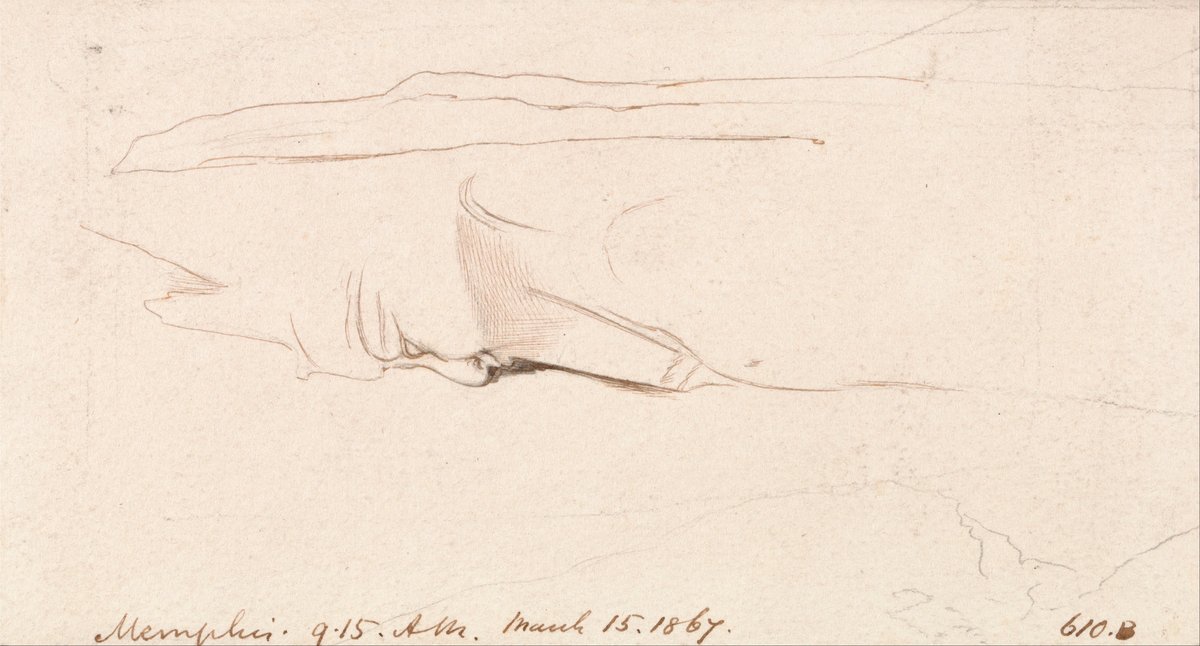
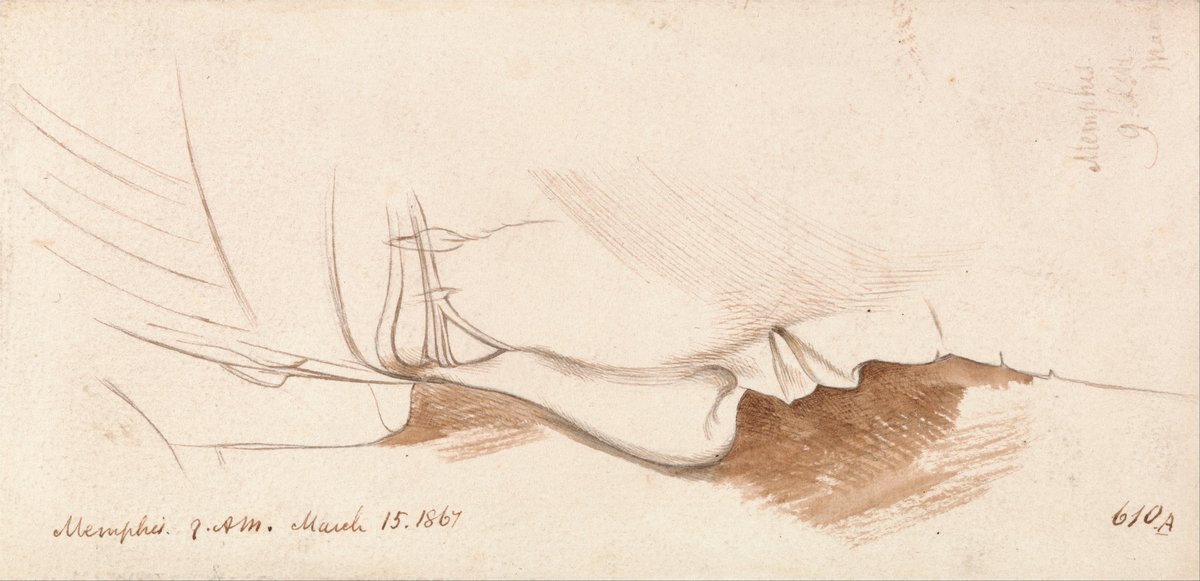
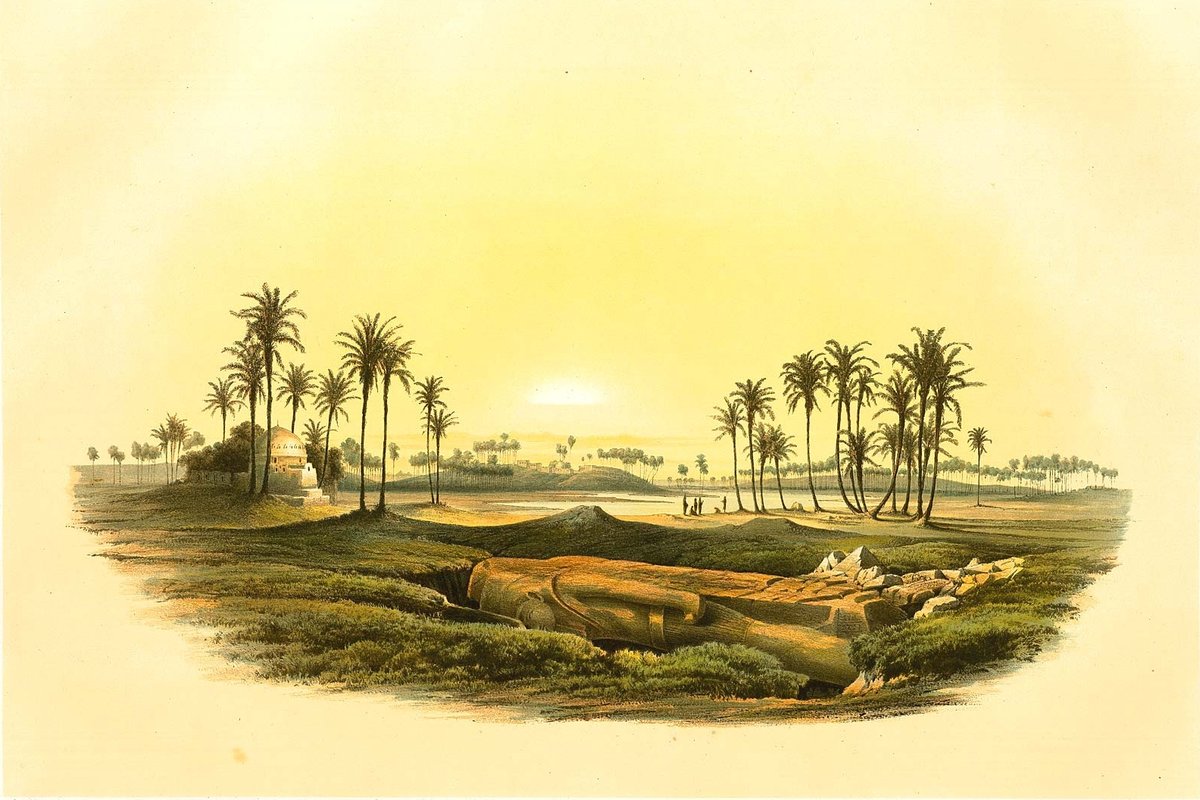
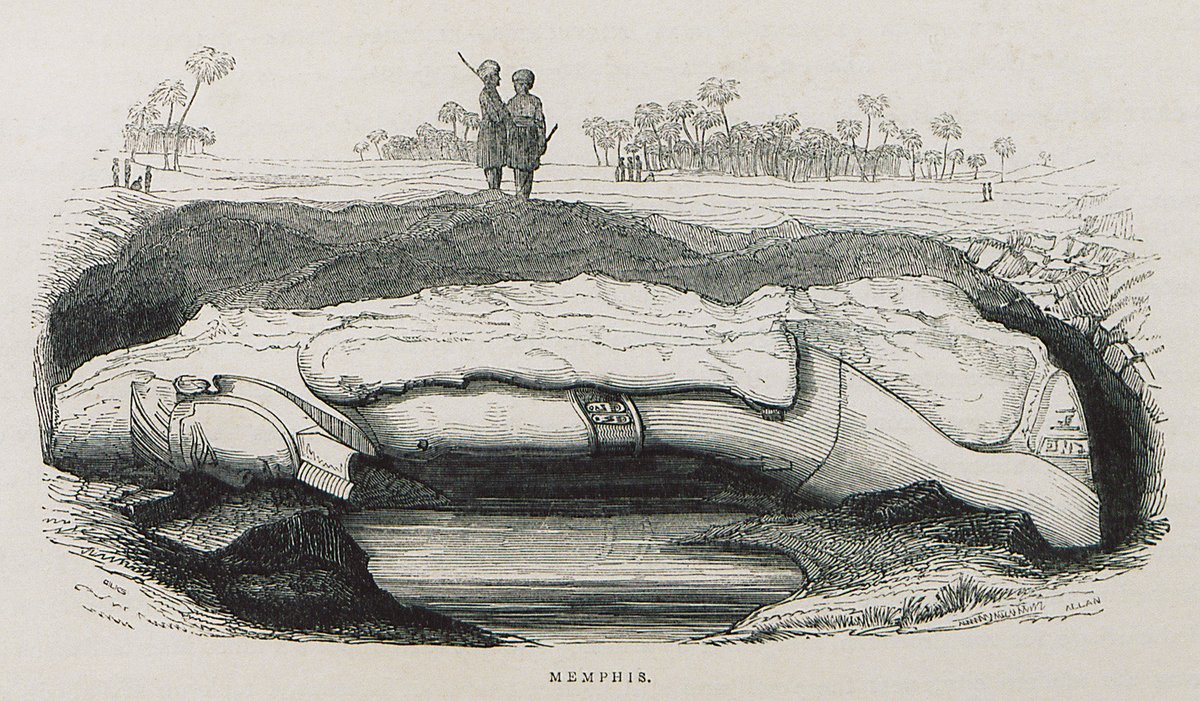
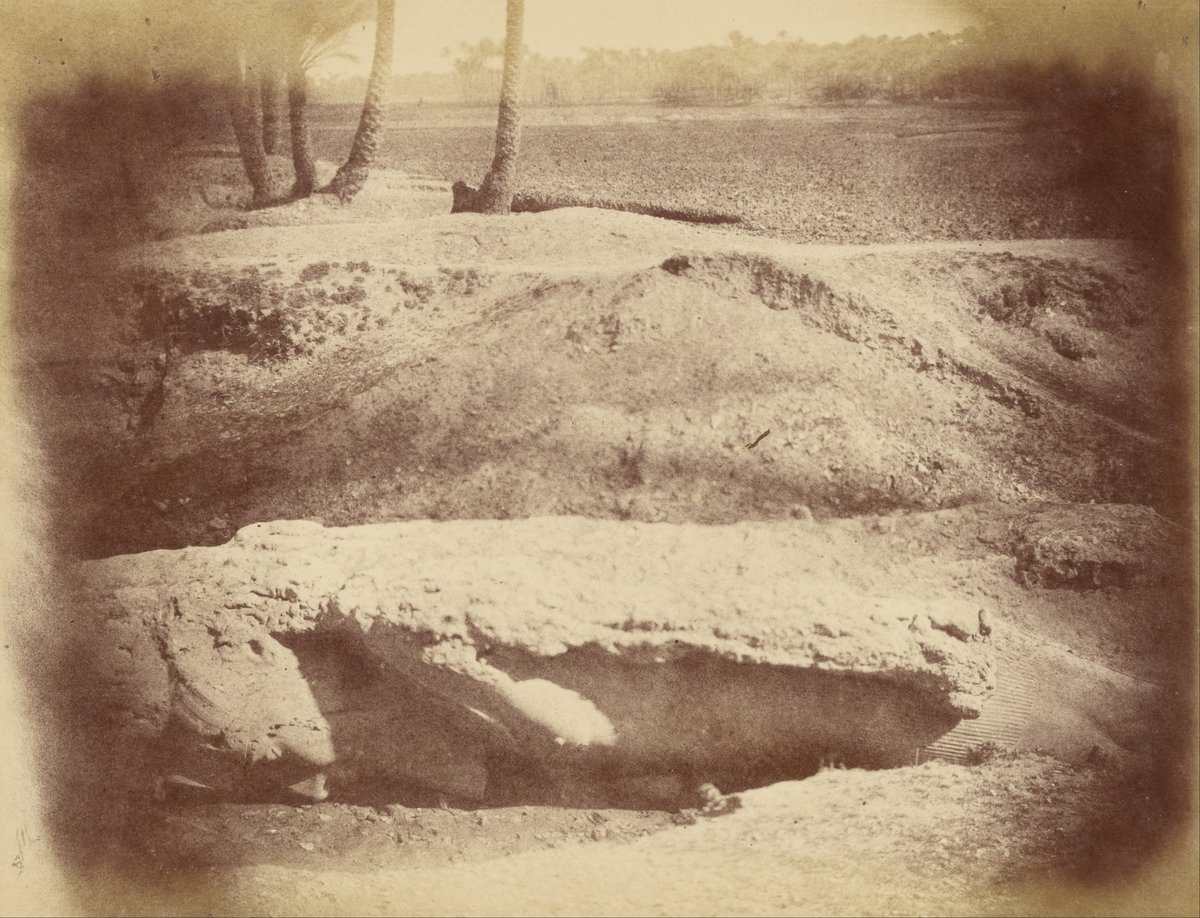
Discovered in 1820 near ancient Memphis, the statue originally stood in the Temple of Ptah (historicaleve.com). In the 1950s, it was moved to Ramses Square in Cairo, standing as a city landmark for over five decades.
Relocation to Giza:
Urban pollution and vibrations from traffic threatened the statue’s preservation, prompting its move to the GEM in 2006. The statue was carefully disassembled, transported, and reassembled on a reinforced base, benefiting from modern conservation techniques (Arab Contractors; theartnewspaper.com; ScienceDirect).
Ongoing Conservation:
The GEM’s controlled environment protects the statue from environmental hazards. Conservation teams use advanced monitoring and non-invasive techniques to ensure its continued stability and preservation.
Visitor Information
Location and Getting There
The Grand Egyptian Museum is located about 2 kilometers from the Pyramids of Giza and is accessible by taxi, ride-sharing services, or organized tours from central Cairo. The site provides ample parking and visitor amenities.
Visiting Hours
- GEM & Statue Access: Daily, 9:00 AM – 7:00 PM (last entry at 6:00 PM)
- Seasonal Changes: Check the official GEM website for holiday hours or special closures.
Tickets
- Standard Admission:
240 EGP ($15 USD) for adults; discounts for students, children, and groups. - Purchase Options: Online via the GEM website or at museum ticket counters.
- Guided Tours: Available in multiple languages, with audio guides and professional guides offering in-depth commentary.
Accessibility
- Wheelchair access throughout the museum and statue area.
- Ramps, elevators, accessible restrooms, and staff assistance available.
Visitor Tips
- Arrive early or late to avoid crowds and midday heat.
- Bring sun protection; the statue is displayed outdoors.
- Photography is allowed for personal use (flash and tripods may be restricted).
- Combine your visit with the pyramids, Sphinx, and other nearby sites for a full historical experience.
Museum Architecture and Layout
Design:
The GEM’s architecture draws inspiration from the pyramids, with a triangular façade and light-filled atrium (Cosmic Log). The entrance features a “hanging obelisk,” with Ramesses II’s name carved underneath—visible to the public for the first time.
Grand Hall:
The statue of Ramesses II dominates the Grand Hall, illuminated by natural light. Notably, twice a year (the pharaoh’s birthday and coronation day), the rising sun aligns to illuminate the statue’s face—a modern homage to ancient solar alignments (Her Asian Adventures).
Museum Layout:
- Grand Staircase: Flanked by over 60 statues and artifacts, offering views of the pyramids through a glass wall.
- Main Galleries: Chronologically arranged, with over 100,000 artifacts telling the story of Egypt from prehistory to the Greco-Roman period.
- Children’s Museum: Interactive exhibits for ages 6–12.
- Amenities: Cafes, restaurants, gift shops, library, and study rooms.
Nearby Attractions
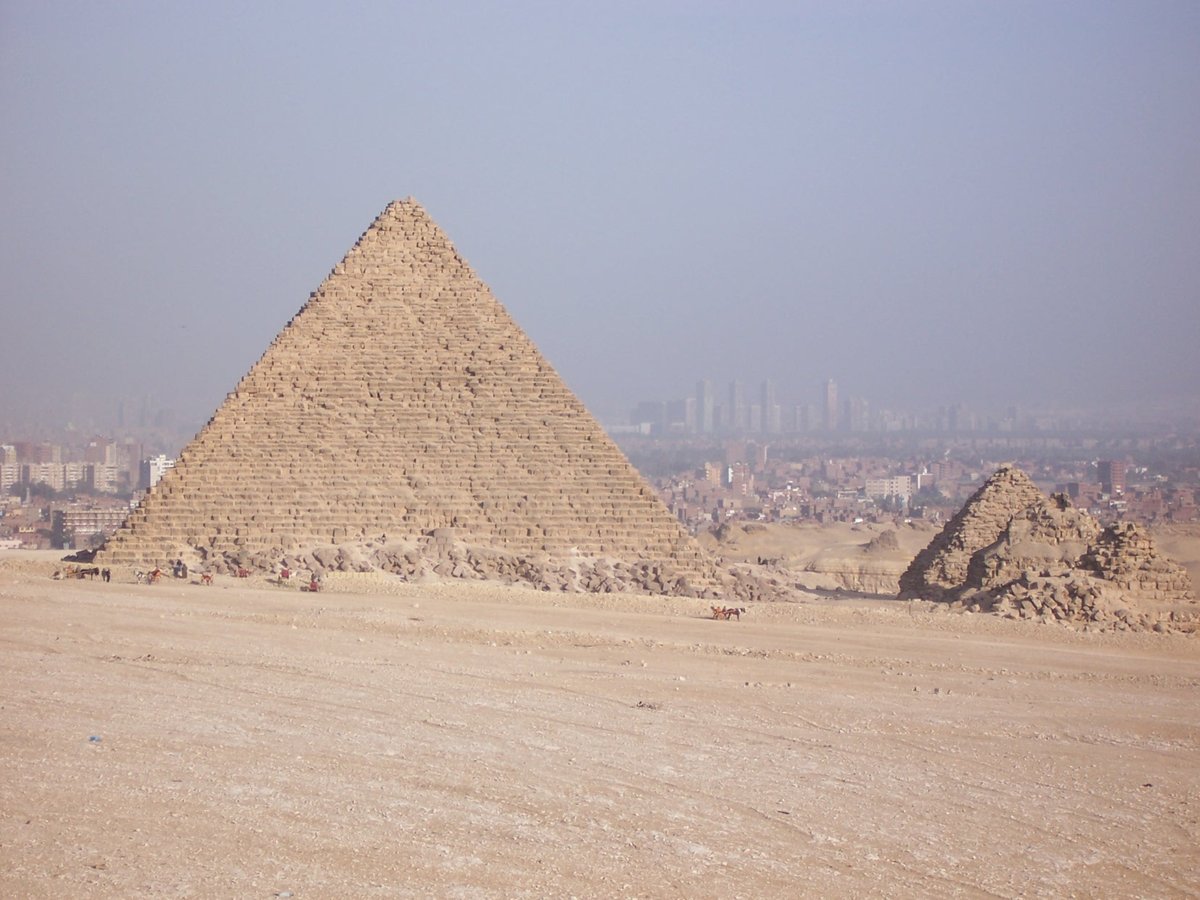
- Giza Pyramids and Sphinx: 2 km from the GEM.
- Solar Boat Museum: Adjacent to the pyramids.
- Saqqara Pyramid Complex: 30 minutes away, home to the Step Pyramid.
- Egyptian Museum (Tahrir Square): In downtown Cairo.
- Khan El Khalili Bazaar: Historic market for shopping and cultural experiences.
Frequently Asked Questions (FAQ)
Q: What are the Statue of Ramesses II visiting hours?
A: Daily, 9:00 AM to 7:00 PM (last entry at 6:00 PM).
Q: How do I buy tickets?
A: Online through the GEM’s official website or at the museum entrance.
Q: Is the site wheelchair accessible?
A: Yes, the museum and statue area are fully accessible.
Q: Are guided tours available?
A: Yes, in multiple languages—book in advance for the best experience.
Q: What other historical sites can I visit nearby?
A: The Pyramids of Giza, Sphinx, Solar Boat Museum, Saqqara, and more.
Q: Are photography and videos allowed?
A: Yes, for personal use (restrictions apply for flash and commercial equipment).
Summary and Travel Tips
The Statue of Ramesses II is not only an extraordinary work of ancient art but also a profound symbol of Egypt’s historical and cultural identity. Its preservation at the GEM reflects Egypt’s commitment to safeguarding its heritage. To enhance your visit:
- Book tickets in advance.
- Visit early or late for the best light and fewer crowds.
- Take advantage of guided tours for deeper insight.
- Explore adjacent sites for a comprehensive historical experience (theartnewspaper.com; National Geographic; Her Asian Adventures; The Tourist Checklist).
Listen to the full story in the app
The whole Statue Of Ramesses Ii,
told well.
Audio guides for 1,100+ cities across 96 countries. History, stories, and local insight — offline ready.
Verified, and shown.
Researched and written by the Audiala editorial team from historical records, architectural archives, and local expertise.
Researched from Wikidata, Wikipedia & official sources · fact-checked · How we make our guides →