

Esna: History, Sites, and Visitor Information
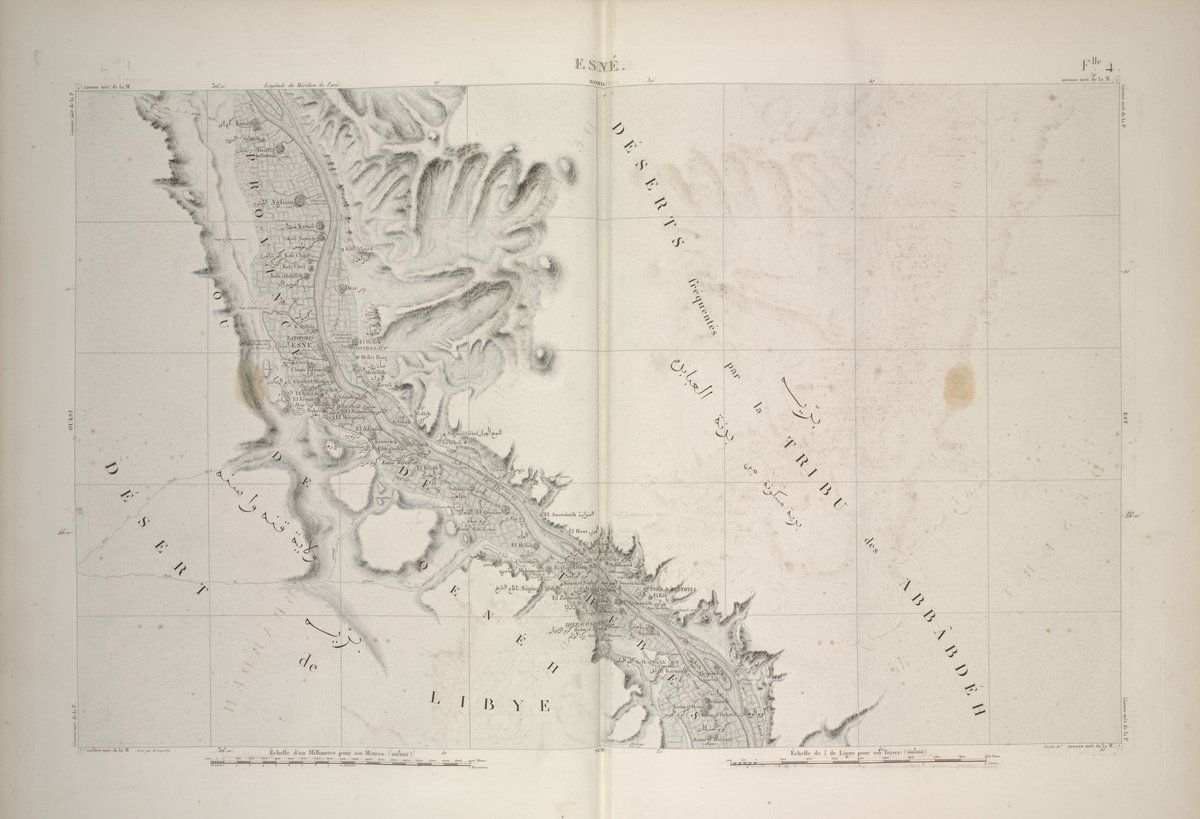
Esna is a historic city on the west bank of the Nile, about 60 kilometers south of Luxor. It is best known for the Temple of Khnum and for its lively markets, historic quarters, caravanserais, and religious heritage. The city’s history spans the Middle Kingdom, Ptolemaic and Roman rule, and medieval, Ottoman, Coptic, and Islamic eras.
In ancient times, Esna was known as Senat and later as Latopolis. Its Nile location helped make it a religious and trading hub. The city was associated with Khnum, the ram-headed god of creation and the Nile’s inundation, and with the Nile perch fish (exploreluxor.org, vikingrivercruises.com).
History and Cultural Heritage
Esna was inhabited from the Middle Kingdom (c. 2055–1650 BCE). It flourished as a religious, trading, and administrative center, particularly during the Ptolemaic and Roman periods (tripsinegypt.com).
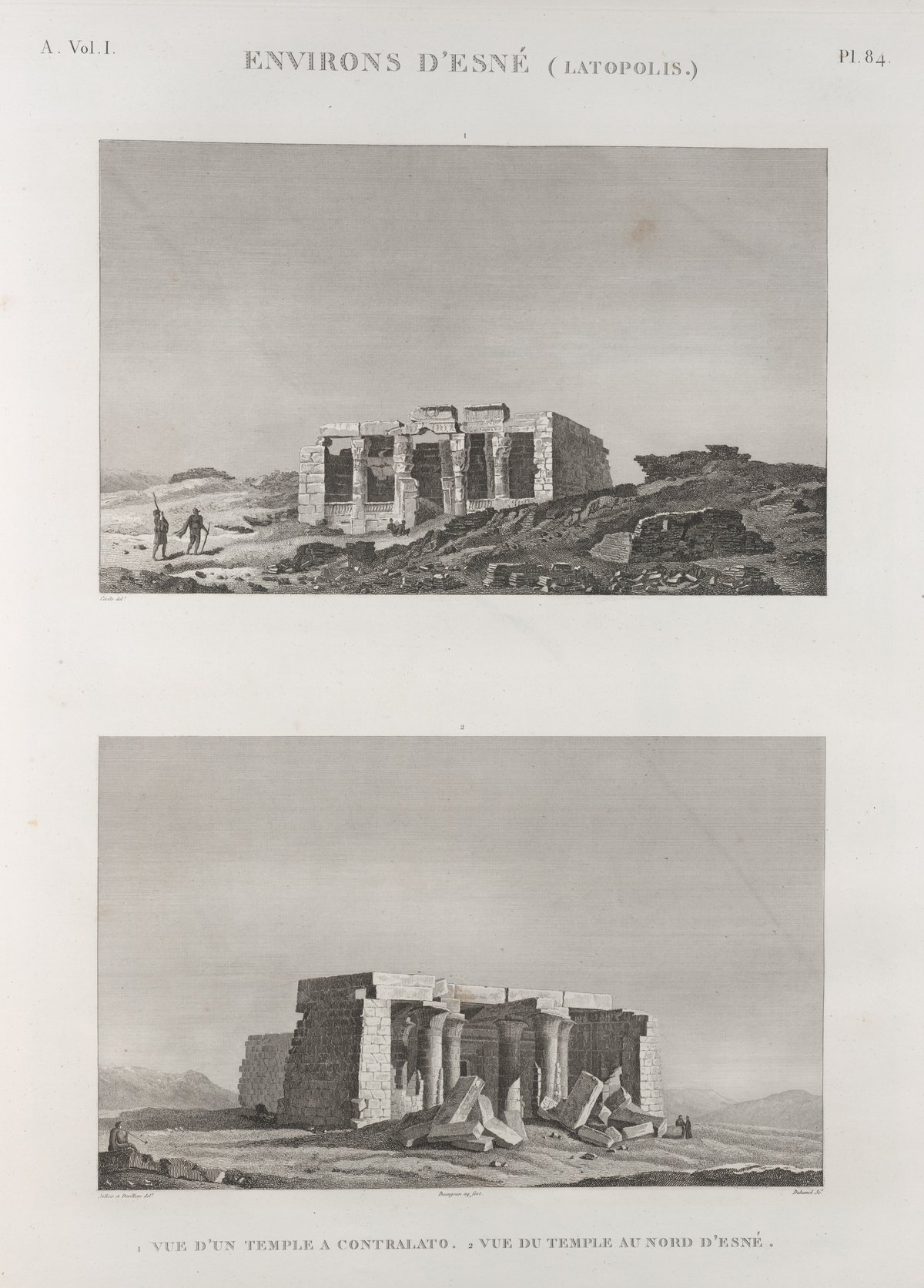
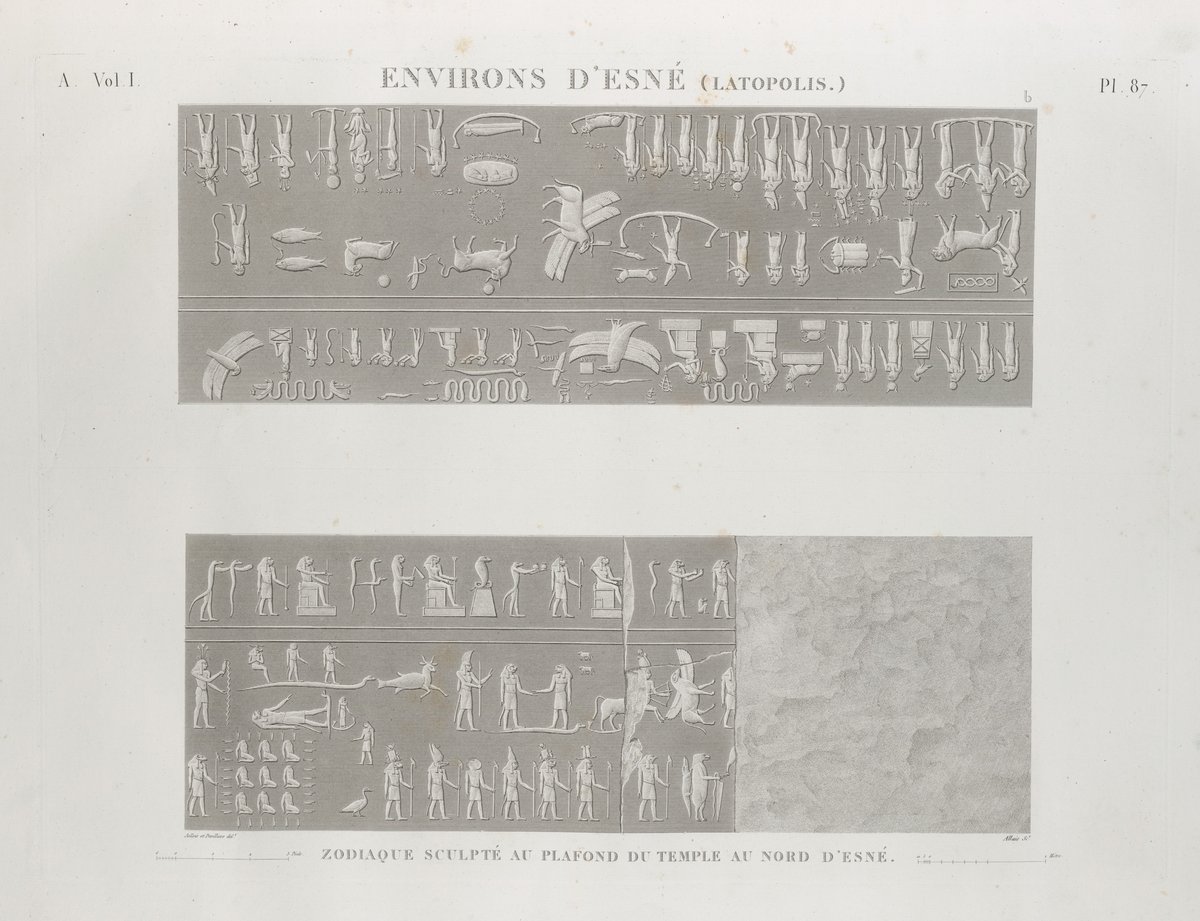
The Temple of Khnum was begun under the Ptolemies (c. 332–30 BCE), expanded under Roman rule, and built between the 3rd century BCE and the 3rd century CE. It stands atop earlier religious structures and is dedicated to Khnum, Neith, and Heka. Its architecture and reliefs combine Egyptian, Greek, and Roman traditions (nilecruisebooking.com, egypt-uncovered.com, Touring in Egypt, Egipto Exclusivo).
Esna’s later heritage includes medieval crafts quarters, the Ottoman-era Wekalet Al-Geddawy caravanserai, the 6th-century Coptic Martyrs’ Monastery, and the Fatimid-era El-Amry Minaret (exploreluxor.org). The Temple of Khnum’s reliefs include Roman emperors honoring Egyptian gods. Festivals tied to the Nile’s inundation continue to inspire modern celebrations (vikingrivercruises.com).
What to See
Temple of Khnum
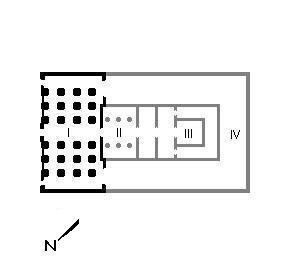
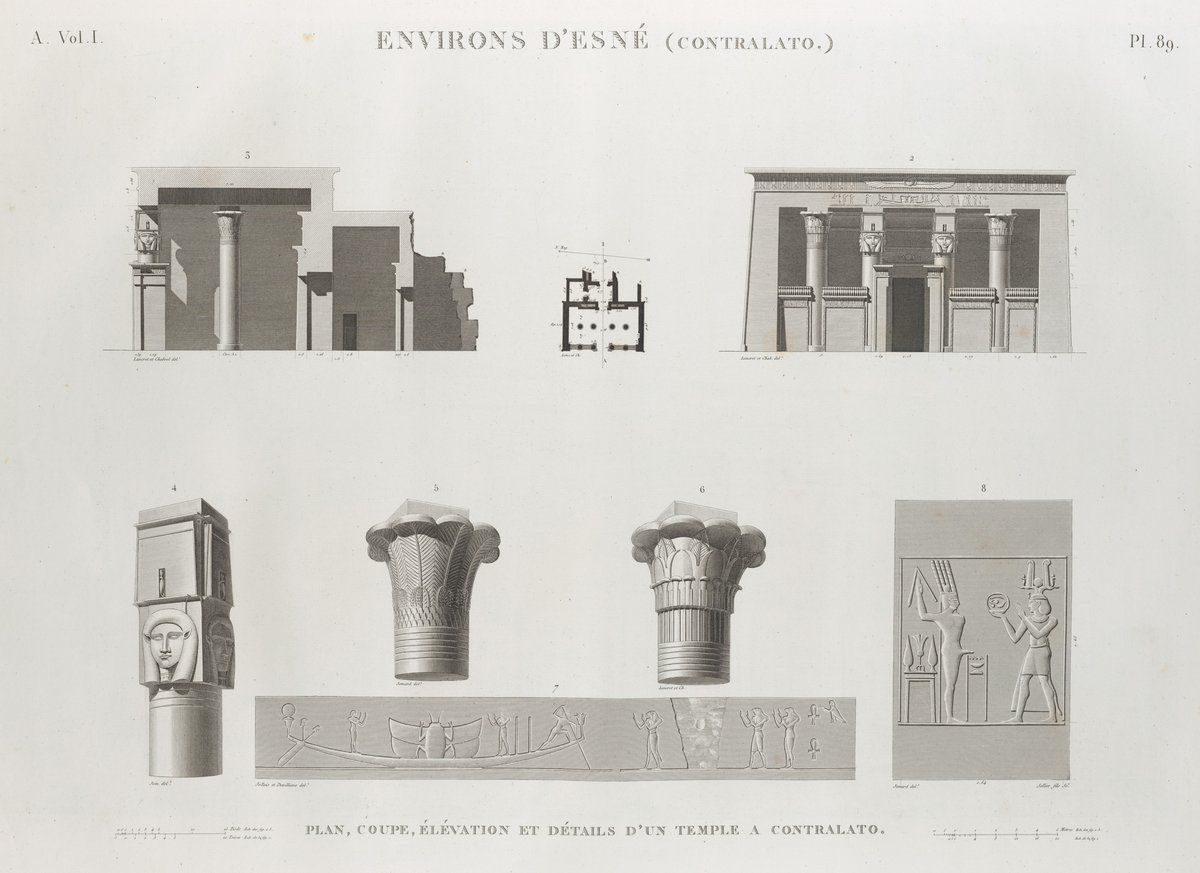
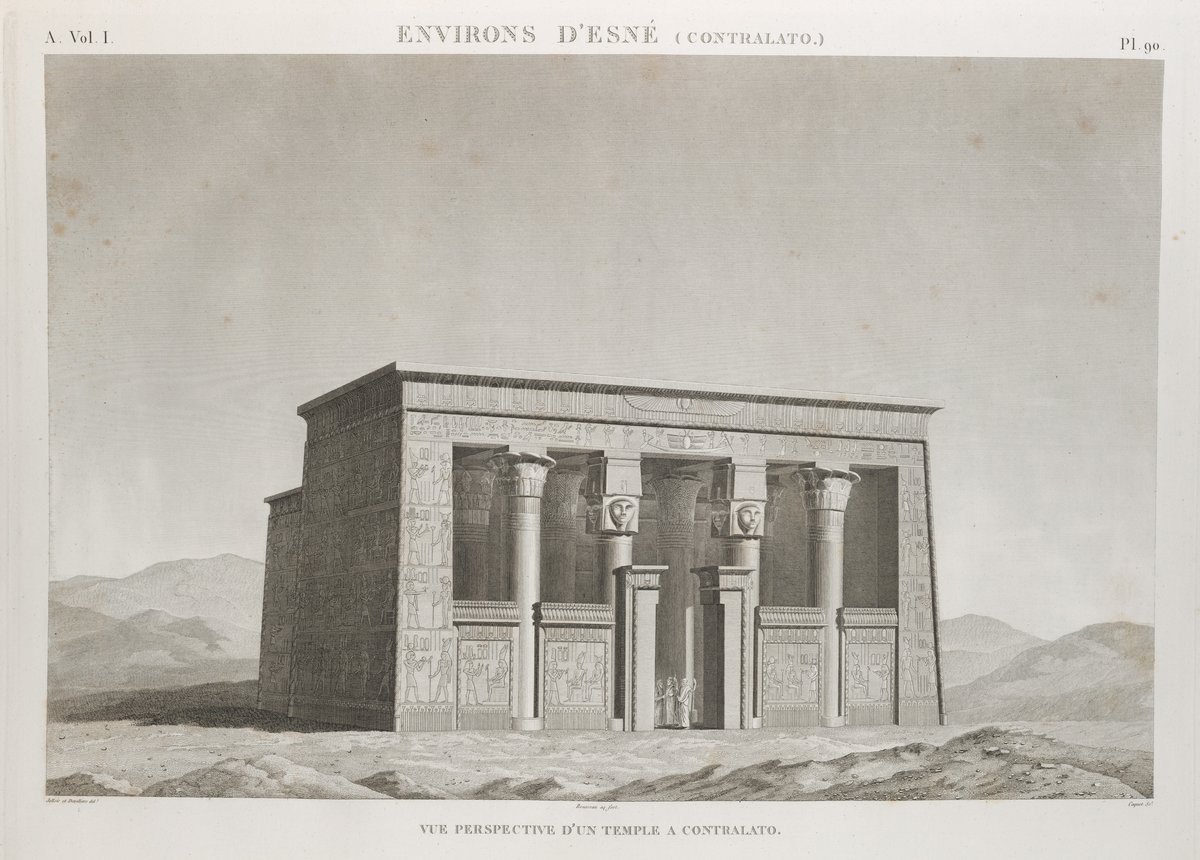
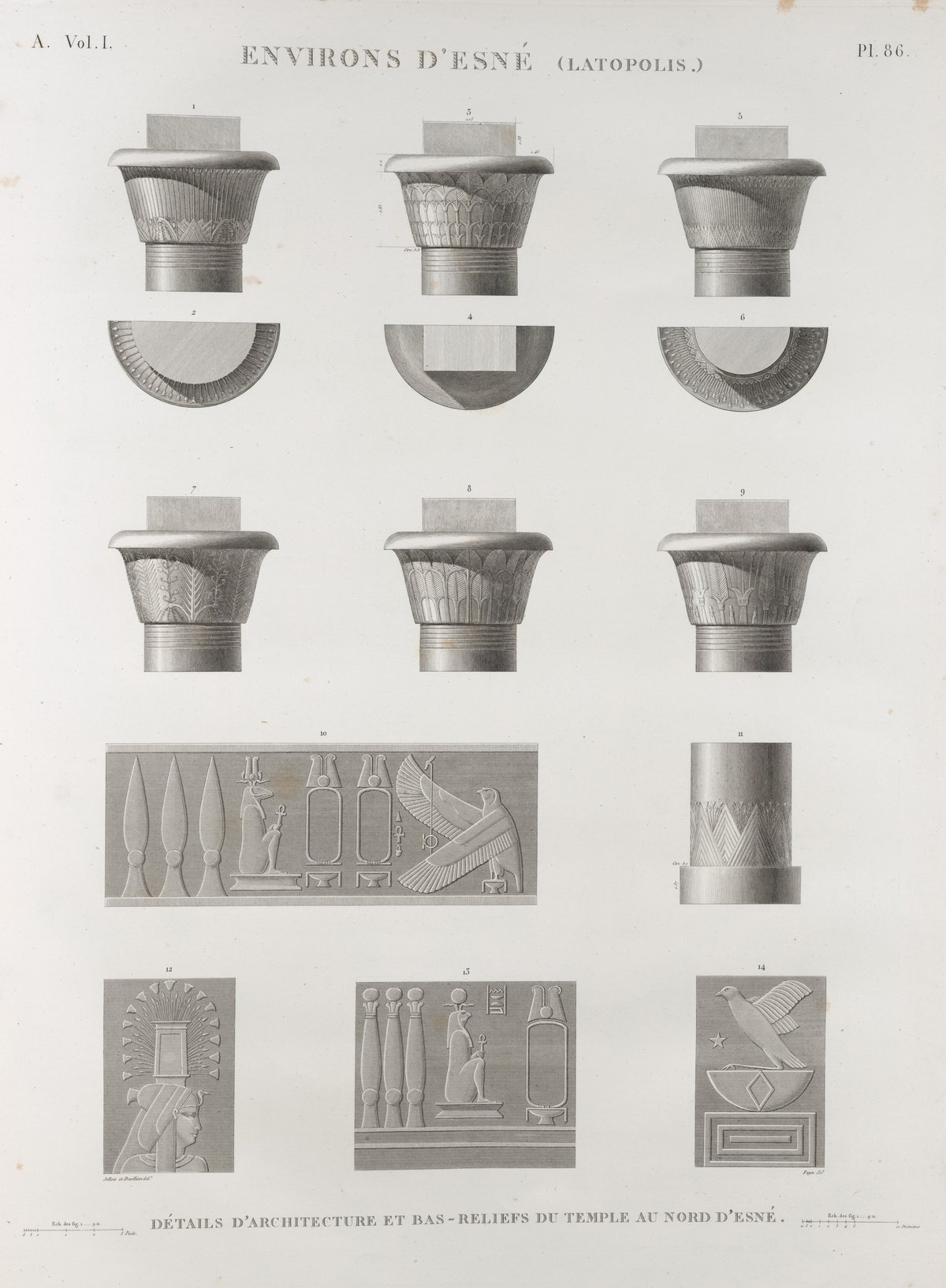
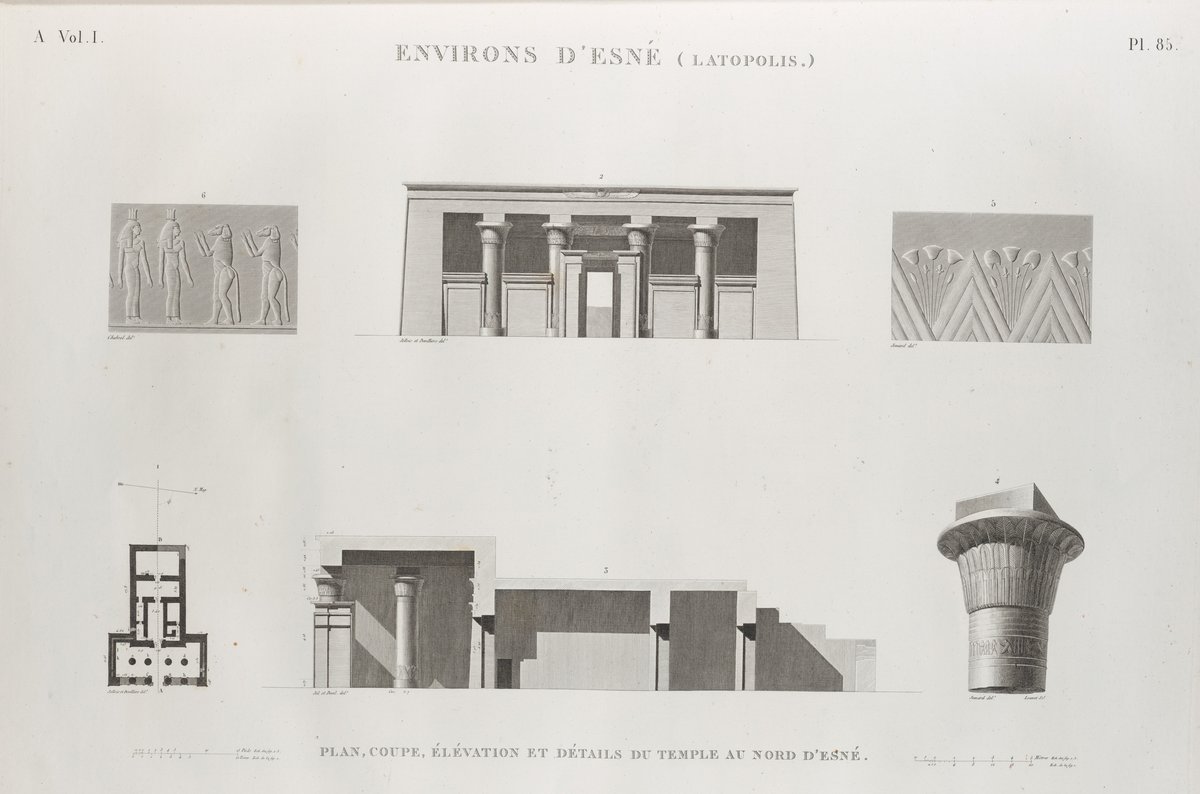
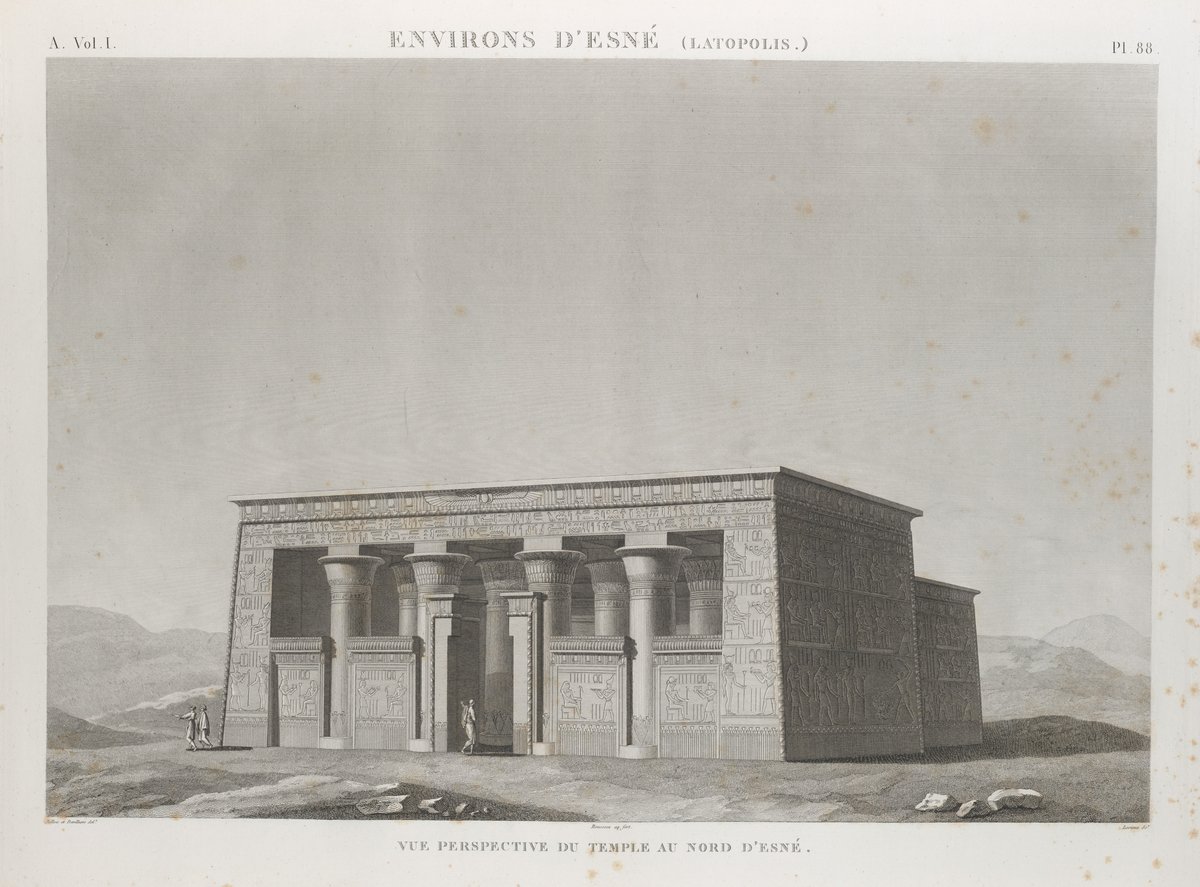
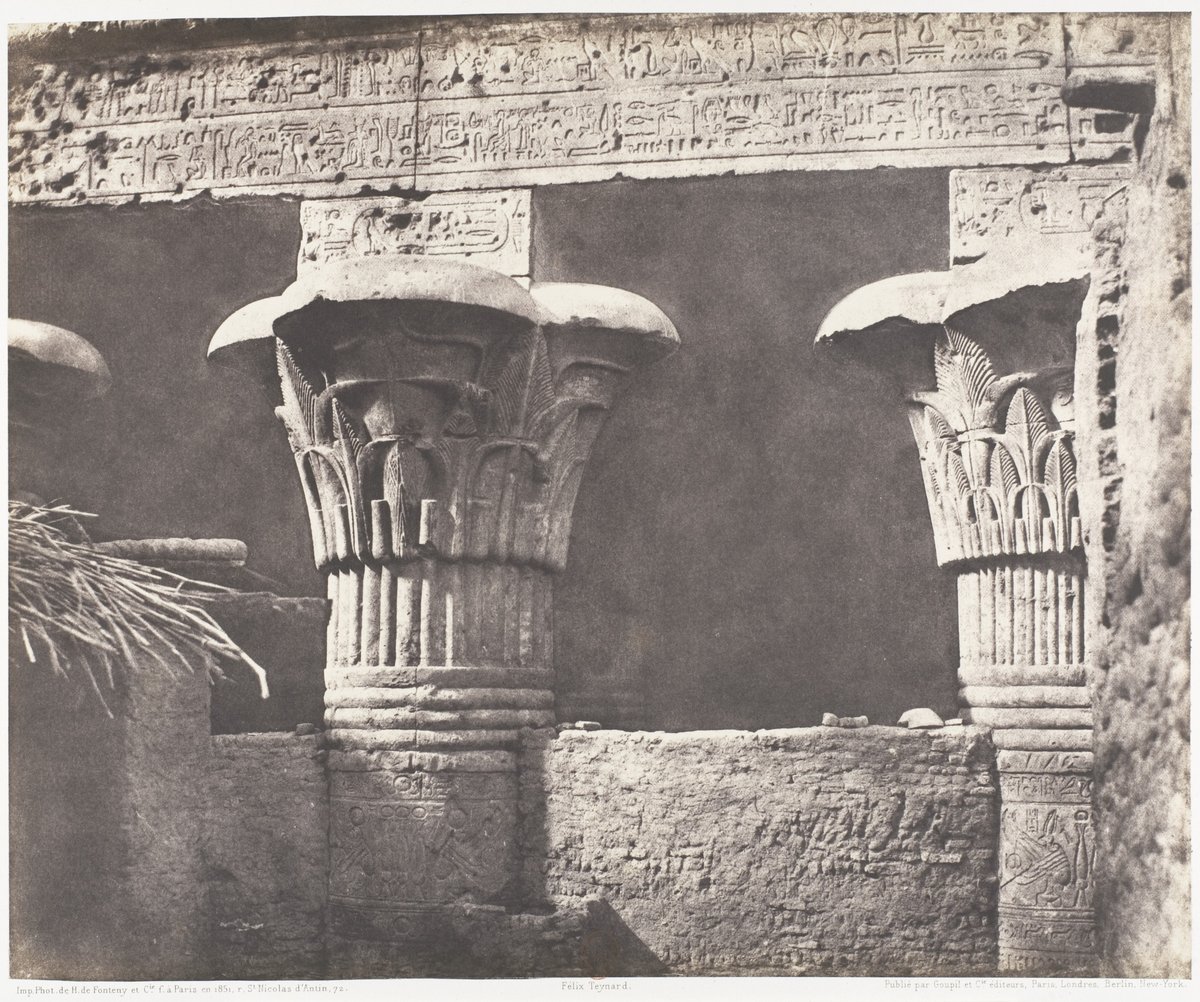
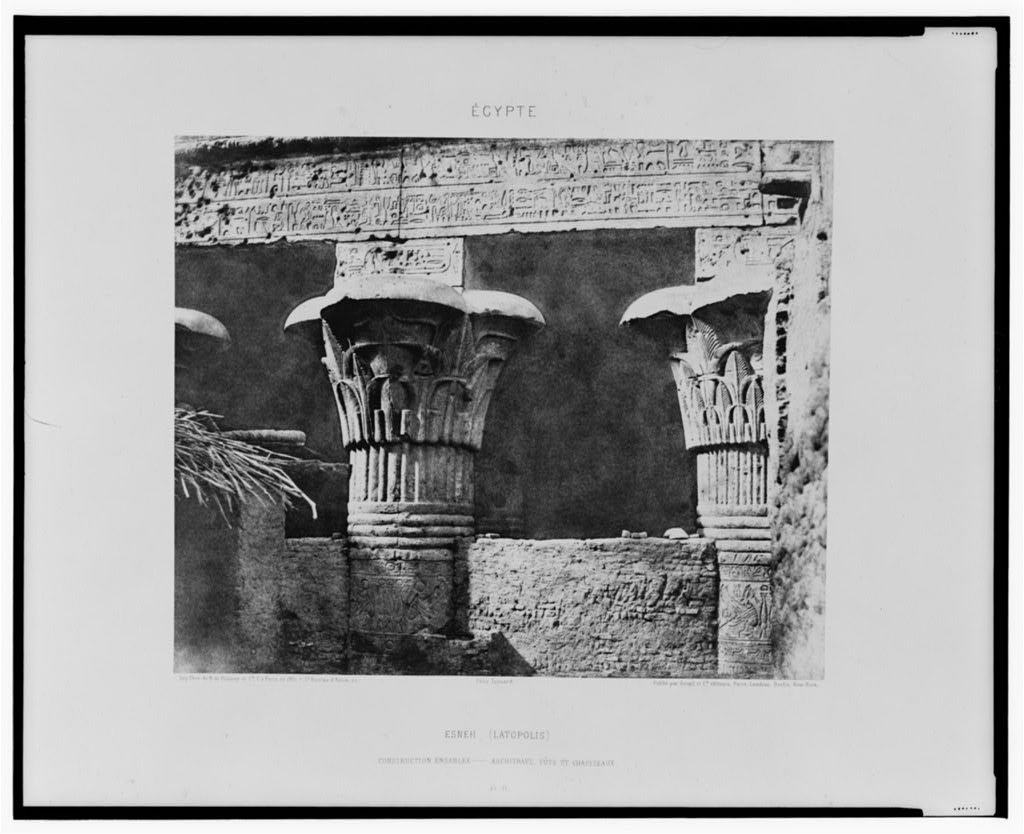
The temple’s hypostyle hall measures 37 x 20 meters and has 24 carved columns, up to 13 meters tall, each with distinct floral capitals. The columns and detailed reliefs depict kings, sun gods, and religious ceremonies, and offer insight into ancient Egyptian cosmology and religious practice. The façade and entrance feature carvings of pharaohs and deities, protective spells, and inscriptions. Roman additions include a theater and a church.
The temple is a focal point for study, with ongoing excavations and research partnerships. Archaeologists and conservators use advanced techniques to protect its structure and reliefs from threats such as humidity and pollution. Restoration follows international standards, with local craftspeople contributing their skills (touregyptclub.com).
Markets and Other Historic Sites
Al-Qīsāriyya Market is a renovated medieval bazaar known for crafts and textiles, including wedding items. Esna’s markets also preserve local handicraft traditions (exploreluxor.org). Other sites include the active Al Amari Mosque, associated with a Fatimid minaret, and the Monastery of the Martyrs, an early Coptic Christian site.
Esna Lock and Nile Cruises
The Esna lock allows riverboats to pass a 10-meter elevation difference. Most Nile cruises include Esna as a stop between Luxor and Aswan (Egipto Exclusivo).
Practical Visiting Information
Temple Hours and Tickets
Published visiting hours differ: the temple is listed as open 8:00 AM–5:00 PM daily, subject to seasonal changes, and also as open 9 AM–5 PM (audiala.com). Confirm the current hours locally.
Ticket prices are also given in two versions: about 100 EGP for foreigners, with discounted rates for residents, and EGP 60 for adults and EGP 30 for students (audiala.com). Tickets are available at the temple entrance or through authorized operators. Current prices can be checked with official websites or Nile cruise operators.
Guided tours are offered on-site and through Nile cruises, Luxor operators, and local operators. The Audiala app provides self-guided audio tours (audiala.com).
Accessibility and Facilities
The temple is partially accessible. Paved walkways and some accessibility features are available, but ancient surfaces and uneven terrain may pose challenges. Restrooms and shaded seating are available. Accessibility improvements are underway; contact local guides, tour operators, or tourism offices in advance if assistance is needed.
Getting to Esna and Getting Around
- By road Esna is about 50 km south of Luxor and 150 km north of Aswan; the drive from Luxor takes about one hour. Taxis, tours, and minibuses are options.
- By Nile cruise Cruises regularly stop in Esna on the route between Luxor and Aswan (egyptatours.com).
- By public transport Buses and minibuses connect Esna with nearby cities.
- By train Esna is on the main Nile Valley line and has a station; road and river travel are described as more convenient.
The temple and markets are close enough to reach on foot. Taxis and tuk-tuks serve short distances, and some guesthouses rent bicycles.
Accommodation, Food, and Communication
Accommodation options include guesthouses and small hotels in the budget range, and boutique lodges in the mid-range. Many travelers stay in Luxor or on cruise ships (audiala.com).
Koshari and molokhia are local dishes to try (egyptbestvacations.com). Mondays are noted as a good day for local crafts and produce at the markets (horizontravelegypt.com).
Wi-Fi is available in many hotels and cafés. Arabic is the official language, and English is widely spoken in tourist areas.
Tips and Preservation
Weather, Safety, and Local Customs
October–April is described as an ideal time to visit. November–February is mild and pleasant, with temperatures around 25°C. June–August is hot, often above 40°C, and summer temperatures can exceed 40°C (audiala.com). Bring water, sunscreen, and a hat, and do not drink tap water.
Esna is described as safe, though visitors should stay alert in crowds and secure valuables (audiala.com). The Tourist Police office is near the temple (travel2egypt.org). Basic clinics are available in Esna; hospitals are in Luxor.
Modest, lightweight clothing is preferred. Photography is allowed inside the temple; ask before photographing people and avoid flash (audiala.com). Bargaining is common in markets, and tipping is expected for services.
A packing list includes breathable clothing, a hat, sunglasses, sunscreen, repellent, a first-aid kit, a passport, cash, and copies of documents.
Sustainable Tourism and Community Engagement
Restoration of the Temple of Khnum and support for traditional crafts are part of preserving Esna’s culture (nilecruisebooking.com, egyptreneur.com). Local people are involved in site care, visitor services, and craft production. Recent urban projects have improved accessibility and restored markets while combining heritage preservation with city development (egypttoday.com).
Responsible tourism measures include timed entry, visitor education, eco-friendly infrastructure, and waste management (Touregyptclub, The Earth Safari). Using reusable items, supporting local crafts and businesses, joining community tours, taking part in cultural experiences, and donating to preservation projects are also noted ways to support sustainable tourism (horizontravelegypt.com, WTP Travel).
Nearby Places
- Luxor About 50–60 kilometers north of Esna.
- Aswan About 150 kilometers south of Esna.
- El Kab An ancient necropolis (horizontravelegypt.com).
- Edfu Temple A major Ptolemaic temple.
- Esna Lock A place to observe river traffic.
- Al-Qīsāriyya Market A local market for crafts, textiles, wedding items, and produce.
Frequently Asked Questions
What are the temple’s visiting hours?
Published hours are 8:00 AM–5:00 PM daily and 9 AM–5 PM. Seasonal changes may apply, so confirm locally.
How much are tickets, and where can I buy them?
Prices are listed as about 100 EGP for foreigners, with discounted rates for residents, or EGP 60 for adults and EGP 30 for students. Tickets are available at the entrance or through cruise and tour operators.
Is the temple wheelchair accessible?
It is partially accessible. Some areas have uneven terrain; contact local guides or tour operators for assistance.
What transport options are available?
Visitors can travel by car, taxi, Nile cruise, public bus, minibus, or train.
Are guided tours and audio guides available?
Guided tours are available on-site and through Nile cruises and local operators. The Audiala app offers self-guided audio tours (audiala.com).