Plan and listen to Wikala Of Bazar'A with Audiala.
Audio guide in your pocket, itinerary in your browser. Built for the way you actually visit.
Introduction
Cairo, a city resonant with centuries of history and vibrant culture, is home to architectural treasures that narrate its storied past. Among these gems is the Wikala of Bazar’a, an Ottoman-era caravanserai in the heart of Islamic Cairo. This unique site stands as a testament to the city’s role as a commercial and cultural nexus from the 17th century onward, providing a fascinating lens into the daily life, trade, and artistry of its era. Whether you are a history enthusiast, architecture lover, or curious traveler, this comprehensive guide offers essential information on visiting hours, tickets, accessibility, architectural highlights, and nearby attractions. For further details, consult Archnet, Lonely Planet, and the Egyptian Ministry of Antiquities.
Origins and Construction
The Wikala of Bazar’a, sometimes referred to as Wikala al-Bazara, was constructed in the late 17th century during a flourishing period of Ottoman rule in Cairo. The term "wikala" denotes a caravanserai—an urban inn designed to accommodate merchants, store goods, and facilitate regional and international trade. The building was commissioned by a prominent merchant named Bazar’a, whose involvement cemented its status as a commercial hub near the bustling Khan el-Khalili bazaar and major trade routes (Archnet).
Architectural Features
Layout and Structure
The Wikala of Bazar’a exemplifies Ottoman commercial architecture, with a four-story rectangular plan organized around a central open courtyard. The ground floor features shops and storerooms opening both to the street and the courtyard, optimizing access for traders and customers. The upper floors contain merchants’ lodgings and residential apartments, some with private terraces and mashrabiyya (intricately carved wooden screens) for privacy and ventilation (Cairo Heritage).
Façade and Decorative Elements
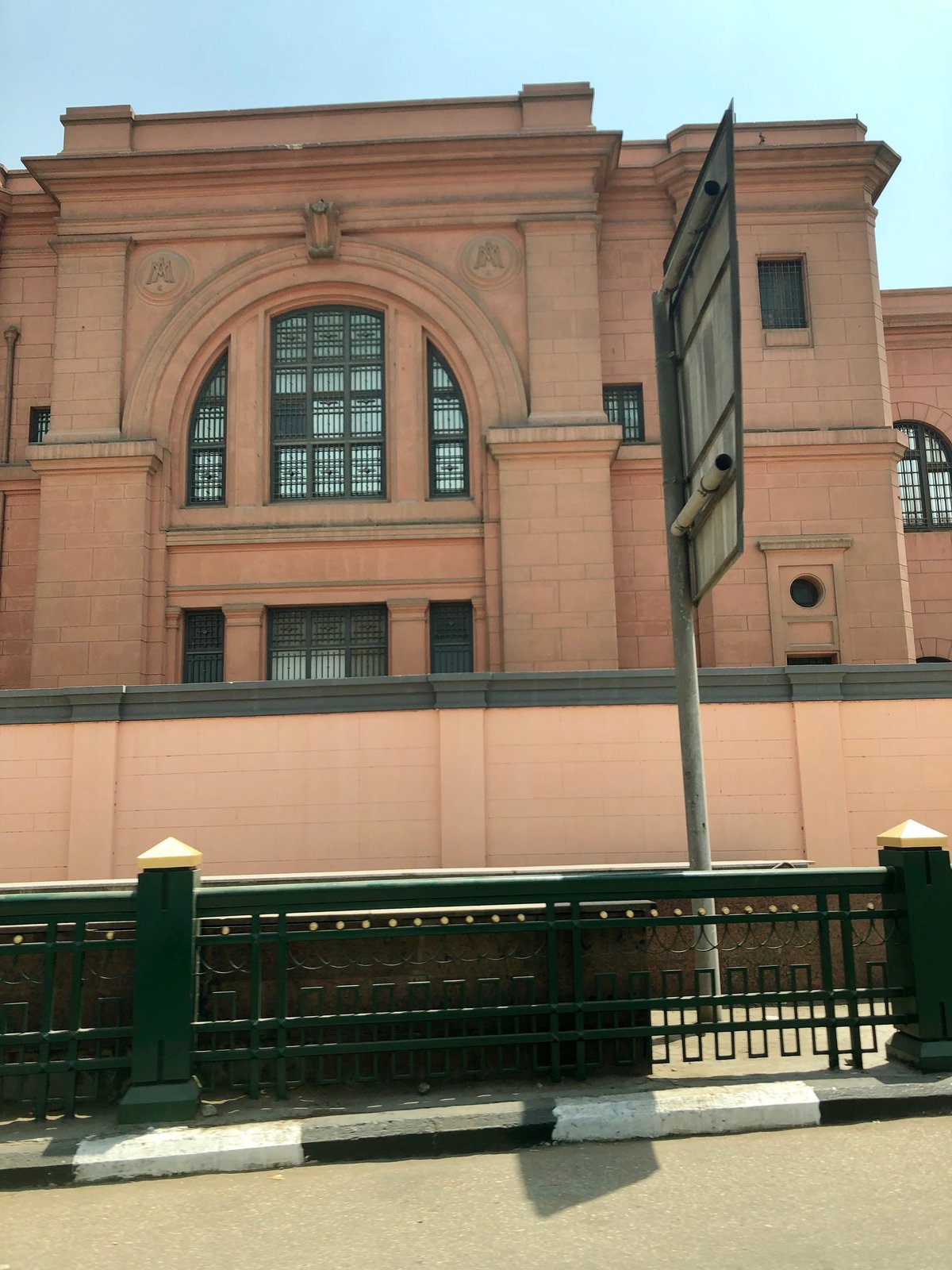
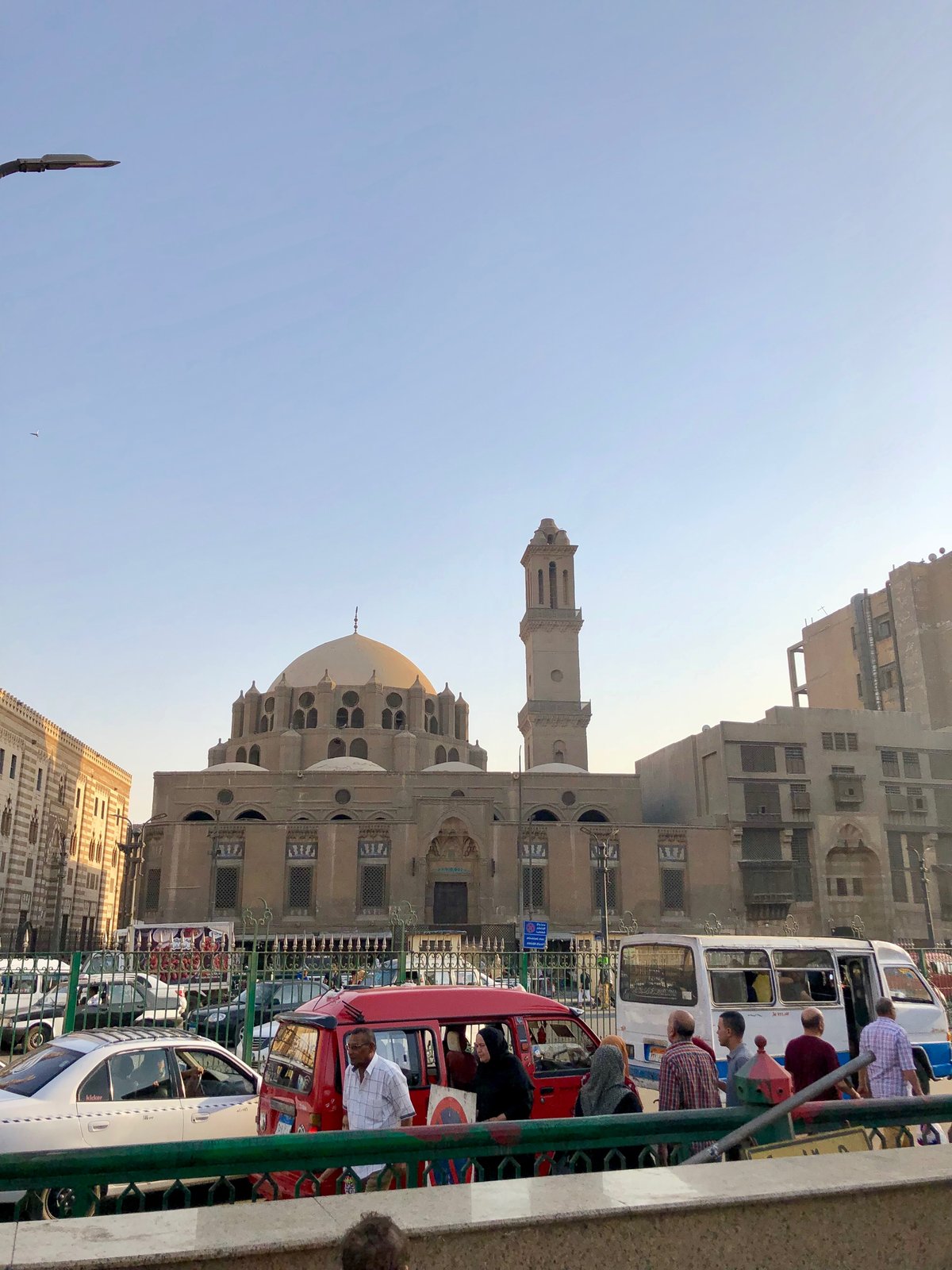
The southeast-facing façade boasts sturdy stone masonry on the lower levels and lighter brickwork above, crowned by a recessed entrance with a semi-circular arch and ornate muqarnas (stalactite vaulting). Decorative cornices and string courses unify the exterior, while the monumental gateway features inlaid wood and calligraphic carvings, embodying Ottoman craftsmanship.
Interior and Comparative Context
Inside, the central courtyard ensures light and ventilation, while staircases at the corners lead to upper floors. The Wikala of Bazar’a’s spatial organization and verticality distinguish it from earlier Mamluk caravanserais, such as the Wikala of al-Ghuri, reflecting an Egyptian adaptation of Ottoman design (Archnet).
Commercial and Social Role
Historically, the Wikala of Bazar’a was integral to Cairo’s trading networks. It provided safe lodging and storage for merchants from across the Ottoman Empire, North Africa, and beyond (UNESCO World Heritage). The wikala’s communal spaces supported business negotiations and social gatherings, fostering cultural exchange and strengthening Cairo’s reputation as a cosmopolitan metropolis. Its design prioritized both efficiency and security: the robust gates were locked nightly, safeguarding valuable goods, while the central courtyard functioned as the site’s commercial heart.
Historical Transformations and Preservation
With the decline of traditional caravan trade in the 19th and 20th centuries, many of Cairo’s wikalas were repurposed or fell into disrepair. Some parts of the Wikala of Bazar’a were adapted for residential use or as workshops (Egyptian Ministry of Antiquities). However, concerted restoration efforts in recent decades have preserved much of its original character—repairing stonework, reviving decorative elements, and maintaining its structural integrity. These conservation projects are part of a broader initiative to safeguard the historic fabric of Islamic Cairo, a UNESCO World Heritage Site since 1979 (UNESCO).
Cultural and Historical Significance
The Wikala of Bazar’a is a rare surviving example of the hundreds of merchant inns that once dotted Cairo. It stands as a tangible legacy of the city’s commercial vitality and architectural ingenuity in the Ottoman era. The caravanserai’s elegant blend of functionality and artistry—manifest in its muqarnas, carved stonework, and spatial organization—offers invaluable insights into the daily lives of merchants, artisans, and travelers who shaped Cairo’s historical trajectory (Archnet).
Visiting Hours, Tickets, and Tips
Visiting Hours:
Open daily from 9:00 AM to 5:00 PM. Visit in the morning for a quieter and cooler experience.
Tickets & Admission:
- Entrance is generally free, though occasional guided tours may carry a small fee. Donations supporting maintenance are appreciated.
- For special events or group visits, check with the Egyptian Ministry of Antiquities.
Location:
Tambakshiyya Street, off Jamalia Street, Jamalia district, Islamic Cairo (Lonely Planet).
Accessibility:
Due to its historic structure, some areas have stairs and uneven surfaces; mobility may be limited.
Visitor Tips:
- Dress modestly (covering shoulders and knees), in line with local customs (Inspiring Vacations).
- Wear comfortable footwear for uneven paving.
- Bring bottled water, as Cairo’s climate is hot and dry.
- Guided tours are recommended for a deeper understanding of the site’s history.
- Photography is allowed—capture architectural details, but ask permission before photographing people.
Nearby Attractions:
- Khan el-Khalili Bazaar: Iconic market with traditional shops and cafes.
- Al-Azhar Mosque: A masterpiece of Islamic architecture and scholarship.
- Mosque of Gamal Ad Din, Qasr Beshtak, and Mosque of Al Aqmar: All within walking distance, offering further insights into Cairo’s medieval heritage (Lonely Planet).
Visuals and Media
High-quality images and virtual tours of the Wikala of Bazar’a are available on tourism platforms and the official Cairo tourism website. These resources provide detailed views of the courtyard, façade, and interior galleries, enhancing your visit or offering a virtual alternative for remote exploration.
Frequently Asked Questions (FAQ)
Q: What are the visiting hours?
A: Daily from 9:00 AM to 5:00 PM. Confirm hours during holidays.
Q: Is there an entrance fee?
A: Admission is generally free; donations are welcome.
Q: How do I get there?
A: Located on Tambakshiyya Street, Jamalia district—easily accessible by taxi, public transit, or on foot from nearby attractions.
Q: Are guided tours available?
A: Yes, local operators often include the wikala in Islamic Cairo walking tours.
Q: Is the site accessible for people with disabilities?
A: Accessibility is limited due to stairs and uneven floors.
Q: Can I take photos?
A: Yes, photography is allowed; be respectful when photographing individuals.
Summary & Final Tips
The Wikala of Bazar’a is a distinguished symbol of Cairo’s Ottoman-era commercial and architectural heritage. Its robust construction, ornate entrance, and central courtyard reveal the sophistication of 17th-century urban life and trade. As one of the few remaining wikalas, it offers an immersive journey through history, complemented by panoramic rooftop views and proximity to other significant landmarks. Preservation efforts and knowledgeable guides ensure the site remains accessible and informative for all visitors. To fully appreciate Cairo’s rich tapestry, combine your visit with nearby attractions such as Khan el-Khalili and Al-Azhar Mosque. For the latest updates, download the Audiala app or consult official tourism resources (Lonely Planet, UNESCO, Egyptian Ministry of Antiquities).
Listen to the full story in the app
The whole Wikala Of Bazar'A,
told well.
Audio guides for 1,100+ cities across 96 countries. History, stories, and local insight — offline ready.

Verified, and shown.
Researched and written by the Audiala editorial team from historical records, architectural archives, and local expertise.
Researched from Wikidata, Wikipedia & official sources · fact-checked · How we make our guides →