Plan and listen to Tomb Of Salar And Sangar-Al-Gawli with Audiala.
Audio guide in your pocket, itinerary in your browser. Built for the way you actually visit.
Introduction
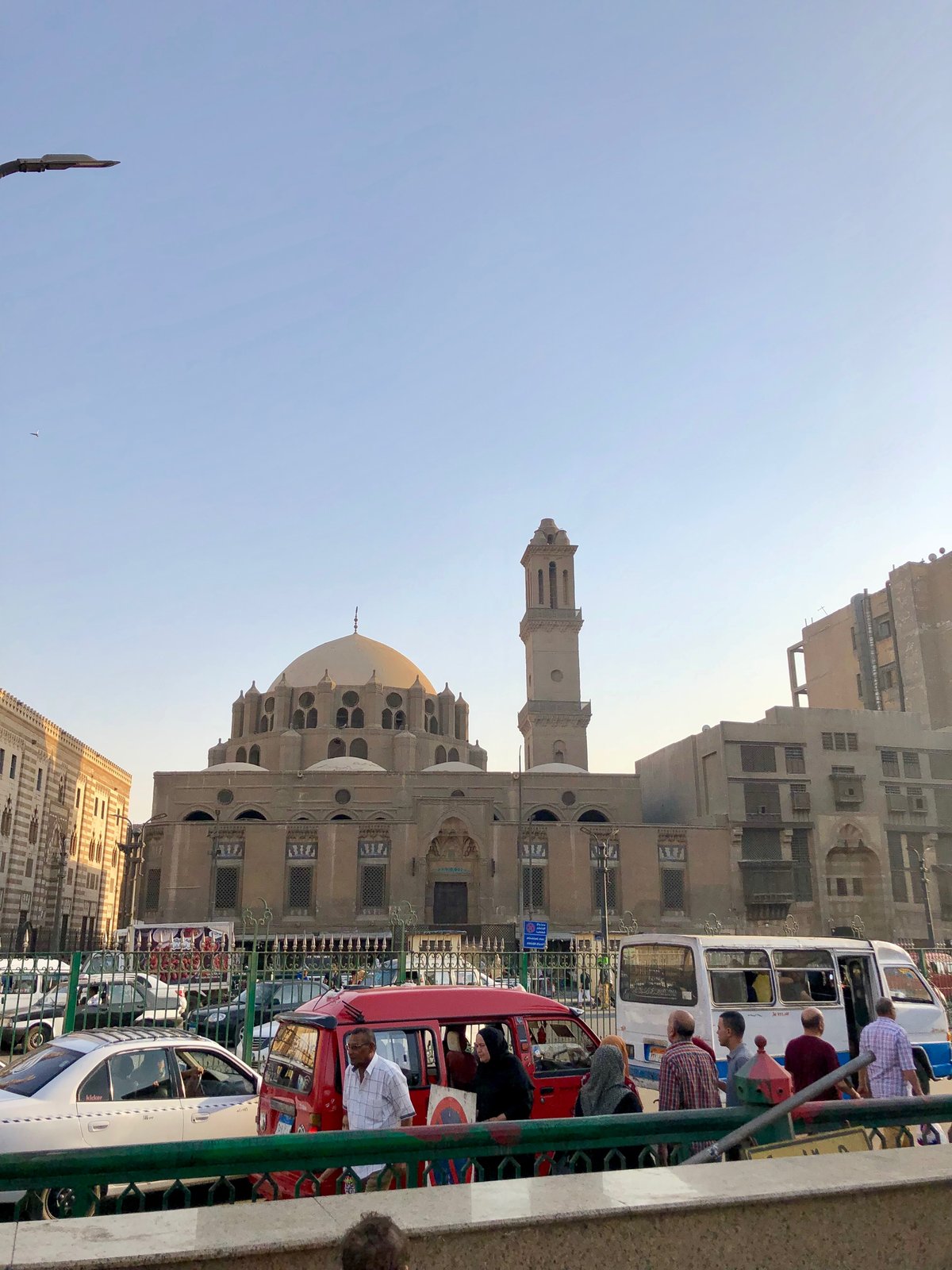
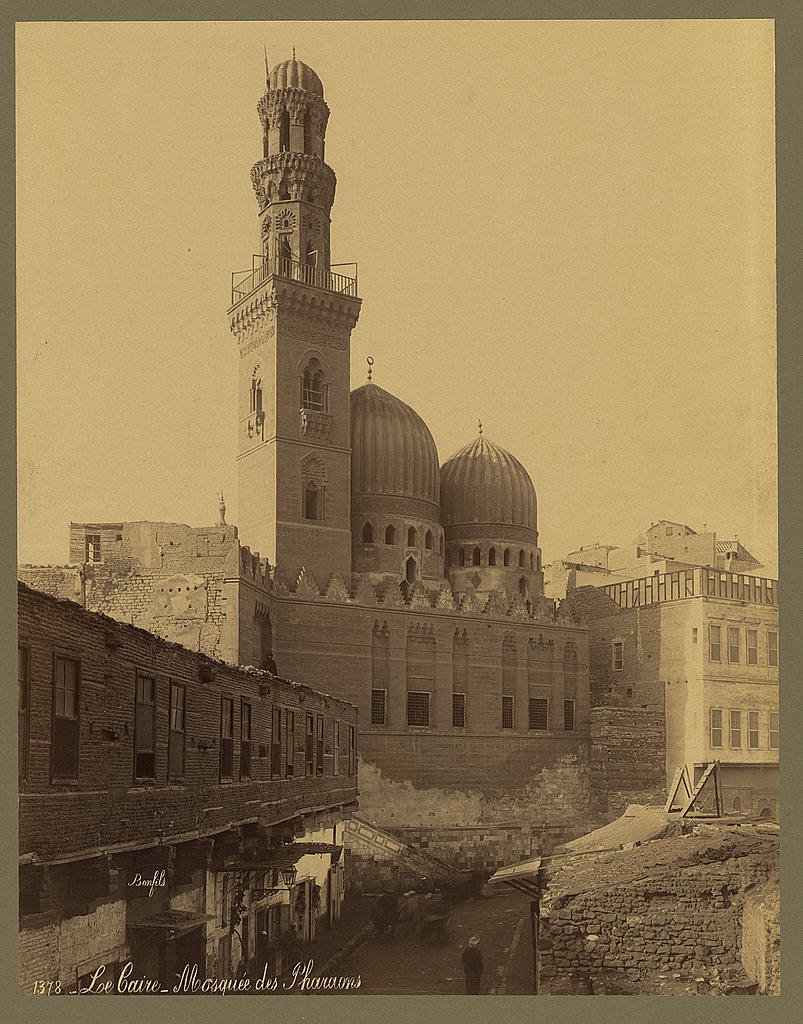
The Tomb of Salar and Sangar al-Gawli is a remarkable monument within Cairo’s medieval Islamic landscape, celebrated for its Mamluk architecture and historical significance. Built in the early 14th century during the Mamluk Sultanate, this funerary complex honors the powerful military leaders Sayf al-Din Salar and Alam al-Din Sangar al-Gawli. Its intricate ribbed domes, ornate stonework, and elegant minaret make it a must-see for those interested in Egypt’s rich architectural and cultural past. This guide provides detailed information about visiting hours, admission, accessibility, travel tips, and conservation status to help you plan a meaningful and responsible visit. For further details, consult resources like the Egyptian Ministry of Tourism and Egyptopia.

Historical Background
Origins and Patronage
Commissioned in the early 1300s by Amir Alam al-Din Sangar al-Gawli, the tomb was designed as a burial site for himself and his mentor, Sayf al-Din Salar. Both were prominent figures under Sultan al-Nasir Muhammad, serving as top military commanders and statesmen. The complex, built near Sangar’s palace, was intended as both a mausoleum and a demonstration of their enduring legacy.
Architectural Features
The monument features two ribbed-domed mausoleums adorned with Qur’anic inscriptions, a slender three-tiered minaret, and a central courtyard with a prayer hall. Notable elements include muqarnas (stalactite vaulting), marble mihrabs, and intricately carved stone screens. The north façade, perched above Saliba Street, is especially dramatic, exemplifying the Mamluk emphasis on verticality and ornamentation. Over time, a smaller third mausoleum was added at the western end of the complex.
Visiting Information
Hours and Admission
- Opening Hours: Generally open daily from 9:00 AM to 5:00 PM. Hours may vary during public holidays or restoration work.
- Tickets: Admission is free; however, donations for upkeep and restoration are encouraged.
Accessibility
The site features uneven floors, narrow passageways, and steep staircases, posing challenges for visitors with mobility impairments. Comfortable footwear is recommended. Due to its elevated location and lack of modern facilities, the tomb is not wheelchair accessible.
Directions
- Location: Situated on Saliba Street in the Southern Cemetery (City of the Dead), near the Ibn Tulun Mosque and the Madrasa of Sarghatmish.
- Getting There:
- Metro: Al-Sayeda Zeinab station is the nearest; from there, walk or take a taxi.
- Taxi/Ride-hailing: Direct drop-off near the main entrance is possible.
- Walking: The site is within walking distance of several other major monuments.
What to See and Do
Photography
The twin domes, exquisitely carved minaret, and decorative stone screens provide excellent photographic opportunities, particularly in the soft morning light. Photography is permitted, but visitors should be discreet and respectful of the site’s solemnity.
Guided Tours
There is no official guide service onsite, but many local tour operators include the tomb in Islamic Cairo or Mamluk architecture itineraries. Guided tours are highly recommended for historical context and personal safety, especially given the tomb’s secluded location.
Nearby Attractions
- Ibn Tulun Mosque: One of Cairo’s oldest and most architecturally distinctive mosques.
- Madrasa of Sarghatmish: An impressive Mamluk educational complex.
- Sultan Hassan Mosque and Al-Rifa'i Mosque: Both within walking distance and exemplifying monumental Mamluk architecture.
- Gayer-Anderson Museum: Housed in historic residences showcasing Islamic art.
Preservation Status
Despite restoration efforts—most notably in 1894—the tomb suffers from environmental deterioration, vandalism, and theft. Issues include eroded stonework, faded decorations, and structural cracking. Restoration by the Supreme Council of Antiquities and international partners has focused on stabilization and cleaning, but urban encroachment, pollution, and lack of funding continue to threaten the site (Wikidata, Egyptopia). Visitors can help by respecting the site and supporting conservation initiatives.
Visitor Tips
- Best Time to Visit: Early mornings or late afternoons for cooler temperatures and fewer visitors.
- Dress Code: Modest attire is essential; women are advised to bring a scarf for head covering.
- Facilities: There are no restrooms, cafes, or shops onsite—plan accordingly.
- Safety: Visit during daylight hours, avoid entering alone, and be cautious of unstable structures.
- Respect: Do not touch or remove architectural elements; avoid littering and graffiti.
Frequently Asked Questions (FAQ)
Q: Are there official visiting hours and tickets?
A: The site is generally open from 9:00 AM to 5:00 PM, with no formal ticketing and free entry. Donations are appreciated.
Q: Is the tomb wheelchair accessible?
A: No. Steep stairs and uneven terrain make it unsuitable for wheelchairs.
Q: Are guided tours available?
A: Yes, via local tour operators. No official guides are stationed onsite.
Q: Can I take photographs?
A: Yes, photography is allowed, but please be respectful.
Q: What is the best way to reach the tomb?
A: Take the metro to Al-Sayeda Zeinab, then walk or use a taxi. The area is also accessible by public bus or from adjacent attractions.
Discover More
The Tomb of Salar and Sangar al-Gawli offers a compelling glimpse into 14th-century Cairo, blending architectural splendor with deep historical resonance. Visitors can enrich their experience by planning ahead, respecting the site, and including nearby attractions in their itinerary. Supporting conservation—through donations or advocacy—helps ensure this monument endures for future generations.
For the most up-to-date information, curated tours, and travel tips, download the Audiala app and follow us on social media. Responsible visitation aids both your journey and the preservation of Cairo’s extraordinary heritage.
Listen to the full story in the app
The whole Tomb Of Salar And Sangar-Al-Gawli,
told well.
Audio guides for 1,100+ cities across 96 countries. History, stories, and local insight — offline ready.
Verified, and shown.
Researched and written by the Audiala editorial team from historical records, architectural archives, and local expertise.
(2025). Tomb of Salar and Sangar-al-Gawli. Wikimedia Foundation
Researched from Wikidata, Wikipedia & official sources · fact-checked · How we make our guides →