Plan and listen to Sultan Qaytbay Roda Mosque with Audiala.
Audio guide in your pocket, itinerary in your browser. Built for the way you actually visit.
Introduction
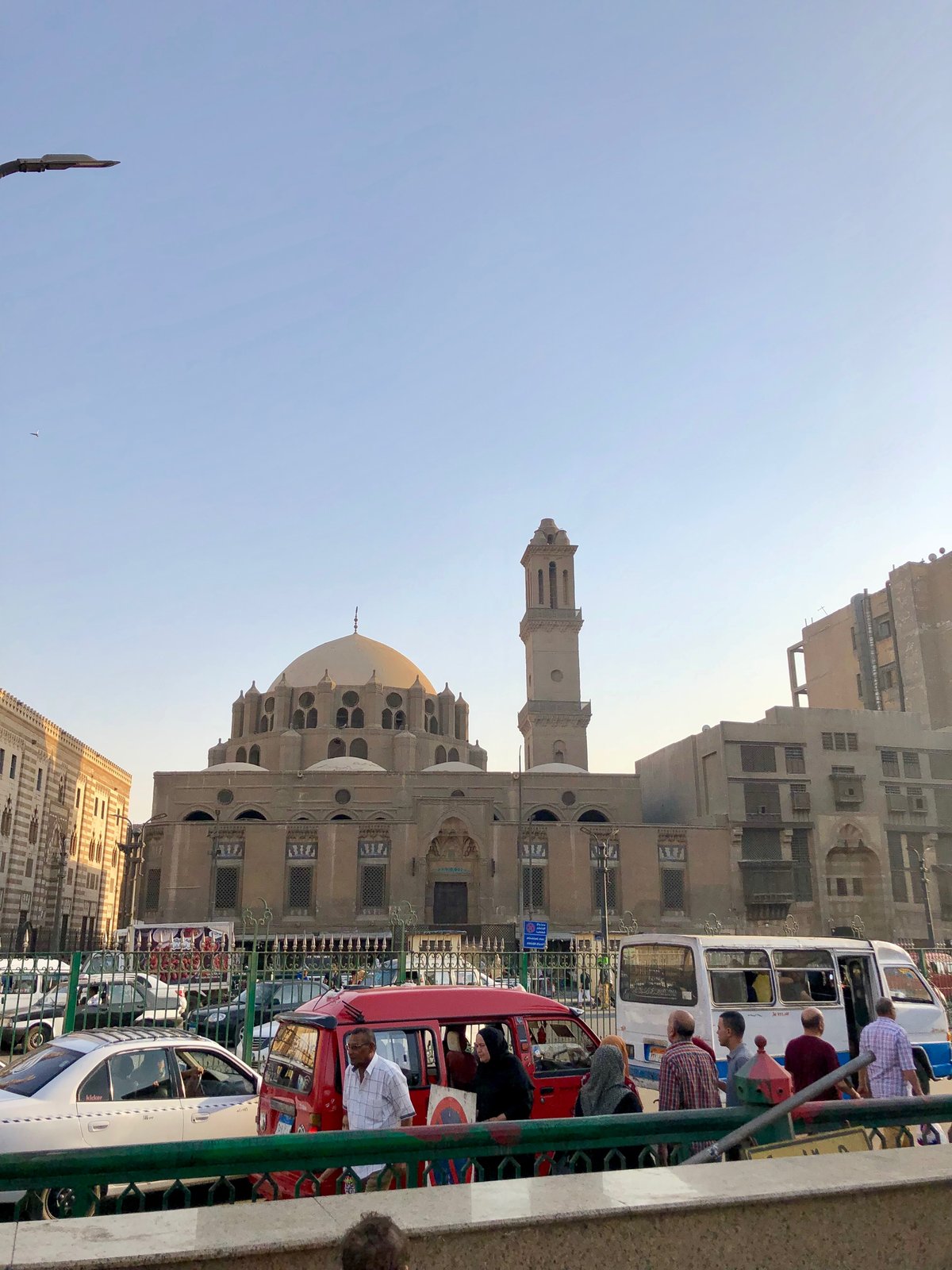
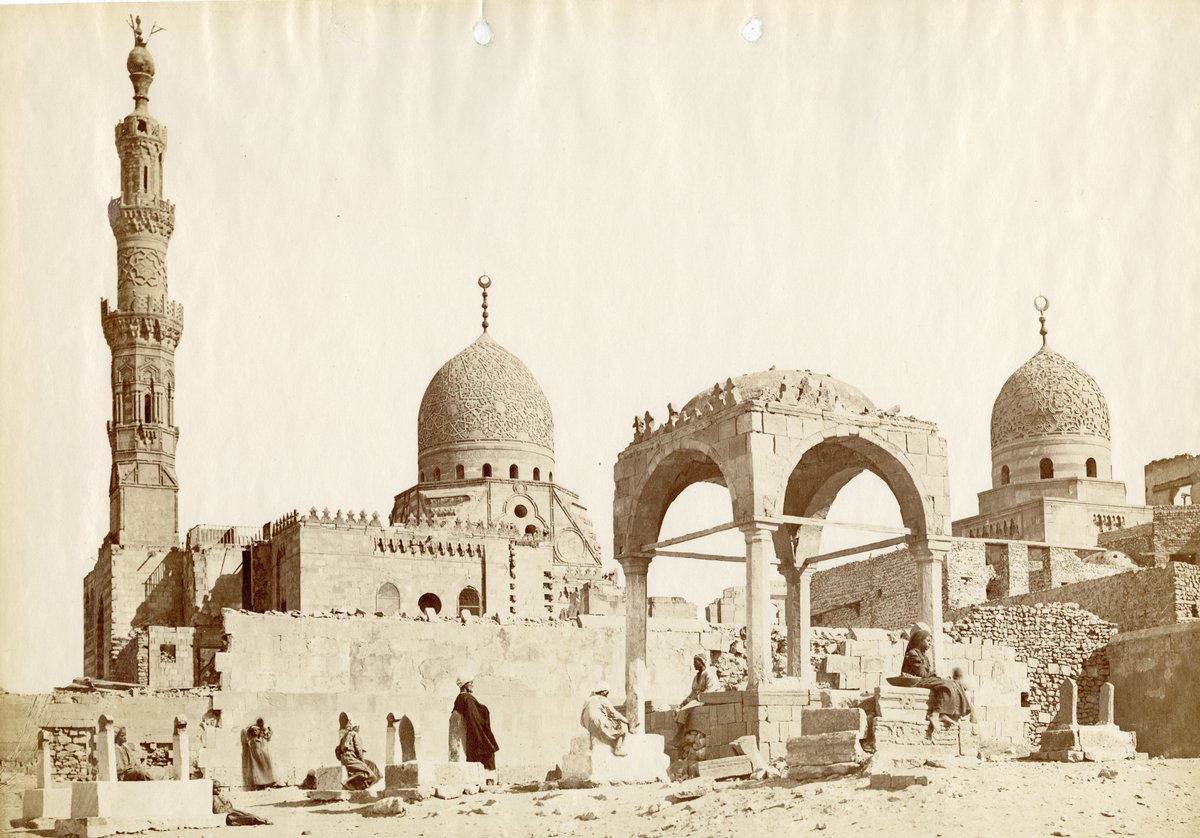
The Sultan Qaytbay Roda Mosque, located on the historic Roda Island in Cairo, Egypt, is a remarkable testament to late Mamluk architectural mastery and Egypt’s rich Islamic heritage. Commissioned by Sultan al-Ashraf Qaytbay during his reign (1468–1496 CE), the mosque stands as both a place of worship and a vital historical landmark, reflecting the political stability and artistic flourishing of medieval Cairo. Its proximity to the Nilometer—an ancient device for measuring Nile floods—further ties the mosque to Cairo’s religious and economic history (Archnet, The Metropolitan Museum of Art).
Visitors to the Sultan Qaytbay Roda Mosque will encounter exquisite Mamluk architectural features, including ablaq masonry, intricate stone carvings, elegant minarets, and muqarnas vaulting. The mosque serves not only as a religious center but also as a hub for community and educational activities, underlining its enduring significance in Cairo’s spiritual and urban landscape (Islamic Architectural Heritage, Creswell, 1959).
This guide provides detailed visitor information—covering opening hours, admission policies, accessibility, etiquette, and nearby attractions like the Nilometer and Cairo Zoo—along with insights into guided tours, photography rules, and cultural events. Whether you’re a history buff, architectural enthusiast, or spiritual traveler, the Sultan Qaytbay Roda Mosque is a hidden gem awaiting your discovery. For up-to-date information, trusted resources, and personalized tours, apps like Audiala are highly recommended (The Aga Khan Trust for Culture, Lonely Planet).
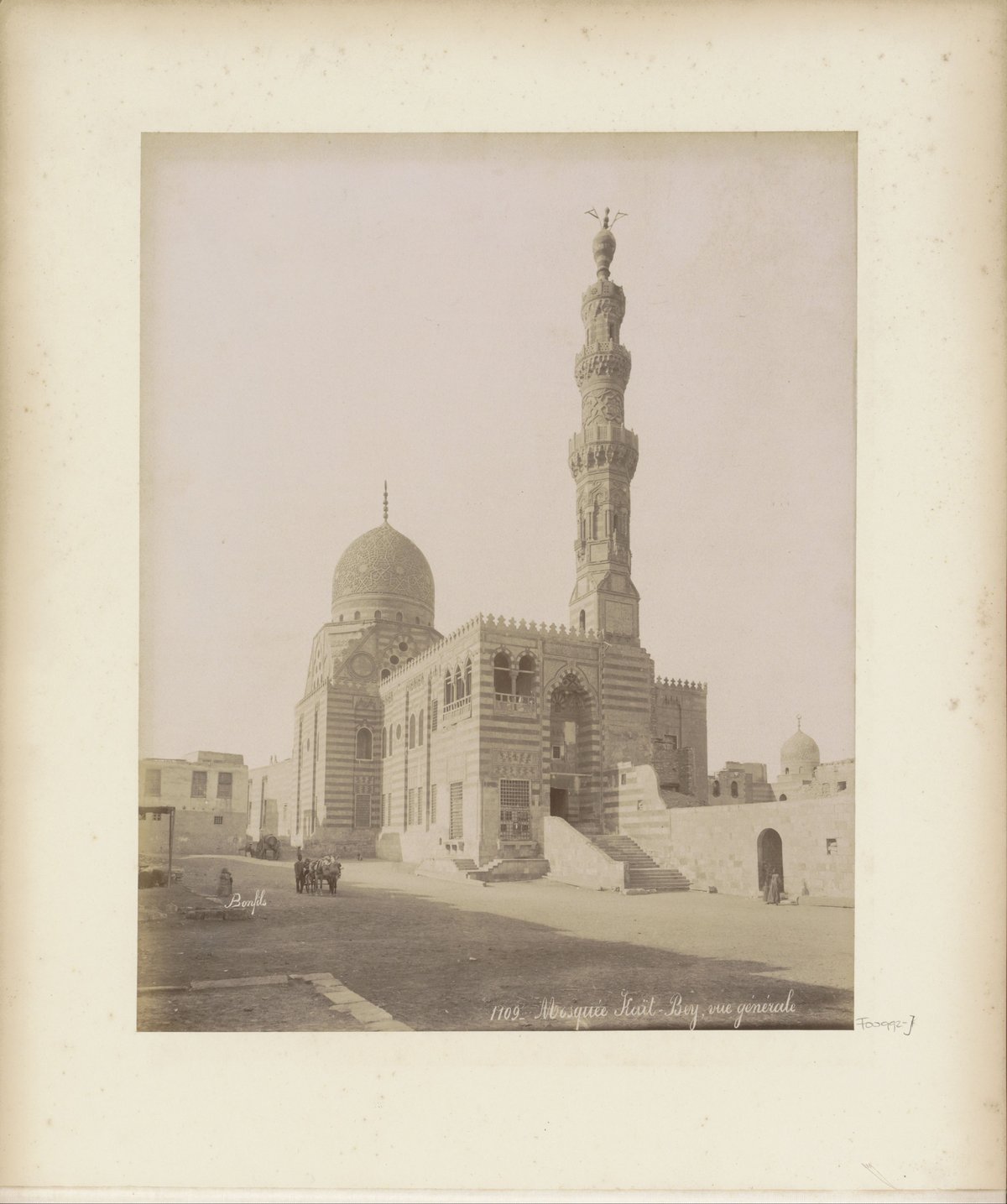
The Sultan Qaytbay Roda Mosque is a jewel of Mamluk architecture, distinguished by its refined craftsmanship and understated elegance. As one of the few remaining medieval structures on Roda Island, the mosque offers an authentic glimpse into the artistry and urban planning of late 15th-century Cairo (Archnet).

Historical Context and Patronage
Sultan al-Ashraf Qaytbay was among the most prolific patrons of the Mamluk period, commissioning mosques, madrasas, sabils, and mausolea throughout Egypt (The Metropolitan Museum of Art). The Roda Mosque, built in 1482 CE, reflects Qaytbay’s strategic use of architecture to reinforce his legitimacy and authority during a period of relative political stability. Its location near the Nilometer connected his reign to a site of immense religious and economic importance (Archnet, UNESCO).
Architectural Features and Symbolism
The mosque is a showcase of mature Mamluk design, featuring:
- Ablaq masonry: Alternating light and dark stone bands.
- Muqarnas vaulting: Stalactite-like sculptural elements in the ceilings.
- Finely carved minaret: Adorned with geometric and floral motifs.
- Stone carvings and decorative panels: Showcasing vegetal and geometric patterns.
- Rectangular prayer hall and mihrab: Oriented towards Mecca, with a modest yet elegant interior (Creswell, 1959, Islamic Architectural Heritage).
While less ornate than the Sultan’s funerary complex in Cairo’s Northern Cemetery, the Roda Mosque’s subtle artistry and harmonious proportions make it a must-see for lovers of Islamic architecture.
Religious, Cultural, and Community Roles
Beyond architectural splendor, the mosque has served multiple community functions:
- Place of worship: Hosting daily prayers and religious instruction.
- Community hub: Supported by a waqf (charitable endowment) for imams and caretakers.
- Educational center: Historically provided advanced religious studies and Qur’anic education.
- Social service: Distribution of water and charity to the local community (The Aga Khan Trust for Culture).
Practical Visitor Information
Visiting Hours
- General opening: Daily, 8:00 AM to 5:00 PM.
- Advice: Visit outside prayer times for the best experience. Hours may vary during religious holidays.
Admission and Donations
- Entry: Free for all visitors (no ticket required).
- Donations: Welcome and encouraged to support ongoing conservation (ArabMLS).
Accessibility
- Getting there: Roda Island can be reached by taxi or public transport from central Cairo; the nearest metro stations are Sayeda Zeinab and Mar Girgis.
- Onsite: The mosque’s historic structure includes uneven surfaces and steps, making accessibility limited for those with mobility challenges (Lonely Planet).
Guided Tours
- Availability: Local guides offer tours with deep historical and architectural context. Booking through reputable agencies or hotels is recommended.
Photography
- Allowed: Yes, in non-restricted areas.
- Restrictions: Avoid flash, do not photograph worshippers without permission, and respect signage regarding restricted areas and prayer times.
Dress Code and Etiquette
- Dress modestly: Long trousers for men; hair covering, long sleeves, and ankle-length skirts/trousers for women (Egypt Tours Plus).
- Shoes: Remove before entering prayer areas; socks are recommended.
- Behavior: Maintain a quiet and respectful demeanor; avoid touching religious artifacts.
- Language: Arabic is the official language; English is spoken at tourist sites. Basic Arabic greetings are appreciated.
Nearby Attractions and Visitor Tips
Explore these nearby cultural sites for a fuller experience:
- Nilometer: Ancient Nile flood gauge, integral to Cairo’s history.
- Manasterly Palace: 19th-century palace with Rococo interiors.
- Gayer-Anderson Museum: Ottoman-era house museum (Trek Zone).
- Mosque of Ibn Tulun: One of Cairo’s oldest and largest mosques.
- Cairo Zoo: Ideal for families and a relaxing excursion.
Combine visits to these sites for a comprehensive itinerary of Islamic Cairo’s heritage.
Special Events and Cultural Activities
- Ramadan and Eid: The mosque hosts religious festivals and special prayers. Check local listings for event schedules.
- Cultural programs: Occasional lectures and guided tours are available through local organizations.
Preservation and Legacy
The Sultan Qaytbay Roda Mosque has benefited from multiple restoration campaigns, notably by the Comité de Conservation des Monuments de l’Art Arabe and more recent conservation efforts. Today, it is protected under Egyptian heritage laws and remains a vital link to Cairo’s Mamluk past (Islamic Architectural Heritage, Archnet).
Frequently Asked Questions (FAQ)
Q: What are the Sultan Qaytbay Roda Mosque visiting hours?
A: Open daily from 8:00 AM to 5:00 PM; check locally for updates during religious events.
Q: Is there an entrance fee?
A: No, entry is free; donations for maintenance are appreciated.
Q: Is the mosque wheelchair accessible?
A: Accessibility is limited due to historic architecture and steps.
Q: Are guided tours available?
A: Yes, through local guides or tour operators; booking ahead is advised.
Q: Is photography permitted inside?
A: Yes, in most areas, but avoid flash and photographing worshippers without consent.
Q: What should I wear?
A: Dress modestly; women should cover hair and arms, men should wear long trousers.
Listen to the full story in the app
The whole Sultan Qaytbay Roda Mosque,
told well.
Audio guides for 1,100+ cities across 96 countries. History, stories, and local insight — offline ready.
Verified, and shown.
Researched and written by the Audiala editorial team from historical records, architectural archives, and local expertise.
A. C. (1959). Studies in Islamic Architecture. JSTOR
Researched from Wikidata, Wikipedia & official sources · fact-checked · How we make our guides →