Plan and listen to Palace Of Said Halim Pasha with Audiala.
Audio guide in your pocket, itinerary in your browser. Built for the way you actually visit.
Introduction
Located in the vibrant heart of downtown Cairo, the Palace of Said Halim Pasha—often called the Champollion Palace—stands as a stunning embodiment of Egypt’s late 19th-century architectural ambition and cosmopolitan culture. Commissioned by Prince Said Halim Pasha, an influential Ottoman-Egyptian statesman and member of the Muhammad Ali dynasty, the palace was designed by renowned Italian architect Antonio Lasciac. Its ornate blend of Baroque Revival, Neoclassical, and Ottoman elements reflects both the grandeur of the Belle Époque and Cairo’s unique position as a crossroads of cultures (CNN Arabic; egy.com).
Though currently undergoing major restoration and not regularly open for public visits, the palace remains a vital symbol within Cairo’s historic urban landscape. Its proximity to key attractions like Tahrir Square and the Egyptian Museum makes it a must-see for those interested in architectural heritage and Egypt’s Ottoman-era elite. This guide offers a comprehensive look at the palace’s history, architecture, visiting details, preservation challenges, and tips for exploring the surrounding district (Al-Monitor; Egyptian Streets; Asharq Al-Awsat; Scientific Culture, 2018).
Origins and Construction
The Palace of Said Halim Pasha, situated on Champollion Street, was initiated in 1896 and completed at the turn of the 20th century. Prince Said Halim Pasha, a prominent figure of the Muhammad Ali dynasty and grandson of Muhammad Ali Pasha, envisioned the palace as an extravagant gift for his wife, Amina Toussoun. Entrusted to Antonio Lasciac, the palace was constructed using imported marble and stone, and features monograms (“SH”) throughout (CNN Arabic; egy.com).
Architectural Features
Exterior Design
- Style: Baroque Revival with Neoclassical symmetry and Ottoman decorative motifs.
- Facade: Features Corinthian columns, sculpted balconies, elaborate stucco, and wrought ironwork.
- Roofline: Mansard roofs and ornate balustrades reflect French Second Empire influences.
Interiors
- Grand Hall: Marble floors, gilded ceilings, and a monumental staircase dominate the entrance.
- Salons & Dining Rooms: Carved wood paneling, frescoed ceilings, and imported fireplaces.
- Private Quarters: Overlook landscaped gardens; original service areas now considered for adaptive reuse.
- Materials: Parquet and marble floors, silk damask wall coverings, stained glass, and custom ironwork (Scientific Culture, 2018).
Gardens
Though reduced from their original layout, the palace gardens retain their symmetrical beds, fountains, and ornate gates, with restoration plans aiming to revive these spaces for public events.
Historical Evolution
After its construction, the palace’s intended resident, Amina Toussoun, chose not to live there. Following Said Halim Pasha’s assassination in 1921, the building changed hands, serving as a government office and later as the "al-Nasiriyya School" from 1919 until 2004 (journals.ekb.eg). Over time, neglect, encroachment, and material theft—such as pilfering of pink marble—significantly impacted the structure (Amwal Al Ghad; egy.com; Egyptian Streets).
Cultural and Urban Significance
The palace is often called the “Versailles of Cairo” due to its scale and decorative ambition. Its presence in downtown Cairo, amidst eclectic urban architecture, highlights the city’s shift from a medieval center to a cosmopolitan capital. The palace’s layered history mirrors Egypt’s transitions from Ottoman rule to a modern republic.
Preservation Status and Challenges
Restoration Efforts
A renewed focus on heritage preservation has led to the allocation of 20 million EGP for the palace’s rehabilitation as part of Cairo’s historic core revitalization (Asharq Al-Awsat). Restoration aims to maintain both the palace’s original features and traces of its educational use.
Ongoing Challenges
- Legal Obstacles: Lawsuits to protect the site have had limited success, illustrating the complexities of Egypt’s heritage legislation (Egyptian Center for Economic and Social Rights).
- Urban Development: Road widening and urban encroachment threaten the palace’s context.
- Institutional Neglect: Inconsistent maintenance and weak law enforcement undermine preservation.
- Structural Decay: Water infiltration, stucco damage, and wood rot require urgent attention.
Advocacy groups call for legal reforms, buffer zones, and stronger integration of heritage in urban planning.
Visiting Information
Visiting Hours & Tickets
As of June 2025, the palace is not open for public visits due to restoration. No tickets or official hours are available. Announcements regarding reopening will be made by the Egyptian Ministry of Tourism and heritage organizations.
Accessibility
Future reopening plans include accommodations for visitors with mobility challenges, but details are pending.
Guided Tours & Events
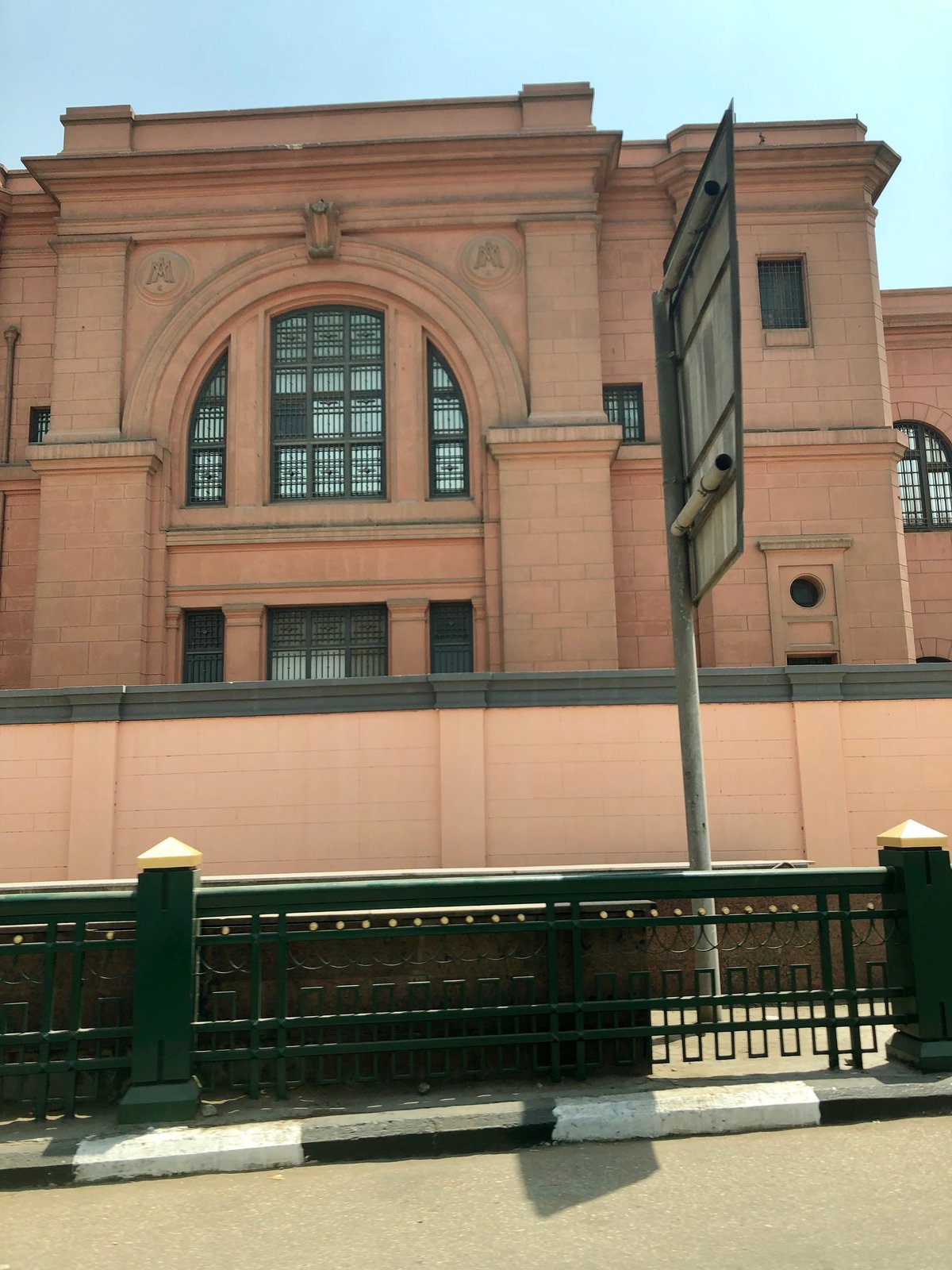
Guided tours and cultural events are planned for the palace’s future as a museum. For now, only external photography is possible from public streets.
Getting There
The palace is easily accessed via Cairo’s metro (Sadat Station) or taxi, located near Tahrir Square and the Egyptian Museum.
Nearby Attractions
- Egyptian Museum: Home to an expansive collection of ancient artifacts.
- Tahrir Square: A hub of modern Egyptian history.
- American University in Cairo: Historic campus and cultural events.
- Coptic Museum, Hanging Church, Ben Ezra Synagogue: Nearby sites showcasing Cairo’s diverse heritage.
The surrounding area also features vibrant cafes, galleries, and cultural venues.
Preservation Advocacy
Recent years have seen mounting public and institutional efforts to save the palace from neglect. Civil society groups advocate for:
- Stronger legal protections
- Enforcement of antiquities laws
- Public education and engagement
- Integration of heritage into urban development plans
For more, see the ECESR report.
Frequently Asked Questions (FAQ)
Q: What are the Palace of Said Halim Pasha’s visiting hours?
A: The palace is currently closed for restoration. Check official channels for reopening updates.
Q: Are tickets available?
A: No tickets are being issued as the palace is not open to visitors.
Q: Is the palace wheelchair accessible?
A: Accessibility improvements are planned, but current details are unavailable.
Q: Are guided tours available?
A: Guided tours are planned for the future; none are offered during restoration.
Q: Can I take photos?
A: Exterior photography from public spaces is permitted; interior photography is not possible until reopening.
Visual Gallery


Listen to the full story in the app
The whole Palace Of Said Halim Pasha,
told well.
Audio guides for 1,100+ cities across 96 countries. History, stories, and local insight — offline ready.

Verified, and shown.
Researched and written by the Audiala editorial team from historical records, architectural archives, and local expertise.
Researched from Wikidata, Wikipedia & official sources · fact-checked · How we make our guides →