Plan and listen to Opera Square with Audiala.
Audio guide in your pocket, itinerary in your browser. Built for the way you actually visit.
Introduction
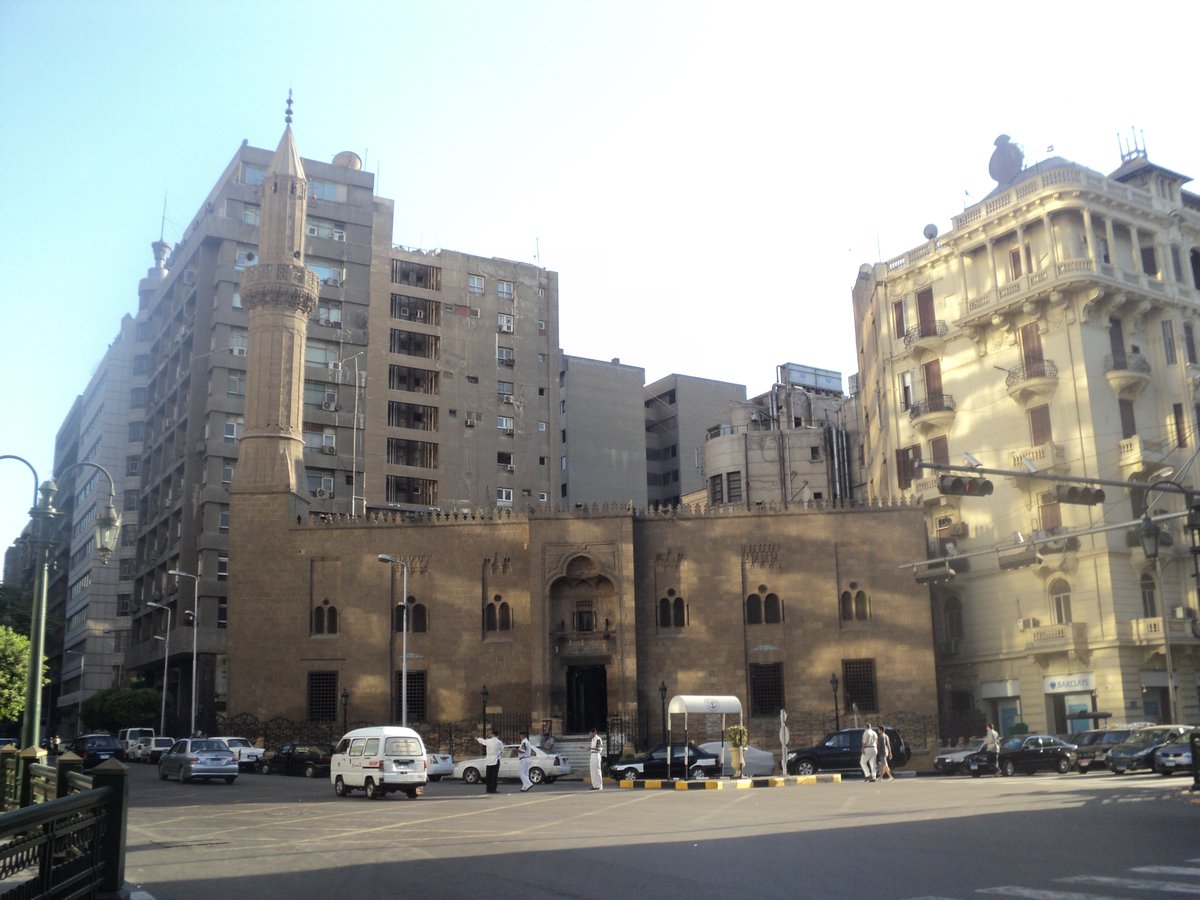
Opera Square (Midan El-Opera) stands as a vibrant testament to Cairo’s rich cultural heritage, urban evolution, and ongoing artistic renaissance. Centrally located in Downtown Cairo and closely linked to the Cairo Opera House, it offers an immersive experience that blends historical grandeur with contemporary creativity. Whether you are a cultural enthusiast, history buff, or first-time visitor, this comprehensive guide provides essential information on Opera Square’s history, visiting hours, ticketing, attractions, and practical travel tips.

Historical Origins and Development
Opera Square was conceived during the mid-19th century as part of Khedive Ismail’s ambitious modernization of Cairo. Inspired by European capitals, Ismail sought to position Cairo as a cosmopolitan metropolis, commissioning new boulevards, public gardens, and monumental buildings. The square was designed as the gateway to the newly planned Khedivial Cairo district, symbolizing Egypt’s aspirations toward modernity (Sites International).
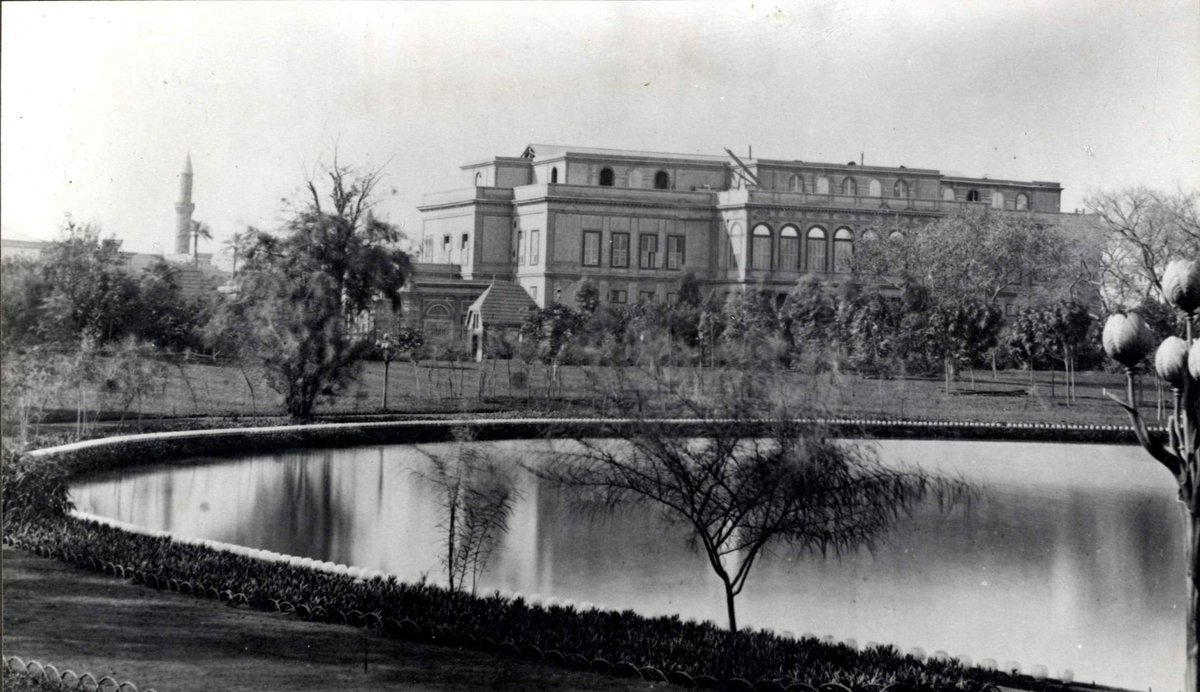
The centerpiece of Opera Square was the Khedivial Opera House, inaugurated in 1869 to commemorate the opening of the Suez Canal. Designed by Italian architect Pietro Avoscani, the opera house—seating around 850 people and constructed primarily of wood—mirrored the grandeur of Milan’s La Scala (Wikipedia: Khedivial Opera House). Its strategic location between the Azbakeya and Ismailia districts reinforced its status as a focal point of modern Cairo (Cairo Top Tours).
Cultural Flourishing and International Prestige
The Khedivial Opera House’s grand opening in 1869 was a major cultural event, attended by European royalty and international dignitaries. The venue’s reputation soared with the world premiere of Verdi’s "Aida" in 1871—commissioned specifically for the Cairo stage. Opera Square soon became a symbol of Egypt’s openness to global artistic movements, drawing elites and visitors from across the region (Wikipedia: Khedivial Opera House).
The square itself featured the equestrian statue of Ibrahim Pasha and was flanked by the lush Al-Azbakia Gardens, blending European urban planning with Egyptian traditions (Sites International).
Transformation and Urban Renewal
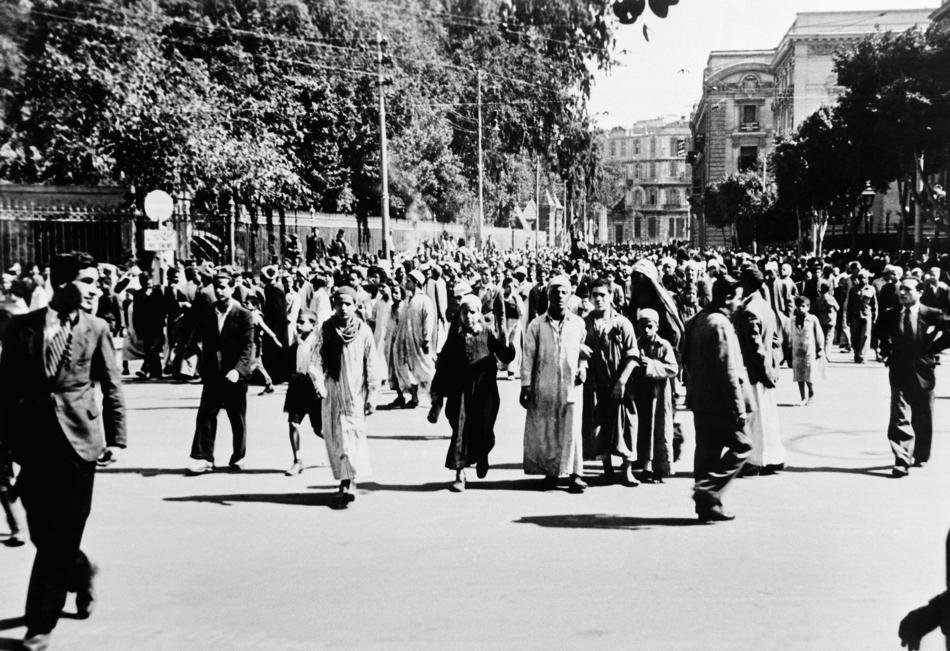
Opera Square thrived as a cultural hub through the early 20th century, surrounded by eclectic architecture and bustling public life (Urban Adventures). However, tragedy struck in 1971 when the original Khedivial Opera House was destroyed by fire, leaving only a few sculptures behind (Wikipedia: Khedivial Opera House). The site was later converted into a car park, but the memory and influence of the square endured.
Recognizing the area’s historical significance, the Egyptian government initiated comprehensive urban renewal efforts in recent decades. The goal has been to restore Opera Square’s heritage facades, enhance public spaces, and reinforce its identity as a living monument to Egypt’s layered history (Sites International).
Opera Square Today: Attractions and Activities
Cairo Opera House Complex
The modern Cairo Opera House, inaugurated in 1988 with Japanese collaboration, is the anchor of Opera Square today (cairoopera.org). Designed by Dr. Kisho Kurokawa, it integrates modern architecture with Islamic motifs and houses:
- Main Hall: Seats 1,200, hosting major operas, ballets, and symphonic concerts.
- Small Hall: Accommodates 500, suitable for chamber music and recitals.
- Open-Air and Roman Theaters: Ideal for outdoor events and large performances.
- Opera Museum: Exhibits memorabilia from both the Khedivial and modern opera houses.
- Museum of Modern Egyptian Art: Showcases more than 800 works by leading Egyptian artists, including a dedicated Engy Aflaton gallery (Egyptian Streets).
Festivals and Events
Opera Square hosts a dynamic calendar of events, including the Cairo International Film Festival, Arab Music Festival, and special concerts by renowned artists. Educational programs, ballet and music classes, and inclusive arts festivals nurture emerging talent and broaden cultural participation (Egyptian Streets).
Public Art and Urban Life
Opera Square’s open plazas, landscaped gardens, and sculptures provide a lively atmosphere. Cafés and art galleries in nearby Zamalek add to the area’s cosmopolitan charm (TravelAsker).
Nearby Cultural Sites
Within walking distance, you’ll find:
- Cairo Tower: Offering panoramic city views (The Egyptian Traveler).
- Nile Corniche: A scenic promenade ideal for walking and photography.
- Egyptian Museum: Home to treasures of ancient Egypt.
- Gezira Island: With gardens, art galleries, and the Gezira Sporting Club.
Visiting Information: Hours, Tickets, and Accessibility
Opera Square
- Open Access: The square itself is a public space and open 24/7.
- Best Time to Visit: Early mornings and late afternoons offer pleasant weather and fewer crowds. December to March is ideal for cooler temperatures (Miss Tourist).
Cairo Opera House & Attractions
- General Hours: 9:00 AM – 10:00 PM daily (performance times vary).
- Box Office: 9:00 AM – 7:00 PM.
- Museum of Modern Egyptian Art: 10:00 AM – 5:00 PM, Tuesday–Sunday.
Tickets
- Opera Square: Free and open to the public.
- Performances: Ticket prices range from 50–800 EGP, depending on the event and seating. Available at the box office or online (cairoopera.org).
- Discounts: Students, seniors, and groups may receive discounts; early booking is recommended for popular events.
Accessibility
- Transport: Adjacent to Opera Metro Station (Line 2); taxis and ride-hailing services (Uber, Careem) are widely available.
- Facilities: The Opera House and most venues are equipped with ramps and elevators for visitors with disabilities.
- Amenities: Restrooms, cafés, ATMs, and currency exchange are available in the area.
Practical Travel Tips
- Dress Code: Modest, smart-casual attire is advised. For evening performances, opt for formal or semi-formal wear.
- Safety: Opera Square is generally safe, with police presence during events. Be mindful of pickpocketing and use taxis after dark.
- Photography: Permitted in public areas; restrictions apply inside the Opera House and during performances.
- Language: Arabic is the official language; English is widely spoken in tourist areas, and signage is bilingual.
- Local Customs: Greeting with "Salam Alaikum" is appreciated. Public displays of affection are discouraged.
- Money: Egyptian Pound (EGP) is the local currency. Cash is preferred for small purchases; tipping is customary.
Frequently Asked Questions (FAQ)
Q: What are Opera Square’s visiting hours?
A: The square is open 24/7. Cultural venues like the Cairo Opera House typically open from 9:00 AM to 10:00 PM.
Q: Do I need a ticket to visit Opera Square?
A: No, the square is free to access. Tickets are required for performances and museum entry.
Q: How do I get to Opera Square?
A: Take the Metro to Opera Station (Line 2), use taxis, or ride-hailing apps.
Q: Are guided tours available?
A: Yes, guided tours of the Opera House and museums can be arranged by appointment.
Q: Is Opera Square accessible for visitors with disabilities?
A: Yes, most venues include ramps and elevators; check with individual attractions for details.
Q: What is the best time to attend performances?
A: Evenings are ideal for performances; check the Cairo Opera House schedule for event times.
Q: Is photography allowed?
A: Yes, in public areas. Photography inside venues may be restricted—always check with staff.
Visual Highlights


Explore a Virtual Tour of Cairo Opera House
Listen to the full story in the app
The whole Opera Square,
told well.
Audio guides for 1,100+ cities across 96 countries. History, stories, and local insight — offline ready.
Verified, and shown.
Researched and written by the Audiala editorial team from historical records, architectural archives, and local expertise.
Researched from Wikidata, Wikipedia & official sources · fact-checked · How we make our guides →