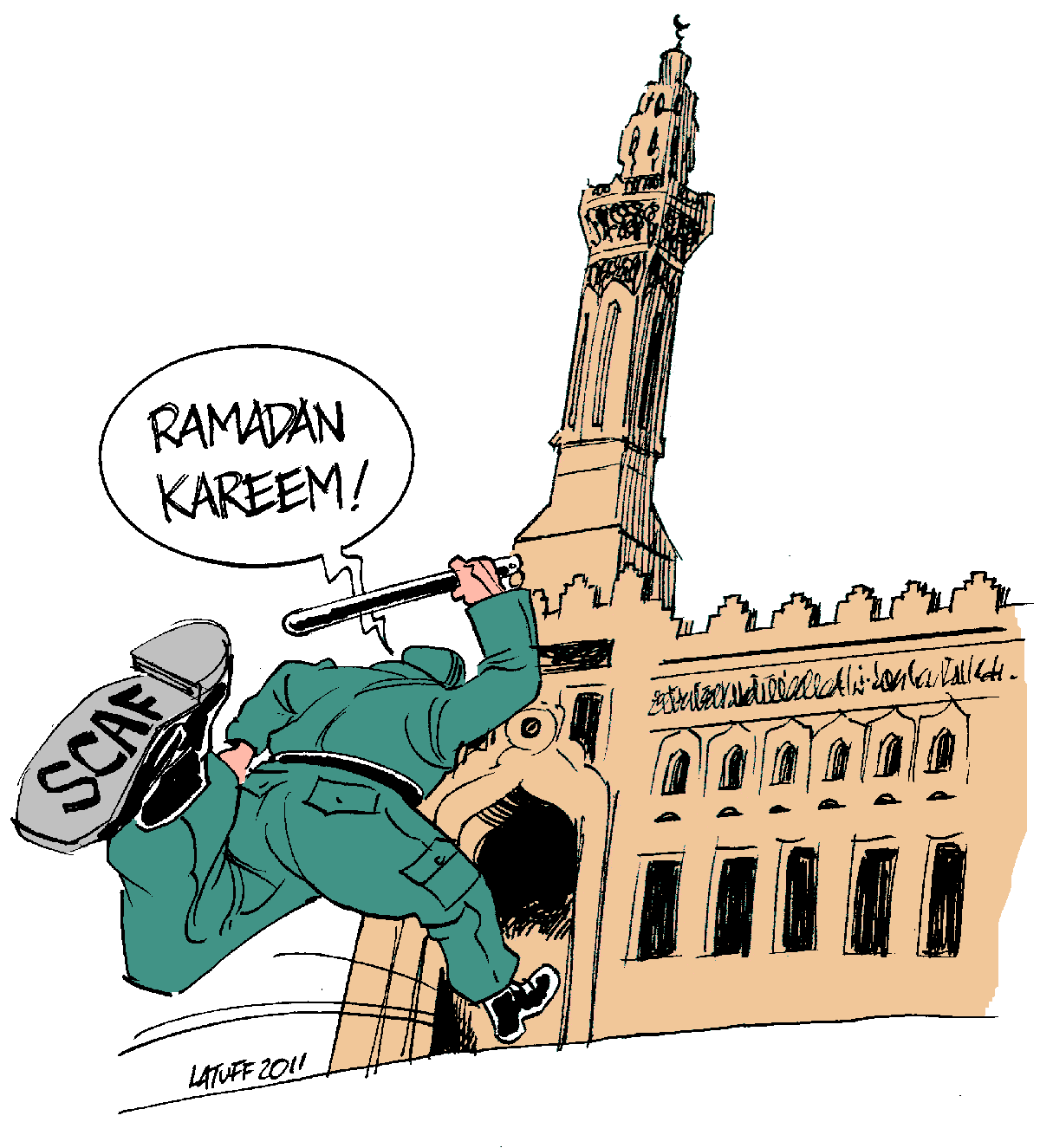
Plan and listen to Omar Makram Mosque with Audiala.
Audio guide in your pocket, itinerary in your browser. Built for the way you actually visit.
Introduction
Omar Makram Mosque, perched on the northern edge of Cairo’s iconic Tahrir Square, is an enduring symbol of Egypt’s dynamic history, urban culture, and Islamic architectural heritage. As a landmark deeply interwoven into Cairo’s civic and spiritual life, the mosque is both a revered place of worship and a vibrant hub for national ceremonies, community engagement, and cultural exchange. Named for Omar Makram, a national hero of the early 19th century, the mosque invites visitors to explore its unique blend of neo-Mamluk architecture, historical significance, and community role.
This guide provides detailed, non-redundant information about Omar Makram Mosque’s visiting hours, ticketing, accessibility, etiquette, and travel tips. It also offers practical advice for exploring other historical sites in Cairo, ensuring visitors make the most of their journey through Egypt’s capital.
For further reading, see resources from Artforum, ETB Tours Egypt, and Cairo Tours Planner.
Historical Context and Foundation
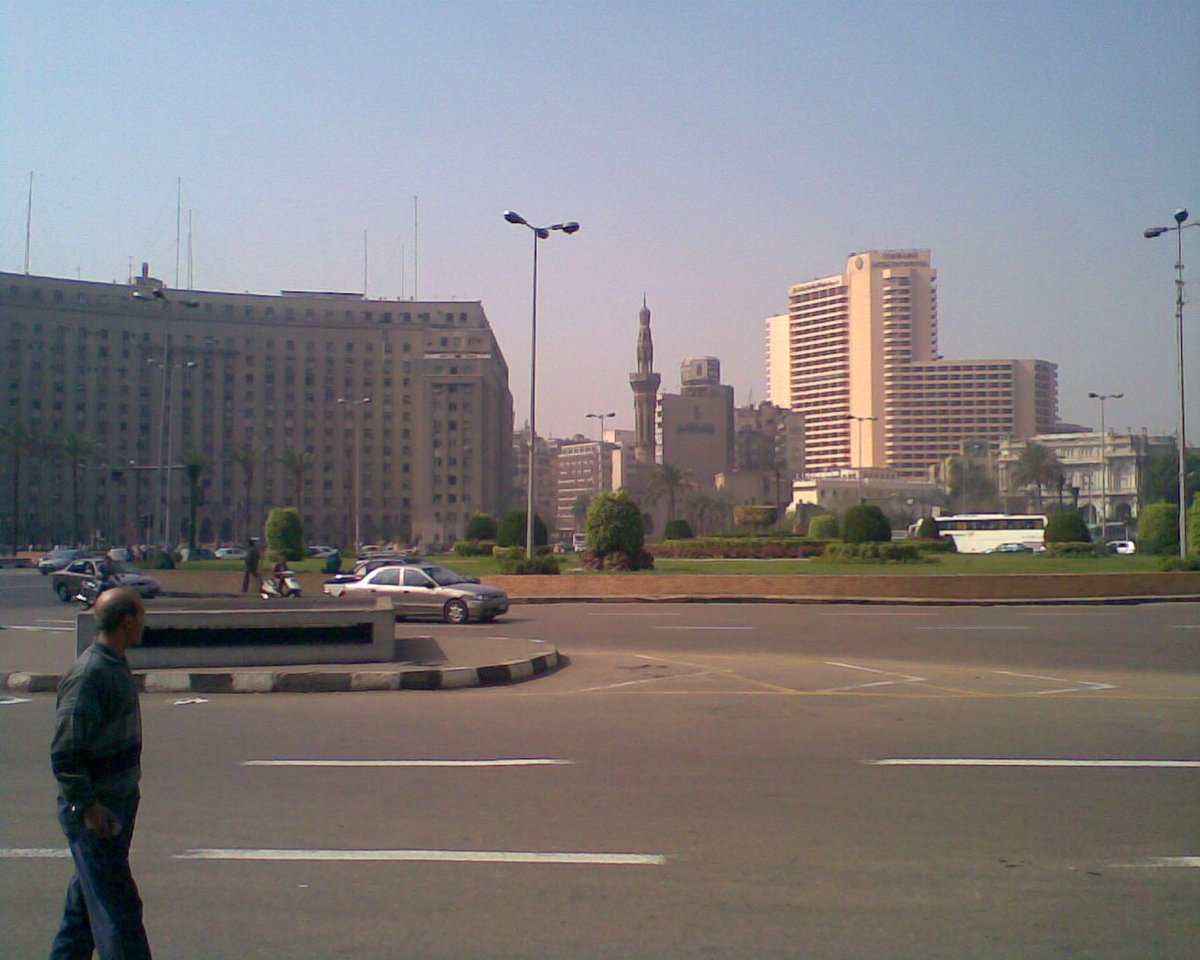
Omar Makram Mosque’s story is closely tied to Egypt’s modern nation-building. Constructed in 1948, it occupies a strategic urban location adjoining Tahrir Square and the Mogamma‘ government building. The mosque honors Omar Makram, a religious leader who led Egyptian resistance against the French occupation in 1800 and later opposed Muhammad Ali’s autocratic rule. In front of the mosque, a statue of Makram—erected in 2003—reinforces its role as a space of public memory and national pride (Artforum).
The mosque’s inception coincided with the transformation of Tahrir Square into a focal point of modern Egyptian civic life, reflecting the city’s blend of Western urban planning and Islamic tradition. Its presence alongside landmarks like the Egyptian Museum and the Arab League Building highlights its enduring civic and symbolic significance.
Architectural Design and Features
Neo-Mamluk Heritage
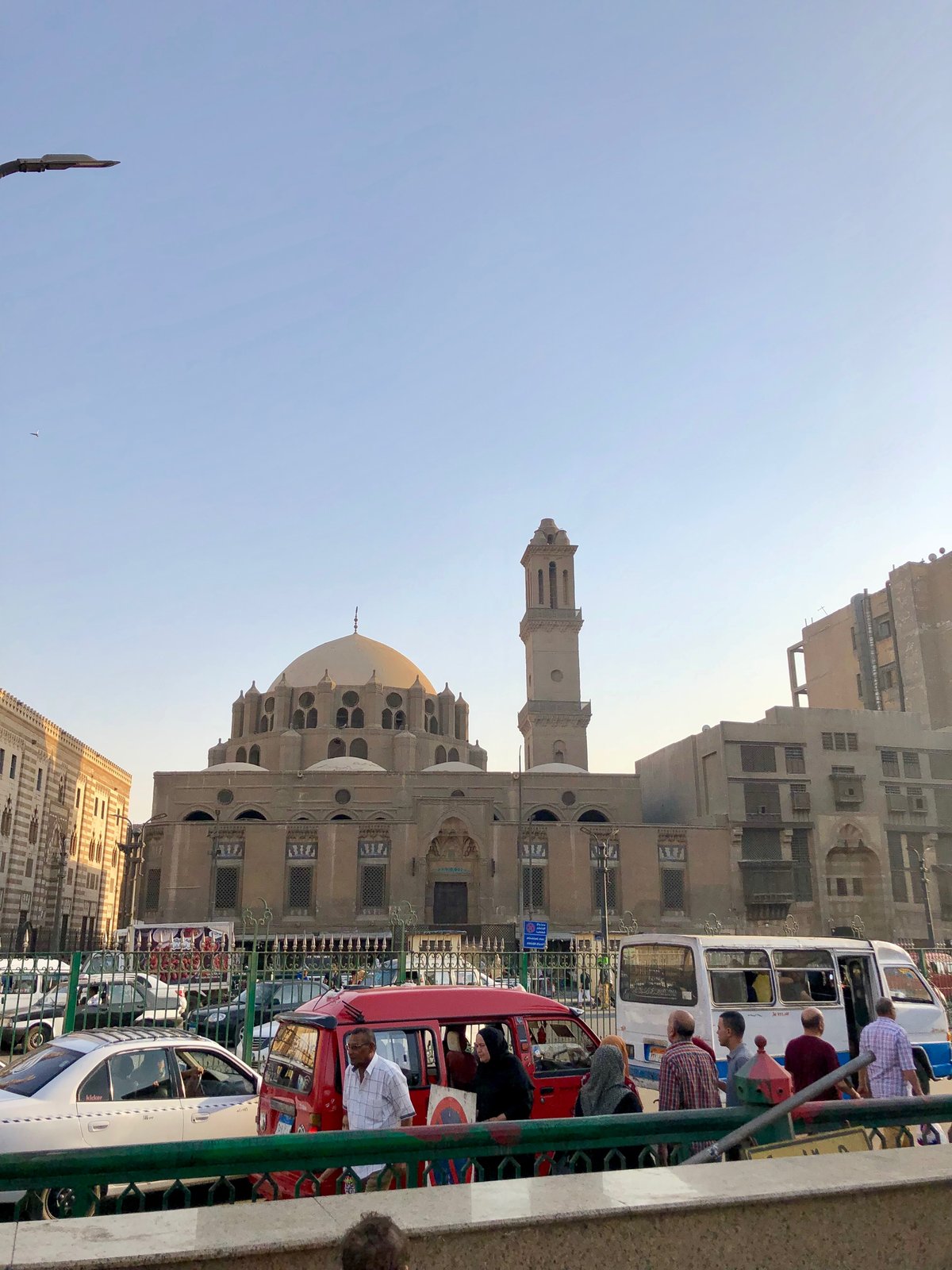
Designed by Mario Rossi, a prominent architect for Egypt’s Waqf Ministry, Omar Makram Mosque exemplifies the neo-Mamluk style—a modern revival and reinterpretation of the celebrated Mamluk architectural era (1250–1517). Rossi’s design features pointed arches, intricate stonework, geometric and arabesque decoration, and a prominent octagonal minaret, all executed with a sense of modern restraint and elegance (Artforum).
Interior Layout
The prayer hall is spacious, illuminated by large windows that create a tranquil atmosphere. The mihrab (prayer niche) is adorned with traditional motifs, and the minbar (pulpit) is carved from fine wood. The mosque’s interior avoids excessive ornamentation, focusing instead on the purity of form and quality of materials (ETB Tours Egypt).
Urban Integration
Unlike many traditional mosques with central courtyards, Omar Makram Mosque features a forecourt suited to its urban context. This space serves as a buffer from the bustle of Tahrir Square and as a venue for large funerary gatherings, underlining the mosque’s dual civic and religious function.
Visiting Information
Visiting Hours
- General Hours: Open daily, typically from 9:00 AM to 4:00 PM, with extended access for worshippers during prayer times.
- Best Time to Visit: Mid-morning or early afternoon is ideal. Avoid Fridays and religious festivals, when the mosque is crowded or access for non-Muslims is restricted (Adequate Travel).
Tickets & Admission
- Entry Fee: Free for all visitors. Donations are appreciated, especially if you receive a headscarf or shoe cover upon entry (Day in My Dreams).
- Booking: No advance booking or ticket is required.
Dress Code & Etiquette
- Attire: Modest clothing is compulsory for all visitors. Women should cover their hair with a scarf, and both genders must cover arms and legs (Egypt Tours Plus).
- Footwear: Shoes must be removed before entering the prayer hall. A shoe custodian is usually present; tipping is customary (The Intrepid Guide).
- Behavior: Maintain respectful silence, avoid loud conversations, and do not photograph worshippers without consent.
Photography
- Permitted: Courtyard and exterior.
- Restricted: Interior photography often requires permission, especially during prayers or funerals. No flash photography (Day in My Dreams).
Accessibility
- The mosque is accessible at street level, but interior steps and uneven surfaces may pose challenges. Wheelchair users or visitors with mobility needs should arrange assistance in advance (That Travel).
Facilities
- Ablution Areas: Separate for men and women.
- Restrooms: Basic, so carry tissues and hand sanitizer.
- Shops & Cafés: None on site, but Tahrir Square offers many options nearby.
How to Get There
- By Metro: Take Cairo Metro to Sadat Station (Tahrir Square), then walk 5 minutes north.
- By Taxi/Ride-Hailing: All major services operate in downtown Cairo.
- By Foot: Easily reachable from many downtown hotels and attractions.
Nearby Attractions
- Tahrir Square: The epicenter of Cairo’s modern history and political life.
- Egyptian Museum: Home to thousands of ancient artifacts.
- Arab League Building: Important diplomatic site.
- Nile Corniche: Scenic riverside promenade.
Cultural and Community Role
Omar Makram Mosque is more than an architectural monument—it is a living center for Cairo’s spiritual, civic, and social life. It hosts daily prayers, major religious ceremonies, funerals of prominent figures, and national commemorations (Cairo Tours Planner). The mosque actively engages in social welfare by distributing food, aiding orphans, and supporting local charitable initiatives, especially during Ramadan.
The mosque also encourages interfaith and cross-cultural engagement, welcoming non-Muslim visitors and providing educational materials and guided tours. Its openness is a testament to Cairo’s tradition of tolerance and cultural exchange.
Tips for Your Visit
- Plan around prayer times to ensure access and a quieter experience.
- Dress appropriately—women should bring a scarf, and all visitors should wear modest clothing.
- Carry small change for tips and donations.
- Bring water and snacks as facilities are basic.
- Check event schedules in advance for funerals or special events that may affect access.
- Hire a local guide for historical and architectural insights, especially if you do not speak Arabic (Egypt United Tours).
- Stay vigilant with personal belongings, especially in crowded areas around Tahrir Square.
FAQ
Q: What are the Omar Makram Mosque visiting hours?
A: Typically from 9:00 AM to 4:00 PM daily, outside of prayer times. Hours may vary during festivals.
Q: Is there an entrance fee or ticket required?
A: No, entry is free. Donations are welcome.
Q: Can non-Muslims visit?
A: Yes, non-Muslims are welcome outside of prayer times, provided they dress modestly.
Q: Are guided tours available?
A: Yes, through local tour operators and private guides.
Q: Is the mosque accessible for people with disabilities?
A: Limited accessibility; visitors with mobility needs should inquire in advance.
Q: Is photography allowed?
A: Yes, in exterior and courtyard areas. Permission is required inside.
Tickets & tours.
These are guided options from our partners — same price as booking direct.
Prices are indicative — final pricing and availability are confirmed at checkout. Audiala may earn a commission from bookings made through these links.
Listen to the full story in the app
The whole Omar Makram Mosque,
told well.
Audio guides for 1,100+ cities across 96 countries. History, stories, and local insight — offline ready.

Verified, and shown.
Researched and written by the Audiala editorial team from historical records, architectural archives, and local expertise.
Researched from Wikidata, Wikipedia & official sources · fact-checked · How we make our guides →