Plan and listen to Mosque Of Aslam Al-Silahdar with Audiala.
Audio guide in your pocket, itinerary in your browser. Built for the way you actually visit.
Introduction
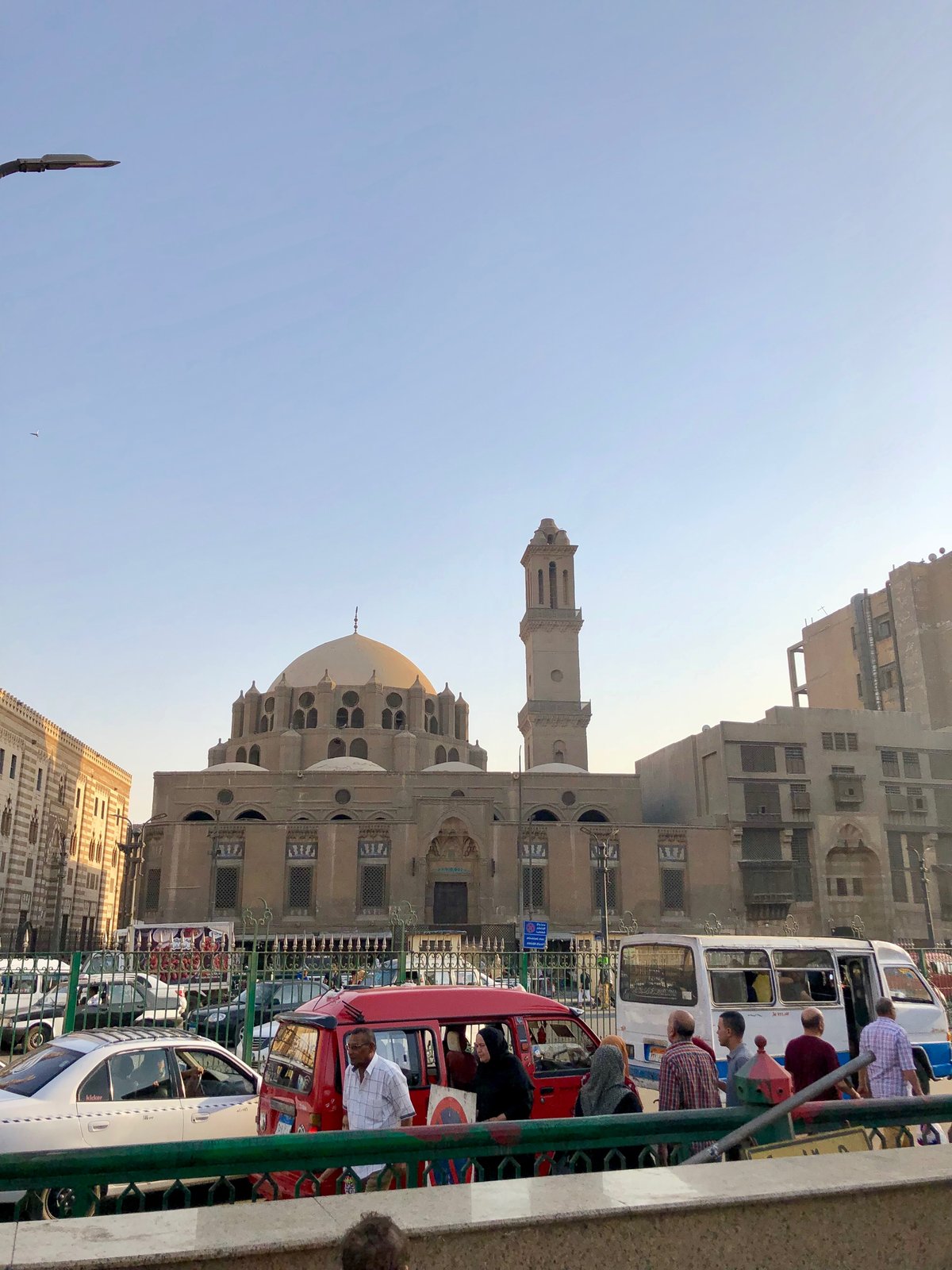
Nestled in the heart of Cairo’s historic al-Darb al-Ahmar district, the Mosque of Aslam al-Silahdar stands as a magnificent testament to the zenith of Mamluk artistry and culture. Built in 1344 CE under the patronage of Emir Aslam al-Silahdar, a distinguished Mamluk military leader, this mosque is not only a remarkable architectural landmark but also a living center for religious, educational, and community life in medieval and modern Cairo (Archnet; Islamic Art Network).
This guide offers detailed information on the mosque’s history, architectural features, visiting hours, ticketing, accessibility, travel tips, nearby attractions, and frequently asked questions, making it an essential resource for travelers, history enthusiasts, and architecture aficionados.
Historical Background
Foundation and Patronage
The Mosque of Aslam al-Silahdar was commissioned by Emir Aslam al-Silahdar, who served as the “master of arms” under Sultan al-Nasir Muhammad during the Bahri Mamluk dynasty. Aslam’s career was marked by both distinction and adversity, including a lengthy imprisonment before his reinstatement (Archnet; Mosqpedia). The mosque was part of a larger complex that originally included a madrasa (Islamic school), a sabil (public water fountain), and a mausoleum for its founder.
Urban Setting
Located along Shari‘ al-Mu‘izz li-Din Allah, one of Cairo’s oldest and most significant streets, the mosque is surrounded by a dense concentration of medieval monuments that reflect the district’s historical and cultural importance (UNESCO). Its slightly irregular footprint and orientation were adapted to the historic urban landscape and pre-existing cemetery grounds (Wikipedia).
Architectural Features
Facades and Entrances
The mosque’s main and side facades are adorned with monumental portals, exemplary of Mamluk design. The main entrance features a richly ornamented marble panel with a circular medallion and floral arabesques, while inscription panels display elegant calligraphy (Wikipedia).
Dome and Minaret
A ribbed brick dome, embellished with rare faience mosaics and Quranic inscriptions, crowns the mausoleum. The minaret, with its square base and octagonal shaft, is topped by a bulbous finial and offers panoramic views of Cairo from the top (Google Arts & Culture; Egyptopia).
Decorative Elements
The mosque is constructed primarily from stone, with extensive colored marble inlay, intricate stucco medallions, and geometric tilework. Many of these decorative elements were crafted by artisans from Tabriz, Iran, reflecting the cosmopolitan character of Mamluk Cairo (Archnet; Mosqpedia).
Interior Layout
Inside, the mosque’s modified four-iwan plan is organized around a central courtyard. The eastern iwan contains the qibla wall and a marble-inlaid mihrab, while the other iwans serve various communal and functional purposes. Stone mosaics and stucco ornamentation enhance the floors and walls, creating an interplay of light and shadow (Lonely Planet).
Visiting Information
Visiting Hours
- General Hours: 8:00 AM to 5:00 PM daily.
- Note: Hours may vary during religious holidays and special events. It is advisable to check in advance.
Tickets and Entrance Fees
- Worshippers: Free entry.
- Tourists: A modest fee may be charged (typically around 20–30 Egyptian Pounds). Fees can vary, especially for guided tours.
Accessibility
- Mobility: Main areas are accessible, but some uneven surfaces and steps may present challenges. Assistance is recommended for visitors with mobility issues.
- Footwear: Comfortable shoes are necessary; shoes must be removed before entering prayer areas.
Dress Code and Etiquette
- Modest dress is required: shoulders and knees covered. Women should bring a scarf for head covering.
- Remove shoes before entering sacred areas.
- Maintain silence and respect, especially during prayers.
- Photography is permitted, but avoid flash and always seek permission before photographing worshippers (Travel2Egypt; Timeless Tours).
Guided Tours
- Official Tours: Available through local operators and visitor centers.
- Unofficial Guides: May approach you; accept only if desired and agree on a fee in advance.
- Educational Programs: Occasionally offered by ARCE and local heritage organizations (ARCE).
Travel Tips and Nearby Attractions
- Best Time to Visit: Early morning or late afternoon to avoid crowds and heat.
- Combine Visits: Nearby landmarks include the Sultan Hassan Mosque, Al-Azhar Mosque, Bab al-Mahruq Gate, and Khan el-Khalili Bazaar.
- Facilities: Restrooms are available nearby, though basic—carry tissues and hand sanitizer.
- Refreshments: Cafés and street vendors are plentiful on Muizz Street.
Conservation and Community Engagement
The mosque has undergone several major restorations, most recently between 2005 and 2009, led by ARCE, the Aga Khan Trust for Culture, and local craftsmen. These efforts have revitalized original features and ensured the mosque’s ongoing role as a community and religious hub (ARCE; Google Arts & Culture).
Responsible Tourism
- Support local artisans and businesses in the district.
- Observe all posted rules and respect the mosque’s sanctity.
- Avoid bringing food or drink into the mosque.
- Small tips (“baksheesh”) are appreciated for services such as restroom attendants (Travel2Egypt).
Photographic Highlights
- Main Entrance Portal: Marble medallion and intricate carvings.
- Central Courtyard: Vaulted iwans and interplay of sunlight.
- Minaret and Dome: Best at sunset or golden hour.
Frequently Asked Questions (FAQs)
Q: What are the visiting hours?
A: The mosque is open daily from 8:00 AM to 5:00 PM, with possible variations during holidays and special events.
Q: Is there an entrance fee?
A: Entry is free for worshippers; tourists may pay a small fee (20–30 EGP).
Q: Can non-Muslims visit?
A: Yes, generally outside prayer times, but access to some areas may be restricted.
Q: Are guided tours available?
A: Yes, through local operators and visitor centers.
Q: Is the mosque accessible to people with disabilities?
A: Accessibility is limited due to historic architecture; assistance is recommended.
Q: Is photography allowed?
A: Yes, but avoid flash and always ask before photographing people.
Summary and Visitor Recommendations
The Mosque of Aslam al-Silahdar is an essential stop for anyone interested in Cairo’s Islamic heritage, offering a rich blend of architectural excellence, historical depth, and living tradition. With practical visitor information, a respectful approach, and engagement with the surrounding district, your visit will be both memorable and meaningful. Use digital resources like the Audiala app for maps, audio tours, and up-to-date information, and explore related sites to enrich your understanding of Cairo’s Mamluk legacy.
Listen to the full story in the app
The whole Mosque Of Aslam Al-Silahdar,
told well.
Audio guides for 1,100+ cities across 96 countries. History, stories, and local insight — offline ready.

Verified, and shown.
Researched and written by the Audiala editorial team from historical records, architectural archives, and local expertise.
Researched from Wikidata, Wikipedia & official sources · fact-checked · How we make our guides →