Plan and listen to Mosque Of Al-Malika Safiyya with Audiala.
Audio guide in your pocket, itinerary in your browser. Built for the way you actually visit.
Introduction
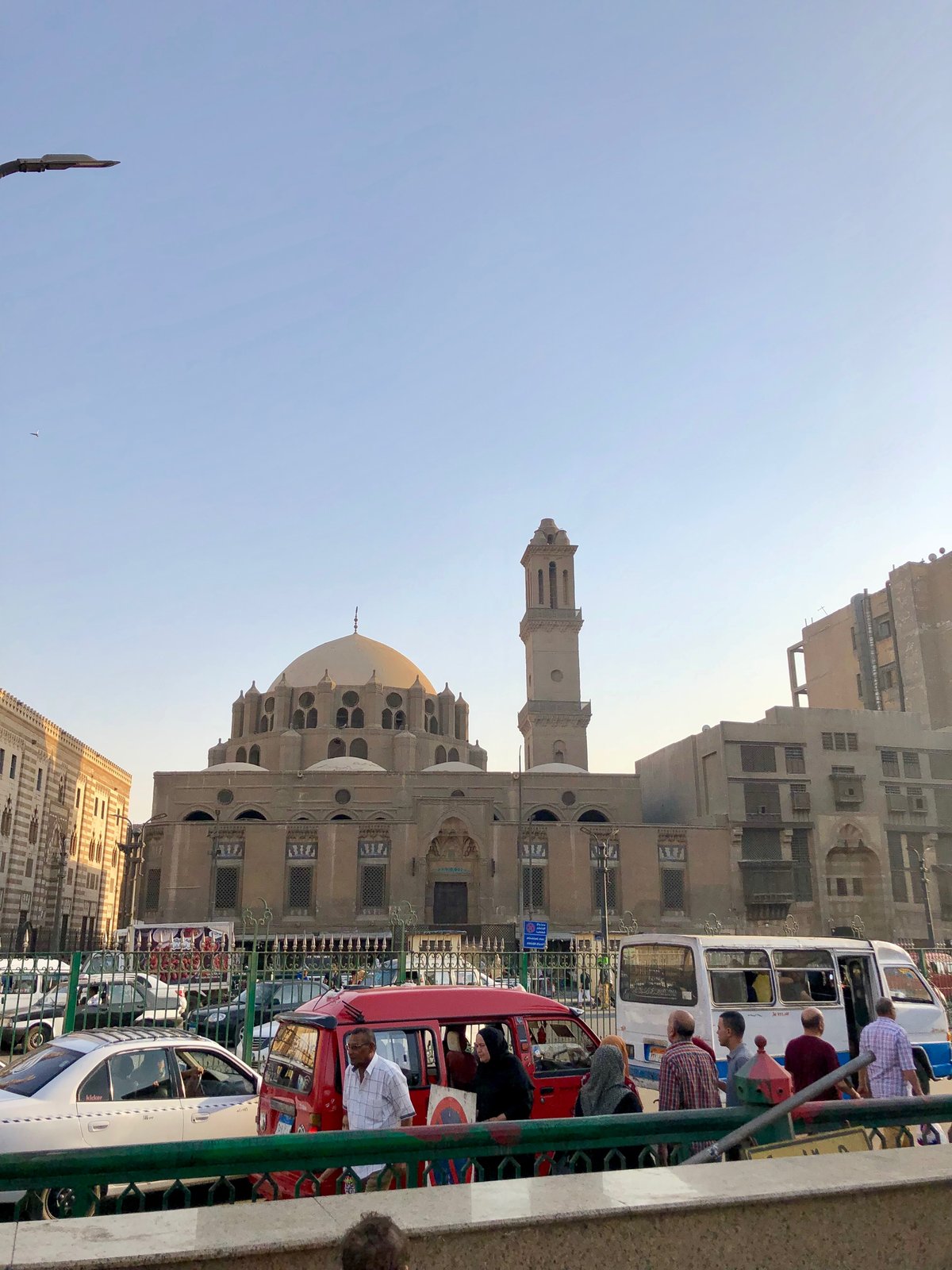
The Mosque of Al-Malika Safiyya stands in the heart of Islamic Cairo, a testament to the city’s vibrant Ottoman heritage. Built around 1610, this mosque embodies the intersection of imperial patronage, female influence, and architectural synthesis between Ottoman and local Cairene styles (Archnet). Named after Safiyya Sultan—originally Sofia Baffo, a Venetian noblewoman who became Valide Sultan (queen mother) of the Ottoman Empire—the mosque also reflects the important, though often indirect, role of women in the architectural and religious life of Ottoman Egypt.
Today, the mosque offers an intimate spiritual space for worship and a fascinating window for travelers into Cairo’s layered past. This comprehensive guide explores the mosque’s history, architecture, visiting hours, ticketing, etiquette, accessibility, and nearby attractions, providing all you need for a meaningful visit.

Historical Background and Patronage
Ottoman Cairo and the Mosque’s Origins
Ottoman rule over Egypt (from 1517) brought new currents of architectural style and patronage to Cairo. The construction of mosques was both a religious obligation and a means for elites—both male and female—to assert status and secure their legacies.
Although the mosque bears Safiyya Sultan’s name, the initial patron was ‘Uthman Agha, the Agha Dar al-Sa‘ada (chief black eunuch) of the imperial harem and an influential administrator of the waqf estates (Archnet). As Safiyya’s agent, ‘Uthman Agha initiated construction, reflecting the complex social hierarchies of the Ottoman court. Upon his death, the unfinished mosque came under Safiyya’s patronage, who endowed it with a waqf to ensure its maintenance and religious function.
Safiyya Sultan: A Legacy of Female Patronage
Safiyya Sultan’s journey from Venetian noblewoman to Ottoman queen mother is emblematic of the cosmopolitan nature of the empire. As Valide Sultan, she wielded considerable political power and extended her influence through charitable works and religious endowments. The mosque’s waqf deed stipulated a staff of 39, including supervisors, imams, and caretakers, reflecting its role as both a religious and social institution (Archnet).
This layered legacy highlights the significant, though often unheralded, impact of female patronage on Cairo’s religious and architectural landscape.
Architectural Features
Layout and Planning
The mosque’s layout reflects Ottoman architectural innovation mingled with Cairene tradition. It features a rectangular prayer hall crowned by a central brick-and-plaster dome, supported by Ottoman-style pendentives. The centralized plan contrasts with the hypostyle halls of earlier Mamluk mosques.
Dome, Minaret, and Decorative Elements
- Dome: The central dome, with its painted Quranic inscriptions, is flanked by smaller semi-domes and vaults, creating a harmonious, intimate space.
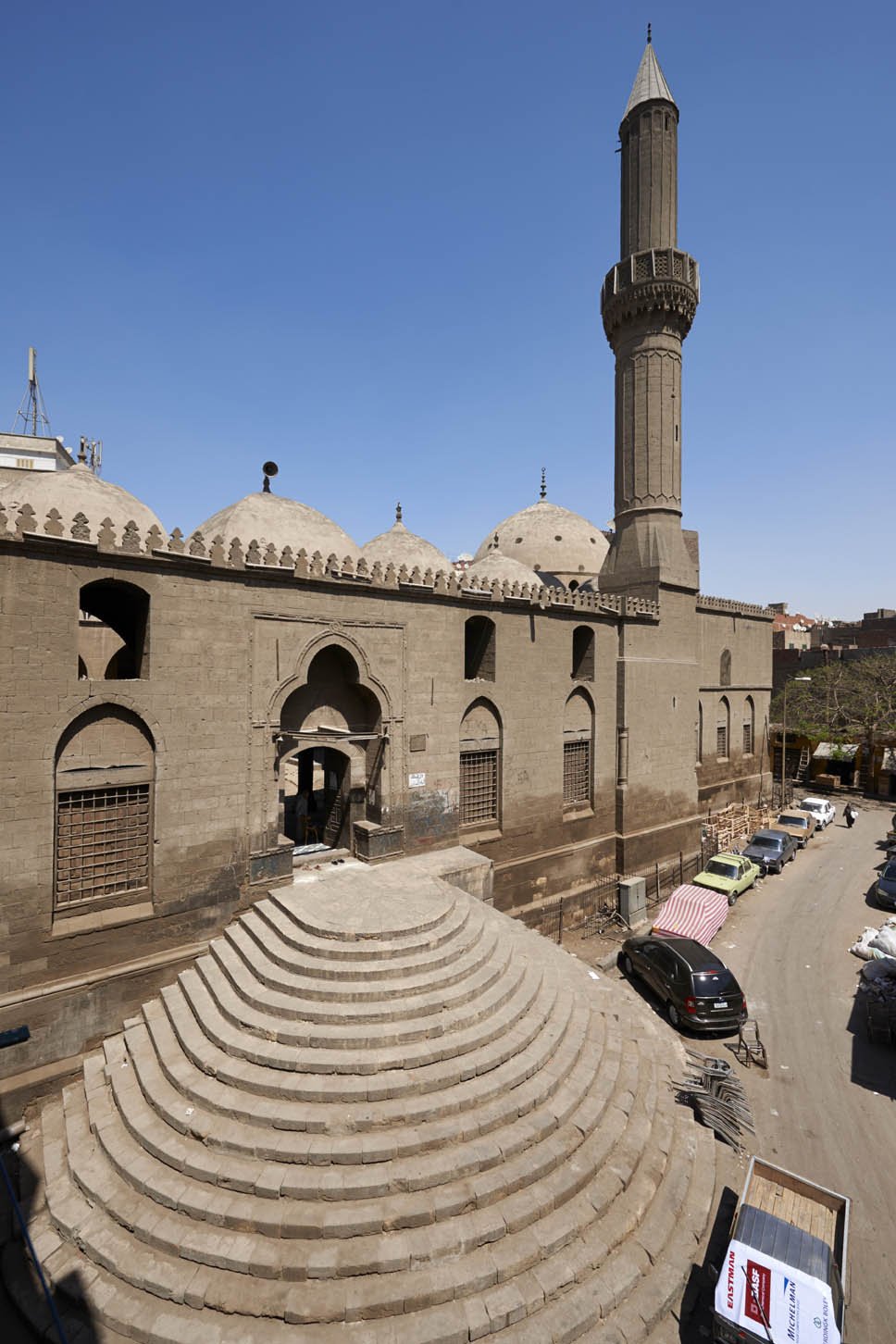
- Minaret: The slender, pencil-shaped minaret with a conical top rises from the northwest corner, a hallmark of Ottoman style (Victoria and Albert Museum).
- Mihrab and Minbar: The mihrab is framed in marble and adorned with geometric and floral motifs; the minbar is a masterpiece of carved wood and marble (Victoria and Albert Museum).
- Light and Materials: Natural light pours through arched colored-glass windows. The restrained interior palette, with painted arabesques and calligraphy, blends local and Ottoman artistry.
Courtyard and Sabil
A compact courtyard at the entrance, along with a sabil (public fountain), reflects Ottoman preferences for centralized mosque plans and community-oriented features.
Visitor Information
Visiting Hours and Ticket Information
- Hours: Open daily from 8:00 AM to 5:00 PM. Closed during major Islamic holidays and during prayer times, especially on Fridays (Islamic Landmarks).
- Entry: Admission is generally free; donations for upkeep are welcomed.
- Tickets: Guided tours or special exhibitions may require a fee, arranged through local agencies or mosque staff.
Accessibility
The mosque’s historic architecture means accessibility is somewhat limited. Wheelchair access may be restricted, and visitors with mobility concerns should contact tour operators in advance.
Dress Code and Etiquette
- Modest clothing: Shoulders, arms, and knees covered; women to cover hair (The Intrepid Guide).
- Shoes must be removed before entering prayer areas.
- Maintain quiet, respectful behavior; silence mobile phones; avoid eating or drinking inside.
- Photography is allowed, but always ask before photographing people.
Guided Tours
Local agencies and mosque-appointed guides offer tours that provide historical and architectural context. Booking in advance is recommended during peak seasons.
Nearby Attractions
- Bāb Zuwaylah: Historic medieval city gate.
- Museum of Islamic Art: Extensive collections of Islamic artifacts.
- Khan el-Khalili Bazaar: Iconic Cairo market.
- Sabil-Kuttab of Mustafa El-Muhasibgi: Notable for its Ottoman architecture and educational function.
- Sultan Hassan Mosque, Al-Azhar Mosque, Cairo Citadel: Other major examples of Islamic architecture nearby.
Travel Tips
- Visit between October and April for milder weather.
- Bring a scarf, socks, bottled water, and cash for tips or donations.
- Fridays and religious holidays are busiest; mornings are best for a tranquil experience.
- Plan a walking tour to include other nearby Islamic monuments (Egyptopia).
Frequently Asked Questions (FAQ)
Q: What are the visiting hours?
A: 8:00 AM to 5:00 PM daily; closed during major Islamic holidays and prayer times.
Q: Is there an entrance fee?
A: No, entry is free; donations are appreciated.
Q: Can non-Muslims visit?
A: Yes, in public areas; modest dress and respectful conduct required.
Q: Are guided tours available?
A: Yes, through local agencies or mosque guides.
Q: Is the mosque wheelchair accessible?
A: Accessibility is limited due to historic architecture.
Preservation and Current Status
The Mosque of Al-Malika Safiyya remains a functioning place of worship and a protected heritage site. While less frequented than Cairo’s grander mosques, it is cherished for its understated elegance and historical resonance. Key elements, such as the mihrab and minbar, have been preserved in museum collections (Victoria and Albert Museum).
Final Tips and Summary
The Mosque of Al-Malika Safiyya is a unique blend of Ottoman and Egyptian traditions, reflecting the enduring legacy of female patronage in Islamic architecture. Its tranquil setting, intricate details, and layered history make it a rewarding stop for any visitor to Cairo. By showing respect for local customs and the mosque’s ongoing religious function, you help preserve this vital piece of the city’s heritage for future generations (Archnet). For the latest updates, check local sources, digital guides, and the Audiala app.
Listen to the full story in the app
The whole Mosque Of Al-Malika Safiyya,
told well.
Audio guides for 1,100+ cities across 96 countries. History, stories, and local insight — offline ready.
Verified, and shown.
Researched and written by the Audiala editorial team from historical records, architectural archives, and local expertise.
Researched from Wikidata, Wikipedia & official sources · fact-checked · How we make our guides →