Introduction
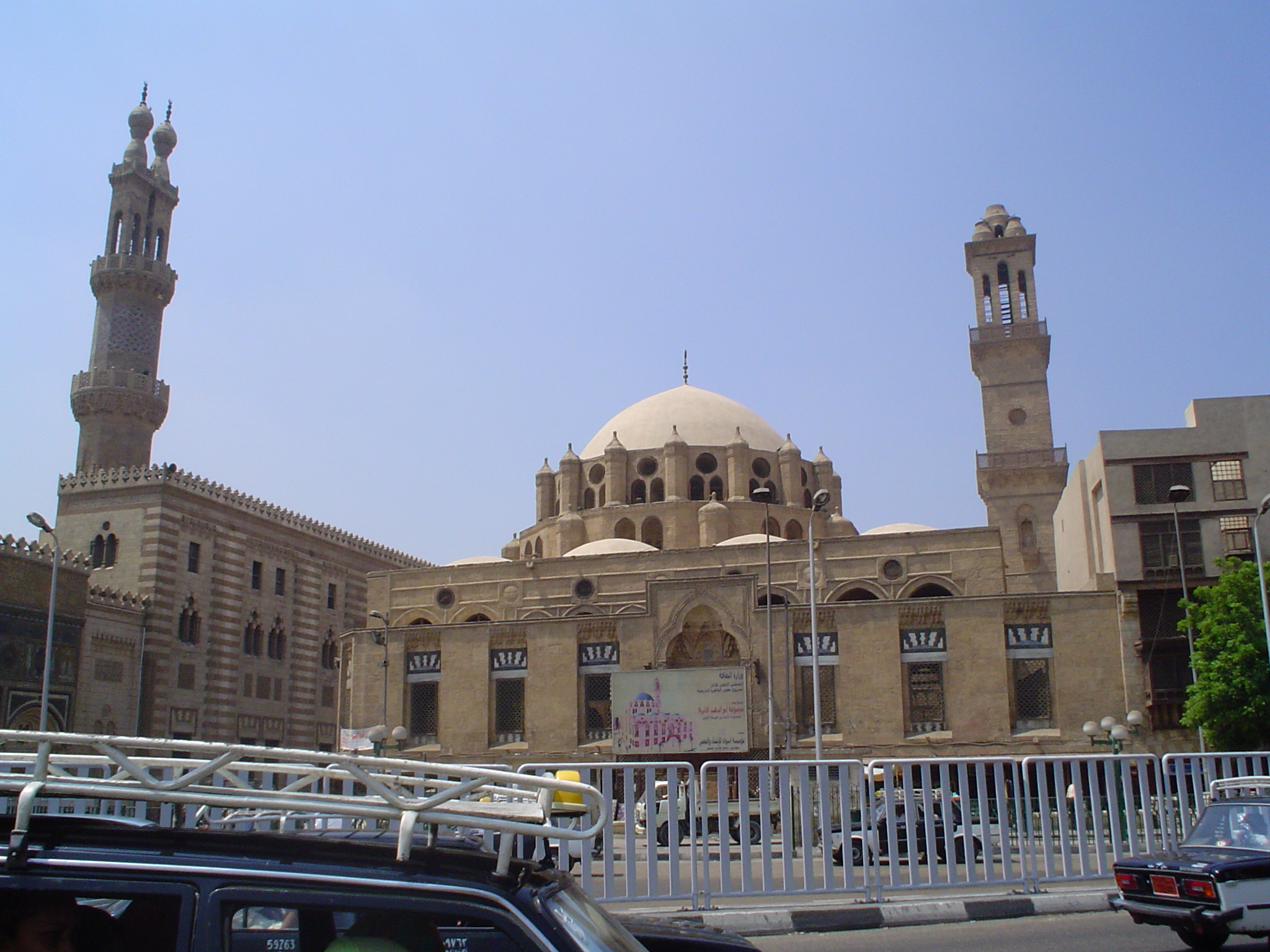
The Mosque of Al-Mahmudiya, nestled in the heart of Historic Cairo near the Citadel, is a remarkable testament to Egypt’s layered Islamic history. This guide provides a detailed overview of its history, architectural significance, visitor information including opening hours and ticketing, accessibility tips, and nearby attractions. Whether you are an architecture enthusiast, history lover, or a traveler eager to explore one of Cairo’s hidden gems, this article will help you plan an enriching and respectful visit.
Historical and Architectural Significance
Foundation and Patronage
Commissioned by Mahmud Pasha, an Ottoman governor, in 1567 CE, the Mosque of Al-Mahmudiya marks a pivotal moment in Cairo’s architectural evolution. Built during the early Ottoman rule, it reflects both the imperial ambitions of the Ottomans and their respect for the city’s Mamluk heritage (Archnet). Its strategic location near the Citadel and the Madrasa of Sultan Hasan underscores its political and religious importance within Cairo’s UNESCO World Heritage-listed district (Archiqoo).
Transition from Mamluk to Ottoman Styles
The mosque is celebrated as an early example of Ottoman architecture in Cairo, seamlessly blending Mamluk decorative motifs with Ottoman elements. Its signature features—such as the slender, pencil-shaped minaret and domed mausoleum—exemplify this stylistic dialogue. The carefully carved façade, geometric ornamentation, and harmonious proportions reflect the high artistry of Islamic Cairo in the 16th century (Bates, 1991; Behrens-Abouseif, 1989).
Urban Context and Heritage Status
Standing adjacent to major monuments like the Citadel, Sultan Hassan Mosque-Madrasa, and Al-Muizz Street, the mosque is part of a vibrant network of historic sites. Its continued use as a place of worship and its inclusion in ongoing restoration projects highlight its enduring role in Cairo’s spiritual and communal life (Egypt Today).
Visitor Information
Visiting Hours
- Usual hours: Daily, 8:00 AM to 5:00 PM.
- Note: Hours may vary during religious holidays or special events. It is recommended to check ahead with local tourism offices or official channels for the most current information.
Tickets and Admission
- Entry: Typically free for all visitors, reflecting the mosque’s active status as a place of worship.
- Donations: Visitors are encouraged to make a donation to support ongoing maintenance and preservation.
- No official ticketing is required for casual visits.
Dress Code and Etiquette
- Attire: Modest clothing is required; men should wear long pants and sleeved shirts, and women should cover their hair, arms, and legs (Egypt Tours Plus; Evantoura).
- Shoes: Remove shoes before entering the prayer hall. Bringing socks and a shoe bag is advisable.
- Behavior: Maintain a respectful, quiet demeanor; avoid loud conversations and photographing worshippers without permission.
Accessibility
- The mosque’s historic nature means some areas have uneven flooring and steps. Wheelchair access is limited.
- Visitors with mobility challenges should coordinate with local guides for assistance.
Getting There
- By taxi or ride-sharing: Widely accessible from anywhere in Cairo; using apps like Uber or Careem is recommended for convenience.
- By metro: The nearest station is Ataba; from there, a short taxi ride or walk brings you to the mosque (Lonely Planet).
- On foot: The mosque is walkable from many other sites within Islamic Cairo.
Facilities
- Restrooms are generally not available inside; nearby cafes and markets offer basic facilities.
- Eating and drinking inside is discouraged; carry water, especially in warmer months.
Guided Tours, Photography, and Events
- Guided tours: Local operators offer tours focusing on the mosque’s history and architecture, often in combination with other Islamic Cairo sites. These tours provide rich insights and are recommended for deeper exploration.
- Special events: During Ramadan and major Islamic holidays, the mosque hosts communal prayers and cultural gatherings, offering unique opportunities for visitors.
- Photography: The mosque’s façade, minaret, and interior decorations make for excellent photography subjects—always seek permission before photographing people or religious activities.
Nearby Attractions
- Citadel of Cairo: Medieval fortress with panoramic city views and museums.
- Sultan Hassan Mosque-Madrasa: Mamluk-era masterpiece.
- Al-Muizz Street: Historic thoroughfare lined with Islamic monuments and bustling markets.
- Bab Zuweila: Historic city gate with panoramic views.
- Al-Azhar Mosque: Center of Islamic scholarship.
- Khan El Khalili Bazaar: Cairo’s most famous market for spices, crafts, and souvenirs.
- Museum of Islamic Art: World-class collection contextualizing Cairo’s Islamic monuments (Official Museum of Islamic Art).
- Gayer Anderson Museum, Al-Azhar Park, and Downtown Cairo: Additional nearby sites for a comprehensive cultural experience.
Practical Tips for Visitors
- Best time to visit: September–April for milder weather and fewer crowds. Avoid midday Friday prayers and major holidays for a calmer experience (Local Guide to Egypt).
- Safety: Islamic Cairo is generally safe, but always be mindful of your belongings and avoid isolated areas after dark.
- Solo and female travelers: Dress conservatively and use women-only carriages on the metro for added comfort and security.
Frequently Asked Questions (FAQ)
Q: What are the Mosque of Al-Mahmudiya’s visiting hours?
A: Daily from 8:00 AM to 5:00 PM, with variations during holidays.
Q: Is there an entry fee?
A: Entry is free; donations are appreciated.
Q: Are guided tours available?
A: Yes, local tour agencies offer insightful guided visits.
Q: What should I wear?
A: Modest attire covering arms and legs; women should cover their hair.
Q: Is the mosque accessible for wheelchair users?
A: Accessibility is limited due to historic architecture.
Q: Can I take photographs?
A: Photography is allowed, but always seek permission before photographing people or prayer activities.
Visual and Interactive Media
Enhance your visit by exploring high-quality images of the mosque’s architecture, interiors, and surrounding streets. Virtual tours and interactive maps are recommended for pre-visit planning.
Summary and Final Tips
The Mosque of Al-Mahmudiya is a vital symbol of Cairo’s Islamic heritage, bridging Mamluk and Ottoman traditions in architecture and community life. Its strategic location, unique design, and spiritual atmosphere make it an essential destination for any visitor to Cairo. For a fulfilling experience, dress modestly, respect prayer times and local customs, and consider joining a guided tour to deeply engage with the mosque’s rich history and significance.
Combine your visit with neighboring sites like Bab Zuweila, Al-Muizz Street, and the Citadel for a comprehensive exploration of historic Cairo. For updates, detailed guides, and travel tips, download the Audiala app and follow related social media channels.
Listen to the full story in the app
Your Personal Curator, in Your Pocket.
Audio guides for 1,100+ cities across 96 countries. History, stories, and local insight — offline ready.
Audiala App
Available on iOS & Android
Join 50k+ Curators
Sources
- verified
- verified
- verified
- verified
- verified
Last reviewed: